
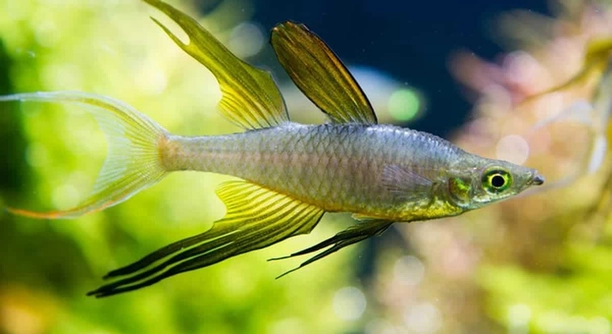
Threadfin Rainbowfish are small, colorful fish that brighten any aquarium. They are active swimmers, often exploring every corner of their tank. Observing their behavior can reveal surprising aspects of how they interact with their surroundings.
Threadfin Rainbowfish have demonstrated the ability to remember tank layouts through repeated exploration and spatial recognition. This memory allows them to navigate efficiently, avoid obstacles, and establish familiar zones, indicating cognitive capabilities beyond simple instinctual swimming patterns.
Learning about their memory and behavior can help you create a more comfortable and enriching environment for these vibrant fish. It also highlights the importance of tank design for their well-being.
How Threadfin Rainbowfish Explore Their Tank
Threadfin Rainbowfish are naturally curious and will explore every section of their tank when introduced to a new environment. They often swim along the edges, investigating decorations, plants, and hiding spots. Over time, they begin to recognize familiar areas, returning to preferred spots with confidence. Observing their patterns shows they do not wander randomly but follow routes they have memorized. Changes in tank layout can cause them to hesitate or explore more cautiously, reflecting their reliance on memory. Providing a variety of structures, like rocks or plants, encourages movement and engagement while helping them establish a mental map of their space. Their social behavior also plays a role; in groups, they often follow each other, reinforcing memory through repeated exposure. Feeding routines contribute as well, as they associate certain spots with food, reinforcing spatial learning. A consistent layout promotes comfort and reduces stress for these active fish.
These fish quickly adapt to consistent environments, showing strong spatial awareness and memory retention even in small tanks.
Maintaining a stable tank arrangement allows Threadfin Rainbowfish to feel secure. By observing how they navigate and interact with their surroundings, you can better understand their needs. They often form preferred paths and resting spots, which can be disrupted by frequent changes. Careful placement of decorations and plants provides stimulation while supporting their natural memory patterns. Ensuring feeding routines are consistent reinforces their spatial recognition, making them feel more confident in their environment. Proper lighting, plant cover, and hiding spaces further enhance their comfort. Over time, these measures result in calmer, more predictable behavior, making daily care easier. Regular observation lets you notice when they adapt or show signs of stress due to rearrangement. Supporting their cognitive habits contributes to healthier, happier fish, highlighting the importance of thoughtful tank design.
Memory and Learning in Small Fish
Threadfin Rainbowfish demonstrate impressive memory for their tank layout, often remembering hiding spots and feeding locations.
Their ability to retain spatial information shows that fish are capable of learning from repeated experiences. They rely on cues from the environment, such as plant placement, substrate texture, and landmarks, to navigate efficiently. This memory helps reduce stress and allows them to focus on social interactions, feeding, and exploring safely. Studies indicate that consistent environments improve cognitive performance, while frequent changes can confuse and stress fish. Engaging their natural curiosity through varied textures and safe hiding spaces supports mental stimulation. Careful observation of behavior patterns reveals how they integrate memory with daily activities. Feeding in predictable locations reinforces spatial recognition, encouraging confidence and exploration. Over time, these learned behaviors form a routine that enhances both comfort and overall health, showing that even small fish can benefit from thoughtful tank management and structured environments.
Signs That Threadfin Rainbowfish Remember Their Tank
Threadfin Rainbowfish often return to the same spots repeatedly, showing they recognize areas where they feel safe. They follow familiar swimming paths and react quickly to food placement, indicating memory of routine locations and environmental landmarks.
Their behavior shows clear evidence of spatial learning. When decorations or plants are moved, they may hesitate or explore more slowly, demonstrating reliance on memory. Feeding routines reinforce this learning, as fish quickly associate certain areas with food availability. Groups often mirror each other’s paths, supporting memory through social interaction. Over time, consistent tank layout reduces stress and promotes confidence in movement. Observing these patterns provides insight into how these fish adapt and remember their environment.
They also use memory to avoid obstacles and predators, even in small tanks. Favorite hiding spots are revisited regularly, showing recognition of safe areas. Memory helps them optimize energy use, swimming efficiently along familiar routes.
Enhancing Tank Memory Through Layout
Consistent placement of plants, rocks, and decorations strengthens spatial memory, allowing fish to navigate with confidence. Providing varied textures and hiding spots encourages exploration and cognitive stimulation.
Feeding in predictable locations supports learned behavior, helping them remember safe and rewarding areas. Over time, fish develop preferred routes and resting spots, reducing stress. Changes to tank layout should be gradual to avoid confusion and disorientation. Group dynamics influence memory as well; following companions reinforces spatial recognition. Observing daily routines can reveal which areas are preferred, allowing adjustments to improve comfort. A stable environment encourages natural behavior and promotes healthy mental and physical activity, ultimately contributing to the well-being of Threadfin Rainbowfish.
Tank Changes and Memory
Frequent rearrangement of decorations can confuse Threadfin Rainbowfish. They rely on familiar landmarks, so sudden changes may make them hesitant or stressed.
Gradual adjustments allow fish to adapt without disrupting their memory. Moving one item at a time helps them learn new layouts while retaining recognition of safe zones.
Feeding Patterns and Spatial Recognition
Threadfin Rainbowfish quickly learn where and when food is provided. Consistent feeding locations strengthen their memory and encourage predictable movement throughout the tank. By observing these patterns, it is clear that routine plays a significant role in their spatial awareness.
Group Behavior and Learning
Fish in groups often follow each other’s paths, reinforcing memory and establishing common routes. Social dynamics enhance their ability to remember safe areas.
FAQ
Can Threadfin Rainbowfish really remember tank layouts?
Yes, Threadfin Rainbowfish show clear evidence of spatial memory. They often revisit the same hiding spots and swimming paths repeatedly. Familiar decorations and plants help them navigate confidently, and predictable feeding locations reinforce their learned routes. Sudden changes can cause hesitation, showing their reliance on memory for comfort and safety.
How quickly do they learn their environment?
These fish begin forming mental maps within days of being introduced to a new tank. They explore cautiously at first, gradually becoming more confident as they recognize safe areas, feeding spots, and preferred resting zones. Social behavior also aids learning, as they often follow other fish along established paths.
What signs indicate they remember their tank?
Returning to favorite spots, following the same swimming routes, and reacting quickly to feeding locations are strong indicators. Hesitation or slower movement after rearrangements also highlights their reliance on memory. Observing these patterns provides insight into how their environment influences behavior and stress levels.
Does group size affect their memory?
Yes, living in groups can strengthen memory. Fish often mirror each other’s movements, which reinforces learned paths and safe areas. In small tanks, following companions helps them recognize feeding locations and hiding spots more efficiently, creating a shared understanding of the layout.
How can I support their memory?
Maintaining a consistent tank layout is key. Gradual changes are better than sudden ones. Using varied decorations, plants, and hiding places provides mental stimulation while preserving familiar landmarks. Consistent feeding routines reinforce spatial learning and reduce stress, allowing fish to feel secure.
Will rearranging the tank harm them?
Sudden or frequent changes can confuse Threadfin Rainbowfish and cause stress. Gradual adjustments allow them to adapt while retaining recognition of safe zones. Observing behavior during transitions helps identify stress signs and ensures they are coping well with new arrangements.
Do they remember feeding times or only locations?
They primarily remember locations but can also anticipate feeding times to some extent. Regular schedules help them recognize patterns, increasing confidence and reducing anxiety. Over time, this contributes to predictable routines, showing that memory is influenced by both place and timing.
Are some fish better at remembering than others?
Individual variation exists. Some Threadfin Rainbowfish quickly learn layouts and show strong spatial awareness, while others may take longer to adapt. Age, health, and temperament can influence memory, with younger or more active fish often exploring more and retaining spatial information faster.
Does tank size affect their memory?
Tank size matters, but even small tanks allow them to form mental maps. Larger tanks provide more space to explore, creating multiple landmarks to remember. Consistent layouts, whether in small or large tanks, help them develop memory and navigate confidently.
Can memory improve over time?
Yes, repeated exposure strengthens their ability to remember routes, feeding spots, and hiding places. Consistency, gradual changes, and engagement with varied decorations support cognitive development. Observing gradual improvements in navigation shows that memory is reinforced through daily routines and social interactions.
Is it necessary to rearrange decorations for enrichment?
Some variation is beneficial, but it should be gradual. Moving one item at a time allows them to explore new elements without overwhelming their memory. This approach provides mental stimulation while maintaining familiar landmarks for comfort and navigation.
How do hiding spots influence memory?
Hiding spots act as anchors for spatial learning. Fish remember their locations and use them to feel safe. Consistent placement reduces stress, while introducing new shelters gradually encourages exploration without disorienting them.
Can memory affect their health?
Yes, a stable environment that supports memory reduces stress and promotes normal behavior, feeding, and activity. Stress from disorientation or sudden changes can lead to health problems, while predictable layouts help them thrive physically and mentally.
Do they recognize individual tank features?
Threadfin Rainbowfish can distinguish landmarks like plants, rocks, and decorations. These features serve as reference points for navigation, helping them move efficiently, find food, and return to preferred resting spots, showing a surprisingly detailed level of spatial memory.
How do I know if my fish are stressed by changes?
Signs include hesitation, hiding excessively, erratic swimming, or avoiding familiar areas. Gradual adjustments and careful observation help prevent prolonged stress, supporting memory and confidence in their environment.
Can memory help them interact socially?
Yes, recognizing familiar areas helps them coordinate with tank mates. They often swim together along known paths and use memory to navigate around others safely. This supports social cohesion and reduces conflicts in shared spaces.
Does lighting or visual cues affect memory?
Yes, consistent lighting and visible landmarks enhance recognition. Changes in lighting or obscured objects can confuse fish temporarily, but stable cues help reinforce learned routes and feeding locations, supporting spatial memory.
Are there ways to test their memory at home?
Observing their response to moved decorations or feeding locations is a simple test. Hesitation, repeated checking of familiar spots, or following previous paths indicates recognition and memory retention. Consistent behavior shows strong spatial awareness.
How long do they retain memory?
Memory is retained as long as environmental cues remain familiar. Even after brief absences or minor changes, they can quickly recall preferred routes and locations. Reinforcement through routine feeding and consistent layout strengthens retention over time.
Can enrichment activities improve memory?
Yes, introducing safe variations like new hiding spots, textured surfaces, or interactive feeding methods encourages exploration. Gradual changes challenge them cognitively while maintaining familiar reference points, supporting mental stimulation and memory.
Is memory unique to Threadfin Rainbowfish?
While memory exists in many fish species, Threadfin Rainbowfish show strong spatial recognition and learned routines. Observing their consistent behavior, navigation, and responses to changes highlights notable cognitive abilities compared to some other small aquarium fish.
Do environmental stresses impact memory?
High stress levels, poor water quality, or overcrowding can impair learning and spatial recognition. A stable, healthy environment supports memory retention, confidence, and overall well-being, showing that tank conditions directly influence cognitive function.
Can memory influence feeding behavior?
Yes, fish often anticipate feeding locations and may swim directly to preferred spots. This learned behavior shows reliance on spatial memory and reinforces confidence in their environment, making feeding more predictable and reducing stress.
Is there a difference between individual and group memory?
Individual fish rely on personal experience with the tank, while group dynamics reinforce memory socially. Following tank mates helps less confident fish learn routes and preferred spots, creating a combined effect that enhances overall navigation and recognition.
How do I maintain a memory-friendly tank?
Keep decorations consistent, introduce gradual changes, maintain feeding routines, and provide safe hiding spots. Observe fish behavior to ensure comfort, reduce stress, and support both spatial memory and healthy daily activity.
Can memory affect reproduction or breeding behavior?
Yes, familiar environments encourage confidence, reduce stress, and promote normal breeding behaviors. Fish are more likely to explore spawning sites and interact with mates when their tank is stable and supportive of learned routines.
What is the best way to observe memory in daily life?
Watch swimming patterns, feeding response, and use of hiding spots. Recognizing repeated routes or preferred areas indicates memory retention. Careful observation over time reveals how environmental consistency and social interaction support their cognitive abilities.
Does age affect memory?
Younger fish may explore more and adapt faster, while older fish show established routes and preferred zones. Memory can remain strong with consistent reinforcement, but age may influence the speed of learning new layouts or responding to changes.
Can memory help in avoiding conflict?
Yes, knowing where hiding spots and territories are reduces encounters with aggressive tank mates. Memory allows fish to navigate efficiently, avoid threats, and maintain a calmer social environment.
Do they remember past stressors?
Threadfin Rainbowfish can associate certain changes with stress, leading to cautious behavior in similar situations. Consistent, gentle adjustments help them adapt without reinforcing negative associations.
How does water quality influence memory?
Poor water conditions can increase stress and impair cognitive function. Maintaining clean, stable water supports normal behavior, learning, and spatial recognition, highlighting the link between environmental health and memory performance.
Is spatial memory linked to overall intelligence?
Yes, remembering routes, feeding spots, and safe zones reflects cognitive abilities. Threadfin Rainbowfish demonstrate problem-solving and learning through repeated experience, showing memory as a key aspect of their intelligence.
Can memory be tested with new objects?
Introducing a single new decoration allows observation of exploration and adaptation. Hesitation followed by recognition and integration into their routine indicates effective memory use and learning capacity.
Does memory affect interaction with humans?
Fish may recognize feeding routines and approach specific areas when humans are present. Memory helps them anticipate events and respond confidently, showing how learned behavior extends to interactions with caretakers.
Can memory help reduce stress during tank maintenance?
Yes, familiar layouts and consistent routines allow fish to cope better with disturbances. Gradual adjustments and observation during cleaning reduce stress and help maintain normal cognitive function.
Is memory retention lifelong?
While memory may weaken with age or stress, consistent environments, routine feeding, and mental stimulation help Threadfin Rainbowfish retain spatial recognition and learned behaviors over long periods.
How can I encourage exploration without causing stress?
Introduce new items gradually, maintain familiar landmarks, and provide safe hiding spots. This allows fish to explore and adapt while preserving memory and confidence in their environment.
Do fish remember other fish?
Yes, social memory helps them recognize companions, establish group hierarchy, and coordinate movement. Familiarity reduces conflict and promotes efficient navigation in shared spaces.
Are there differences in memory between tank setups?
Complex tanks with multiple landmarks promote more active memory use, while simple layouts may limit spatial learning. Both benefit from consistency, but varied environments encourage cognitive engagement.
Can memory improve tank management?
Observing memory-driven behavior informs feeding schedules, decoration placement, and maintenance routines. Understanding how fish learn and remember their environment helps create a stable, low-stress tank.
Does memory influence their daily activity?
Yes, familiar routes and recognized zones guide movement, feeding, and resting. Memory reduces stress and energy expenditure, supporting natural behavior and overall well-being.
Is Threadfin Rainbowfish memory typical for small fish?
While some small fish display memory, Threadfin Rainbowfish show particularly strong spatial recognition, learned routines, and social reinforcement, making their cognitive abilities notable in the aquarium context.
How can I track memory development over time?
Monitor repeated routes, preferred spots, and responses to minor changes. Gradual improvements indicate reinforcement of spatial memory and adaptation to their environment.
Does memory help with predator awareness?
Recognizing safe zones and familiar routes allows fish to respond quickly to threats. Memory enhances survival instincts even in a controlled aquarium setting.
Can environmental enrichment boost memory?
Yes, safe variation in decorations, textures, and hiding spots challenges cognitive abilities while preserving familiar landmarks, promoting memory and active exploration.
Are feeding variations beneficial for memory?
Introducing food in slightly different ways encourages problem-solving while keeping consistent locations reinforces spatial recognition, balancing stimulation with familiarity.
How often should I adjust the tank?
Adjustments should be gradual and infrequent. Frequent, abrupt changes can disrupt memory and cause stress, while controlled variation supports cognitive development and engagement.
Do memory and personality interact?
Yes, bolder fish may explore more and form mental maps faster, while timid fish may rely more on group behavior. Personality influences how memory is expressed and reinforced in daily activity.
How much does memory affect stress levels?
Memory of safe areas, hiding spots, and feeding locations reduces anxiety and promotes calm behavior. Disorientation or sudden changes increase stress, highlighting the importance of consistent layouts.
Are certain decorations better for memory?
Distinctive objects like tall plants, textured rocks, or unique ornaments act as landmarks. Consistency in placement helps fish recognize and navigate the tank efficiently, reinforcing spatial memory.
Does memory improve social cohesion?
Yes, recognizing familiar paths and hiding spots allows fish to coordinate movement and interact peacefully. Shared memory of territory and feeding areas strengthens group dynamics.
Can memory help in training fish?
To some extent, consistent cues and routines allow fish to associate locations with food or safe areas. While limited, this shows learning through repetition and environmental recognition.
Do environmental noises affect memory?
Excessive vibration or sudden disturbances can temporarily disrupt behavior. Stable conditions help fish focus on spatial cues and reinforce memory, maintaining confidence in their routine.
How long does it take for fish to adapt to new layouts?
Gradual changes allow adaptation within days to weeks. Immediate, drastic rearrangements may cause hesitation and stress, while incremental adjustments support learning and memory retention.
Can memory affect mating behavior?
Recognizing preferred spots and familiar routes encourages normal courtship and spawning. Confidence in their environment allows fish to focus on reproductive behaviors rather than navigation or stress management.
Do they remember tank maintenance routines?
Yes, fish may anticipate disturbances or feeding after cleaning. Familiarity with patterns helps them respond predictably, demonstrating memory linked to daily activity and environmental cues.
Is memory affected by lighting changes?
Consistent lighting supports recognition of landmarks, while sudden changes may cause temporary disorientation. Gradual adjustments help preserve spatial awareness.
Does memory affect interaction with other species?
Recognizing locations and paths helps Threadfin Rainbowfish coexist with other tank mates, avoid conflict, and navigate efficiently, showing how memory supports social harmony in mixed aquariums.
Can memory help in long-term tank stability?
Understanding how fish remember layouts and routines informs tank design, feeding, and maintenance. Supporting memory reduces stress, promotes healthy behavior, and ensures a stable, thriving environment over time.
Are there differences in memory between genders?
Differences are subtle, but both males and females rely on landmarks and feeding routines. Individual personality and social dynamics may influence how memory is expressed rather than gender alone.
How important is memory for daily life in the tank?
Memory shapes navigation, feeding, resting, and social interactions. A stable environment that supports memory reduces stress, encourages natural behavior, and ensures fish remain active and healthy over time.
Do they remember past tank layouts?
Threadfin Rainbowfish can retain memory of previous setups if changes are gradual. They integrate new information with existing knowledge, allowing adaptation without losing recognition of safe areas.
How can I use memory knowledge to improve care?
Maintaining consistent layouts, providing enrichment gradually, and observing behavior ensures fish feel secure. Supporting memory helps reduce stress, encourages exploration, and enhances overall well-being, making daily care more predictable and effective.
Can memory affect lifespan?
Indirectly, yes. Reduced stress, predictable routines, and efficient navigation supported by memory contribute to healthier, more resilient fish, positively influencing longevity and quality of life in the aquarium.
Is memory linked to activity levels?
Yes, fish with strong spatial recognition move confidently, explore more efficiently, and engage in natural behavior. Familiar routes reduce wasted energy, supporting both mental and physical activity.
Does memory help in avoiding repetitive stress?
Remembering safe routes and hiding spots prevents repeated collisions, overcrowding stress, and exposure to disturbances. This promotes calmer behavior and lowers risk of injury.
Can memory be observed in feeding habits?
Fish quickly recognize feeding locations and adjust swimming patterns to reach food efficiently. This learned behavior demonstrates reliance on spatial memory and routine reinforcement.
Are there long-term benefits to memory support?
Consistent layouts, predictable feeding, and gradual enrichment reduce stress, promote natural behavior, and support healthy cognitive function. Memory retention contributes to a stable, thriving aquarium environment.
How do I balance memory support with enrichment?
Introduce new items slowly while keeping familiar landmarks. Consistent feeding routines and safe hiding spots maintain confidence, while gradual variation stimulates exploration and cognitive engagement.
Can memory influence tank cleaning routines?
Yes, knowing familiar spots allows fish to adapt quickly during maintenance. Gradual, predictable cleaning reduces stress and preserves learned routes, supporting continued comfort and confidence.
Is memory affected by overcrowding?
Overcrowded tanks can reduce the effectiveness of spatial recognition, cause stress, and limit free movement. Adequate space supports memory, exploration, and healthy social interaction.
Do they remember individual plants or rocks?
Distinctive landmarks are remembered and used to navigate the tank. Fish recognize specific plants, rocks, and ornaments as reference points, showing detailed spatial memory.
How can memory improve tank interaction?
Understanding fish memory allows placement of decorations and feeding areas that support natural movement, reduce stress, and encourage predictable, healthy behavior.
Does memory affect energy conservation?
Yes, familiar routes reduce unnecessary swimming and exploration, conserving energy for feeding, social activity, and growth. Efficient movement is a direct result of spatial recognition.
Can memory help fish adapt to new tankmates?
Recognizing safe areas and established paths allows smoother integration of new companions. Memory supports navigation and reduces stress during social adjustment.
Are there signs memory is improving?
Repeated use of paths, quick return to feeding spots, and confident navigation of minor changes indicate memory reinforcement. Observing gradual adaptation shows cognitive development over time.
Does memory affect stress during feeding?
Knowing where food will appear reduces anxiety and competition. Fish can navigate confidently, minimizing conflict and promoting calm feeding behavior.
Can memory be negatively impacted by illness?
Yes, stress or health issues can temporarily reduce spatial awareness and learning. Maintaining stable conditions and monitoring health supports continued memory function.
How does memory affect interaction with hiding spots?
Familiar shelters provide security, allowing confident exploration. Memory of these spots reduces stress, optimizes energy use, and supports natural behavior patterns.
Can memory help with selective feeding?
Fish may prioritize known feeding areas over new locations, showing preference for learned spots. This behavior reflects spatial memory and reinforces predictable routines.
Does water temperature affect memory?
Extreme fluctuations can stress fish, potentially reducing memory efficiency. Stable temperatures support normal cognitive function and routine navigation.
Can memory assist in recognizing danger?
Recognizing safe routes and hiding areas helps fish respond quickly to perceived threats. Memory enhances survival instincts even in controlled environments.
Is memory linked to stress hormone levels?
Yes, familiar environments reduce stress hormones, promoting calm behavior. Disorientation or sudden changes can temporarily elevate stress responses, showing memory’s role in emotional regulation.
How long does it take for new landmarks to be remembered?
Gradually introduced items are usually integrated within days to weeks. Fish explore cautiously before incorporating new landmarks into their mental map, showing adaptive memory.
Do fish forget if the tank is frequently changed?
Frequent, abrupt changes can impair memory, causing hesitation and stress. Gradual adjustments allow retention while encouraging adaptation without disorientation.
Can memory influence social hierarchy?
Knowing territories and preferred areas helps fish establish social order, avoid conflict, and navigate efficiently within groups, showing memory’s role in social behavior.
Are memory abilities inherited or learned?
While instinct plays a role, most spatial recognition is learned through repeated exposure, exploration, and interaction with both the environment and tank mates.
Does memory influence nocturnal behavior?
Familiar routes and landmarks allow confident movement in low light. Fish rely on learned spatial cues to navigate
Threadfin Rainbowfish are more intelligent than many people realize. Their ability to remember tank layouts, feeding spots, and safe hiding places shows that they rely on memory to navigate their environment confidently. Observing how they swim through familiar areas and return to favorite locations demonstrates that memory is a key part of their daily behavior. Even small changes in decorations or plant placement can make them hesitate, which highlights how much they depend on what they know about their surroundings. By paying attention to these patterns, it becomes easier to understand their needs and create a tank that feels safe and predictable.
Creating a stable environment is essential for supporting the memory and overall well-being of Threadfin Rainbowfish. Consistent feeding locations and schedules reinforce learned behavior and reduce stress. Familiar decorations and hiding spots act as anchors for spatial recognition, giving them the confidence to explore without fear. Gradual adjustments to tank layout can provide enrichment without causing disorientation. Observing their response to minor changes allows caretakers to gauge how well the fish have remembered their surroundings. Over time, fish that have a predictable environment tend to be calmer, more active, and more comfortable in their space. Providing this stability supports natural behavior while also allowing for safe, controlled exploration.
Memory in Threadfin Rainbowfish also plays a role in social interactions and daily activity. Fish in groups often mirror each other’s paths, helping those less confident learn the layout more quickly. Recognizing safe zones and established routes reduces conflict and allows them to interact smoothly with tank mates. The use of familiar hiding spots and feeding areas helps conserve energy, making movement more efficient and reducing stress. Supporting memory is not just about tank layout; it also involves maintaining healthy water conditions, stable lighting, and consistent routines. When these elements are in place, Threadfin Rainbowfish can thrive mentally and physically. Their ability to remember their environment underscores the importance of thoughtful care, careful observation, and a balanced, consistent setup that allows them to feel secure and confident in their daily lives.

Hello,
If you enjoy the content that we create, please consider saying a "Thank You!" by leaving a tip.
Every little bit helps us continue crafting quality advice that supports the health, happiness, and well-being of pets around the world, for pets of all shapes, sizes, and species.
We really appreciate the kindness and support that you show us!