
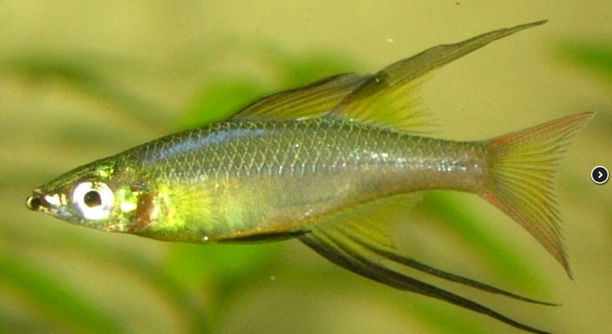
Do you ever find yourself admiring the shimmering colors of your aquarium but wishing you knew more about the fish inside? Threadfin rainbowfish are often overlooked, yet their behaviors and preferences hold many subtle surprises worth noticing.
Threadfin rainbowfish exhibit a range of unique behaviors and environmental preferences that may not be immediately obvious. From social interactions to feeding habits, these fish respond to light, temperature, and water conditions in ways that enhance their health and display.
Observing their habits closely can reveal patterns that improve both care and enjoyment of these vibrant freshwater fish.
Vibrant Color Changes
Threadfin rainbowfish are known for their striking color changes, which can shift depending on mood, health, or environment. These shifts are not random but serve as signals to other fish or as indicators of stress or excitement. During breeding, males often display more intense coloration to attract females. Similarly, a sudden dulling of color can indicate illness or poor water quality. Their colors also respond to lighting conditions; natural daylight or full-spectrum aquarium lights tend to bring out their brightest hues. Observing these changes regularly allows you to better understand their emotional and physical state. It’s fascinating how subtle variations in shade or pattern can communicate so much. Aquarists who pay close attention to these signals can adjust feeding, lighting, and tank conditions to support their health. Over time, noticing these nuances strengthens your ability to anticipate needs and improve the overall well-being of the fish.
Color changes are a direct reflection of health and environmental comfort, offering insight into their condition.
Regularly monitoring water parameters, diet, and lighting is key. Keeping a journal of their behavior and color patterns can help detect issues early. Additionally, ensuring a varied diet rich in nutrients will support vibrant coloration. Temperature stability, minimal stress from aggressive tankmates, and proper space also influence their appearance. Maintaining these conditions consistently allows you to enjoy their bright colors and lively displays, while promoting longer, healthier lives. Observing how their shades shift over time is rewarding and helps create an environment where they thrive. By understanding and respecting these natural signals, you enhance both their beauty and their well-being, creating a balanced aquarium where every detail matters.
Social Behavior Patterns
Threadfin rainbowfish often form small schools and interact closely with other tankmates. Their social structure reduces stress and encourages natural activity.
They exhibit coordinated swimming, often following a leader or mirroring movements of other fish. In larger groups, males may compete subtly for space or attention, but aggressive behavior is rare. Schooling helps them feel secure, reducing hiding behavior and increasing feeding activity. Observing these interactions can help aquarists identify dominant or shy individuals, which can influence tank management strategies. Social stimulation is essential for their mental and physical health, promoting natural behaviors that keep them active and visible. Small additions, such as plants or driftwood, can enhance interaction by providing visual markers or hiding spots. Ensuring compatible tankmates and proper group size supports a harmonious environment.
Maintaining at least six individuals is recommended to preserve social dynamics.
Creating a balanced aquarium involves considering group size, space, and visual interest. Overcrowding or isolated fish can lead to stress or color loss. Adding environmental complexity with plants, rocks, or floating decor encourages natural movement and social interaction. Observing schooling patterns helps detect early signs of illness, as less active fish may indicate health issues. Careful selection of tankmates, avoiding aggressive species, ensures a peaceful community. Feeding routines also influence social behavior; dispersing food evenly reduces competition and supports harmonious group dynamics. Structured observation over time allows aquarists to understand their fish’s social hierarchy and adjust conditions accordingly. Social interactions combined with proper nutrition and habitat enrichments create a lively and healthy environment, where the subtle behaviors of threadfin rainbowfish can be appreciated daily.
Feeding Preferences
Threadfin rainbowfish prefer small, frequent meals. They enjoy live or frozen foods, but high-quality flakes also work well.
Their diet should include a variety of protein sources such as brine shrimp, daphnia, or micro worms. Vegetables like blanched spinach or zucchini can supplement nutrition. Providing balanced nutrition supports vibrant colors and steady growth. Overfeeding can lead to water quality issues, so portion control is essential. Observing which foods they favor helps maintain consistency and ensures all fish receive proper nourishment. Adjusting food type according to life stage or activity level promotes overall health. Feeding at the same time each day can also establish routine behaviors and reduce stress.
Monitoring leftovers and adjusting portions helps maintain clean water.
Regular cleaning of uneaten food prevents harmful bacteria buildup. Feeding slowly and in small amounts encourages all fish to eat and reduces competition. Combining different food types ensures variety and proper nutrient intake. Keeping a feeding schedule enhances activity levels, encourages natural foraging behaviors, and strengthens social interaction during meal times. A consistent diet not only maintains their health but also reinforces natural habits and vibrant coloration, making the aquarium more visually appealing.
Habitat and Tank Setup
Threadfin rainbowfish thrive in tanks with open swimming areas and hiding spots. Plants, rocks, and driftwood provide both security and visual interest.
Water conditions should remain stable, with temperatures between 24–28°C (75–82°F) and pH around 6.5–7.5. Gentle filtration and moderate water flow mimic natural streams and reduce stress. Proper lighting enhances coloration while supporting plant growth. Regular partial water changes maintain clarity and quality, preventing harmful buildup of nitrates or waste. Including floating plants can provide shade and reduce sudden light stress. Observing behavior in different areas of the tank helps identify preferred zones for swimming, feeding, or resting. Creating a balanced habitat promotes activity, reduces hiding, and encourages natural behaviors, ultimately contributing to their overall well-being.
Adequate space, stable water, and environmental enrichment ensure health and longevity.
Providing at least 40 liters (10 gallons) per six fish is recommended for swimming freedom. Filtration should be efficient but gentle to avoid strong currents that can tire the fish. Live plants not only offer hiding spots but also improve water quality. Positioning decor strategically allows for territory establishment and social interaction. Maintaining consistent temperature, pH, and lighting supports natural color expression and breeding readiness. Monitoring water parameters weekly and adjusting as needed prevents stress-related illnesses. A thoughtfully arranged tank balances aesthetics with functional space, fostering natural activity and enhancing the enjoyment of observing threadfin rainbowfish.
Breeding Behavior
Threadfin rainbowfish display subtle courtship rituals. Males flare fins and display vibrant colors to attract females.
Spawning often occurs among plants or fine-leaved decorations. Eggs are scattered and left to develop naturally. Regular water changes and stable conditions encourage breeding success. Observing these behaviors helps in understanding social and reproductive dynamics.
Interaction with Tankmates
They coexist well with peaceful community fish. Aggressive or overly large species should be avoided to prevent stress.
Schools of threadfin rainbowfish maintain cohesion, enhancing social behavior while reducing anxiety. Watching their coordinated swimming and gentle interactions highlights their adaptable nature and preference for calm, balanced aquariums.
Lifespan Expectations
Under optimal care, threadfin rainbowfish typically live 5–8 years. Proper nutrition, clean water, and minimal stress contribute to longevity and vibrant colors.
Sensitivity to Water Changes
They are sensitive to rapid water parameter shifts. Gradual adjustments prevent stress, illness, and behavioral changes.
FAQ
How often should I feed my threadfin rainbowfish?
Threadfin rainbowfish do best with small, frequent meals. Feeding two to three times a day ensures they receive enough nutrients without overloading the tank. A mix of high-quality flakes, frozen foods, and occasional live food supports health and vibrant coloration. Adjust portions based on their activity and appetite.
What is the ideal tank size for threadfin rainbowfish?
A minimum of 40 liters (10 gallons) per six fish is recommended to provide enough swimming space. Larger tanks are preferable, as they allow natural schooling behavior and reduce stress. Open swimming areas combined with plants and decorations create a balanced environment that supports activity and exploration.
Can threadfin rainbowfish live with other fish?
Yes, they do well with peaceful community fish. Avoid aggressive or much larger species to prevent stress and injuries. Compatible tankmates include small tetras, rasboras, and guppies. Keeping a school of at least six threadfin rainbowfish enhances social interaction and reduces shyness.
How do I encourage breeding in my tank?
Stable water conditions and a well-planted tank encourage spawning. Males display vibrant colors and perform courtship dances near plants. Eggs are scattered among foliage and left to develop naturally. Frequent water changes and a varied diet improve breeding success. Observing interactions can help identify readiness for spawning.
What water parameters are best for threadfin rainbowfish?
Temperature should be maintained between 24–28°C (75–82°F), and pH around 6.5–7.5. Moderate water flow and gentle filtration replicate their natural environment. Regular water changes help maintain clarity and prevent harmful nitrate buildup. Gradual adjustments are necessary to avoid stress.
How can I maintain their vibrant colors?
Balanced nutrition, stable water conditions, and proper lighting enhance coloration. Foods rich in carotenoids, such as brine shrimp or specially formulated flakes, bring out natural hues. Stress reduction, including compatible tankmates and enough swimming space, also plays a crucial role in keeping colors bright.
How long do threadfin rainbowfish live?
With proper care, they typically live 5–8 years. Longevity depends on consistent nutrition, clean water, and minimal stress. Observing behavior and monitoring health regularly helps ensure they reach full lifespan potential while maintaining vibrant activity and appearance.
Are they sensitive to water changes?
Yes, sudden water changes can stress them. Gradual adjustments in temperature, pH, or hardness prevent illness and behavioral issues. Monitoring water parameters closely and performing partial, frequent changes ensures a stable environment.
Do threadfin rainbowfish need special lighting?
They benefit from full-spectrum lighting to enhance coloration and support plant growth. Consistent light cycles, around 10–12 hours daily, help regulate natural rhythms. Floating plants can provide shade and reduce light stress, contributing to overall well-being.
How can I tell if they are stressed or sick?
Signs include faded color, lethargy, loss of appetite, or hiding more than usual. Monitoring swimming patterns and behavior helps detect early issues. Maintaining stable water parameters, proper nutrition, and compatible tankmates reduces stress and promotes long-term health.
What decorations or plants work best in their tank?
Threadfin rainbowfish prefer open swimming areas with scattered plants, rocks, and driftwood. Fine-leaved plants are ideal for hiding or breeding. Decor should allow free movement while offering visual interest and security. Creating a natural setup encourages natural behaviors and reduces stress.
Is it necessary to keep them in groups?
Yes, keeping at least six together supports natural schooling and social interaction. Smaller groups may show shyness, reduced activity, or stress. Observing schooling patterns helps monitor health and harmony within the tank.
How do I introduce new fish to the tank?
Quarantine new fish for at least two weeks before adding them. Introduce slowly, ideally during feeding, to reduce territorial behavior. Monitor interactions closely, ensuring compatibility and minimal stress. Proper acclimation prevents disease transmission and maintains a peaceful environment.
Can I feed them only flakes?
While high-quality flakes are acceptable, a varied diet is best. Including frozen or live foods provides necessary protein and promotes natural behaviors. Occasional vegetables supplement nutrition and support overall health, ensuring long-term vitality.
What temperature fluctuations are safe?
They tolerate minor fluctuations within their preferred range (24–28°C). Sudden shifts or prolonged exposure to extremes can cause stress or illness. Maintaining a stable heater and monitoring daily ensures a consistent, comfortable environment.
Are they prone to common fish diseases?
They are moderately hardy but can be affected by fin rot, ich, or fungal infections if water quality drops. Maintaining cleanliness, stable water parameters, and quarantine procedures minimizes risk. Prompt treatment at early signs prevents serious health issues.
Do males and females look different?
Yes, males are more colorful and develop elongated fins, especially during breeding. Females are smaller and less vibrant. Observing differences helps identify breeding pairs and manage group dynamics effectively.
How do I handle their waste in the tank?
Regular partial water changes and efficient filtration manage waste buildup. Uneaten food should be removed to prevent water quality issues. Monitoring nitrate and ammonia levels ensures a healthy, safe environment for the fish.
Is tank size more important than decorations?
Both are important, but adequate swimming space takes priority. Decorations should complement open areas, allowing schooling behavior without overcrowding. A well-balanced setup promotes natural activity and reduces stress, supporting vibrant color and long-term health.
Can they adapt to slightly different water conditions?
Gradual changes in pH or hardness are tolerated if introduced carefully. Sudden shifts can cause stress or illness. Regular monitoring and slow adjustments help them acclimate while maintaining health and behavior consistency.
How much maintenance does their tank require?
Weekly water tests, partial water changes, and occasional filter cleaning are sufficient. Removing uneaten food and monitoring plant health supports a balanced environment. Consistent attention prevents issues and ensures a thriving aquarium.
Are they good for beginner aquarists?
They are suitable for beginners with basic aquarium knowledge. Their peaceful nature, adaptability, and moderate care requirements make them a rewarding species, especially when water conditions and diet are maintained consistently.
Do they interact with humans?
They may follow movements outside the tank and respond to feeding routines. While not interactive like some pets, observing their behavior can be enjoyable and informative, offering a subtle connection over time.
Can they live in a planted tank only?
A planted tank works well, provided open swimming areas are included. Dense planting is fine for hiding and breeding, but complete coverage can restrict movement. Balance between decor and space supports activity, social behavior, and overall well-being.
How do I prevent aggression in the tank?
Keeping them in groups, providing adequate space, and choosing peaceful tankmates reduces aggression. Visual barriers and varied decor also help maintain harmony. Monitoring social behavior and separating overly dominant fish if necessary preserves a peaceful environment.
Is breeding difficult to achieve?
Breeding is straightforward with stable conditions, proper nutrition, and sufficient plant cover. Males display colors and courtship behavior, and eggs develop naturally. Regular care and observation improve success without requiring complex interventions.
How can I improve their overall health?
Consistent diet, clean water, appropriate tank size, compatible tankmates, and stress reduction are key. Observing behavior, adjusting conditions when needed, and maintaining a routine ensures vibrant colors, active swimming, and long-term health.
Do they require a heater year-round?
Yes, maintaining stable temperatures within 24–28°C is important. Sudden drops or fluctuations can cause stress and illness. A reliable heater and thermometer help ensure consistent conditions year-round, supporting comfort and well-being.
What are common signs of stress?
Faded colors, hiding, lethargy, or erratic swimming indicate stress. Stress often results from poor water quality, overcrowding, incompatible tankmates, or rapid environmental changes. Addressing these factors promptly restores normal behavior and reduces health risks.
How important is water circulation?
Moderate water flow mimics natural streams and supports oxygenation. Gentle circulation reduces stagnant areas and encourages healthy swimming patterns. Excessive current should be avoided, as it can tire fish and stress them, while too little can reduce water quality and activity levels.
Can they live with shrimp or snails?
Yes, peaceful invertebrates such as small shrimp or snails are compatible. They coexist without harm and can help manage algae and waste. Avoid large or aggressive species that could pose a threat.
Are they sensitive to pH swings?
Yes, rapid changes in pH can stress them. Gradual adjustments and careful monitoring are necessary to maintain stability. Stable pH supports overall health, behavior, and coloration.
Do they need supplementary vitamins?
A varied diet usually provides sufficient nutrients, but occasional supplements can enhance color and immune health. Vitamins are especially useful during breeding or recovery from illness.
How often should I clean the tank?
Partial water changes weekly and filter maintenance monthly are sufficient. Removing uneaten food and debris prevents harmful buildup. Consistent cleaning preserves water quality and supports long-term fish health.
What is the best substrate for them?
Fine gravel or sand is ideal. It allows natural foraging behavior and prevents injury. Darker substrates can enhance their colors, while plants root easily in these substrates, providing additional shelter.
Are they prone to jumping?
Yes, they may jump if startled. A secure lid or cover prevents escapes. Calm handling and stable tank conditions reduce sudden jumps and associated stress.
Can they adapt to community tanks easily?
They adapt well if tankmates are peaceful, water conditions are stable, and space is sufficient. Gradual introduction and monitoring ensure harmonious cohabitation.
Do males fight during breeding?
Males may display minor competition for attention, but outright aggression is rare. Providing enough space and hiding spots minimizes conflicts and supports healthy breeding behavior.
How do I acclimate new fish?
Float the bag in the tank to equalize temperature, then gradually mix tank water. Slowly release the fish to reduce shock and stress. Observing them closely during the first hours ensures a smooth transition.
Is it safe to keep them in a planted tank with low light?
They tolerate moderate lighting, but full-spectrum light supports plant growth and brings out vibrant colors. Low-light conditions may dull their appearance and reduce plant health.
Do they eat algae?
They occasionally nibble on algae but should not be relied upon for tank cleaning. Supplement their diet with proper foods to ensure adequate nutrition.
Are they active during the day or night?
Threadfin rainbowfish are diurnal. They are most active during daylight hours and rest at night. Proper light cycles support natural rhythms and activity patterns.
Can I keep them alone?
They prefer groups for social behavior and stress reduction. Keeping them alone can lead to shyness, hiding, and reduced activity. Group living encourages natural schooling and interaction.
Do they need strong filtration?
Moderate filtration is sufficient. Strong currents can stress them, while gentle, efficient filtration maintains water quality without disrupting behavior or swimming patterns.
What are early signs of illness?
Loss of appetite, faded colors, unusual swimming, or clamped fins indicate early illness. Immediate attention to water parameters, diet, and isolation if needed prevents progression.
Can they tolerate slightly hard water?
Yes, they adapt to moderate hardness. Sudden changes should be avoided, and gradual acclimation ensures continued health and comfort.
How do I encourage them to explore the tank?
Providing plants, rocks, and varied decor encourages movement and curiosity. Feeding in different areas and adding visual markers stimulates natural behavior and reduces boredom.
Is it normal for them to hide?
Yes, occasional hiding is natural, especially when adjusting to new environments. Excessive hiding may indicate stress, illness, or poor tank conditions, which should be addressed promptly.
Do they require special care during breeding?
Ensuring stable water, proper nutrition, and adequate plant coverage is essential. Observing courtship and egg-laying behavior helps manage breeding without intervention, supporting natural development.
How often should I test water parameters?
Weekly testing of pH, ammonia, nitrite, and nitrate ensures stability. Monitoring allows early intervention and maintains a healthy, stress-free environment.
Are they compatible with bettas?
Bettas may show aggression, especially males. Careful observation and enough space are required if kept together. Often, it is safer to avoid pairing them in the same tank.
Do they need a varied diet to stay healthy?
Yes, a mix of flakes, frozen, live foods, and occasional vegetables provides essential nutrients, promotes color, supports growth, and encourages natural foraging behaviors.
What is the best temperature for breeding?
Temperatures around 26–28°C (79–82°F) optimize courtship and egg development. Stable conditions and consistent feeding enhance success.
How long does it take for eggs to hatch?
Typically 7–10 days depending on temperature and water quality. Maintaining stable conditions ensures healthy fry and reduces risk of fungus or predation.
Can I keep them with small cichlids?
Small, peaceful cichlids may coexist, but monitor for territorial behavior. Avoid aggressive species that could stress or harm threadfin rainbowfish.
Do they respond to feeding cues?
Yes, they quickly learn routines and may swim actively toward food. Consistent timing encourages natural behavior and reduces stress during meals.
How do I reduce stress in the tank?
Provide stable water, compatible tankmates, adequate swimming space, plants for hiding, and consistent feeding routines. Observing behavior helps detect early stress indicators and correct issues promptly.
Is water hardness important for health?
Moderate hardness is preferred. Sudden changes should be avoided. Stable parameters support overall well-being, coloration, and reproductive behavior.
Do they benefit from floating plants?
Yes, floating plants provide shade, reduce light stress, and enhance the sense of security while supporting natural behavior patterns.
Can they live in a tank without a heater in warm climates?
Only if water remains consistently within 24–28°C. Fluctuations or cold nights can stress them, so monitoring is essential.
Are they easy to care for compared to other rainbowfish?
Yes, they are moderately hardy, peaceful, and adaptable. Proper water quality, diet, and social grouping ensure manageable care and rewarding observation.
Do they show personality differences?
Yes, some are more active, bold, or shy. Observing individual behavior helps manage groups and maintain a harmonious environment.
Can they be kept in brackish water?
No, they require freshwater conditions. Even slight salinity can cause stress, illness, or death.
Do they enjoy current in the tank?
Moderate current is preferred, simulating streams. Strong flow can tire them, while stagnant water reduces activity and oxygenation.
Is regular observation necessary?
Yes, monitoring color, behavior, feeding, and interactions helps maintain health, detect issues early, and adjust care routines effectively.
Do they need supplemental oxygen?
Not usually, if the tank has adequate filtration and moderate flow. Surface agitation improves oxygenation naturally.
Can they tolerate other rainbowfish species?
Yes, they generally coexist well with other peaceful rainbowfish. Group size and temperament compatibility should be considered to prevent stress.
How do I prevent fin damage?
Avoid sharp decorations, aggressive tankmates, and overcrowding. Gentle water flow and proper nutrition reduce risk and support healthy fin growth.
Are they suitable for small aquariums?
They need space for schooling, so small tanks limit natural behavior. Minimum size is 40 liters for a small group, with larger preferred.
Do they interact with plants?
Yes, they may explore, hide, or lay eggs among plants. Dense planting provides security while encouraging natural behavior.
Is tank maintenance different for breeding pairs?
Yes, more frequent monitoring of water quality, food, and plant health supports successful spawning and healthy fry development.
Do they show seasonal behavior changes?
They may become more active during breeding periods or temperature changes but otherwise maintain steady daily activity patterns in a stable tank.
Can they be stressed by sudden lighting changes?
Yes, sudden bright light can cause hiding or erratic swimming. Gradual adjustments and shaded areas reduce stress effectively.
Is water clarity important for them?
Yes, clear water supports health, natural behavior, and color expression. Filtration and partial water changes maintain clarity consistently.
Do they tolerate a range of pH levels?
They prefer 6.5–7.5 but tolerate minor fluctuations if gradual. Rapid changes are stressful and can lead to illness.
How do I know when they are happy?
Bright colors, active swimming, schooling behavior, and regular feeding indicate comfort and well-being. Consistent observation ensures their needs are met.
Can I use tap water?
Yes, if properly treated to remove chlorine and chloramine. Testing and adjusting parameters ensures safety and stability.
Do they respond to stress by hiding or swimming rapidly?
Yes, both behaviors indicate stress. Observing these signs helps identify environmental or social issues to address promptly.
Are males more aggressive than females?
Slightly, mainly during breeding displays. Conflicts are usually minor and reduced with enough space and hiding areas.
Can they live in a bare-bottom tank?
Yes, they adapt well, but substrates support foraging and aesthetic enhancement. Plants and decorations remain important for hiding and enrichment.
Do they require specific water flow patterns?
Moderate, gentle currents are ideal. Strong flow causes fatigue, while stagnant zones reduce activity and oxygenation.
How often should I feed live foods?
A few times per week is sufficient. Overfeeding can harm water quality, while occasional live foods support nutrition and natural behavior.
Do they recognize their keepers?
Not in the same way pets do, but they may react to routine movements, feeding, and familiar patterns over time.
Can they tolerate slightly cooler temperatures at night?
Minor drops are acceptable, but prolonged exposure below 24°C can cause stress or illness.
Do they require additional tank aeration?
Not usually, if filtration provides moderate water movement. Surface agitation ensures sufficient oxygen levels.
Are they compatible with catfish?
Yes, peaceful species like Corydoras are compatible. Avoid large or aggressive bottom dwellers that may disturb them.
Do they need specific minerals in water?
Moderate hardness with calcium and magnesium supports health, growth, and coloration. Excessive or deficient levels can cause issues.
Can I keep them with shrimp fry?
Yes, adult shrimp are fine, but fry may be eaten. Consider tank setup if breeding shrimp alongside rainbowfish.
Do they tolerate nighttime darkness well?
Yes, they are diurnal and rest during dark periods. Consistent light cycles maintain natural behavior.
How do I reduce fin clamping?
Ensure proper tankmates, stable water, and adequate space
Threadfin rainbowfish are remarkable freshwater fish that reward careful observation and consistent care. Their shimmering colors, lively swimming, and social interactions make them an enjoyable addition to any suitable aquarium. Paying attention to water quality, tank setup, and diet is essential for maintaining their health and vibrant appearance. These fish are not overly demanding but do benefit from stable conditions, a well-balanced diet, and regular maintenance routines. Ensuring that they have enough swimming space and a proper social group helps reduce stress, encourages natural behaviors, and enhances their overall well-being. Even simple changes, such as adjusting lighting or adding plants, can improve their comfort and activity levels. Their subtle behaviors, from schooling patterns to feeding preferences, can be fascinating to observe once you take the time to understand them.
Caring for threadfin rainbowfish also means being attentive to their social dynamics and environmental needs. Keeping a minimum of six individuals together supports their natural schooling behavior, which reduces anxiety and promotes active swimming. Observing interactions within the group can reveal dominant or shy individuals, helping guide tank management decisions. Compatible tankmates, gentle water flow, and a varied diet are all factors that contribute to a harmonious environment. Regular partial water changes, careful monitoring of parameters like temperature and pH, and occasional adjustments to diet or decor are small but significant steps toward ensuring a stable, comfortable home for these fish. Even small observations, such as changes in coloration or behavior, can indicate health issues or stress, allowing for timely intervention. By remaining consistent and attentive, you create an environment where threadfin rainbowfish can thrive, displaying both their colors and natural behaviors to the fullest.
Long-term care of threadfin rainbowfish involves balancing environmental stability, nutrition, and social needs. Their moderate care requirements make them suitable for aquarists with some experience, but their sensitivity to sudden changes means attention to detail is important. Observing them closely over time will allow you to notice subtle changes in color, behavior, and social interaction, providing valuable insight into their comfort and health. Including plants, rocks, and open swimming areas creates an enriched environment that supports natural activity and reduces stress. Attention to feeding schedules, water maintenance, and compatible tankmates ensures they remain healthy, active, and visually striking. Threadfin rainbowfish are rewarding to keep because their well-being reflects the care and consistency provided. With proper care, they can live several years, displaying their natural beauty and providing a steady source of enjoyment. Maintaining patience and observation helps aquarists build a fulfilling and successful experience with these fish, encouraging both long-term health and vibrant, natural behavior.

Hello,
If you enjoy the content that we create, please consider saying a "Thank You!" by leaving a tip.
Every little bit helps us continue crafting quality advice that supports the health, happiness, and well-being of pets around the world, for pets of all shapes, sizes, and species.
We really appreciate the kindness and support that you show us!