
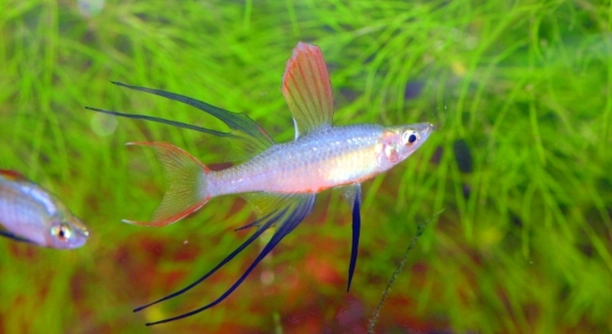
Are your threadfin rainbowfish showing unusual behavior or color changes? Maintaining precise water temperature is crucial for their health and vibrancy. Many aquarists struggle with heater adjustments to create a stable, suitable environment for these delicate fish.
Adjusting a heater for threadfin rainbowfish requires monitoring water temperature closely and making gradual changes. Ideal temperatures range between 24–28°C. Consistent thermal conditions support their metabolism, coloration, and overall health, while rapid fluctuations can cause stress or illness.
Learning proper heater adjustment techniques ensures a safe, thriving environment. Even small changes can significantly impact your rainbowfish’s well-being.
Understanding Threadfin Rainbowfish Temperature Needs
Threadfin rainbowfish thrive in warm, stable waters, generally between 24–28°C. Their metabolism, immune system, and coloration all depend on consistent heat. Sudden temperature swings can cause stress, reduce appetite, and make them more susceptible to disease. Proper heater placement and monitoring are essential. Many beginners place heaters near the water surface or too close to decorations, which leads to uneven heating. Using a reliable thermometer and checking different spots in the tank can prevent surprises. Gradual adjustments are safer than sudden increases or decreases, as rapid changes can shock fish. It’s also important to maintain regular tank maintenance, including partial water changes, which can slightly lower water temperature if done with cooler water. Combining steady heating with routine care ensures the fish remain healthy and active. Small efforts in observation and adjustment go a long way in maintaining a stable environment.
Proper temperature control directly affects fish behavior and coloration, ensuring they remain active and vibrant in the tank.
Consistent heating helps prevent stress-related illnesses. Fish that experience stable temperatures feed better and display their full colors. Inconsistent heat may result in lethargy, pale coloring, and reduced growth rates. Heaters should be chosen based on tank size and power, and multiple smaller heaters are preferable for larger aquariums to maintain even warmth. Placing a heater near water circulation points, like filters, helps distribute heat uniformly. Monitoring with a digital thermometer can detect small deviations before they become harmful. Adjustments should be done slowly, about 1°C per day, to avoid shocking the fish. By observing fish behavior and color, aquarists can identify if the temperature is suitable. Combining proper heater use, tank placement, and routine monitoring ensures threadfin rainbowfish thrive in their environment.
Choosing the Right Heater
Selecting a heater depends on the tank size, water volume, and whether you need precise control over temperature.
A reliable heater with an adjustable thermostat is essential. Tank placement matters: position near the filter to circulate warm water evenly. For larger tanks, using two smaller heaters on opposite ends prevents cold spots. Always choose a heater rated slightly higher than your tank volume for efficiency. Monitor water temperature daily, especially after maintenance or adding new water, as this can slightly shift the heat balance. Using a backup thermometer ensures accuracy and prevents overheating. Gradual adjustments are safer, and avoid leaving the heater on maximum for extended periods. A quality heater reduces stress, supports feeding and activity, and keeps coloration vibrant. Proper choice and placement save time and protect your fish. Regular checks and small tweaks maintain stability without drastic changes. Overheating or uneven heating can compromise health, so careful selection is key to success.
Setting the Heater Properly
Place the heater fully submerged, ideally near the filter output to circulate heat evenly. Avoid direct contact with decorations or the substrate. Set the thermostat within the recommended 24–28°C range, adjusting slowly to prevent shocking the fish.
Gradually raise or lower the temperature by about 1°C per day. Sudden changes can stress threadfin rainbowfish and affect their appetite or behavior. Use a reliable thermometer to check multiple spots in the tank. Digital thermometers provide accurate readings and make it easier to monitor stability. Consistent temperature helps fish maintain vibrant colors and active swimming patterns.
After adjustments, observe the fish for at least a few hours. Look for signs of stress such as hiding, reduced movement, or faded colors. Even small fluctuations can impact metabolism and overall health. Combining proper heater placement with gradual adjustments ensures a stable, supportive environment for the fish. Monitoring daily gives confidence that conditions remain optimal and prevents potential health issues.
Monitoring Temperature Fluctuations
Track temperature daily, ideally at the same time each day. Record readings to notice trends and minor fluctuations that could affect fish.
Sudden drops or spikes often happen after water changes or power outages. Using a digital thermometer with alerts can help catch these changes immediately. If fluctuations are frequent, consider using a second heater for even distribution. Observe fish behavior closely—lethargy or color loss often signals temperature issues. Keeping a log allows for adjustments before problems escalate. Daily monitoring keeps the tank environment stable, supporting long-term fish health and preventing stress-related illnesses.
Common Mistakes to Avoid
Placing the heater too close to decorations can create hot spots. Overheating the tank can stress the fish and reduce appetite, while underheating slows metabolism and affects coloration.
Adjusting the temperature too quickly is another common error. Gradual changes help fish adapt without shock. Frequent, small monitoring checks prevent issues from escalating.
Using Thermometers Effectively
Position thermometers at different spots in the tank to measure temperature accurately. Digital thermometers are preferred for precise readings, while analog options may lag behind real changes. Regular calibration ensures consistent results. Checking both near the heater and at the opposite end gives a complete picture. Using multiple thermometers helps detect uneven heating and ensures stability. Observing fish behavior alongside thermometer readings confirms proper temperature control. Combine thermometer use with daily visual checks to maintain optimal conditions. This approach minimizes stress, supports health, and prevents sudden changes that could harm the fish.
Adjusting for Seasonal Changes
Water temperature may fluctuate with room temperature. Small adjustments to the heater keep conditions consistent.
FAQ
How often should I check the water temperature for threadfin rainbowfish?
Daily monitoring is recommended to ensure stable conditions. Even minor fluctuations can stress the fish. Using a reliable digital thermometer simplifies tracking, while checking multiple points in the tank ensures accurate readings.
Can I adjust the heater more than 1°C per day?
It’s best to avoid rapid changes. Increasing or decreasing temperature gradually allows the fish to acclimate. Sudden adjustments can cause stress, reduce appetite, or trigger illness. Patience in temperature adjustment keeps the fish healthy and active.
What is the ideal temperature range for threadfin rainbowfish?
Threadfin rainbowfish thrive between 24–28°C. This range supports metabolism, feeding, growth, and coloration. Temperatures consistently above or below this range may cause stress, affect immunity, or alter behavior. Maintaining stability is more important than hitting a single exact number.
Should I use one heater or multiple heaters in my tank?
For smaller tanks, a single reliable heater is sufficient. Larger tanks benefit from two smaller heaters on opposite ends, which prevents uneven heating. Proper placement near circulation points like the filter ensures consistent temperature throughout the tank.
Do I need a backup thermometer?
A backup thermometer is recommended. If the primary thermometer fails, the backup prevents undetected temperature swings. Digital thermometers with alerts provide an extra layer of security, ensuring the fish remain in a safe, stable environment.
What signs indicate that the water temperature is too low or too high?
Signs of stress include lethargy, reduced feeding, faded colors, and hiding. Rapid movement near the surface can indicate overheating, while slow movement or clumping at the bottom may indicate cooler water. Observing behavior helps adjust the heater appropriately.
Can heater placement affect temperature distribution?
Yes, placing the heater near the filter output helps circulate heat evenly. Avoid corners or areas blocked by decorations. Uneven heating can create hot or cold spots, affecting fish behavior and health. Proper placement ensures all fish experience stable conditions.
Do water changes affect temperature?
Yes, replacing water can temporarily lower the tank temperature, especially if the new water is cooler. Gradually acclimating water to tank temperature before adding it reduces stress. Always monitor temperature after water changes to maintain stability.
How do I know if my heater is functioning correctly?
Regularly check both the thermometer and heater indicator light. Temperature should remain consistent over several hours. If fluctuations occur or the heater seems unresponsive, it may need repair or replacement to prevent harm to the fish.
Is it necessary to adjust the heater for seasonal changes?
Seasonal temperature variations in your home can affect the tank. Small adjustments ensure the tank remains within 24–28°C. Monitoring daily, especially during extreme weather, prevents stress and maintains the fish’s natural activity and coloration.
Can using two heaters prevent stress?
Yes, multiple heaters in larger tanks create more even heat distribution. This minimizes hot or cold spots, reduces stress, and supports consistent feeding, growth, and behavior. Balanced heating is more effective than relying on one heater alone.
How important is consistency compared to exact temperature?
Consistency is more critical than a single exact temperature. Fish tolerate minor variations if the changes are gradual and stable. Avoiding sudden fluctuations is key to supporting metabolism, immunity, and vibrant colors.
What tools help maintain accurate temperature?
Digital thermometers, heater controllers, and backups help track and adjust temperature precisely. Monitoring behavior alongside equipment readings ensures conditions remain ideal. Combining tools reduces risk and provides confidence in tank management.
Can poor temperature control affect breeding?
Yes, unstable temperatures reduce spawning behavior and success. Consistent warmth encourages natural activity, feeding, and color expression. Maintaining the recommended range supports reproductive health and overall vitality.
How often should I recalibrate my thermometer?
Check calibration every few months or after moving the thermometer. Accurate readings are critical to maintaining stable conditions and avoiding accidental overheating or underheating. A properly calibrated thermometer ensures reliable monitoring.
Are there any signs that my fish are too hot even if the thermometer reads correctly?
Yes, fish may gasp at the surface, show frantic swimming, or cluster near cooler areas. Observing behavior alongside temperature readings is essential, as localized hot spots can occur even when the thermometer shows correct overall temperature.
What’s the safest way to increase water temperature?
Raise the heater by no more than 1°C per day. Observe the fish for stress or unusual behavior. Repeat gradual adjustments until reaching the target range. This method ensures safe acclimation and minimizes health risks.
Can temperature affect fish coloration?
Yes, vibrant colors depend on stable temperatures. Stress from cold or fluctuating water can dull coloration, while consistent heat promotes natural, bright hues. Observing changes helps assess the tank environment.
Is it okay to leave the heater on full power?
No, running a heater at maximum can overheat the tank or cause uneven heating. Use the thermostat to control the temperature and avoid sudden changes that could harm the fish.
How long does it take for fish to adjust to a new temperature?
Fish generally need a few hours to a day to acclimate to small, gradual adjustments. Observing behavior during this period ensures they adapt without stress or health issues.
What should I do if the temperature suddenly drops?
Use the heater to gradually return the water to the ideal range. Avoid sudden jumps. Monitor fish behavior closely, as stress from cold can lead to illness. Consistent observation is key.
Can temperature affect feeding habits?
Yes, cooler water slows metabolism, reducing appetite, while overheated water can make fish restless or stressed. Stable, appropriate temperatures encourage regular feeding and proper growth.
What is the risk of ignoring small temperature fluctuations?
Even small, repeated fluctuations can cause chronic stress, weaken immunity, and affect coloration. Long-term instability increases susceptibility to disease and reduces lifespan, making consistent monitoring essential.
Are there differences between digital and analog thermometers for accuracy?
Digital thermometers provide faster, more precise readings, often with alerts. Analog thermometers can lag behind actual changes, making it harder to detect fluctuations early. Digital options improve monitoring and response to temperature shifts.
How can I combine heater use with regular maintenance?
Plan maintenance around heater settings to prevent sudden temperature drops. Gradually acclimate new water to tank temperature and monitor fish behavior before completing changes. This approach minimizes stress while keeping the environment stable.
Is it better to place the heater vertically or horizontally?
Vertical placement near the filter helps circulate warm water evenly. Horizontal placement is acceptable if it does not block flow or create dead spots. Correct orientation improves overall tank temperature consistency.
How do I prevent overheating during power outages recovery?
Use a heater with a thermostat and monitor readings closely after power returns. Gradually adjust temperature to prevent spikes. Observing fish behavior ensures they adapt safely without stress.
Can temperature stress lead to disease?
Yes, unstable water can suppress immunity, making fish more prone to infections. Maintaining a steady, appropriate range reduces stress and supports overall health.
How long should I observe my fish after adjusting the heater?
Watch fish for several hours to ensure normal behavior and feeding. Stress signs indicate adjustments may have been too rapid. Continuous observation ensures stable acclimation.
What is the role of consistent temperature in fish behavior?
Stable heat encourages regular swimming, feeding, and social behavior. Fluctuations can cause hiding, lethargy, or erratic movement. Consistency supports normal activity patterns and overall vitality.
Are there tools to automate temperature monitoring?
Yes, smart thermometers and heater controllers can alert you to fluctuations. Automation reduces manual checks and ensures immediate response to changes. This provides peace of mind and safer conditions.
Can heater failure go unnoticed?
Without monitoring, yes. A malfunctioning heater may overheat or leave the tank cold. Regular checks and backup thermometers help detect failures early, preventing stress or health issues.
What is the best practice for long-term temperature stability?
Use reliable heaters, place them correctly, monitor daily, and make gradual adjustments. Combine this with proper tank maintenance, backup thermometers, and careful observation to maintain consistent conditions over time.
How important is patience in adjusting water temperature?
Patience is crucial. Gradual changes prevent stress, support feeding, and allow fish to acclimate naturally. Rushing adjustments can lead to health issues, making slow, careful steps essential for thriving rainbowfish.
Can I leave the heater unattended for days?
Yes, if the heater is reliable, the thermostat is accurate, and daily monitoring occurs. Avoid leaving heaters at extreme settings or unchecked for long periods, as this risks temperature instability.
What are the consequences of ignoring heater adjustments?
Ignoring the heater can result in stress, illness, poor coloration, and reduced appetite. Long-term neglect may compromise growth and lifespan, making attentive management essential.
How does tank size influence heater choice?
Larger tanks require more power or multiple heaters for even distribution. Smaller tanks need proportionally weaker heaters. Choosing based on volume prevents uneven heating and maintains a safe environment.
Is it necessary to monitor temperature at night?
Yes, temperatures can drop overnight, especially in unheated rooms. Checking or using automated monitors ensures stability and prevents nocturnal stress. Stable conditions support proper metabolism and rest cycles.
Can temperature adjustments affect fish breeding?
Yes, stable, warm conditions encourage natural spawning behavior. Fluctuating temperatures can disrupt reproductive cycles, reduce activity, and affect success rates. Consistency is key for healthy breeding.
What small daily habits improve temperature management?
Checking thermometers, observing fish, adjusting heaters gradually, and logging readings ensure stable conditions. Even small efforts prevent stress, maintain vibrant colors, and support overall health.
How do I troubleshoot uneven heating?
Check heater placement, circulation, and tank size. Consider using multiple heaters or moving them closer to flow points. Measure temperatures at multiple locations to identify hot or cold spots and correct them promptly.
Can sudden water additions harm temperature stability?
Yes, adding cool or warm water can temporarily shift the tank temperature. Pre-warming or acclimating water helps maintain stability and prevents stress from sudden fluctuations.
What’s the most common mistake in heater management?
Rushing adjustments or placing heaters improperly often causes uneven heating and stress. Gradual changes and careful placement prevent most temperature-related issues.
How can I tell if the tank is evenly heated?
Measure temperature in multiple locations, observe fish behavior, and ensure there are no consistently colder or hotter spots. Even distribution supports health and reduces stress.
Are there long-term effects of poor temperature control?
Yes, chronic stress, weaker immunity, faded coloration, reduced feeding, and shorter lifespan can result. Proper monitoring and heater management prevent these consequences and support thriving fish.
What is the safest way to acclimate new fish regarding temperature?
Float the bag in the tank for 15–30 minutes, gradually mixing tank water. This prevents shock from sudden temperature differences. Monitor behavior before full release to ensure adaptation.
Does the type of heater matter?
Submersible, adjustable heaters with reliable thermostats provide the most consistent results. Cheap or poorly rated heaters may fail, causing uneven temperature and stress. Choosing quality equipment is essential for long-term stability.
How often should I replace my heater?
Heaters generally last several years but replace them if malfunctioning, inconsistent, or showing wear. Regular checks prevent unexpected failures and maintain safe tank conditions.
Can temperature issues cause aggression?
Yes, stress from cold or uneven heat may increase territorial behavior or aggression. Stable, appropriate temperatures reduce stress and maintain normal social behavior in the tank.
How do I balance heater use with energy efficiency?
Set the thermostat to the ideal range, use multiple heaters in large tanks, and avoid excessive power. Proper placement and gradual adjustments reduce energy waste while maintaining stability.
Can temperature affect disease recovery?
Yes, stable, appropriate temperatures support immune function and faster recovery. Fluctuating or extreme temperatures hinder healing and may worsen illness. Consistency is critical during treatment periods.
Is it important to observe fish daily for temperature management?
Yes, daily observation allows early detection of stress or illness caused by temperature issues. Behavior and coloration are reliable indicators of whether adjustments are needed.
Can heater timers help with stability?
Timers can maintain consistency during power cycles but should be used alongside thermostats. Gradual adjustments and monitoring remain essential to prevent sudden changes.
Are there differences in temperature tolerance among rainbowfish species?
Yes, threadfin rainbowfish prefer 24–28°C. Other species may tolerate cooler or warmer ranges. Always check specific species requirements to avoid stress or health problems.
What should I do if my fish show stress signs despite proper heating?
Check for uneven heating, circulation issues, or water quality problems. Correct placement, gradual adjustments, and consistent monitoring usually resolve stress. Behavioral observation is key to identifying the underlying cause.
How long should a new tank stabilize before adding threadfin rainbowfish?
Wait at least a few weeks for temperature, filtration, and water chemistry to stabilize. This ensures a healthy, stress-free environment when fish are introduced.
Can I rely solely on behavior to judge temperature?
Behavior is important, but thermometers provide objective readings. Combining both ensures accurate assessment and prevents unnoticed fluctuations that could harm the fish.
How do I maintain consistency during vacations or absences?
Use reliable heaters with thermostats, backup thermometers, and automated alerts. Have someone check on the tank if possible. Gradual adjustments and stable equipment maintain safe conditions during your absence.
What is the role of tank insulation?
Insulating the tank can reduce temperature fluctuations from room changes. This helps maintain stability, especially in colder months or drafty rooms, and supports overall fish health.
Can lighting affect temperature stability?
Yes, strong lights may slightly raise water temperature. Monitor changes and adjust heaters if necessary. Maintaining overall stability ensures fish remain comfortable and healthy.
Is it safe to use a heater with a built-in thermometer?
Yes, but still verify readings with a separate thermometer. Built-in sensors can be less accurate or affected by placement. Cross-checking ensures reliability and safety.
What is the best way to respond to power outages?
Monitor water temperature when power returns. Adjust heaters gradually to restore the ideal range. Observe fish behavior closely to ensure no stress or sudden illness occurs.
How does substrate affect heating?
Substrate can retain heat in some areas, causing uneven temperature. Ensure the heater circulates water effectively, and measure temperature at multiple points to prevent localized hot spots.
Can temperature influence fish coloration permanently?
Prolonged exposure to suboptimal temperatures may dull colors, reduce vibrancy, or affect long-term health. Consistent heat preserves natural hues and overall vitality.
Is monitoring necessary for small tanks?
Yes, small tanks are more prone to rapid temperature changes. Daily checks and careful heater adjustments prevent stress and maintain a safe, stable environment.
How do I know if gradual adjustments are working?
Fish should show normal activity, feeding, and vibrant coloration. Temperatures should remain within the ideal range, and behavior should indicate comfort rather than stress.
Are there any safety concerns with heaters?
Yes, always ensure full submersion if required, avoid contact with decorations, and monitor for malfunctions. Proper placement and daily checks prevent accidents and temperature issues.
How important is consistency compared to exact numbers?
Consistency matters more than hitting an exact temperature. Gradual, stable conditions allow metabolism, immunity, and coloration to remain healthy, whereas sudden fluctuations are more harmful than minor deviations.
Can multiple heaters fail simultaneously?
Yes, if connected to the same power source or poorly maintained. Using separate circuits or monitoring systems can reduce risk and ensure stability.
What’s the most efficient way to maintain optimal temperature?
Use a quality heater with a thermostat, place it near circulation points, monitor daily, and make gradual adjustments. Backup thermometers and observation reinforce stability and prevent stress.
How do I prevent temperature-related stress long-term?
Consistent monitoring, proper heater placement, gradual adjustments, and attention to seasonal changes all minimize stress and support the overall health of threadfin rainbowfish.
Are there specific times when monitoring is more critical?
During water changes, seasonal shifts, or after adding new fish. These situations are prone to sudden temperature changes and require closer observation.
How do I combine feeding and temperature management?
Feed at consistent times and ensure temperature remains stable to support metabolism. Avoid major heater changes during feeding periods to prevent stress.
Can temperature fluctuations affect fish lifespan?
Yes, chronic instability weakens immunity, increases disease risk, and can shorten lifespan. Stable conditions contribute to longer, healthier lives.
How do I know if my adjustments are too fast?
Signs include hiding, erratic swimming, loss of appetite, or faded colors. Slower, incremental changes are safer for maintaining fish health.
Should I adjust the heater when adding decorations or plants?
Yes, large items can alter water flow and temperature distribution. Ensure even heating by placing the heater where circulation remains effective.
Can temperature stress be reversed?
Yes, returning the tank to stable conditions and observing behavior often restores normal feeding, activity, and coloration. Prompt action prevents long-term health issues.
How can I prevent hot or cold spots in the tank?
Use multiple heaters for larger tanks, place them near circulation points, and measure temperature in different areas. This ensures even heat distribution and reduces stress.
Is it necessary to record temperature readings?
Recording daily readings helps track trends, detect fluctuations early, and informs gradual adjustments. Logging provides insight for long-term stability and healthier fish.
Can lighting and heater work together to stabilize temperature?
Yes, moderate lighting can support warmth, but heaters must handle primary temperature control. Monitor to prevent overheating or uneven heat caused by lights.
What’s the safest temperature change during water changes?
Mix new water slowly to match tank temperature. Gradual addition prevents sudden drops or spikes, reducing stress on fish.
How long should fish be observed after major adjustments?
Several hours to a day, depending on the magnitude of change. Behavior and feeding patterns indicate whether conditions are suitable.
Are there any long-term strategies for maintaining stability?
Use reliable heaters, monitor daily, adjust gradually, consider seasonal shifts, and observe fish closely. Combining these strategies ensures thriving, healthy rainbowfish for years.
Does tank location affect temperature consistency?
Yes, placement near windows, vents, or heat sources can cause fluctuations. Choose a stable environment to reduce temperature swings and maintain a safe habitat.
How do I prevent rapid cooling during winter?
Insulate the tank, monitor temperatures closely, and adjust heaters gradually. Avoid placing tanks near drafts or cold surfaces. Stable heat supports fish health.
Can heater failure be detected early?
Yes, by checking thermometer readings and observing fish behavior. Backup thermometers or alerts help identify issues before they become serious.
How important is patience in temperature management?
Patience ensures gradual adjustments, reduces stress, and promotes thriving fish. Rushed changes can cause health problems, making slow,
Maintaining the correct water temperature for threadfin rainbowfish is essential for their health, activity, and coloration. These fish are sensitive to fluctuations, so even small changes can affect their behavior and well-being. Ensuring a stable environment means paying attention to the heater, thermometer, and tank setup. Proper placement of the heater, ideally near circulation points, allows the heat to distribute evenly. Monitoring the temperature in multiple spots helps prevent hot or cold areas that could stress the fish. Gradual adjustments are safer than sudden changes, giving the fish time to acclimate. Consistency matters more than hitting an exact number, as the fish can tolerate minor fluctuations if the changes are slow and stable. Observing the fish’s behavior is also important. Lethargy, reduced feeding, faded colors, or unusual swimming patterns can all indicate that adjustments are needed. Daily checks, combined with careful management of the heater and water changes, provide a reliable way to maintain stable conditions over time.
Using multiple tools can simplify temperature management. Digital thermometers are precise and fast, while backup thermometers add security in case the primary device fails. In larger tanks, using two smaller heaters rather than one large one can prevent uneven heating and cold spots. Even in smaller tanks, paying attention to heater quality and placement can make a noticeable difference. Water changes and seasonal variations can temporarily shift the tank’s temperature, so it is important to monitor the water closely during these times. Gradually acclimating new water to match tank temperature reduces stress on the fish. When introducing new fish, floating the bag in the tank for a while and slowly mixing in tank water allows the fish to adjust safely to the temperature. Taking small, careful steps ensures that the environment remains consistent and healthy, which supports feeding, growth, and overall vitality. Regular observation and incremental adjustments help prevent stress and long-term health issues.
Patience and attention to detail are key for long-term success in keeping threadfin rainbowfish healthy. Stable temperature helps maintain natural activity, vibrant coloration, and a strong immune system. Ignoring fluctuations or rushing adjustments can lead to stress, illness, and reduced lifespan. Combining proper heater use, careful monitoring, and regular maintenance creates a predictable environment that the fish can thrive in. Small daily habits, like checking thermometers, observing fish behavior, and adjusting the heater gradually, are more effective than occasional large changes. Consistent care ensures that the fish remain active, feed well, and display their full colors. Over time, these habits create a stable and safe habitat that supports both short-term comfort and long-term health. By focusing on steady temperature control and observing the fish closely, you can provide the conditions they need to flourish, keeping the tank balanced, healthy, and enjoyable to maintain.

Hello,
If you enjoy the content that we create, please consider saying a "Thank You!" by leaving a tip.
Every little bit helps us continue crafting quality advice that supports the health, happiness, and well-being of pets around the world, for pets of all shapes, sizes, and species.
We really appreciate the kindness and support that you show us!