
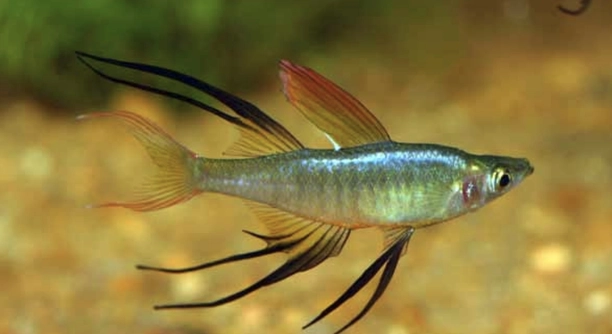
Are your aquarium conditions ready for a new addition? Threadfins are delicate fish that require careful acclimation and monitoring to adjust to their new tank environment. Their behavior and health can change quickly in unfamiliar surroundings.
When threadfins are first added to a tank, they often exhibit cautious swimming, hiding, and selective feeding behavior. Proper tank conditions, including water quality, temperature, and minimal stress, are critical for their successful adaptation and long-term well-being.
Observing their early behavior and maintaining ideal conditions will help ensure your threadfins thrive in their new home.
Preparing Your Tank for Threadfins
Before introducing threadfins, make sure your tank is fully cycled and stable. These fish are sensitive to water quality and sudden changes in environment. Test for ammonia, nitrite, and nitrate levels regularly. Provide a tank with plenty of open swimming space and some hiding spots to reduce stress. Temperature should be consistent, usually between 75–82°F, with gentle filtration to avoid strong currents. Consider lighting that mimics natural conditions, as threadfins are more active under moderate lighting. Feeding routines should be established beforehand with high-quality foods to encourage consistent eating. Observe other fish if present to prevent bullying, as threadfins are delicate and can be easily stressed. Remove any aggressive species temporarily if necessary. Slow acclimation is key; use a drip method to introduce the new fish to prevent shock. Ensuring the tank is ready in all aspects increases the chances of successful adaptation and healthy growth.
Proper preparation reduces stress and encourages threadfins to adapt quickly to their new surroundings.
Taking these steps makes adding threadfins smoother, minimizing risk and supporting their long-term health in your tank.
Introducing Threadfins to the Tank
Start by floating the bag in the tank to equalize temperature for 15–20 minutes.
Gradually drip tank water into the bag over an hour to acclimate them slowly. Monitor their swimming patterns and check for signs of stress such as erratic movements or hiding. Avoid feeding immediately; allow them to adjust. Keep the tank environment quiet, limiting sudden movements or loud noises. Remove any potential hazards that might harm the delicate fins. Observe interactions with existing fish to ensure there is no aggression. Maintain optimal water parameters during this period. Adjust lighting gradually to prevent shock. After acclimation, offer small portions of their regular diet. Continue observing over the next few days for feeding consistency and overall health. Document any changes in behavior to track adaptation progress. This careful approach encourages smooth transition and reduces stress-related issues, supporting a stable and thriving tank environment for your threadfins.
Monitoring Behavior After Introduction
Threadfins may stay near the bottom or edges at first, gradually exploring the tank. Watch for signs of stress, such as rapid gill movement or hiding too often. Consistent observation helps detect issues early and ensures their smooth adjustment to the new environment.
It is normal for threadfins to swim cautiously at first. They may hide behind decorations or remain near plants while assessing their surroundings. Feeding behavior can be inconsistent initially, so offer small portions several times a day. Avoid sudden changes in lighting or water flow, as these can increase stress. Documenting behavior daily helps track adaptation and detect any early signs of illness. Threadfins respond best to a calm, stable environment, so patience is essential during the first week.
Interaction with other fish should be monitored closely. Aggression or chasing can cause injury or stress. Gradually increasing the visibility of the new fish encourages confidence. Provide adequate hiding spaces and maintain water quality to support healthy adaptation. Over time, threadfins will begin swimming more freely, feeding consistently, and showing natural behaviors once they feel secure in their surroundings. Consistency and careful observation are key to a successful integration.
Feeding Threadfins in a New Tank
Offer small, frequent meals to encourage eating and reduce waste. Observe which foods they prefer and adjust accordingly.
Threadfins may initially refuse food, especially if stressed. Offer live or frozen options like brine shrimp, bloodworms, or finely chopped fish to stimulate appetite. Gradually introduce flake or pellet foods once they begin eating reliably. Feed in small portions multiple times a day to avoid overfeeding and water contamination. Monitor for leftover food and remove promptly to maintain water quality. Consistent feeding schedules help them establish routines and improve adaptation. Avoid sudden changes in diet, which can increase stress and reduce feeding response.
Feeding behavior is a key indicator of health. In the first week, watch for active consumption and proper digestion. If threadfins consistently ignore food, check water parameters and tank conditions for stressors. Encourage feeding by offering preferred foods at regular intervals, and maintain a calm environment during mealtime. Proper feeding habits support growth, immunity, and energy levels, helping threadfins become comfortable in the tank. Over time, they will develop a predictable eating routine, making maintenance easier and ensuring long-term health.
Adjusting Tank Conditions
Maintain stable temperature and pH levels to reduce stress. Avoid sudden water changes, and ensure filtration is gentle. Consistent monitoring helps threadfins adapt and thrive without unnecessary risk.
Check for ammonia, nitrite, and nitrate regularly. Even small fluctuations can affect their health. Gradual adjustments prevent shock and support their long-term well-being.
Observing Social Interactions
Threadfins may initially keep to themselves while assessing the tank. Watch how they interact with other fish to prevent bullying or stress. Introduce any additional species slowly and monitor behavior closely. Positive interactions encourage confidence and promote natural swimming and feeding habits over time.
Managing Stress Levels
Limit loud noises and sudden movements near the tank. A calm environment encourages threadfins to explore and feed.
FAQ
How long does it take for threadfins to settle into a new tank?
Threadfins usually take several days to a week to start exploring the tank confidently. Initial hiding and cautious swimming are normal. Feeding patterns may take a few days to stabilize, and water quality must remain consistent throughout this period to avoid stress.
What signs indicate that threadfins are stressed?
Look for rapid gill movements, constant hiding, clamped fins, or refusal to eat. Erratic swimming or staying in one spot for long periods also signals stress. Monitoring behavior closely in the first week helps detect problems early, allowing for quick adjustments to tank conditions or feeding.
Can threadfins be kept with other fish?
Yes, but choose tankmates carefully. Threadfins are delicate and can be intimidated or injured by aggressive species. Peaceful, similarly sized fish are ideal. Observe initial interactions and provide hiding spaces to reduce conflict. Remove any aggressive fish immediately to protect the threadfins’ health.
What should I feed threadfins?
Offer a mix of live, frozen, and high-quality flake or pellet foods. Brine shrimp, bloodworms, and finely chopped fish work well initially. Feed small portions multiple times a day, gradually introducing flake or pellet foods once they start eating consistently. Remove uneaten food promptly to maintain water quality.
How often should I test water parameters?
Daily testing is recommended during the first week. Focus on ammonia, nitrite, nitrate, and pH. Threadfins are sensitive to changes, and maintaining stable conditions reduces stress and supports adaptation. After the initial period, testing can be done weekly, but always check after adding new fish or changing tank equipment.
Is it necessary to acclimate threadfins slowly?
Yes, slow acclimation is essential. Use a drip method to gradually introduce tank water into the transport bag over an hour. This reduces shock from temperature or pH differences. Float the bag in the tank beforehand to equalize temperature. Slow acclimation improves survival and long-term adaptation.
How do I encourage feeding in shy threadfins?
Offer small, frequent meals in a quiet environment. Start with live or frozen foods they naturally prefer. Place food near their hiding spots at first, then gradually move it to more open areas. Consistent feeding schedules and minimal disturbances help build confidence and establish regular eating habits.
What tank conditions support threadfins best?
Provide a spacious tank with gentle filtration and stable temperature between 75–82°F. Moderate lighting and some hiding spots reduce stress. Avoid strong currents or overcrowding. Regular water testing and gradual changes maintain stability. Proper conditions encourage natural swimming, feeding, and overall health.
How can I tell if they are healthy?
Healthy threadfins are active, swim freely, and have clear eyes and intact fins. Consistent eating, proper digestion, and normal coloration indicate good health. Early detection of illness or stress, through careful observation, ensures quick intervention and long-term well-being.
What if a threadfin refuses to eat?
Check water parameters first. Stress, poor water quality, or sudden changes may cause refusal. Offer preferred live or frozen foods and reduce disturbances. Allow time for adjustment, but monitor closely. Persistent refusal may require veterinary advice or further evaluation of tank conditions.
Can threadfins reproduce in a home aquarium?
Reproduction is possible but challenging. They require optimal conditions, a balanced diet, and minimal stress. Specialized setups with adequate space and hiding spots improve chances. Most hobbyists focus on keeping them healthy rather than breeding, as reproduction is uncommon in standard home tanks.
Do threadfins need supplements or vitamins?
Occasional supplementation can support health, especially with live foods or pellets that may lack certain nutrients. Use high-quality vitamins recommended for freshwater fish. Over-supplementation is unnecessary and may impact water quality. Focus on a balanced diet to maintain strength and vitality.
How do I clean the tank without stressing threadfins?
Perform partial water changes slowly and avoid sudden movements. Clean decorations and substrate gently. Maintain consistent temperature and avoid overhandling. Performing maintenance during feeding breaks or when they are less active can reduce stress. Gradual cleaning helps maintain water quality without disrupting their adjustment.
Can lighting affect threadfins?
Yes, sudden bright light can cause stress. Moderate, consistent lighting encourages normal swimming and feeding. Dim lighting initially may help shy fish acclimate. Gradually adjust light intensity over several days to mimic natural conditions and support adaptation.
What is the best way to observe their behavior?
Watch quietly from a distance to avoid startling them. Note swimming patterns, feeding behavior, and interaction with tankmates. Document changes daily, especially in the first week. Observing without interference allows accurate assessment of stress, health, and comfort in the tank.
Are there common illnesses to watch for?
Threadfins are prone to bacterial infections and fin rot if water quality is poor. Signs include discolored fins, lethargy, and loss of appetite. Maintaining clean, stable conditions, prompt treatment, and proper diet reduce the risk of disease. Early detection ensures successful recovery and long-term health.
How important is tank size for threadfins?
Adequate space is crucial. Threadfins are active swimmers and require a spacious tank to prevent stress and allow natural movement. Crowded conditions can lead to aggression, injury, and poor health. Larger tanks also support stable water quality and reduce territorial conflicts.
Can I add more threadfins at once?
Introduce new threadfins gradually to prevent overcrowding and stress. Acclimate each addition individually. Monitor interactions and feeding behavior. Adding too many at once can disrupt the social balance and water stability, increasing risk of illness or aggression.
Do threadfins need plants or decorations?
Yes, provide hiding spots with plants, rocks, or driftwood. They offer security and reduce stress. Open swimming areas are also necessary. Balance decoration and open space to encourage natural exploration, swimming, and feeding while maintaining a comfortable environment.
How long do threadfins typically live in a home tank?
With proper care, threadfins can live several years. Lifespan depends on stable water conditions, diet, and stress management. Regular observation and maintenance ensure long-term health and activity, allowing them to thrive in a well-managed aquarium environment.
What is the best way to handle threadfins during maintenance?
Minimize direct handling; use nets gently if necessary. Avoid sudden movements and keep them in a secure area while cleaning. Reduce stress by performing maintenance calmly and efficiently, maintaining stable water conditions throughout. Handling carefully supports their health and prevents injury.
Can threadfins adapt to different water conditions?
They can adapt gradually, but sudden changes can cause stress or illness. Maintain consistent temperature, pH, and water chemistry. Slow adjustments, careful monitoring, and stable parameters support adaptation and long-term health in a home aquarium.
How often should I feed adult threadfins?
Feed adults two to three times daily with small portions. Monitor for uneaten food and adjust quantities as needed. Consistent feeding schedules support digestion, growth, and energy levels while minimizing waste and maintaining water quality.
What is the best way to introduce new tankmates?
Introduce them slowly and observe interactions closely. Provide hiding spots and maintain calm conditions. Avoid overcrowding or aggressive species. Gradual introduction reduces stress and encourages peaceful coexistence, supporting overall tank harmony.
Are there specific behaviors that indicate happiness?
Active swimming, consistent feeding, and exploring the tank are positive signs. Social interactions with other fish and relaxed hiding also indicate comfort. Documenting behaviors over time helps gauge adaptation and overall well-being.
How do I know if the tank setup is ideal?
Threadfins displaying normal swimming, regular feeding, and healthy appearance indicate proper setup. Stable water parameters, adequate space, and calm conditions support these behaviors. Observing behavior consistently ensures the tank remains suitable.
What should I do if a threadfin becomes sick?
Isolate the fish if possible and test water quality. Offer optimal diet and monitor closely. Consult a veterinarian or aquarium specialist for treatment. Early intervention increases chances of recovery and prevents spread to other tank inhabitants.
Can threadfins live with invertebrates?
Some invertebrates can coexist if they are not small enough to be eaten and do not stress the fish. Observe interactions carefully, as threadfins may disturb or be disturbed by certain species. Select compatible invertebrates to maintain a peaceful environment.
Is regular observation necessary after the first week?
Yes, consistent monitoring remains important. Check behavior, feeding, and water quality regularly. Even after settling in, threadfins can develop stress or health issues if conditions fluctuate. Observation ensures early detection and intervention, maintaining long-term health.
What should I do if they refuse to swim in open areas?
Ensure adequate hiding spots and minimal disturbances. Gradually encourage movement by placing food in open areas. Avoid overcrowding or aggressive tankmates. Patience and consistent conditions help build confidence over time, promoting natural swimming behavior.
Are there seasonal considerations for threadfins in a home tank?
Maintain stable temperature and lighting year-round. Sudden seasonal fluctuations can stress them. Adjust heater settings gradually and avoid extreme changes. Consistent conditions support feeding, growth, and general well-being regardless of external seasons.
Can stress impact feeding behavior long-term?
Yes, prolonged stress can reduce appetite, weaken immunity, and affect overall health. Maintaining stable water, calm surroundings, and consistent feeding schedules helps prevent long-term issues and ensures threadfins remain healthy and active.
What is the best way to introduce a quarantine tank?
Use a separate, fully cycled tank for new arrivals. Acclimate slowly and monitor for illness before adding to the main tank. Quarantine reduces the risk of disease transmission and supports successful integration.
How important is water movement for threadfins?
Moderate water movement is beneficial, but strong currents can cause stress. Gentle filtration and evenly distributed flow allow natural swimming without forcing the fish, supporting comfort and health in the tank.
Do threadfins recognize their environment?
Yes, over time they become familiar with hiding spots, feeding locations, and tankmates. Consistent routines and stable conditions help them feel secure, reducing stress and encouraging normal behavior.
How can I prevent fin damage in threadfins?
Provide smooth decorations, avoid aggressive tankmates, and maintain stable water conditions. Monitor interactions and remove hazards. Careful maintenance and observation reduce the risk of injury and support healthy fin growth.
Are there any behavioral changes as they grow?
As threadfins mature, swimming becomes more confident, and social interactions increase. Feeding may stabilize, and hiding decreases. Regular observation helps track healthy development and detect any issues early.
Can threadfins live in planted tanks?
Yes, planted tanks provide hiding spots and reduce stress. Ensure open swimming areas remain and avoid aggressive plant-trimming or sudden changes. Plants enhance security and encourage natural behavior while maintaining water quality.
How do I know if acclimation went well?
Threadfins swimming confidently, feeding regularly, and showing normal coloration indicate successful acclimation. Minimal hiding and stress behaviors suggest they have adjusted well to the new environment.
What are common mistakes when adding threadfins?
Rushing acclimation, overcrowding, poor water quality, and aggressive tankmates are common issues. Sudden diet changes or strong currents can also stress them. Avoiding these mistakes ensures smooth adaptation and long-term health.
Is there a recommended tank setup for multiple threadfins?
Provide ample swimming space, multiple hiding spots, and stable water conditions. Observe interactions to prevent dominance issues. Proper spacing, careful introduction, and consistent maintenance support a harmonious environment for several threadfins.
Can threadfins tolerate slight water parameter changes?
They tolerate minor fluctuations if gradual, but sudden shifts in temperature, pH, or ammonia levels can cause stress or illness. Slow adjustments and monitoring are essential to maintain health and adaptation.
How long should feeding routines remain consistent?
Maintain consistent schedules indefinitely. Threadfins thrive on predictability, which reduces stress and supports regular growth, energy levels, and overall well-being. Deviations can disrupt feeding behavior and tank harmony.
Are there warning signs before illness appears?
Lethargy, loss of appetite, color changes, or fin damage often precede illness. Early detection through careful observation allows timely intervention and prevents serious health issues.
Can they live in community tanks long-term?
Yes, with compatible species and careful monitoring. Maintain stable water, avoid aggressive tankmates, and provide adequate space. Regular observation ensures peaceful coexistence and long-term health.
Do they require specialized lighting conditions?
Moderate, consistent lighting works best. Sudden changes can stress threadfins. Mimicking natural light cycles gradually supports feeding, activity, and adaptation in the tank.
Is water temperature the most critical factor?
Stable temperature is crucial, alongside pH and water quality. Fluctuations can cause stress, reduce immunity, and affect feeding. Consistency promotes health, activity, and long-term adaptation.
How often should I observe interactions with tankmates?
Daily observation is ideal during the first week. Continue monitoring regularly afterward to detect aggression, stress, or social issues, ensuring a safe and stable environment.
Are there behaviors that indicate fear?
Hiding excessively, clamped fins, erratic swimming, and refusal to eat indicate fear. Identifying these early allows adjustments to tank conditions and reduces stress.
How important is water clarity for threadfins?
Clear water is essential for feeding and comfort. Excess debris or murky water can stress them and reduce appetite. Maintain proper filtration and regular water changes to ensure clarity.
Do threadfins need extra space as they grow?
Yes, they become more active and require room to swim freely. Overcrowding can lead to stress, aggression, and stunted growth. Plan tank size accordingly.
Can sudden noises affect threadfins?
Yes, loud noises or vibrations can cause stress and hiding behavior. Minimize disturbances near the tank to maintain calm and encourage natural activity.
How can I tell if they are comfortable?
Active swimming, consistent feeding, and minimal hiding indicate comfort. They explore the tank and interact calmly with other fish, showing confidence in their environment.
What should I do if water parameters fluctuate unexpectedly?
Perform gradual corrections, avoid drastic changes, and monitor fish closely. Adjust filtration or temperature slowly. Quick intervention prevents stress and potential illness, protecting threadfins’ health.
Are there seasonal changes in behavior?
Threadfins may slightly adjust activity or feeding with light and temperature variations, but consistent tank conditions minimize noticeable changes, keeping behavior stable year-round.
Do they respond to human presence?
They may observe movement near the tank but generally stay cautious. Gentle, minimal interaction encourages confidence without causing stress.
What equipment is essential for threadfins?
A reliable heater, gentle filtration, thermometer, water test kit, and secure tank lid are important. Proper equipment ensures stable water conditions and supports healthy adaptation.
How long should I monitor new additions?
Observe closely for at least the first week. Continue regular monitoring afterward to ensure consistent health, behavior, and adaptation, reducing risk of stress or illness.
Can they coexist with bottom-dwelling fish?
Yes, if tank space is adequate and the bottom dwellers are peaceful. Ensure hiding spots and open swimming areas for threadfins to reduce conflict.
Is partial water change important after adding new fish?
Yes, small, frequent changes help maintain water quality without shocking the fish. Avoid large changes immediately after introduction to reduce stress.
Do they need specific substrate types?
Smooth gravel or sand is best to prevent injury. Avoid sharp or rough substrates that can damage fins or scales, ensuring safety and comfort.
How can I prevent aggression in a community tank?
Monitor interactions, provide hiding spots, avoid overcrowding, and choose compatible species. Early intervention with aggressive fish prevents stress and injury, maintaining a peaceful environment.
Are there behavioral indicators of illness recovery?
Return to regular swimming, consistent feeding, and bright coloration indicate recovery. Reduced hiding and normalized interactions with tankmates are positive signs.
Can threadfins adapt to tank relocations?
Gradual acclimation is key. Use slow temperature equalization and drip methods when moving between tanks. Rapid changes increase stress and reduce adaptation success.
What is the best tank size for a single threadfin?
A minimum of 30 gallons is recommended, with larger tanks preferred for multiple fish. Adequate space allows natural swimming and reduces stress.
Do threadfins need aeration?
Moderate aeration is sufficient. Excessive bubbles or strong currents may stress them. Ensure gentle water movement for oxygenation without creating turbulence.
How important is routine maintenance for long-term health?
Regular cleaning, water changes, and monitoring support stable conditions, prevent disease, and ensure threadfins remain active, healthy, and comfortable in the tank.
Can feeding live foods improve adaptation?
Yes, live foods stimulate appetite and encourage natural hunting behavior. They help build confidence and support consistent feeding during acclimation.
Are threadfins sensitive to pH changes?
Yes, sudden pH shifts can stress them. Maintain a stable range suitable for freshwater species. Gradual adjustments are essential for health and adaptation.
Do they need a lid on the tank?
Yes, threadfins are active swimmers and may jump. A secure lid prevents escapes while maintaining tank safety and stability.
Can overfeeding cause health issues?
Yes, excess food leads to water quality problems and digestive issues. Feed small portions multiple times daily and remove leftovers promptly.
How do I know if tankmates are compatible?
Observe interactions for aggression, stress, or avoidance. Peaceful behavior, shared feeding, and minimal chasing indicate compatibility and a harmonious environment.
Is it normal for threadfins to hide for several days?
Yes, initial hiding is common as they acclimate. Gradually, they will explore and feed regularly once they feel secure in the tank.
Can water additives affect adaptation?
Some additives may help with stress or disease prevention, but use sparingly and follow instructions. Avoid strong chemicals that can disrupt water balance.
What is the ideal feeding schedule for new threadfins?
Offer small portions two to three times daily. Consistent feeding supports adaptation, encourages appetite, and reduces stress while monitoring digestion and growth.
How important is gradual light adjustment?
Critical for reducing stress. Sudden bright lights can cause hiding or erratic swimming. Gradual adjustments mimic natural cycles and encourage exploration.
Can threadfins recover from initial stress quickly?
Yes, if water conditions remain stable, feeding is consistent, and disturbances are minimized. Recovery may take several days to a week.
Are there specific water hardness requirements?
Moderate hardness is suitable. Extreme soft or hard water may affect health and adaptation. Maintain stable conditions for long-term well-being.
How do I track adaptation progress?
Observe swimming patterns, feeding behavior, fin condition, coloration, and social
Threadfins are delicate fish that require careful attention when first added to a tank. Proper preparation of the environment is essential, including stable water conditions, adequate swimming space, and gentle filtration. A tank that is fully cycled and free from sudden fluctuations in temperature or water chemistry reduces stress and supports the fish’s overall health. Providing hiding spots and moderate lighting helps them feel secure while they explore and adapt to their new surroundings. Observation during the first days is important, as it allows you to detect any early signs of stress, illness, or feeding issues. Patience is key, as threadfins often take time to settle and develop regular swimming and feeding habits. Establishing routines for feeding, monitoring water parameters, and maintaining a calm environment encourages confidence and helps threadfins thrive. Over time, their natural behaviors become more apparent, and they begin to interact more actively with the tank environment and other fish.
Feeding plays a significant role in the adaptation process. Threadfins may initially be selective or hesitant to eat, which is normal. Offering a variety of live, frozen, and high-quality pellet or flake foods can stimulate their appetite and encourage consistent feeding habits. Small, frequent meals are recommended, and leftovers should be removed promptly to prevent water quality issues. Gradually introducing their regular diet once they start eating reliably helps maintain their health and energy levels. Monitoring how they respond to feeding provides insight into their comfort and well-being, as consistent eating behavior is a good indicator that the fish are settling in successfully. Maintaining stable feeding routines, combined with observation of their swimming and hiding behaviors, allows you to track their adaptation progress and address any potential concerns promptly. Additionally, providing a calm environment during feeding times reduces stress and reinforces positive behavior patterns.
Successful care of threadfins also depends on maintaining optimal tank conditions and monitoring interactions with other fish. Stable water parameters, gentle filtration, and adequate space are essential for reducing stress and preventing illness. Threadfins are sensitive to aggressive tankmates, overcrowding, or sudden changes, so careful observation is necessary to ensure a harmonious environment. Hiding spots and open swimming areas should be balanced to provide security without limiting movement. Over time, as the fish grow accustomed to their surroundings, they exhibit normal swimming patterns, consistent feeding, and increased interaction with other species. Regular maintenance, including partial water changes, water testing, and tank cleaning, supports long-term health and stability. By observing their behavior, feeding, and overall condition, you can identify any issues early and make adjustments to ensure they continue to thrive. With proper preparation, patience, and consistent care, threadfins can adapt well to a home aquarium, develop healthy habits, and remain active and vibrant for years to come.

Hello,
If you enjoy the content that we create, please consider saying a "Thank You!" by leaving a tip.
Every little bit helps us continue crafting quality advice that supports the health, happiness, and well-being of pets around the world, for pets of all shapes, sizes, and species.
We really appreciate the kindness and support that you show us!