
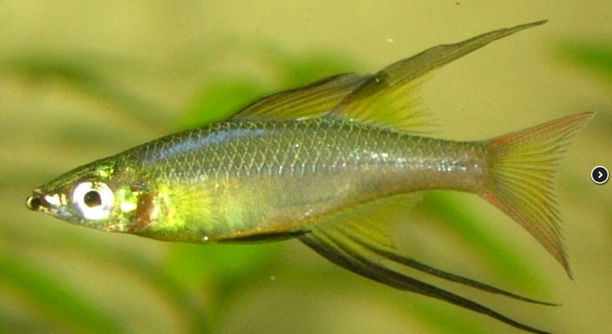
Threadfin Rainbowfish are gentle, colorful fish that bring life to any home aquarium. Observing them can be calming, but knowing when they feel safe is important for keeping them healthy and happy in their environment.
Threadfin Rainbowfish display signs of feeling safe through calm swimming patterns, bright coloration, active feeding behavior, group cohesion, and minimal hiding. These behaviors indicate low stress, environmental comfort, and stable social interactions within the aquarium setting.
Recognizing these behaviors can help you create a secure and balanced habitat for your fish, promoting their well-being and natural activity in your aquarium.
Calm and Steady Swimming
Threadfin Rainbowfish that feel safe often swim in a calm and steady manner. When I watch my own fish, I notice they glide smoothly across the tank, without sudden jerks or darting movements. This calm behavior shows they are not startled by their surroundings or other fish. The water flow in the aquarium seems to guide them naturally, and they respond to it with gentle turns. Even when I approach the tank, they do not panic or hide. They seem to know their environment is predictable and secure. Smooth swimming also helps them interact more effectively with other fish, maintaining harmony in the group. Observing this steady movement daily reassures me that my aquarium setup supports their safety and well-being. It reflects a balance between water conditions, space, and social interactions that they need to thrive. Overall, calm swimming is a clear, visible sign of contentment.
Smooth swimming patterns indicate comfort, low stress, and proper adaptation to the tank environment, highlighting the fish’s sense of security.
Noticing steady swimming early helps me prevent stress-related issues. A consistent swimming pattern often predicts good health and stable behavior.
Bright and Vibrant Colors
Threadfin Rainbowfish that feel secure display bright, vibrant colors across their bodies. When I first noticed this, it made me realize that their environment was positively affecting them. Healthy water conditions, proper nutrition, and low-stress surroundings enhance their natural pigmentation. Colors are not just beautiful—they signal wellness and a lack of fear. In a safe tank, their shades of blue, silver, and subtle red highlights intensify, creating a lively display that reflects comfort. These colors also strengthen social bonds, as fish can identify and respond to each other more easily when they are relaxed. Observing my fish over weeks, I see that their vibrancy increases when they are feeding and swimming freely without hiding, demonstrating trust in their surroundings. Bright coloration is not random—it is a reflection of confidence, health, and security within the tank environment, showing that the fish feel protected and at ease.
Bright colors indicate healthy fish that are relaxed and thriving in their tank.
Maintaining these colors involves keeping water clean, feeding a balanced diet, and ensuring compatible tankmates. Stress, overcrowding, or poor water quality can dull their colors, so observing shifts can guide timely interventions. Over time, I noticed that even small changes in tank conditions directly affected the vibrancy of my Threadfin Rainbowfish. For instance, adding extra hiding spots or adjusting the lighting subtly improved their color expression. Watching them become more vivid also allowed me to see changes in social dynamics. Fish that were timid started interacting more confidently with the group. Maintaining vibrant coloration is both an aesthetic and functional way to monitor safety and overall health. Paying attention to these changes has helped me create a more balanced, secure, and stimulating environment for my fish, which in turn supports their natural behavior and well-being.
Active Feeding Behavior
Threadfin Rainbowfish that feel safe eat readily and explore food without hesitation. When I add flakes or pellets, they swim confidently toward the surface and pick at the food, showing no signs of fear or stress.
Feeding time is always a clear indicator of comfort. My fish approach the food from all directions and compete gently without aggression. They do not scatter or hide when I move near the tank, which tells me they trust the environment and their fellow fish. Regular feeding without fear also ensures they receive proper nutrition, supporting their growth and health. I’ve noticed that when one fish hesitates, the group often waits, which reinforces their sense of security and social cohesion. Active, confident feeding is a reliable behavioral sign that the fish feel safe.
When Threadfin Rainbowfish eat openly and consistently, it confirms a healthy environment. I track this behavior daily to monitor stress and comfort levels, adjusting tank conditions as needed. Their enthusiasm during feeding times always reassures me that they feel secure and content.
Group Cohesion
Threadfin Rainbowfish that feel secure often swim closely with their group. They stick together without signs of fear or isolation, creating a balanced and harmonious school.
Watching my fish interact, I notice they maintain consistent spacing, turning in unison and responding to each other’s movements. Group cohesion reduces stress and strengthens social bonds, allowing shy individuals to feel included and protected. When one fish explores a new corner of the tank, others follow calmly, showing trust in their surroundings. Cohesion also prevents bullying and promotes smooth swimming patterns throughout the aquarium. I adjust tank decorations and swimming space to encourage this behavior, seeing immediate improvements in comfort and confidence.
Group cohesion indicates a safe environment, reflecting trust, low stress, and positive social dynamics. Observing these interactions helps me maintain a healthy balance, ensuring every fish feels secure and supported. Regularly monitoring these patterns allows me to identify potential stress triggers early, such as overcrowding or aggressive tankmates. Creating enough space, maintaining clean water, and providing hiding spots enhances cohesion, supporting both individual and group well-being. Over time, I see calmer swimming, more vibrant colors, and more confident feeding, all linked to strong social bonds.
Minimal Hiding
Threadfin Rainbowfish that feel safe spend less time hiding. In my tank, they remain visible, swimming freely among plants and decorations without seeking constant cover.
Hiding often signals stress or fear. When my fish are confident, they explore open areas and interact naturally, showing comfort in their environment.
Interaction With Tankmates
Safe Threadfin Rainbowfish interact smoothly with others. They swim together without chasing aggressively and share space evenly. Calm interactions reduce stress and maintain harmony in the group, creating a balanced social environment that encourages healthy behavior and confidence.
Exploring New Areas
Threadfin Rainbowfish that feel secure explore the entire tank. They investigate new spots and decorations without hesitation, showing curiosity and trust in their surroundings.
How can I tell if my Threadfin Rainbowfish are feeling safe?
You can tell by observing their behavior. Calm swimming, active feeding, and bright colors are all signs of comfort. In my tank, I notice that when my fish feel secure, they explore open areas confidently, interact gently with other fish, and spend less time hiding behind decorations. Group cohesion is another clear indicator. Fish that feel safe stay close to each other without aggression or fear. Minimal stress responses, like sudden darting or clinging to hiding spots, show they are comfortable in their environment. Keeping track of these behaviors daily helps me ensure my fish remain safe and healthy.
What should I do if my Threadfin Rainbowfish are hiding too much?
Hiding often signals stress or insecurity. I first check water conditions, such as temperature, pH, and cleanliness. Poor water quality can make fish anxious. Next, I look at tank decorations and space. Overcrowding or lack of open swimming areas can force them to hide. I make sure to provide gentle hiding spots while maintaining open spaces for swimming. Additionally, I observe tankmates. Aggressive or territorial fish may intimidate them. Adjusting the social dynamics often helps shy fish feel safer. Slowly introducing food near hiding spots encourages them to explore gradually. Patience is key when helping fish regain confidence.
Why do some Threadfin Rainbowfish display dull colors?
Dull colors usually indicate stress or poor health. In my experience, this can result from water quality issues, insufficient nutrition, or fear caused by aggressive tankmates. Feeding a balanced diet rich in protein and carotenoids helps restore their natural colors. Maintaining consistent water conditions, including temperature and pH, reduces stress. Providing adequate lighting can also enhance coloration without causing discomfort. I always monitor interactions between fish, ensuring the dominant ones are not intimidating others. Stress reduction often brings back vibrant colors, showing that the fish feel safe and healthy in their environment.
How often should I monitor my Threadfin Rainbowfish’s behavior?
Daily observation is best. I check swimming patterns, feeding activity, and social interactions every day. Small changes, like hiding more than usual or avoiding food, can indicate problems before they escalate. Keeping a routine allows me to notice trends in behavior and respond promptly. Regular monitoring ensures that water conditions, tank setup, and social dynamics remain optimal for the fish’s safety and comfort.
Can tank decorations affect my Threadfin Rainbowfish’s sense of security?
Yes. In my experience, a well-balanced setup provides both hiding spots and open swimming areas. Plants, rocks, and driftwood offer security while preventing overcrowding. Too many decorations can restrict movement and increase stress, while too few can leave fish feeling exposed. Adjusting the arrangement helps them feel safe and encourages natural exploration.
Do Threadfin Rainbowfish need companions to feel safe?
They are social fish. I’ve seen that they feel more secure in small groups. Swimming together reinforces confidence and reduces fear responses. However, the group size must match tank capacity to prevent overcrowding. Proper group dynamics help maintain calm, promote feeding, and encourage healthy interactions.
How can I reduce stress in my Threadfin Rainbowfish?
Maintaining stable water conditions, providing enough space, and monitoring social dynamics are key. I also limit sudden movements near the tank and avoid loud noises. Gradual changes in decorations or lighting prevent startling them. Encouraging feeding routines and observing daily behavior ensures they remain relaxed.
What are early signs of stress in Threadfin Rainbowfish?
Excessive hiding, darting, loss of color, and reduced appetite are common early signs. I also watch for isolation from the group or erratic swimming. Identifying these behaviors early allows me to adjust water quality, tankmates, or environment to restore comfort.
How long does it take for Threadfin Rainbowfish to feel safe in a new tank?
It can take a few days to a few weeks. Patience is important. I add hiding spots initially and gradually remove excess cover as they gain confidence. Observing their swimming, feeding, and social behavior helps gauge when they feel secure.
Can diet influence my fish’s sense of safety?
Yes. A nutritious diet supports health and reduces stress. I feed a mix of high-quality flakes, pellets, and occasional live food to keep my fish active and confident. Consistent feeding routines also reinforce a sense of security and stability.
What should I do if fish fight in the tank?
Separate aggressive individuals if needed. I observe interactions carefully and make sure everyone has space. Sometimes rearranging decorations or adding plants reduces territorial behavior. Ensuring proper group size and compatible tankmates helps prevent stress and maintains a safe environment for all fish.
How do I know my fish are thriving, not just surviving?
Thriving fish swim confidently, display bright colors, feed actively, and interact socially. I watch for curiosity, gentle exploration, and minimal hiding. Observing these behaviors consistently shows that the tank conditions and social setup support safety and well-being, not just survival.
Can lighting affect Threadfin Rainbowfish comfort?
Yes. Soft, consistent lighting makes them feel secure. I avoid sudden bright lights or direct sunlight. Balanced lighting enhances coloration without stressing them, allowing natural behaviors and promoting a calm environment.
How important is tank size for Threadfin Rainbowfish safety?
Very important. I provide enough space for swimming and group interactions. Overcrowding increases stress, encourages hiding, and can lead to aggression. Proper tank size supports natural movement, exploration, and comfort, ensuring the fish feel safe and secure.
What role does water quality play in fish safety?
Clean, stable water is crucial. I regularly test for ammonia, nitrites, nitrates, and pH levels. Poor water quality stresses fish, dulls colors, reduces appetite, and encourages hiding. Maintaining optimal water parameters ensures that Threadfin Rainbowfish feel safe and healthy.
Can seasonal changes affect Threadfin Rainbowfish comfort?
Yes. Temperature fluctuations or sudden environmental changes can stress fish. I maintain stable temperatures and avoid sudden changes during seasonal transitions. Gradual adjustments help them feel secure and preserve normal behavior.
How long should I observe my fish to understand their behavior?
Regular, consistent observation over days and weeks gives the best insight. I track swimming, feeding, color, and social interactions to detect patterns. This helps me identify changes in comfort and adjust tank conditions for ongoing safety and well-being.
Can introducing new fish affect safety?
Yes. New fish can create stress and disrupt group dynamics. I quarantine newcomers, introduce them gradually, and watch interactions closely. Proper introduction ensures all fish feel safe and maintain social cohesion.
What daily routine helps Threadfin Rainbowfish feel safe?
Feeding consistently, monitoring water quality, observing behavior, and maintaining decorations create stability. I keep interactions gentle and provide a calm environment. Daily routines reassure fish, reducing stress and supporting confidence in their surroundings.
How can I tell if my fish are curious and comfortable?
Curious fish explore decorations, approach food, and interact with tankmates confidently. I notice my fish investigating corners, investigating new objects, and swimming openly. This shows they feel safe, relaxed, and engaged with their environment.
What steps help maintain long-term safety for Threadfin Rainbowfish?
Consistent water quality, proper tank size, compatible tankmates, balanced diet, and gradual environmental changes are essential. I also maintain daily observation routines, ensure hiding spots with open areas, and monitor social interactions. These steps promote long-term comfort, health, and confidence for all fish.
How does social hierarchy affect Threadfin Rainbowfish safety?
A stable social hierarchy reduces conflict. I observe dominant and subordinate interactions carefully. When the hierarchy is balanced, fish feel safe, avoid excessive hiding, and interact positively. Disruptions can cause stress, so monitoring social structure is key for comfort and well-being.
Are there behavioral signs that show fish are fully secure?
Yes. Confident swimming, active feeding, vibrant colors, minimal hiding, smooth interactions, and exploration of new areas all indicate full comfort. In my tank, observing these behaviors consistently reassures me that my Threadfin Rainbowfish feel completely safe and secure.
Final Thoughts
Threadfin Rainbowfish are beautiful and active fish that can bring a lot of life to an aquarium. Observing their behavior is one of the best ways to understand how comfortable they are in their environment. Calm swimming, active feeding, bright colors, and group cohesion all show that these fish feel safe and secure. When fish feel secure, they explore their tank confidently and interact naturally with other fish. I have noticed that even small changes in water quality, tank decorations, or group dynamics can affect their sense of safety. Watching these behaviors regularly allows me to respond quickly to anything that might stress them. Ensuring that water parameters remain stable and providing enough space and hiding spots creates a balanced environment where the fish can thrive. Maintaining a clean tank and keeping a consistent feeding schedule also support their overall health and comfort.
Creating a safe and stable environment takes attention, but the results are worth it. Threadfin Rainbowfish are social and active, so providing proper tankmates, balanced nutrition, and enough room to swim is very important. I make sure the fish have places to hide but also plenty of open areas to swim freely. This combination helps them feel secure and confident. Over time, I have learned to notice small behavioral cues, such as hesitation during feeding, dull colors, or excessive hiding, which can indicate stress. Adjusting the tank setup or monitoring water quality has always helped restore their sense of safety. Consistent observation and gentle care are key to maintaining a calm and healthy aquarium. These fish are sensitive to their surroundings, so small changes can make a big difference in their comfort and well-being. By providing a stable environment, I see them thrive, showing curiosity, smooth swimming, and vibrant coloration.
Taking care of Threadfin Rainbowfish is both a responsibility and a rewarding experience. Their behavior reflects how they feel, and paying attention to these signals helps me provide the best care possible. I focus on keeping the water clean, offering a balanced diet, and observing interactions among the fish. These actions help maintain a safe and stress-free environment. Group dynamics, tank size, and decorations all play a role in ensuring they feel comfortable. Watching my fish swim confidently, explore their surroundings, and interact positively with each other is a clear sign of their well-being. When fish feel safe, they are more likely to feed actively, display natural colors, and engage in normal social behaviors. Paying attention to these details allows me to enjoy a healthy, vibrant aquarium and ensures the long-term comfort of my Threadfin Rainbowfish. Maintaining this balance takes patience and care, but the result is a thriving and lively tank that reflects the safety and happiness of the fish.

Hello,
If you enjoy the content that we create, please consider saying a "Thank You!" by leaving a tip.
Every little bit helps us continue crafting quality advice that supports the health, happiness, and well-being of pets around the world, for pets of all shapes, sizes, and species.
We really appreciate the kindness and support that you show us!