
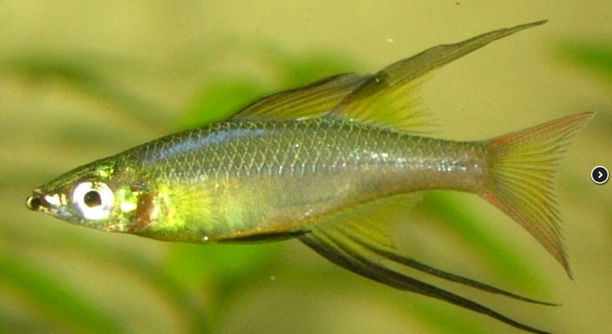
Do you ever notice your Threadfin Rainbowfish swimming alone after losing a companion in their shoal? These small, colorful fish thrive in groups and often rely on the presence of others for comfort and guidance.
When a Threadfin Rainbowfish loses a shoal mate, it may experience stress, reduced activity, and changes in feeding behavior. Social dynamics are disrupted, affecting its sense of safety and overall well-being in the aquarium environment.
Adjusting the tank setup and observing behavior closely can help ensure the remaining fish remain healthy and balanced in their social interactions.
Understanding Shoal Behavior
Threadfin Rainbowfish are naturally social and gain security from being in a group. When one fish is removed or dies, the remaining fish often display hesitancy in swimming and may stick close to hiding spots. This behavior is a protective response, as their instincts tell them that isolation increases risk. Changes in activity levels, such as reduced exploration or slower movements, are common. Feeding patterns can also shift; some fish may eat less or become more cautious around food. Over time, the stress can affect coloration and overall vitality. Observing these subtle changes is important for maintaining a healthy aquarium, as timely intervention can reduce long-term impacts. Introducing new shoal members carefully can help reestablish balance, but it should be done gradually to avoid further stress. Even minor environmental changes, like rearranging plants or decorations, can influence how fish cope with the loss of a shoal mate.
Shoal members communicate through body movement and positioning. Losing one disrupts this communication, causing confusion and anxiety.
To restore harmony, adding compatible fish and monitoring interactions is key. Providing hiding spots and consistent feeding schedules can reduce stress. Over time, fish adapt, but patience is essential. Maintaining water quality and avoiding sudden changes helps them regain confidence. Observing behavior closely allows adjustments if aggression or shyness arises, ensuring a stable social environment. Small steps, like gradual introductions and keeping similar-sized fish together, improve comfort. Consistency in lighting and routine helps fish feel secure, encouraging normal activity. Attention to detail ensures the remaining shoal continues healthy growth and vibrant behavior. With careful management, Threadfin Rainbowfish can regain social stability and reduce long-term stress effects.
Signs of Stress After Losing a Shoal Mate
Stress in Threadfin Rainbowfish can appear subtly, such as hiding, reduced swimming, or changes in appetite.
Common responses include lethargy, color dulling, and occasional erratic movements. These behaviors indicate discomfort and the need for observation. Feeding should remain consistent, and environmental stability is crucial.
Stress affects immune function and growth. Fish that are isolated or losing shoal members may become more prone to disease and less responsive to stimuli. Over time, their interactions with tank mates may change, showing increased aggression or fearfulness. Recognizing these signs early allows you to implement corrective measures, such as adding compatible companions or enhancing hiding areas. Adjusting water parameters and maintaining a calm, consistent environment helps reduce tension. Regular observation ensures that subtle shifts in behavior are not overlooked, allowing interventions before serious health issues develop. Creating a balanced and enriched environment supports recovery, promoting normal social patterns and overall vitality. Understanding these stress indicators is essential for sustaining the well-being of Threadfin Rainbowfish in a home aquarium.
Adjusting the Aquarium Environment
Adding plants and decorations gives the remaining fish places to hide and explore, which reduces stress and encourages normal activity. Consistent lighting and stable temperatures also support their sense of security.
Providing extra cover and visual barriers helps Threadfin Rainbowfish feel safe. When a shoal mate is lost, fish may cluster together or stay near the bottom of the tank. Adding tall plants, driftwood, or rocks creates spaces where fish can retreat if they feel anxious. This also helps reduce direct line-of-sight, which lowers competition and tension among remaining fish. Small changes, like rearranging ornaments slowly or adding new hiding spots gradually, can improve confidence and encourage swimming. A calm environment allows them to rebuild social patterns, regain normal feeding habits, and recover from stress without aggressive interactions. Observing their movements daily helps identify if further adjustments are necessary.
Monitoring water quality is critical during periods of stress. Sudden shifts in pH, temperature, or ammonia levels can exacerbate anxiety and impact immune response. Keeping the tank clean and stable reduces the likelihood of secondary health problems. Water changes should be gradual, avoiding drastic alterations that could disturb the remaining fish. Using a gentle filter flow prevents additional stress while maintaining oxygen levels. Paying attention to these environmental factors supports recovery and overall well-being, helping Threadfin Rainbowfish regain balance in their social structure and daily routines.
Introducing New Shoal Members
New fish should be introduced slowly to avoid further stress and aggression in the tank.
Quarantine new fish for at least two weeks to ensure they are healthy. Once cleared, introduce them gradually, allowing visual contact before direct interaction. Place them in a separate container inside the tank for a few days so existing fish can get used to their presence. Observe behavior carefully during this period, watching for signs of aggression or excessive hiding. Introducing one or two compatible fish at a time is best to maintain balance. Matching size, temperament, and species compatibility helps create a stable shoal. Provide plenty of hiding spots to give all fish options for retreat. Feeding should be monitored closely to ensure no fish is excluded. Gradually integrating new members allows the original shoal to regain confidence and reestablish social harmony.
Maintaining a consistent routine is essential when adding new fish. Feed at the same times each day, keep lighting schedules regular, and avoid sudden tank changes. This consistency reassures the original fish while helping newcomers adjust. Monitor water quality carefully, as new fish can produce additional waste. Use gentle filtration and avoid strong currents that may stress timid fish. Encourage interaction without forcing it, and keep an eye on behavior during the first few weeks. If any signs of illness, aggression, or prolonged hiding appear, adjust placement or provide extra cover. Over time, patience and careful observation will allow the shoal to settle into a healthy, balanced social structure.
Feeding Adjustments
Offer smaller, more frequent meals to encourage eating when a shoal mate is lost. This helps reduce competition and ensures each fish gets enough nutrition.
Observing feeding behavior is important. Some fish may become hesitant to eat or may eat less when stressed, so keeping meals consistent supports recovery and energy levels.
Behavioral Changes
Loss of a shoal mate can lead to noticeable changes in swimming patterns. Fish may linger near tank edges or hide more often, showing increased caution. Their interactions with remaining tank mates may shift, sometimes becoming more aggressive or unusually timid, reflecting social imbalance and anxiety.
Monitoring Health
Check for signs of illness or stress-related issues regularly. Changes in color, appetite, or activity can indicate underlying problems.
FAQ
How long does it take for a Threadfin Rainbowfish to adjust after losing a shoal mate?
Adjustment varies depending on the fish’s personality, age, and environment. Typically, minor behavioral changes may last a few days, while full recovery of normal activity and feeding patterns can take one to three weeks. Providing a stable environment and additional hiding spots can shorten this adjustment period. Consistent feeding and water quality also play a critical role. Patience is essential, as forcing interactions or rushing new introductions may prolong stress. Observing daily behavior ensures any lingering signs of anxiety or aggression are addressed promptly, helping the fish regain confidence.
Will adding new shoal members help immediately?
New fish can help restore social balance, but the introduction must be gradual. Quarantine new arrivals for at least two weeks before introducing them visually in the main tank. Afterward, allow existing fish to acclimate to their presence while still separated physically. Direct interaction should be monitored closely, and hiding spots should be available. Immediate full integration can increase stress, so patience is key. Gradual additions over time, matching size and temperament, help the original fish feel secure and rebuild social structure effectively.
What are the most common signs of stress in Threadfin Rainbowfish?
Stress often shows through changes in swimming patterns, such as staying near the bottom, hiding, or swimming erratically. Appetite may decrease, and fish may ignore food or feed less aggressively. Color fading or dulling is another indicator, as well as increased aggression or heightened shyness toward other tank mates. Physical signs like clamped fins or lethargy also suggest stress. Monitoring these behaviors helps identify when interventions, such as environmental adjustments or gradual social reintroduction, are necessary to support recovery and maintain overall health.
How can I reduce stress without adding new fish?
Environmental enrichment helps significantly. Adding plants, driftwood, or rocks creates hiding spots and breaks up sightlines, giving fish a sense of security. Maintaining stable water parameters and consistent feeding schedules reduces anxiety. Gentle water flow and consistent lighting support a calm atmosphere. Observing fish behavior and making small adjustments gradually is more effective than sudden changes. Sometimes, simply improving tank structure and maintaining routine routines can allow the remaining fish to regain confidence and resume normal social interactions, even without immediately introducing new companions.
Can stress affect long-term health?
Yes, prolonged stress weakens the immune system, making fish more susceptible to disease and infections. Reduced feeding and activity can also affect growth and vitality. Behavioral changes may become persistent, impacting social dynamics and overall well-being. Maintaining a stable environment and monitoring behavior closely are essential to prevent long-term effects. Addressing stress promptly helps maintain normal coloration, feeding habits, and social interactions, ensuring the fish remain healthy and active in the tank.
Is it better to keep a single Threadfin Rainbowfish alone or add new members?
Threadfin Rainbowfish are social by nature and thrive in groups. Keeping one alone is not recommended, as it can lead to chronic stress, reduced activity, and health problems. Introducing compatible shoal members gradually improves social structure and overall well-being. Even a pair or trio is better than leaving one fish isolated, as social interactions are critical for their natural behavior, feeding, and mental stimulation. Providing an enriched environment supports this transition and ensures the shoal adapts smoothly to the new dynamics.
What should I do if the remaining fish refuses to eat?
Offer small, frequent meals and try different types of food, such as live or frozen options. Providing safe hiding spots near feeding areas can help timid fish feel secure while eating. Avoid chasing or stressing them, as pressure can reduce appetite further. Consistent routines and gradual observation will often restore normal feeding habits. Patience is key, as some fish take several days or even a week to regain confidence in their surroundings and resume regular feeding patterns.
How can I tell if a new fish is compatible with my Threadfin Rainbowfish?
Compatibility depends on size, temperament, and activity level. New fish should be similar in size to reduce aggression. Calm, non-territorial species are ideal. Avoid overly aggressive or very shy fish, as this can disturb the existing social balance. Observe behavior closely during initial introductions. If signs of stress or fighting appear, provide additional hiding spots or separate the new fish temporarily. Gradual integration allows the shoal to adapt safely while maintaining harmony.
Do environmental changes help recover after losing a shoal mate?
Yes, small adjustments like adding plants, rearranging decorations, or creating visual barriers can significantly reduce stress. These changes provide hiding spots, encourage exploration, and restore a sense of security. Avoid sudden or drastic modifications, as they may increase anxiety. Gradual, thoughtful adjustments support recovery and help remaining fish regain confidence in their surroundings.
How often should I monitor behavior after losing a shoal mate?
Daily observation is recommended, especially in the first few weeks. Watch for changes in swimming patterns, feeding, or color. Early detection of stress or aggression allows prompt intervention. Keep notes of behavior to track progress and respond to any issues before they escalate. Consistent monitoring ensures the remaining fish adjust well and maintain good health over time.
Final Thoughts
Losing a shoal mate can be a challenging experience for Threadfin Rainbowfish. These fish rely heavily on the presence of others for comfort, guidance, and social interaction. When one is removed, the remaining fish may show subtle or obvious changes in behavior. They may hide more often, swim less actively, or appear hesitant during feeding. Even minor changes can indicate stress, which affects overall health and well-being. Observing fish closely during this time is important, as it allows you to notice early signs of anxiety or imbalance. Simple interventions, such as adding hiding spots or adjusting the environment, can make a big difference in helping them feel secure and more confident in their surroundings.
Adjusting the aquarium environment is one of the most effective ways to support fish after losing a shoal mate. Plants, rocks, and other decorations provide spaces to retreat and reduce tension. Stable water conditions, including temperature, pH, and cleanliness, are critical for maintaining health. Sudden changes should be avoided, as they can increase stress rather than alleviate it. Feeding schedules should remain consistent, and offering small, frequent meals can help fish regain appetite and energy. Gradual introduction of new shoal members is another strategy, but it should be done carefully to avoid adding more stress. Even without adding new fish, thoughtful environmental management can help remaining fish restore normal social behaviors and maintain activity levels.
Patience is key throughout this process. Recovery is not immediate, and each fish may respond differently depending on personality, age, and prior experiences. Daily observation helps track progress and identify any ongoing issues. Over time, fish typically regain their confidence, resume normal swimming patterns, and reestablish social balance. Paying attention to stress indicators, maintaining a stable environment, and introducing changes slowly ensures the remaining shoal remains healthy and vibrant. By understanding their needs and responding thoughtfully, it is possible to support Threadfin Rainbowfish through the loss of a shoal mate, promoting long-term well-being and a harmonious aquarium environment.

Hello,
If you enjoy the content that we create, please consider saying a "Thank You!" by leaving a tip.
Every little bit helps us continue crafting quality advice that supports the health, happiness, and well-being of pets around the world, for pets of all shapes, sizes, and species.
We really appreciate the kindness and support that you show us!