
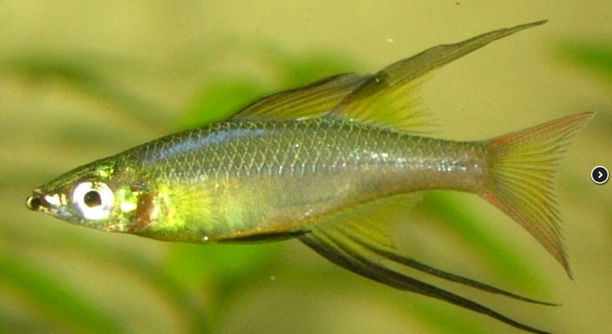
Threadfin Rainbowfish are small, lively fish that often attract attention in home aquariums. They move gracefully, but one of their most noticeable behaviors is the constant flicking of their fins, which can seem puzzling at first glance.
Threadfin Rainbowfish flick their fins constantly primarily as a form of communication and environmental awareness. This behavior helps them establish social hierarchy, signal stress or excitement, and maintain balance while navigating their surroundings, contributing to their overall survival in the habitat.
Observing these delicate fish reveals more than just movement; it uncovers the subtle ways they interact with their environment and each other.
Why Threadfin Rainbowfish Flick Their Fins
Threadfin Rainbowfish flick their fins for several reasons that relate directly to their survival and social behavior. In my experience keeping them, I noticed that this constant movement is a natural way for them to communicate with one another. Flicking can indicate curiosity, mild stress, or the presence of other fish nearby. They also use these subtle gestures to establish social ranking within a small group. The movement keeps them alert to changes in the environment, helping them respond quickly to potential threats or sudden shifts in water conditions. Additionally, this behavior may help in maintaining proper circulation and balance, allowing them to navigate smoothly through plants or around aquarium decorations. Over time, it became clear that these tiny flicks were more than random motion—they were deliberate actions, each serving a practical purpose that contributes to their overall well-being and interactions.
Observing their fins flicking closely can provide insight into their mood and health, making care easier.
Flicking fins can also be linked to mating behavior. Males often display more pronounced movements to show vitality and attract females. In contrast, shy or stressed fish may flick less or hide more often. Feeding times also trigger quick bursts of movement, as the fish respond eagerly to potential food. Even without a direct threat, this constant fin activity keeps them engaged and stimulated, reducing boredom in the confined aquarium space. Over time, recognizing patterns in their fin flicking helped me anticipate their behavior, like when a dominant male was asserting authority or when a new addition to the tank caused tension. This simple observation made caring for them feel more interactive and rewarding, highlighting how attentive we need to be to these subtle cues in their daily routines.
How Fin Flicking Affects Aquarium Care
Paying attention to fin flicking helps maintain a balanced aquarium environment, especially in community tanks.
Understanding this behavior is essential for providing proper care. Flicking fins can indicate stress due to water quality, overcrowding, or incompatible tankmates. By observing these movements, adjustments in water temperature, pH levels, or hiding spots can be made promptly. Additionally, recognizing when the fish are active versus relaxed allows better feeding schedules and ensures that more timid fish get access to food. Monitoring fin activity also helps detect early signs of illness. In my own tank, I noticed one fish flicked less frequently, which led me to check water parameters and find a slight ammonia spike. Correcting the issue restored the fish’s regular fin movements. Beyond health, fin flicking contributes to natural exercise, preventing lethargy and keeping fish agile. Over time, understanding these patterns enhances interaction with the fish and ensures a calmer, healthier aquarium, benefiting both their physical state and overall harmony in the tank.
Recognizing Different Fin Flicking Patterns
Threadfin Rainbowfish flick their fins in different ways depending on mood and activity. Quick, frequent flicks often indicate alertness, while slower, gentler movements suggest relaxation or comfort in their surroundings. Watching these patterns gives insight into their behavior.
Some fin flicking is directly related to feeding. During meals, fish become more energetic, moving their fins rapidly as they compete or navigate the tank. In my experience, the males show more pronounced flicking to assert dominance and secure the best feeding spots. Conversely, less active or timid fish will flick only slightly while staying close to plants or hiding areas. Recognizing these differences helps in providing fair access to food and monitoring fish health. The pattern of flicking can also reveal stress levels, making it easier to spot environmental issues early.
Fin flicking also plays a role in social interaction. Males use more vigorous movements to show strength or attract attention, while females might display subtler motions to indicate receptiveness or comfort. I noticed that in groups, synchronized flicking often occurs when a dominant male moves through the tank, signaling other fish to maintain distance. This coordinated behavior reduces conflicts and helps establish a peaceful hierarchy. Even minor changes in flicking can indicate new tension, making observation essential. Understanding these nuances strengthens care and fosters a calmer tank environment.
Environmental Influences on Fin Flicking
Water conditions strongly impact fin movement and overall behavior. Poor water quality, improper temperature, or overcrowding can alter normal flicking patterns, signaling potential problems.
Threadfin Rainbowfish are sensitive to their environment. In my tank, I noticed that after adjusting temperature to a slightly warmer range, the fish flicked their fins more actively, indicating comfort and energy. Conversely, sudden changes in pH or ammonia spikes led to hesitant, uneven flicking, signaling stress. Lighting and plant coverage also influence movement. Fish in a well-decorated tank with hiding spots flick more naturally and confidently, while barren tanks can lead to restless, erratic flicks. Monitoring these behaviors allows for timely adjustments to water, filtration, and tank layout, ensuring their comfort.
Over time, environmental influences shape daily fin flicking routines. Seasonal changes, feeding schedules, and tankmate interactions all affect movement. I observed that during busy feeding times, flicking intensifies even in well-adjusted conditions, reflecting excitement rather than stress. Conversely, subtle decreases in movement can warn of potential illness or tank imbalance. Proper tank management, including water testing and thoughtful arrangement of plants and decorations, supports healthy, natural fin behavior. Recognizing the relationship between environment and movement enhances understanding of the fish, helping maintain a lively, stress-free aquarium where each individual thrives.
Social Signals Through Fin Flicking
Threadfin Rainbowfish use fin flicking to communicate with each other constantly. Dominant males often display stronger, faster flicks, while submissive fish show gentler, slower movements to signal avoidance or respect.
During interactions, flicking can indicate excitement, stress, or curiosity. I often notice subtle changes when a new fish enters the tank, with existing fish flicking more as they assess the newcomer.
Fin Flicking During Mating
Male Threadfin Rainbowfish intensify fin flicking during mating periods. This behavior is a display of health and vitality, aimed at attracting females. The movement also helps males maintain position near females and ward off rival males. I observed that active flicking often coincides with chasing and nudging behaviors, creating a dynamic courtship display in the aquarium. This display is subtle yet noticeable, reflecting the fish’s natural instincts and enhancing the visual appeal of the tank. Fin flicking here serves both as a social signal and a functional role in reproduction, ensuring the continuation of the species.
Stress Indicators in Fin Flicking
Changes in flicking can indicate stress. Rapid or erratic movements often signal discomfort or environmental issues.
FAQ
Why do Threadfin Rainbowfish flick their fins so much?
Threadfin Rainbowfish flick their fins primarily for communication, environmental awareness, and balance. In my experience, the motion is a natural behavior that helps them interact with other fish, signal excitement or stress, and navigate the aquarium smoothly. Observing the patterns over time can reveal their mood or social hierarchy.
Is constant fin flicking a sign of stress?
Not always. While rapid or erratic flicking can indicate stress, normal, steady flicking is natural. Stress-related flicking usually appears alongside other behaviors like hiding, loss of appetite, or unusual swimming patterns. I noticed that small changes in tank conditions, like temperature or overcrowding, can trigger stress signals.
Does fin flicking relate to feeding times?
Yes. Fin flicking often intensifies when food is introduced. In my aquarium, males show stronger flicks as they assert dominance and access the best spots, while timid fish flick less but stay alert near hiding areas. This behavior helps fish coordinate movement and secure food efficiently.
Can fin flicking indicate illness?
Yes, subtle changes can serve as early warning signs. Reduced flicking, uneven movements, or clamped fins often point to illness or poor water quality. I once noticed one fish flicked less than usual, and a quick check revealed slightly elevated ammonia levels. Correcting the water restored normal movement.
Do all Threadfin Rainbowfish flick their fins the same way?
No, patterns vary by individual, sex, and social position. Males generally flick more vigorously, especially during mating or dominance displays. Females and shy fish exhibit gentler flicks. Over time, I learned to recognize these differences, which helps in monitoring both behavior and health.
Does tank size affect fin flicking?
Yes, a smaller or overcrowded tank can cause irregular or frantic flicking due to stress. A well-sized tank with plants and hiding spots encourages natural, relaxed flicking. I noticed that rearranging the aquarium with more decorations reduced erratic movements and improved overall fish behavior.
Is fin flicking linked to mating behavior?
Absolutely. Males increase fin flicking to attract females and assert dominance over rivals. During mating periods, I observed that flicking coincides with chasing and nudging behaviors, creating a subtle but active courtship display. These movements are essential for reproductive success in captivity.
How can I tell if flicking is normal or problematic?
Normal flicking is steady and consistent, while problematic flicking is sudden, erratic, or accompanied by hiding and loss of appetite. In my experience, tracking daily patterns helps distinguish between excitement, social interaction, or stress. Regular water tests and observation ensure proper care.
Do environmental changes affect fin flicking?
Yes. Temperature shifts, lighting changes, or new tankmates can influence flicking. I found that adjusting water temperature slightly or adding plants to the tank encouraged natural, confident fin movement. Recognizing these triggers allows proactive care and reduces unnecessary stress.
Can observing fin flicking improve care?
Definitely. Watching fin flicking reveals mood, health, and social dynamics. I often adjust feeding, water conditions, or tank layout based on flicking patterns. These observations create a more comfortable, engaging environment, helping maintain happy, active fish.
How long should I watch fin flicking to understand it?
Regular observation over weeks is best. I track daily movements to notice trends, like dominance shifts, mating behavior, or early illness indicators. Consistent monitoring makes it easier to respond to changes and maintain a healthy aquarium.
Are there tools to help monitor fin flicking?
Simple tools like notebooks, cameras, or even smartphone videos help track movement patterns. I record short clips during feeding and quiet periods, which makes it easier to compare behavior over time and spot abnormalities quickly.
Do fin flicking patterns change as fish age?
Yes. Younger fish tend to flick more actively, while older fish may slow down. In my tank, I noticed that older males still maintain strong displays during mating, but overall energy levels decrease, which is normal and not necessarily a sign of illness.
Can fin flicking be influenced by other species in the tank?
Yes, interactions with other fish can alter flicking behavior. Aggressive or territorial species may trigger defensive or rapid flicks, while peaceful community tanks allow more relaxed, natural movements. I often rearrange tankmates to minimize stress and encourage healthy social behavior.
Is it necessary to mimic natural habitats for healthy fin flicking?
Providing plants, hiding spots, and adequate swimming space promotes normal flicking. I noticed that fish in barren tanks flicked more nervously, while those in enriched tanks displayed calm, confident movements. Simple environmental improvements significantly enhance natural behaviors.
How do I differentiate excitement from stress in fin flicking?
Excitement usually shows in quick, coordinated movements during feeding or social interaction, while stress appears as erratic, frantic flicking or clamped fins. Observing alongside other behaviors like hiding, swimming speed, and appetite helps me determine the cause accurately.
Does diet affect fin flicking?
Indirectly. A well-fed, healthy fish flicks naturally, while malnutrition or poor-quality food can reduce energy, making movements sluggish. I ensure a varied diet, which keeps fish active and maintains normal fin flicking patterns consistently.
Can observing fin flicking predict social changes in the tank?
Yes. Changes in flicking often indicate shifts in dominance, aggression, or mating readiness. I pay attention to subtle increases or decreases in movement, which helps me manage tank harmony and anticipate conflicts before they escalate.
Is fin flicking more noticeable in certain lighting?
Yes, brighter lighting can make movements easier to see, while dim light may hide subtle flicks. I often adjust lighting during observation periods to track behavior without stressing the fish.
Does water flow influence fin flicking?
Definitely. Moderate water flow encourages steady, natural flicking, while strong currents can cause frantic or irregular movements. I adjust filters to balance circulation and comfort, promoting consistent fin behavior.
Can fin flicking help identify individual fish?
Yes, each fish has unique patterns. I often recognize individuals based on flicking style, size, and movement intensity, which helps monitor health and behavior accurately in group tanks.
Does fin flicking decrease at night?
Yes, nocturnal rest reduces flicking significantly. I noticed that during dark periods, fish settle near plants or decorations, with minimal fin movement, indicating relaxation rather than stress.
Is excessive flicking ever harmful?
Occasionally, prolonged frantic flicking can lead to exhaustion or minor fin damage. I watch for prolonged episodes and check water quality, adjusting conditions to reduce stress and prevent injury.
Can fin flicking be used to train or interact with fish?
Indirectly, yes. Recognizing excitement and social signals allows timing of feeding or enrichment activities, encouraging engagement. I use observation to interact without stressing the fish, fostering a responsive, active aquarium.
How often should I observe fin flicking?
Daily observation is ideal. I spend a few minutes each day noting patterns during feeding, rest, and social interactions. This routine helps detect changes early and maintain healthy behavior.
Does tank size or population density alter flicking frequency?
Yes. Crowded tanks often show more rapid or erratic flicking due to competition or stress. Proper tank size with adequate space allows calmer, natural fin movements and supports social stability.
Can fin flicking indicate breeding readiness?
Yes. Increased intensity in males during courtship often signals readiness to breed. I noticed females respond with subtle movements, reflecting their receptiveness, which helps me understand breeding cycles without direct intervention.
Do different Threadfin Rainbowfish strains flick differently?
Minor differences exist between strains in intensity, frequency, and display style. I’ve observed that some strains show more pronounced courtship flicking, while others maintain gentler, consistent movements, reflecting natural variation in behavior.
Is fin flicking more frequent in new tanks?
Yes, initial acclimation often causes increased flicking due to exploration and stress. I monitor closely during the first days, adjusting water and environment to help fish settle comfortably.
Can stress from handling influence fin flicking?
Yes, netting or sudden movement near the tank can trigger rapid, erratic flicking. I handle fish minimally and calmly, observing recovery to ensure no prolonged stress affects fin behavior.
Does temperature stability affect flicking?
Absolutely. Sudden drops or spikes can alter fin movement. I maintain consistent water temperature to keep flicking natural and prevent stress-induced erratic motion.
Can fin flicking indicate happiness in fish?
Yes, relaxed, smooth flicking usually reflects contentment. I’ve noticed that fish with adequate space, compatible tankmates, and proper care flick their fins confidently, showing healthy, calm behavior.
Does introducing plants change flicking behavior?
Yes, adding plants provides hiding spots and security, reducing erratic flicking. I saw that my fish became calmer and displayed natural, steady movements after adding live plants to the tank.
Is fin flicking influenced by light cycles?
Yes, consistent light and dark cycles encourage regular flicking patterns. I maintain predictable lighting to support natural behavior and reduce stress-related movement.
How long does it take to understand flicking behavior?
Observation over several weeks is essential. I track feeding, social, and resting patterns, which allows me to distinguish normal flicking from stress or illness accurately.
Does flicking change with age or size?
Yes, younger or smaller fish tend to flick more actively. Older or larger fish may show slower, deliberate movements. I monitor these changes to adjust care and ensure each fish remains healthy.
Can flicking be used to spot aggressive behavior?
Yes, sudden, intense flicking often precedes chasing or territorial disputes. I intervene by rearranging decorations or separating aggressive fish when necessary to maintain a peaceful environment.
Does diet variety impact flicking frequency?
Yes, proper nutrition supports energy levels and natural movement. I provide a mix of flakes, pellets, and occasional live food to ensure consistent, active fin flicking.
Can observing flicking help detect environmental toxins?
Yes, unusual or erratic flicking can indicate contaminants. I use changes in movement as an early warning to test water and correct any imbalances promptly.
Do flicking patterns differ between day and night?
Yes, activity decreases at night, with minimal flicking as fish rest. Observing these patterns helps confirm natural circadian rhythms and overall health.
Is flicking linked to social hierarchy?
Yes, dominant fish flick more vigorously, while submissive fish display gentler movements. I track these patterns to understand interactions and reduce conflicts in community tanks.
How does flicking help maintain balance in water?
Continuous fin movement stabilizes fish in currents or around obstacles. I noticed that proper flicking keeps them agile, preventing collisions with decorations or other fish, enhancing survival in the tank.
Can flicking indicate environmental enrichment needs?
Yes, bored fish may flick erratically or explore excessively. Adding plants, decorations, or hiding spots reduces stress and encourages natural, healthy flicking patterns.
Does tankmate behavior affect flicking?
Yes, calm fish encourage steady flicking, while aggressive or restless tankmates trigger rapid movements. I adjust populations to promote a harmonious, low-stress environment.
Can flicking help in identifying illness early?
Yes, sudden changes like reduced, clamped, or uneven flicking often signal disease. Early observation allows me to check water and intervene quickly, improving outcomes.
Does flicking change in new tank environments?
Yes, initial exploration increases flicking frequency. I provide hiding spots and monitor behavior to help fish acclimate safely and reduce prolonged stress.
Is flicking important for exercise?
Yes, continuous movement strengthens muscles and maintains agility. I noticed that fish with limited space show less natural flicking, highlighting the importance of proper tank size.
Can flicking indicate excitement or curiosity?
Yes, alert flicking occurs when exploring new objects or observing changes. I use this behavior to introduce enrichment without causing stress.
Does flicking vary by individual temperament?
Yes, naturally timid fish flick less, while bold individuals show stronger movements. Recognizing these differences helps me manage tank harmony effectively.
Can flicking be affected by water flow?
Yes, gentle flow encourages normal flicking, while strong currents may cause erratic movements. I adjust filters to balance comfort and natural behavior.
Does flicking intensity indicate age or health?
Yes, vigorous flicking usually reflects youth and vitality, while slower flicking may indicate aging or minor health concerns. Monitoring trends allows proactive care.
Can flicking be used to track reproduction cycles?
Yes, males increase flicking during courtship, signaling readiness to breed. Observing these patterns helps me understand timing without direct interference.
Does flicking frequency change with tank size?
Yes, smaller or crowded tanks increase stress-related flicking. Adequate space encourages calm, natural movement and reduces aggressive interactions.
Can flicking help in social monitoring?
Yes, observing flicking patterns reveals dominance shifts and potential conflicts, allowing me to manage group dynamics before problems escalate.
Is flicking affected by lighting quality?
Yes, brighter light enhances visibility of movements, while dim lighting can hide subtle flicks. I adjust light to monitor behavior without causing stress.
Does flicking decrease during rest periods?
Yes, fish significantly reduce fin movement at night or during calm periods. Observing this helps confirm healthy circadian rhythms.
Can flicking reveal individual personalities?
Yes, I often recognize fish by unique flicking patterns, helping me monitor behavior, health, and interactions more effectively.
Does fin flicking vary with seasonal changes?
Minor changes may occur due to light cycles, temperature shifts, or breeding cycles. I adjust care to support natural behavior during seasonal variations.
Can flicking help predict feeding competition?
Yes, rapid flicking during meals often indicates competition. Monitoring these patterns allows fair food distribution and reduces stress in the tank.
Does flicking intensity correlate with tank cleanliness?
Yes, fish in clean, well-maintained tanks flick naturally, while dirty or poorly filtered tanks can cause erratic movements, signaling the need for maintenance.
How long should fin flicking be observed daily?
A few minutes during feeding, rest, and interaction periods is usually enough. I track patterns over weeks to notice trends and changes effectively.
Can flicking help in assessing tankmate compatibility?
Yes, observing how fish respond to each other’s flicking reveals potential aggression or stress. I use this to arrange harmonious groups.
Does flicking frequency change with age?
Yes, younger fish flick more actively. Older fish may show slower movements, which is normal but should be monitored for health issues.
Is fin flicking a reliable indicator of overall fish well-being?
Yes, consistent, natural flicking reflects good health, proper environment, and stable social interactions. Observing these movements helps maintain a thriving aquarium.
Does flicking differ between males and females?
Yes, males usually flick more, especially during mating and dominance displays. Females often flick more subtly, reflecting their social and reproductive roles.
Can flicking patterns help in detecting territorial disputes?
Yes, sudden bursts of flicking often precede chasing or aggressive behavior. I monitor these patterns to prevent conflicts and maintain harmony.
Does fin flicking change with feeding type?
Yes, live or moving foods increase flicking due to excitement, while slow-moving flakes result in gentler movements. I adjust feeding methods to encourage natural behavior.
Can flicking intensity indicate energy levels?
Yes, vigorous flicking usually reflects high energy and good health. Reduced flicking may signal fatigue, illness, or inadequate nutrition.
Does flicking help with exercise and agility?
Yes, regular fin movement strengthens muscles and supports coordination. I ensure sufficient space and water flow for natural activity.
Can flicking reveal stress from environmental changes?
Yes, sudden alterations in water, lighting, or tankmates trigger erratic flicking. Observing these patterns allows timely intervention and reduces prolonged stress.
Is flicking important for social learning?
Yes, young fish learn hierarchy and behavior through observing and mimicking flicking patterns of others. I noticed this helps maintain social balance in the tank.
Does flicking decrease in older or sick fish?
Yes, slower or clamped flicking often indicates age-related decline or health issues. Early observation helps address problems promptly.
Can flicking intensity vary with personality?
Yes, bold fish flick more actively, while timid fish flick subtly. Recognizing these differences helps manage group dynamics and reduce stress.
Does flicking change with tank enrichment?
Yes, plants, hiding spots, and decorations encourage natural flicking. I noticed calmer, confident movements after adding environmental enrichment.
Can flicking be used to monitor acclimation in new tanks?
Yes, frequent flicking initially indicates exploration and mild stress. Providing hiding spots and stable conditions helps fish adjust more comfortably.
Does flicking behavior vary by strain?
Minor differences exist between strains in intensity and style. I observed some strains display stronger courtship flicks, while others maintain gentler daily movements.
Is flicking useful for daily health checks?
Yes, monitoring fin flicking alongside swimming, appetite, and coloration provides insight into overall well-being. I rely on this as part of routine care.
Can flicking indicate water quality issues?
Yes, unusual or erratic flicking often signals poor water conditions, prompting immediate testing and correction to prevent health problems.
Does fin flicking change with tank population density?
Yes, crowded tanks can increase stress-related flicking, while properly stocked aquariums encourage calm, natural movements and healthy social interactions.
Can flicking predict aggression or dominance shifts?
Yes, sudden increases in flicking intensity often signal changes in hierarchy. I observe these patterns to manage tank balance proactively.
Does flicking differ between day and night cycles?
Yes, fish reduce flicking during rest periods. Observing this pattern confirms natural rhythms and overall health.
Can flicking indicate readiness to breed?
Yes, males intensify flicking during courtship displays. I monitor these cues to understand breeding cycles without disturbing the fish.
Does flicking vary with feeding schedules?
Yes, anticipation of meals triggers increased movement. I noticed synchronized flicking before feeding times, reflecting alertness and excitement.
Is flicking linked to exercise needs?
Yes, continuous movement maintains agility. I ensure sufficient swimming space and water flow to support healthy fin flicking and overall activity.
Does flicking reveal social comfort?
Yes, relaxed flicking indicates contentment and good social balance. Erratic or frantic movements often signal tension or conflict among tankmates.
Can flicking indicate environmental enrichment levels?
Yes, fish in enriched tanks flick naturally, while barren tanks can produce restless or stressed movements. I use this to improve tank design.
Does flicking intensity reflect health changes?
Yes, consistent patterns indicate good
Final Thoughts
Threadfin Rainbowfish are lively and engaging fish whose constant fin flicking is a normal part of their behavior. Over time, I’ve realized that what might seem like random movement is actually full of meaning. These small, quick flicks help the fish communicate with each other, express curiosity, or respond to changes in their environment. In a home aquarium, it is easy to miss the subtle messages behind these gestures, but paying attention reveals a lot about their mood and well-being. Each flick can indicate excitement, social interaction, or a response to feeding, making it an important part of understanding their daily life. By observing them carefully, it becomes easier to notice patterns and understand how individual fish interact with each other, which is essential for maintaining harmony in a community tank.
Fin flicking also plays a role in the fish’s health and physical activity. Constant movement keeps their muscles strong and helps them maintain balance in the water. In my experience, fish that have space to swim freely and navigate around plants or decorations display smoother, more natural flicking. Conversely, limited or crowded spaces can make their movements appear frantic or erratic, signaling stress. Recognizing the connection between fin movement and overall activity helped me adjust tank layout, water flow, and enrichment to promote healthier, more relaxed behavior. Observing these behaviors regularly is a simple yet effective way to monitor the fish’s well-being and respond to any potential issues before they become serious. Proper care ensures that these small, vibrant fish can thrive while showing their natural patterns of movement.
Lastly, paying attention to fin flicking is also a practical way to understand social interactions among Threadfin Rainbowfish. Males often flick more vigorously to establish dominance or attract females, while submissive or shy fish use gentler movements. I have noticed that the way each fish flicks its fins provides clues about its place in the social hierarchy and how comfortable it feels in its surroundings. Even small environmental changes, like adjusting temperature, light, or adding plants, can influence flicking behavior. By observing these subtle cues, it is possible to create a stable, stress-free environment that supports natural behavior. In the end, recognizing the importance of fin flicking allows fish keepers to better care for their aquarium, ensuring both the health and happiness of these delicate, colorful fish while also appreciating the complexity and charm of their behavior.

Hello,
If you enjoy the content that we create, please consider saying a "Thank You!" by leaving a tip.
Every little bit helps us continue crafting quality advice that supports the health, happiness, and well-being of pets around the world, for pets of all shapes, sizes, and species.
We really appreciate the kindness and support that you show us!