
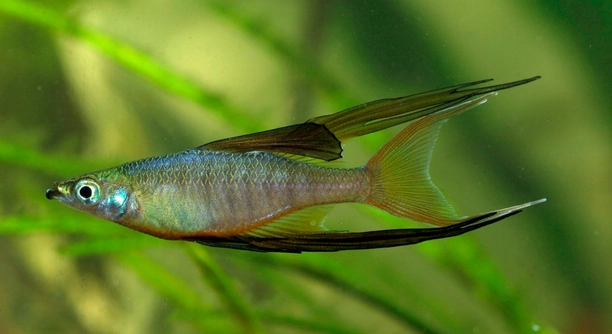
Have you ever noticed how feeding time can be both exciting and a little tricky when caring for threadfin rainbowfish in your aquarium? Their graceful movements often make you wonder what type of food truly suits them best.
Threadfin rainbowfish generally prefer floating food, as it aligns with their natural feeding habits near the water’s surface. Their slender mouths are designed to capture small particles drifting above, making floating foods more accessible and comfortable for them.
Exploring their feeding preferences can help you create a healthier and more enjoyable environment, ensuring your threadfin rainbowfish thrive in both diet and overall well-being.
Why Floating Food Works Best
Threadfin rainbowfish are surface feeders by nature, and their body structure is well-suited to capturing food from the top of the water. In their natural habitats, these fish consume tiny insects, larvae, and other drifting particles that remain close to the surface. This behavior translates seamlessly into aquarium life, where floating pellets or flakes mimic their natural diet. Floating foods are easier for them to locate and consume without excessive effort, reducing stress during feeding. Additionally, providing food at the surface helps maintain a cleaner aquarium, since less uneaten food sinks to the bottom and decays. Choosing floating options ensures that the nutritional needs of threadfin rainbowfish are consistently met, keeping them active, colorful, and healthy. When combined with a balanced variety of small foods, floating diets support their slender build and promote proper digestion, giving your fish the best chance to thrive in your care.
Feeding threadfin rainbowfish floating food encourages natural behavior and provides essential nutrients in an easily accessible way, reducing waste in the aquarium and supporting overall health and vitality.
These delicate fish benefit greatly from consistent feeding practices that mimic their natural environment. Floating foods also allow you to monitor intake more easily, ensuring every fish receives enough nourishment. Balanced nutrition strengthens their immune systems and highlights their striking fins.
Other Feeding Options to Consider
Sinking or slowly sinking foods are less suitable for threadfin rainbowfish, but they can still serve a purpose in a varied diet.
While floating foods are preferred, occasional treats like live or frozen daphnia, brine shrimp, or micro worms can provide enrichment. These options encourage active foraging and help diversify their diet with essential proteins. Variety is important for long-term health, as relying solely on one type of food may leave nutritional gaps. Care should be taken, however, to ensure that these alternative foods are the correct size, since threadfin rainbowfish have very small mouths. Large pieces can cause difficulty and stress during feeding. Supplementing their diet with tiny live foods also helps replicate the conditions they experience in the wild, boosting their natural activity and coloration. Offering occasional alternatives can keep your fish stimulated, but floating foods should remain the foundation of their diet. This balance helps support their well-being while keeping feeding practices simple and effective for you.
How Often to Feed Threadfin Rainbowfish
Feeding threadfin rainbowfish two to three small meals per day is best. Their small stomachs cannot hold large amounts at once, so frequent feedings prevent overeating, promote better digestion, and ensure steady energy levels throughout the day.
Providing food in small amounts ensures they consume everything within a few minutes, leaving less uneaten food to sink and spoil. Overfeeding can quickly foul the water and cause stress, which may weaken their immune system. By observing how quickly they finish their food, you can adjust portion sizes as needed. Consistency is key, as irregular feeding schedules may confuse them and lead to unhealthy eating patterns. Sticking to a routine not only supports their growth but also helps them remain active and vibrant in appearance. Maintaining this balance encourages long-term health and prevents problems associated with poor diet or overfeeding.
Threadfin rainbowfish thrive on routine, and establishing a clear feeding schedule keeps them healthy. It also creates a predictable rhythm for your aquarium, helping you easily monitor their appetite. Regular observation during feeding gives you a chance to notice any changes in behavior, which can indicate health issues early on.
Signs of Healthy Eating Habits
A healthy threadfin rainbowfish eagerly swims to the surface at feeding time and quickly consumes food without hesitation. Bright colors, steady energy, and smooth swimming patterns also indicate that their nutritional needs are being met properly.
Monitoring their behavior during meals can help you detect issues early. If food remains untouched or a fish seems sluggish, it may be a sign of stress, illness, or improper diet. Ensuring they all have access to food is especially important in community tanks, as faster species may outcompete them. Maintaining the right balance of nutrients not only supports their immune system but also keeps their delicate fins in good condition. By observing these small details daily, you can confidently provide the care they need while preventing potential problems from developing unnoticed.
Common Feeding Mistakes
Overfeeding is one of the most common mistakes with threadfin rainbowfish. Excess food sinks, decays, and disrupts water quality. This can quickly lead to stress, disease, and reduced lifespan if the problem is not addressed promptly.
Another mistake is offering food that is too large. Their tiny mouths cannot handle oversized pellets or flakes, making eating difficult and stressful. Choosing appropriately sized floating foods prevents choking hazards, ensures proper digestion, and allows every fish to eat comfortably without struggling.
Best Tank Conditions for Feeding
Good water flow is important during feeding, as it helps keep food suspended at the surface where threadfin rainbowfish naturally feed. Calm areas should also be available so they can eat without being pushed around by strong currents. Proper lighting is equally important, making food visible and reducing stress during meals. A well-maintained, clean tank ensures that leftover particles do not accumulate, keeping both water quality and feeding routines stable. These conditions allow your threadfin rainbowfish to eat in a way that mimics their natural environment, supporting both their physical health and daily comfort.
Why Variety Still Matters
Even though floating food suits them best, offering occasional live or frozen treats adds stimulation. Variety supports nutrition, prevents boredom, and encourages more natural behaviors. A balanced mix keeps threadfin rainbowfish healthier, more vibrant, and more active in their environment.
FAQ
Do threadfin rainbowfish only eat floating food?
Threadfin rainbowfish prefer floating food because their mouths are adapted for surface feeding, but they do not rely on it exclusively. They can also consume small live or frozen foods like daphnia or baby brine shrimp. These options sink slowly, giving them enough time to eat without difficulty. While floating flakes and pellets should form the foundation of their diet, supplementing with other tiny foods ensures balanced nutrition and encourages more natural behavior. Maintaining variety is important, but floating food remains the easiest and most reliable option for daily feeding.
How many times should threadfin rainbowfish be fed per day?
These fish should be fed two to three small meals daily, as their small stomachs cannot handle large amounts at once. Overfeeding can lead to bloating and digestive problems while also affecting the aquarium’s water quality. Small, frequent feedings mimic their natural feeding habits and keep them active throughout the day. Observing how quickly they consume food helps you determine the right portion size. Any food left after a couple of minutes means the amount was too much. A consistent schedule keeps them healthier and prevents unnecessary stress.
What types of live foods are safe for threadfin rainbowfish?
Safe live foods include daphnia, micro worms, and baby brine shrimp. These options are small enough to fit their delicate mouths and provide an excellent source of protein. They also encourage natural hunting behaviors, adding stimulation during feeding time. Live foods should be used as supplements rather than the main diet to prevent imbalances. It’s important to source live foods carefully to avoid introducing parasites or harmful bacteria into the tank. Frozen versions of these foods are also a safe and convenient alternative, offering similar nutritional benefits without the same risks.
Can threadfin rainbowfish eat sinking pellets?
They can eat sinking pellets if the food is very small and doesn’t reach the bottom too quickly. However, sinking foods are less ideal, as these fish naturally feed at the surface. If the food sinks too fast, it can stress them as they chase it down. Additionally, uneaten pellets that reach the substrate may rot, lowering water quality. If sinking foods are offered, they should be finely crushed and added sparingly. Floating foods remain the most efficient choice, ensuring easy access and healthier feeding behavior overall.
How do I prevent overfeeding in threadfin rainbowfish?
The easiest way to prevent overfeeding is to offer only what they can finish in two minutes or less. It helps to provide food in small pinches rather than dumping in a large amount at once. Watching their behavior also gives clear signs—if they start ignoring food or spitting it out, they’ve had enough. Consistent feeding times further reduce the temptation to overfeed, as the fish adjust to a routine. Overfeeding not only harms their digestion but also causes excess waste that disrupts water quality. Controlled feeding supports both fish health and tank balance.
Why do some threadfin rainbowfish ignore food?
Ignoring food can signal stress, illness, or unsuitable tank conditions. Poor water quality, overcrowding, or strong currents often make them reluctant to eat. Another possibility is that the food offered is too large or unfamiliar. Threadfin rainbowfish have very small mouths, so oversized pellets can be intimidating. Illness is also a factor, particularly if refusal is paired with lethargy or faded colors. The first step is to check water parameters and ensure the environment is stable. Offering smaller, more suitable foods often resolves the issue, but persistent refusal may require further attention.
Can threadfin rainbowfish be fed the same food as other community fish?
They can share some foods with other peaceful community fish, but adjustments are needed. Many community species eat larger pellets, which are not suitable for threadfin rainbowfish. Instead, choose flakes or micro pellets that break apart easily at the surface. In community tanks, it’s also important to ensure faster fish don’t outcompete them during feeding. Observing meal times helps confirm every fish gets enough. A good practice is to spread food across the surface, giving threadfin rainbowfish more opportunities to eat without stress. Proper adjustments allow them to thrive alongside compatible species.
Do threadfin rainbowfish need vitamin supplements in their diet?
If they are fed a balanced, high-quality diet that includes floating flakes, micro pellets, and occasional live or frozen foods, additional vitamin supplements are usually unnecessary. Commercially prepared fish foods are formulated to provide essential nutrients for growth, coloration, and immunity. However, supplements may be useful if their diet lacks variety or relies heavily on low-quality flakes. In such cases, vitamin-enriched frozen foods or liquid supplements can help fill nutritional gaps. Supplements should be used sparingly, as overuse can upset dietary balance. Focusing on varied, nutritious foods is the simplest way to meet their needs.
What happens if threadfin rainbowfish are fed too infrequently?
Feeding too infrequently weakens them over time, reducing activity, color, and immunity. Unlike larger fish that can store more energy, threadfin rainbowfish require regular meals due to their small size and fast metabolism. Skipping meals occasionally won’t cause immediate harm, but a consistent lack of food leads to stress and vulnerability to disease. They may also become more aggressive toward tank mates if food is scarce, disrupting the community balance. Providing two to three small meals daily ensures they remain strong, vibrant, and comfortable in their environment. Consistency is essential for their long-term well-being.
Are there specific times of day best for feeding threadfin rainbowfish?
Feeding them during daylight hours is best, as they are most active when the tank lights are on. Splitting meals into morning, midday, and early evening ensures steady nutrition. They rely on light to locate food, so feeding in darkness often results in uneaten portions sinking. Consistency helps them anticipate meals, making feeding times smoother and less stressful. Aligning feedings with their natural rhythm promotes healthier behavior and easier care. By sticking to predictable times, you create a routine that benefits both the fish and the aquarium’s overall stability.
Final Thoughts
Caring for threadfin rainbowfish means paying close attention to their unique feeding habits and preferences. These delicate fish are surface feeders, and floating food matches their natural instincts perfectly. It gives them easy access to nutrition and allows them to feed without unnecessary stress. While floating foods form the best foundation for their diet, variety also plays an important role. Adding small live or frozen foods occasionally helps diversify their meals, supports stronger immunity, and keeps them engaged. Consistency, balance, and quality are the key elements that ensure these fish remain vibrant, active, and healthy in your aquarium.
Feeding practices are not only about keeping them full but also about maintaining a clean and stable environment. Overfeeding can quickly disturb water quality, while irregular feeding schedules may confuse or stress the fish. Establishing a steady routine with measured portions prevents these problems and creates a rhythm that benefits both the fish and the overall tank. By offering food they can finish in just a few minutes, you reduce waste and make monitoring their health easier. Observing how they eat each day also gives you valuable insight into their condition, helping you spot potential concerns before they become serious.
Threadfin rainbowfish reward careful feeding with their beauty and graceful presence. Their shimmering colors and delicate fins stand out most when they are cared for properly. Floating foods not only meet their natural needs but also give you the chance to watch them feed comfortably at the surface, showcasing their natural behaviors. When paired with proper tank conditions, a thoughtful feeding plan becomes part of a larger picture of attentive care. These fish may be small and delicate, but with the right approach, they can thrive and bring lasting enjoyment to your aquarium. Focusing on their feeding habits shows how even small details can make a big difference in supporting long-term health and happiness. A balanced diet, clean water, and consistency will always remain at the center of helping your threadfin rainbowfish live well.

Hello,
If you enjoy the content that we create, please consider saying a "Thank You!" by leaving a tip.
Every little bit helps us continue crafting quality advice that supports the health, happiness, and well-being of pets around the world, for pets of all shapes, sizes, and species.
We really appreciate the kindness and support that you show us!