
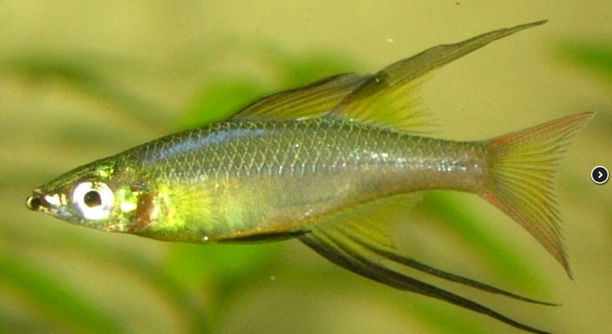
Keeping threadfins in a tank can be rewarding, but tank cleaning often stresses them. Their sensitive nature makes sudden changes in water or movement alarming. Even careful handling can leave these fish restless and uneasy during routine maintenance.
Maintaining threadfin calm during tank cleaning requires reducing sudden movements, minimizing water disturbance, and providing hiding spaces. Gradually introducing cleaning routines and controlling light exposure also helps limit stress responses, ensuring a safer and healthier environment for these sensitive fish.
Following simple strategies can make tank cleaning less stressful for your threadfins and support their overall well-being in the long term.
Prepare the Tank in Advance
Before starting the cleaning, make sure everything you need is ready. Fill a separate container with water from the tank to maintain temperature consistency. Gather nets, siphons, and scrubbers so you aren’t rushing. Checking the water temperature ensures the fish won’t experience shock during any water transfer. Removing decorations or rearranging plants should be done slowly, allowing threadfins to adjust. Avoid loud noises or tapping on the tank glass, as these can startle them. Planning the cleaning process reduces stress and keeps the fish calmer. Performing partial water changes instead of full replacements helps maintain water chemistry and prevents sudden fluctuations. Even small, consistent adjustments make a noticeable difference in their behavior. Keeping cleaning tools sanitized also prevents introducing harmful bacteria, protecting both the fish and the tank environment. Observing the fish before and during cleaning can help identify signs of stress and adjust the routine accordingly.
Having tools and water ready beforehand makes the cleaning process smoother and safer for the fish.
Regular preparation helps threadfins stay calm and reduces the risk of sudden stress during tank maintenance. Consistency is key, and small steps like checking water parameters, gathering equipment, and minimizing disturbances make a big difference. Over time, the fish learn the routine and respond less anxiously. Even moving a plant or decoration can cause panic if done abruptly. Planning a sequence—starting with removing debris, then partial water changes, and finally cleaning the glass—ensures minimal disruption. Using gentle water flow and avoiding strong currents keeps the fish comfortable. Gradually introducing any new decoration or equipment prevents surprises that could scare them. Observing behavior between steps allows you to pause if needed, letting the fish regain composure. Keeping lighting soft and maintaining a quiet environment supports their natural calm state. By preparing properly, threadfins experience cleaning as a predictable and safe activity, rather than a sudden stress event.
Use Hiding Spaces
Providing hiding spots in the tank can reduce anxiety for threadfins.
Hiding spaces like rocks, caves, or dense plants give threadfins areas to retreat during cleaning. These spaces act as shelters, allowing fish to feel secure and less exposed. Threadfins naturally seek cover when they sense movement or disturbance, and having accessible spots prevents panic swimming and reduces risk of injury. Small or shy individuals benefit most, as they can remain partially hidden until the cleaning is complete. Arranging these areas carefully ensures water flow isn’t blocked while maintaining shelter. Even temporary hiding spots, like floating plants, can help during cleaning. Consistently providing these areas improves overall confidence, allowing the fish to return to normal activity faster once maintenance is done. Properly spaced and sized shelters create an environment where threadfins feel protected, making the cleaning routine less stressful for both the fish and the caretaker.
Reduce Sudden Movements
Moving slowly around the tank helps keep threadfins calm. Quick actions or tapping the glass can startle them, so careful, deliberate motions make cleaning safer and less stressful.
Minimizing abrupt movements reduces panic and erratic swimming. When using nets or siphons, approach the fish gradually and avoid chasing them. Even small, sudden gestures can trigger stress responses, so keeping hands steady and moving tools slowly helps maintain a calm environment. Observing the fish as you work allows you to adjust your pace if they appear agitated. Gradual actions let threadfins anticipate changes rather than react in fear, promoting safer handling and fewer injuries.
Maintaining a predictable pattern during cleaning also reassures the fish. Following the same sequence—removing debris, adjusting decorations, partial water changes—keeps the environment consistent. Over time, threadfins become familiar with the routine, reducing overall anxiety. Simple habits like gentle splashing or slow net movements reinforce a sense of security, making the tank cleaning process smoother for both the fish and the caretaker. Consistency is key to long-term calmness.
Control Light Exposure
Bright lights can increase stress during cleaning, so dimming the tank is beneficial.
Lowering light intensity helps threadfins feel less exposed and vulnerable. Bright lighting can make movements more noticeable, triggering anxiety. Using a soft ambient glow or covering part of the tank reduces visual stress while maintaining enough light to see the cleaning process. Adjusting light gradually rather than switching it off abruptly prevents startling the fish. This approach works well with species that are naturally shy, offering them a comfortable environment during maintenance. Proper lighting management also helps maintain normal behavior after cleaning.
During cleaning, combining dimmed lights with hiding spaces enhances calmness. Fish feel safer when they can retreat to shaded areas, which complements the reduced visual stimulation. Avoiding sudden flickers or shadows caused by equipment minimizes unnecessary stress. For tanks with multiple threadfins, ensuring all areas have soft light prevents competitive panic or overcrowding around shelters. Gradual light changes before and after cleaning help fish acclimate smoothly, reducing cortisol levels associated with stress. Maintaining a balanced lighting routine alongside careful handling improves overall fish health and makes routine maintenance less challenging.
Maintain Water Temperature
Keeping the water temperature stable helps threadfins stay calm during cleaning. Sudden changes can stress them and trigger erratic behavior.
Using a thermometer ensures the new or replacement water matches the tank’s temperature. Gradual adjustments prevent shock and keep fish comfortable throughout the process.
Perform Partial Water Changes
Replacing only a portion of the water reduces stress. Large, sudden changes can disrupt the tank’s chemistry and unsettle threadfins. Consistent partial changes maintain stability in pH, minerals, and overall water quality. This method keeps the fish in a familiar environment while cleaning, minimizing panic. It also makes the process more manageable, allowing you to clean efficiently without overwhelming the fish. Over time, threadfins adapt to regular partial changes, reducing anxiety during maintenance. Maintaining this routine is key for their long-term health and helps them respond predictably during each cleaning session.
Feed Before Cleaning
Providing a light feeding before cleaning can keep threadfins occupied. Feeding ensures they are less likely to swim frantically and stay calmer.
Avoid Overhandling
Limiting direct contact during cleaning reduces stress. Excessive handling or chasing the fish can cause injury or panic.
FAQ
How often should I clean the tank to keep threadfins calm?
Cleaning frequency depends on tank size, stocking levels, and feeding habits. Generally, partial water changes and light cleaning once a week work well. Over-cleaning can stress the fish, while neglecting maintenance can reduce water quality. Sticking to a regular routine helps threadfins anticipate changes and remain calmer during each session.
Can I clean the tank while the fish are inside?
Yes, but only if you follow gentle methods. Minimize movement, use slow siphoning, and avoid chasing the fish. Providing hiding spaces and dimming lights during cleaning can reduce panic. Avoid full water changes or sudden disturbances while the fish are in the tank.
What water temperature is best during cleaning?
Matching the new water to the tank’s current temperature is crucial. Sudden drops or spikes can stress threadfins and trigger erratic behavior. Use a thermometer to check water before adding it to the tank. Gradual adjustments help maintain a stable, comfortable environment.
Are hiding spaces really necessary?
Yes. Threadfins naturally seek shelter when stressed or exposed. Rocks, caves, or dense plants provide comfort and reduce panic during cleaning. Even temporary or floating plants offer quick retreats. Consistent hiding spots improve confidence and help fish return to normal behavior quickly after maintenance.
Does lighting affect threadfins during tank cleaning?
Bright light can increase stress, especially during active cleaning. Dimming the tank or using ambient lighting reduces visual stimulation and helps the fish feel safer. Avoid sudden flickers or shadows caused by cleaning tools, as these can startle them. Gradual light adjustments before and after cleaning are best.
Should I feed threadfins before or after cleaning?
Feeding lightly before cleaning keeps them occupied and reduces frantic swimming. Avoid overfeeding, as leftover food can pollute the tank. Feeding after cleaning is also acceptable, but pre-cleaning feeding may help distract them and maintain calmer behavior throughout the maintenance process.
How can I reduce sudden movements during cleaning?
Move slowly and deliberately around the tank. Avoid tapping the glass or chasing the fish with nets. Consistency and predictable motion allow threadfins to adjust to changes, reducing panic. Observing their behavior as you work lets you slow down if agitation increases.
What if my threadfins panic despite precautions?
Pause the cleaning and let the fish recover. Offer more hiding spots or temporarily reduce lighting. Partial water changes instead of full replacements help stabilize the environment. Gradual, calm handling reassures them, and observing behavior over time can help refine your cleaning routine for future sessions.
Can multiple threadfins make cleaning harder?
Yes, more fish increase movement and competition for space. Ensure hiding areas are sufficient, dim lights, and clean in sections if needed. Maintaining a predictable routine helps all individuals adapt without causing mass panic. Separate equipment for high-traffic areas can also minimize disturbance.
Are there specific tools that make cleaning less stressful?
Soft nets, gentle siphons, and sanitized scrubbers reduce the risk of sudden shocks or injuries. Avoid large, abrupt equipment movements and choose tools that allow slow, precise cleaning. Gradually introducing any new tool helps threadfins remain comfortable with the process.
How long should cleaning take to avoid stressing threadfins?
Keep cleaning sessions concise, around 20–30 minutes depending on tank size. Extended cleaning can stress fish due to prolonged exposure to movement and changes. Planning steps in advance, using partial water changes, and maintaining gentle handling ensures efficiency without overwhelming the fish.
Is it okay to play music or noise near the tank during cleaning?
Excessive noise can increase stress levels. Soft, ambient sound is generally fine, but avoid loud talking, banging, or household appliances near the tank. A quiet environment allows threadfins to remain calm and reduces the risk of panic responses.
How do I know if my threadfins are stressed after cleaning?
Signs include erratic swimming, hiding excessively, or loss of appetite. Observing behavior post-cleaning is important. Providing hiding spaces, stable water conditions, and a predictable routine can help them recover quickly and maintain long-term health.
Can I clean decorations separately from the tank?
Yes, removing and gently scrubbing decorations in tank water is safe. Avoid using soap or chemicals, as residues can harm threadfins. Cleaning items separately reduces in-tank disturbances, keeping fish calmer while maintaining hygiene.
Do threadfins adapt to regular cleaning over time?
Yes, with consistent routines, they learn to anticipate maintenance and become calmer. Predictable sequences, gentle movements, partial water changes, and stable lighting all contribute to long-term stress reduction, making cleaning easier for both the fish and caretaker.
Final Thoughts
Keeping threadfins calm during tank cleaning takes patience and planning. These fish are naturally sensitive to changes in their environment. Sudden movements, water disturbances, or bright lights can easily stress them. By understanding their behavior and anticipating how they respond to different stimuli, you can create a calmer, safer environment for them. Small adjustments, like dimming lights or providing hiding spaces, can make a big difference. Even simple routines, repeated consistently, help threadfins recognize that cleaning is a normal part of their environment rather than a sudden threat.
Regular preparation is essential. Gathering cleaning tools, checking water temperature, and arranging partial water changes ahead of time reduces unnecessary stress. Predictable movements and slow handling prevent panic responses. Providing hiding spots or shaded areas allows the fish to retreat when they feel anxious. Using soft nets and gentle siphons also keeps disturbances to a minimum. Over time, threadfins begin to associate the cleaning process with minimal risk, which improves their overall well-being. Consistency and mindfulness in every step ensure that both the fish and the caretaker experience a smoother, safer routine.
Observing your threadfins during and after cleaning is equally important. Signs of stress, like erratic swimming, hiding for long periods, or refusing food, indicate that adjustments are needed. Gradual improvements in water quality, controlled light, and calm handling can reduce these behaviors over time. Feeding lightly before cleaning can help keep them occupied, while avoiding sudden temperature shifts prevents shock. Maintaining this careful approach ensures the fish remain healthy and confident in their environment. By integrating these strategies into your regular tank maintenance, you can reduce stress, protect their health, and make tank cleaning a predictable and manageable part of caring for threadfins.

Hello,
If you enjoy the content that we create, please consider saying a "Thank You!" by leaving a tip.
Every little bit helps us continue crafting quality advice that supports the health, happiness, and well-being of pets around the world, for pets of all shapes, sizes, and species.
We really appreciate the kindness and support that you show us!