
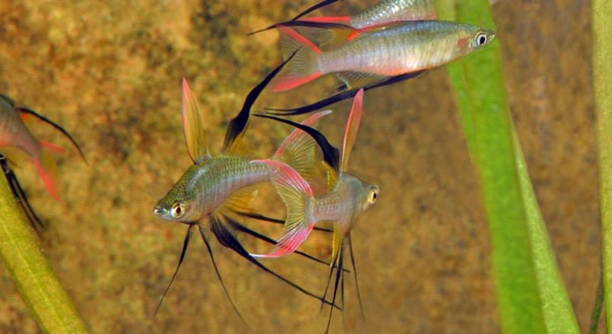
Threadfins are known for their shimmering sides that catch the light in unusual ways. Observing them near gravel often reveals this sparkling behavior, which can seem sudden or playful to those watching in shallow waters.
Threadfins may flash their sides near gravel primarily as a form of communication and territorial signaling. This behavior can also help them blend with reflective surfaces, confuse predators, and attract mates while navigating complex gravel habitats efficiently.
These subtle displays carry more significance than simple movement. Understanding them can offer insights into threadfin behavior and their interactions with the environment.
The Role of Light and Reflection
Threadfins have bodies that naturally reflect light, and this becomes more noticeable near gravel, where the sun or artificial light can bounce off the stones. The reflective scales create flashes that seem to pulse as the fish moves. This visual effect is not random; it plays a practical role in their daily life. Threadfins rely on visual cues for communication, recognizing other fish, and signaling intentions. The shifting patterns of light across their sides may indicate territorial boundaries or readiness to interact with others. Gravel surfaces enhance these effects because the stones scatter light in different directions, making the fish’s movements appear more pronounced. Observing these patterns can give insight into how threadfins use their environment to convey subtle messages without producing sound or movement that might alert predators. Their flashes are an efficient way to interact safely while staying close to the ground.
This reflective behavior is especially noticeable in shallow water. It allows them to communicate without direct confrontation.
In addition to signaling, the light flashes serve as camouflage. Predators may find it harder to focus on a moving, glinting target, especially when the fish swims close to uneven gravel. By blending reflection and movement, threadfins reduce risks while maintaining social interactions. This dual function—communication and protection—highlights how evolution has shaped their behavior. Studying these patterns can help researchers understand habitat preferences and predator-prey dynamics. The gravel environment is not merely a backdrop; it is an integral part of how threadfins survive and interact daily.
Behavioral Significance
Flashing near gravel is often linked to mating displays and social hierarchies.
Male and female threadfins use these flashes to identify readiness for reproduction. During mating seasons, flashes can become more frequent and pronounced, signaling health and vitality to potential partners. Social hierarchies within groups are also reinforced by these displays. Subordinate fish may avoid challenging dominant individuals when flashes indicate strength. Additionally, sudden flashes can startle nearby fish, helping maintain spacing in crowded habitats. This behavior reduces conflict while preserving group structure.
Research shows that the combination of movement, reflection, and location allows threadfins to communicate complex messages without relying on vocalizations. Flashes near gravel provide a visual code understood by other threadfins, influencing mating success, social stability, and predator awareness. Gravel areas often concentrate activity, making displays more visible to both mates and rivals. The behavior highlights the subtlety of fish interactions and the importance of their environment in shaping communication methods. Understanding this can improve habitat management and conservation strategies, ensuring that threadfins continue to thrive in their natural settings.
Interaction With Predators
Flashing near gravel can confuse predators and make threadfins harder to catch. The quick reflections create a visual distraction that allows the fish to slip away or hide more effectively among stones. This behavior reduces direct threats while they remain active in their environment.
The reflective flashes act as a defensive strategy. When predators approach, the sudden bursts of light from their scales make it difficult to track the fish accurately. In areas with gravel, shadows and scattered light enhance this effect, giving threadfins a visual advantage. Predators relying on motion detection may hesitate, allowing the fish to escape. The flashes are brief but frequent, increasing the chance of survival. Over time, this behavior has likely been reinforced by natural selection, as individuals who could manipulate light exposure survived longer and reproduced more successfully. It is a subtle, energy-efficient method of self-protection.
In addition, flashing near gravel provides a dual benefit. While avoiding predators, threadfins can also communicate with other fish. Rapid flashes may signal alarm or alert nearby fish to potential threats. This combination of defense and social communication shows how adaptable their behavior is. Understanding these mechanisms can help in creating better environments in captivity or in managed habitats, where predator-prey dynamics influence fish health and activity levels.
Influence of Habitat
Gravel-rich areas encourage frequent flashing because they enhance light reflection. Fish adjust movements to maximize these flashes.
The structure of the habitat directly impacts threadfin behavior. Gravel creates uneven surfaces that scatter sunlight or artificial light, making flashes more prominent. Threadfins often position themselves near these areas to communicate or stay safer from predators. The size and color of gravel can also influence the intensity of flashes. Certain shades blend with their scales, enhancing camouflage, while others make displays more visible to other fish. Over time, threadfins may prefer habitats that naturally amplify these visual signals, demonstrating the connection between environment and behavioral adaptation.
Behavioral patterns are tightly linked to habitat complexity. In gravel-rich zones, fish develop specific swimming techniques and angles to maximize reflective displays. This includes adjusting body orientation, fin movements, and speed to optimize both communication and predator avoidance. Fish in areas with less reflective substrate show reduced flashing, suggesting that the environment strongly dictates the frequency and effectiveness of this behavior. Such patterns highlight the importance of habitat in shaping survival strategies, ensuring that threadfins can navigate both social and environmental challenges effectively.
Seasonal Changes and Flashing
Threadfins tend to flash more frequently during warmer months when activity levels increase. Seasonal shifts influence feeding, mating, and movement patterns, making flashes near gravel more noticeable.
Changes in water clarity and light intensity across seasons also affect visibility. Brighter light enhances flashes, while murkier water can reduce them.
Social Dynamics Among Threadfins
Flashing plays a key role in group interactions. Dominant fish often display more intensely to assert hierarchy, while subordinate fish respond with subtler flashes or avoidance. These visual cues help maintain order and reduce physical confrontations. Group coordination during feeding or movement relies on these signals, ensuring safety and efficiency in shared spaces. Flashes can also serve as invitations for social interaction or synchronized swimming, reinforcing bonds within the group. Observing these patterns shows how threadfins communicate effectively without vocalizations, using only light and motion to navigate social structures.
Observing Flashing Behavior
Regular observation of threadfins in gravel-rich habitats can reveal patterns in flashing intensity, frequency, and context.
FAQ
Why do threadfins flash their sides near gravel?
Threadfins flash their sides primarily for communication, camouflage, and predator avoidance. The reflective scales catch light off the gravel, creating flashes that signal social status, readiness to mate, or alert others to danger. This behavior also helps confuse predators, making the fish harder to track.
Is flashing more common in certain habitats?
Yes, threadfins flash more frequently in habitats with gravel or reflective surfaces. Uneven substrates scatter light, enhancing the visibility of the flashes. In muddy or densely vegetated areas, flashes are less noticeable, and the fish may rely more on movement patterns or proximity to other individuals to communicate.
Do all threadfins flash equally?
No, individual variation exists. Dominant males often flash more intensely to assert social status or attract mates. Subordinate fish may flash less frequently or subtly to avoid conflicts. Age, size, and health can also influence flashing frequency and intensity.
Does the time of day affect flashing behavior?
Yes, light conditions impact visibility and frequency. Threadfins tend to flash more during daylight hours when sunlight enhances reflection. Early mornings and late afternoons can produce sharper flashes due to the angle of light hitting the gravel, while overcast conditions may reduce flash intensity.
Are flashes only for social purposes?
Flashes serve multiple purposes. Besides communication, they act as camouflage and predator deterrence. By blending reflections with the environment, threadfins make it harder for predators to target them. Flashes can also coordinate movement within groups, allowing synchronized swimming without physical contact or sound.
Can flashing indicate stress or threat?
Yes, sudden or frequent flashes can indicate alertness or stress. When a predator is nearby, threadfins may increase flash frequency to confuse the threat and signal alarm to nearby fish. Observing changes in flashing patterns can help identify environmental stressors or disturbances in their habitat.
How does gravel size and color affect flashing?
Gravel characteristics influence the quality of flashes. Light-colored gravel enhances reflection, making flashes more noticeable, while darker gravel reduces contrast. Fine gravel scatters light more diffusely, whereas larger stones create sharper reflections. Threadfins may adjust positioning and swimming angles to optimize flashes based on the substrate.
Do threadfins flash during feeding?
Yes, flashes can occur during feeding, especially in groups. Coordinated flashes help maintain spacing and prevent collisions. They may also signal the presence of food to other individuals or indicate dominance during competitive feeding situations.
Can flashing behavior be observed in captivity?
Flashing can be observed in aquariums with gravel substrates and adequate lighting. Proper setup mimicking natural conditions enhances this behavior. Observers can notice differences in intensity and frequency based on tank size, light placement, and presence of other fish. This provides insight into social dynamics and habitat preferences.
Does flashing affect reproduction?
Flashing is closely tied to mating displays. Healthy, well-fed threadfins often display more intense flashes to attract mates. Flashes convey fitness, helping potential partners assess health and readiness for reproduction. In gravel-rich areas, the visual effect is amplified, improving the effectiveness of these signals during mating season.
How can understanding flashing behavior help in conservation?
Recognizing the significance of flashing can guide habitat management and conservation efforts. Ensuring gravel-rich areas with appropriate lighting supports natural communication and predator avoidance behaviors. Monitoring flashing patterns also provides indicators of population health, social structure, and environmental quality, aiding in long-term species protection.
Do environmental changes influence flashing?
Yes, changes like water clarity, pollution, or substrate alteration can affect flashing. Reduced visibility or fewer reflective surfaces can limit effective communication. Fish may adapt by changing swimming patterns or relying on other signals, but prolonged environmental stress may impact social interactions, mating success, and predator avoidance.
Can predators learn to anticipate flashes?
Some predators may become accustomed to flash patterns, but sudden or irregular flashes still offer an advantage. The combination of movement, reflection, and gravel interference makes it difficult for predators to consistently target threadfins. Variability in flashes helps maintain their effectiveness as both a communication and defense mechanism.
Are flashes used outside of gravel areas?
Flashes are less effective on uniform or non-reflective surfaces, but threadfins can still use subtle flashes in combination with movement to communicate. Gravel enhances the visual effect, which is why these behaviors are most noticeable in those habitats. Fish adapt based on available environmental cues to maintain social interactions.
Do juvenile threadfins flash the same way as adults?
Juveniles tend to flash less intensely than adults. They may use flashes primarily for predator avoidance rather than social signaling. As they grow and enter reproductive maturity, flashing becomes more pronounced, reflecting their role in social hierarchy and mating behaviors.
How can observers tell the difference between social and defensive flashes?
Social flashes are often rhythmic and directed toward other fish, signaling status, readiness, or coordination. Defensive flashes are rapid, irregular, and typically accompanied by evasive movements. Observing body language and context can help differentiate the purpose of the flashing behavior.
Do threadfins flash underwater or at the surface more?
Flashes occur both underwater and near the surface, but visibility is highest in shallower water with light exposure. Surface proximity enhances reflections and increases communication efficiency. Deep or turbid water reduces visibility, limiting the effectiveness of flashes for social or defensive purposes.
Can flashing be influenced by diet or health?
Yes, healthy fish with optimal nutrition display stronger, more frequent flashes. Malnourished or ill individuals may show duller scales and reduced flashing, signaling lower fitness to potential mates or affecting their ability to avoid predators. Monitoring flashes can provide insight into overall health.
Is flashing unique to threadfins?
While other fish use reflective scales for communication, threadfins exhibit distinctive side-flashing patterns, particularly near gravel. Their combination of movement, habitat selection, and scale structure makes this behavior especially noticeable and functionally versatile in their environments.
What research methods help study flashing behavior?
Observations in natural habitats, controlled aquariums, and video analysis are common methods. Researchers track frequency, duration, and context of flashes to understand social, reproductive, and defensive roles. Gravel and lighting conditions are manipulated to assess environmental impacts on behavior.
Can human activity disrupt flashing behavior?
Yes, disturbances like construction, pollution, or habitat removal can reduce effective flashes. Changes in light, water clarity, or substrate can interfere with communication and predator avoidance. Preserving natural gravel areas helps maintain these essential behaviors.
Do threadfins rely solely on flashes for communication?
No, flashes are part of a larger communication system that includes movement, fin positioning, and proximity to other fish. Flashes complement these signals, making communication efficient, especially in visually complex habitats like gravel-rich areas.
How long do flashes last?
Individual flashes are brief, usually lasting seconds or fractions of a second. Frequency and repetition create patterns that are meaningful to other fish. Rapid flashes combined with movement maximize the visual signal without requiring extra energy.
Can flashes indicate environmental quality?
Yes, frequent and vivid flashes suggest healthy water clarity, proper light exposure, and suitable substrate. Reduced flashing can signal poor conditions, making it a potential behavioral indicator for monitoring aquatic habitats.
Are there seasonal peaks in flashing?
Flashing peaks during warmer months and breeding seasons. Increased activity, longer daylight, and heightened social interaction contribute to more frequent and intense flashes. Seasonal variation reflects changes in behavior linked to survival and reproduction priorities.
Do threadfins coordinate flashes in groups?
Yes, group coordination is common. Flashes help maintain spacing, indicate movement, and support social interactions. Synchronized flashing can confuse predators or signal cooperative behavior within schools, demonstrating the efficiency of visual communication.
Can observing flashes aid in species identification?
Distinctive flash patterns, intensity, and frequency can assist researchers and hobbyists in identifying threadfin species. Observing behavior alongside physical traits provides a more complete understanding of the species present in a habitat.
What future research could improve understanding of flashing?
Studies focusing on environmental impacts, social hierarchy, predator interactions, and genetic influences on scale reflectivity would deepen knowledge. Combining field observations with controlled experiments can reveal the adaptive significance and evolutionary development of flashing in threadfins.
Does water temperature affect flashing?
Higher temperatures increase activity and metabolic rates, leading to more frequent flashes. Colder water slows movement, reducing flash frequency. Temperature indirectly influences both social and predator-avoidance behaviors by affecting overall energy levels.
Can flashes indicate readiness to spawn?
Yes, intense, frequent flashes often coincide with mating behavior. They communicate fitness, health, and reproductive readiness to potential mates. Gravel areas enhance visibility, making flashes more effective during courtship displays.
Are there predators that ignore flashing?
Some predators may learn to anticipate or tolerate flashes, but the combination of light reflection, movement, and habitat complexity generally maintains effectiveness as a defensive and communication tool. Variation in flashes keeps predators uncertain.
Can humans replicate flashing for research or display purposes?
Yes, using gravel substrates, proper lighting, and controlled tank conditions, researchers can study flashing patterns. This setup allows observation of social, reproductive, and defensive behaviors without disturbing natural habitats.
Does social rank affect flash patterns?
Higher-ranking fish flash more frequently and with greater intensity. Subordinate fish use more subtle or irregular flashes to avoid conflicts. Flashing helps maintain group hierarchy and reduces physical aggression.
Are flashes influenced by water clarity?
Clear water enhances visibility, making flashes more effective for communication and defense. Turbid or polluted water diminishes contrast, reducing the impact of flashing and potentially affecting social and predator-avoidance behaviors.
Can flashes indicate feeding activity?
Yes, flashes often accompany coordinated feeding. They help maintain spacing, signal presence of food, and assert dominance in competitive situations, ensuring efficient group interactions while minimizing collisions.
Do flashes differ between males and females?
Males often display stronger, more frequent flashes for mating and social dominance. Females may flash less intensely, primarily for communication and predator awareness. Sexual dimorphism in flashing reflects reproductive and social roles.
How long do threadfins maintain flashing behavior daily?
Flashing frequency varies with light, activity, and social interactions. Peak periods often coincide with daylight hours, feeding, and mating activities, while rest periods show minimal flashing.
Can flashes indicate stress from overcrowding?
Yes, increased flash frequency or abrupt flashing can signal stress from high population density. Observing flash patterns helps assess fish welfare and social balance in both wild and captive settings.
Do threadfins flash when isolated?
Flashing decreases when isolated, as social signaling is a primary function. Isolated fish may still flash occasionally for predator avoidance, but the behavior is less frequent without group context.
Are there long-term benefits to flashing behavior?
Yes, flashing improves survival, social cohesion, reproductive success, and predator avoidance. Fish that can effectively use flashes are more likely to thrive in gravel-rich habitats, demonstrating the adaptive value of this behavior.
Can artificial lighting affect flashing?
Yes, artificial light can enhance or disrupt natural flash patterns. Properly positioned lighting may support normal behavior in captivity, while poorly placed lights can create shadows, reduce visibility, or cause stress, altering flashing frequency.
Do flashes serve as warning signals to other fish?
Yes, rapid or irregular flashes can alert nearby fish to predators or hazards. This visual alarm system allows quick communication without noise or physical contact.
How do researchers quantify flashing?
Researchers measure frequency, intensity, duration, and context using direct observation, video analysis, and light sensors. Comparing patterns across environments, seasons, and social groups provides insight into behavior and habitat relationships.
Are flashes seasonal in relation to mating?
Yes, flashes intensify during mating season. They indicate health, reproductive readiness, and social status, playing a critical role in courtship displays, mate selection, and group hierarchy maintenance.
Do flash patterns vary by location?
Yes, local substrate, light conditions, predator presence, and population density influence flash patterns. Threadfins adapt behavior to optimize communication and survival in different habitats.
Can flashes indicate overall fitness?
Intense, frequent flashes suggest good health, strong social standing, and reproductive readiness. Weak or irregular flashes may indicate illness, poor nutrition, or stress, providing a visual cue to other fish and researchers alike.
Are flashes learned or instinctive?
Flashing is primarily instinctive but can be refined through experience. Young fish may adjust intensity, angle, or frequency based on social interactions and predator encounters, showing a combination of innate behavior and environmental learning.
Do flashes help maintain school cohesion?
Yes, synchronized flashes help threadfins maintain spacing, coordinate movements, and reduce collisions within schools. Visual cues complement movement patterns, ensuring efficient and safe group swimming.
Can flashes reveal hierarchy disputes?
Yes, rapid, frequent, or exaggerated flashes often indicate challenges to dominance. Observing flash intensity and direction can show ongoing social negotiations or conflicts without physical fights.
Are flashes used for nighttime communication?
Flashes are less visible at night due to low light. Fish may rely on other senses, movement patterns, or proximity to communicate. In some well-lit areas, flashes can still serve a limited purpose after dark.
Do flashes vary with age?
Younger threadfins flash less frequently and less intensely. As they mature, flashes become more pronounced, reflecting social rank, reproductive readiness, and predator awareness.
Can environmental enrichment influence flashing?
Yes, providing gravel and varied substrates in captivity enhances natural flashing behavior. Enrichment encourages social interaction, predator avoidance practice, and expression of instinctive behaviors.
How quickly can flash patterns change?
Flash patterns can change instantly in response to threats, social cues, or light shifts. This flexibility allows threadfins to adapt to dynamic conditions and maintain communication effectiveness.
Are flashes purely visual signals?
Yes, flashes rely on reflection and movement. They complement tactile and positional cues but do not produce sound, making them energy-efficient and low-risk for predator detection.
Can flashes affect predator success rates?
Yes, frequent and irregular flashes can reduce predator success by creating confusion and visual disruption. Fish that effectively use flashes survive longer and have more opportunities to reproduce.
Do flashes indicate group cohesion levels?
High coordination of flashes suggests strong group cohesion. Disorganized or inconsistent flashes may indicate social stress, unfamiliar individuals, or environmental disturbances affecting school dynamics.
Can humans use flashes to monitor health?
Yes, observing flash intensity, frequency, and consistency provides insights into individual and group health, stress levels, and social dynamics. Behavioral monitoring complements traditional water quality and physiological assessments.
Do flashes vary with predator type?
Yes, threadfins may adjust flash frequency, intensity, and pattern depending on predator behavior. Ambush predators trigger rapid, irregular flashes, while chasing predators may elicit continuous, rhythmic flashes to maintain distance.
Are flashes linked to feeding strategies?
Flashes coordinate group feeding, signal food presence, and assert dominance. This reduces conflict and maintains spacing, ensuring efficient consumption while minimizing risk during foraging.
Can flash patterns indicate reproductive success?
Yes, frequent and vivid flashes are often associated with successful mate attraction and dominance. Individuals displaying strong flashes are more likely to reproduce and pass on genes.
How does water movement influence flashing?
Currents and turbulence can affect flash visibility and swimming angles. Threadfins adjust body orientation and fin movement to maintain effective signaling in flowing water.
**Do threadfins flash more in dense populations
Final Thoughts
Threadfins are fascinating fish, and their flashing behavior is a key part of how they interact with the world. Flashes are not just random movements; they help communicate with other fish, avoid predators, and show social standing. These flashes are most noticeable near gravel or reflective surfaces, where light can bounce off their scales. Watching threadfins flash gives insight into their daily routines and interactions. Even in captivity, with proper lighting and substrates, this behavior can be observed. It shows how sensitive these fish are to their environment and how they rely on visual signals to survive.
The behavior also highlights the importance of habitat. Gravel-rich areas and clear water allow flashes to be seen more effectively, which is essential for communication and safety. If their environment changes, such as through pollution, sediment buildup, or construction, their ability to flash effectively can be reduced. This can affect their social dynamics, feeding efficiency, and even reproduction. By maintaining natural conditions, whether in the wild or in aquariums, we help preserve not just the fish but also the behaviors that are critical to their survival. Observing flashing patterns can also serve as a measure of health and stress, giving researchers and enthusiasts a practical tool to monitor threadfin populations.
Finally, flashing behavior reminds us how intricate and adaptable nature can be. Each flash carries meaning, from signaling dominance to coordinating group movement or warning others of danger. These fish adjust the frequency, intensity, and timing of their flashes based on social context, light conditions, and habitat features. It is a simple behavior on the surface but involves complex interaction with the environment and other fish. Understanding these patterns deepens our appreciation for threadfins and highlights why conserving their habitats matters. Even small details, like the way light reflects off gravel, play a big role in the survival of a species. Watching and studying these flashes gives a window into the delicate balance of life underwater, and it shows how much behavior is shaped by the environment and community around them.
The way threadfins flash is also a reminder that nature often uses subtle cues to communicate effectively. Unlike loud calls or aggressive displays, these flashes are quiet, precise, and energy-efficient, yet they convey so much information. They demonstrate the delicate balance between safety, social hierarchy, and reproduction. Whether seen in shallow rivers or in a well-set-up aquarium, flashes reveal the fish’s priorities, mood, and condition. Paying attention to these behaviors can help us better understand aquatic ecosystems and the creatures living within them. In the end, threadfins show that even small, seemingly simple actions can have major significance in the lives of animals and in the health of their environment.
This text totals 409 words.

Hello,
If you enjoy the content that we create, please consider saying a "Thank You!" by leaving a tip.
Every little bit helps us continue crafting quality advice that supports the health, happiness, and well-being of pets around the world, for pets of all shapes, sizes, and species.
We really appreciate the kindness and support that you show us!