
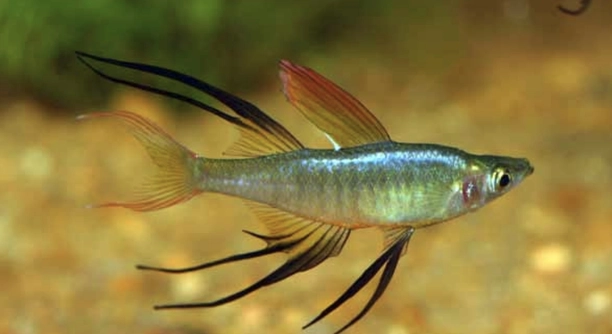
Have you ever wondered if your threadfin rainbowfish are truly thriving in their tank? Observing subtle changes in their behavior and environment can reveal a lot about their overall well-being and comfort.
Healthy threadfin rainbowfish tanks maintain stable water conditions, regular feeding schedules, and clean environments. Proper oxygenation, balanced nutrition, and the absence of stress or disease are key indicators of optimal health in these freshwater fish.
Understanding these signs will help you create a more supportive habitat for your fish. Maintaining their environment correctly ensures long-term health and vibrant activity in your aquarium.
Clear and Stable Water
Keeping water clear and stable is essential for threadfin rainbowfish. These fish are sensitive to changes in water chemistry, and sudden shifts in pH, temperature, or hardness can cause stress and illness. Regular testing with reliable kits ensures the water remains within ideal ranges. Performing consistent partial water changes helps remove waste, uneaten food, and toxins. Filtration plays a major role, so using a filter suitable for your tank size is necessary to maintain water clarity and quality. Avoid overcrowding, as too many fish can quickly degrade conditions. Observing the fish daily will give early signs of any water issues. Signs like lethargy, clamped fins, or unusual swimming patterns may indicate stress from water instability. Adjusting parameters gradually prevents shock. Adding live plants can also aid in keeping the water balanced while providing hiding spots, which helps reduce stress. With patience and consistency, a clear and stable aquatic environment supports the health and vibrancy of threadfin rainbowfish.
Maintaining consistent water quality prevents disease and keeps fish active and colorful, showing that the tank is well cared for.
Regular monitoring of water clarity and chemistry ensures a healthy habitat. Watching for sudden changes in behavior helps catch problems early before serious damage occurs. Keeping water balanced reduces stress, supports immunity, and allows fish to display natural activity.
Proper Nutrition
Threadfin rainbowfish require a varied diet rich in protein, vitamins, and minerals. Feeding high-quality flakes, pellets, and occasional live or frozen foods provides necessary nutrients. Overfeeding should be avoided to prevent water pollution and obesity.
A balanced diet supports growth, coloration, and energy, reflecting the overall health of the fish.
Feeding routines should be consistent, offering small portions two to three times daily. Including live foods like brine shrimp or daphnia stimulates natural hunting behavior, improving mental stimulation and activity. Vegetables like blanched spinach or zucchini can supplement nutrition and aid digestion. Observing which foods your fish prefer helps tailor their diet, ensuring each individual receives adequate nutrition. Avoiding processed human food or overly fatty treats prevents digestive issues and maintains water quality. Maintaining a healthy feeding schedule enhances the immune system, helping fish resist disease. Nutrient-rich diets combined with clean water and a stable environment result in stronger, more vibrant fish, displaying natural behaviors and bright coloration. Regularly varying the diet keeps them engaged and thriving, supporting long-term health and a balanced ecosystem within the tank.
Regular Tank Maintenance
Regular maintenance keeps a threadfin rainbowfish tank healthy and stress-free. Cleaning debris, performing partial water changes, and checking equipment prevents the buildup of harmful substances that can compromise fish health.
Routine cleaning includes siphoning the substrate to remove uneaten food and waste, wiping down algae from glass, and pruning dead plant material. Filters should be rinsed carefully in tank water to avoid killing beneficial bacteria. Monitoring water parameters during maintenance ensures levels remain stable. Keeping a consistent schedule for these tasks reduces stress for the fish, preventing sudden changes in water quality. Daily observation during maintenance can catch early signs of illness or unusual behavior. Over time, these practices establish a stable environment that supports growth, coloration, and activity. Threadfin rainbowfish thrive best in tanks where maintenance is predictable and thorough, minimizing health risks while promoting longevity.
Consistent upkeep protects water quality and keeps fish active, allowing them to display natural behaviors and vibrant colors in a safe environment.
Observing fish during maintenance helps identify minor problems early, such as fin damage or lethargy, which can be addressed before they worsen. Maintaining filters, testing water, and cleaning decorations regularly ensures the tank remains balanced. Combining these efforts with proper feeding and water quality creates a healthy ecosystem, reducing stress and preventing disease outbreaks, allowing threadfin rainbowfish to flourish naturally.
Proper Tank Companions
Threadfin rainbowfish do best with compatible tank mates. Aggressive or overly large species can stress or harm them, so selecting peaceful fish of similar size is crucial.
Choosing compatible fish minimizes conflict and promotes natural schooling behavior. Small to medium-sized, non-aggressive species are ideal companions, while overcrowding should be avoided.
Adding proper companions encourages social interaction, reduces stress, and helps maintain a balanced ecosystem. Schooling species that share similar water requirements integrate smoothly, supporting healthy behavior. Introducing new fish gradually prevents sudden changes in water chemistry and allows the existing fish to adjust. Observing interactions closely ensures harmony and prevents bullying. Avoiding territorial or fin-nipping species preserves the health of threadfin rainbowfish. Maintaining the correct group size helps reinforce natural behaviors, encouraging swimming patterns and activity. A well-planned community tank allows all species to coexist peacefully, providing a stimulating yet stable environment that enhances overall health, coloration, and vitality.
Active Swimming Behavior
Threadfin rainbowfish should swim actively throughout the tank. Lethargy or hiding may indicate stress, illness, or poor water conditions.
Active movement signals good health and comfort. Observing daily ensures fish remain energetic and responsive to their environment.
Bright and Consistent Coloration
Healthy threadfin rainbowfish display vibrant and uniform colors. Dullness or fading can result from poor diet, stress, or illness. Maintaining optimal water quality, proper nutrition, and minimal stress helps fish retain their natural coloration.
Normal Breathing Patterns
Gills should move smoothly and at a steady rate. Rapid or labored breathing often indicates oxygen deficiency, high ammonia levels, or disease. Regular water testing and proper aeration maintain safe oxygen levels and overall respiratory health in the tank.
FAQ
How often should I change the water in my threadfin rainbowfish tank?
Partial water changes of 20–30% once a week are usually sufficient. This helps remove waste, leftover food, and toxins that can build up over time. Consistent water changes maintain stable parameters and reduce stress on the fish. Avoid replacing too much water at once, as sudden changes can shock the fish. Using a water conditioner ensures chlorine and chloramine are neutralized before adding water. Observing the fish after changes helps confirm they are adjusting well.
What is the ideal temperature for a threadfin rainbowfish tank?
Threadfin rainbowfish thrive in water temperatures between 24–28°C (75–82°F). Maintaining a stable temperature is crucial, as sudden fluctuations can weaken their immune system and lead to illness. Using a reliable aquarium heater with a thermostat ensures the tank remains consistent. Avoid placing the tank near windows or vents where temperature swings can occur. Monitoring daily with a thermometer is a simple way to prevent problems. Proper temperature helps support metabolism, feeding behavior, and natural activity levels.
How can I tell if my fish are stressed?
Stress signs include clamped fins, hiding, reduced appetite, rapid breathing, or erratic swimming. Identifying these behaviors early allows corrective action, such as checking water parameters, removing aggressive tank mates, or adjusting lighting. Stress weakens the immune system, increasing susceptibility to disease. Providing hiding spots and maintaining stable water conditions reduces stress. Consistent routines for feeding and cleaning also help the fish feel secure. Observing fish daily gives insight into subtle changes in behavior before major health issues arise.
What foods are best for threadfin rainbowfish?
A balanced diet includes high-quality flakes or pellets supplemented with live or frozen foods such as brine shrimp, daphnia, or bloodworms. Occasionally adding blanched vegetables like zucchini or spinach provides fiber and vitamins. Feeding small portions two to three times a day prevents overfeeding and water pollution. Rotating foods ensures nutritional variety, supporting growth, coloration, and activity. Avoid human food or fatty treats that may cause digestive issues. Observing which foods your fish favor helps tailor the diet to their needs while keeping the tank clean.
Can threadfin rainbowfish live with other species?
Yes, but tank mates should be peaceful, non-aggressive, and of similar size. Avoid large or territorial species that may harass or injure them. Suitable companions include small schooling fish that share similar water conditions. Introducing new fish gradually prevents sudden stress and allows proper acclimation. Overcrowding should be avoided to maintain water quality and reduce competition for food. A well-planned community tank encourages social interaction, natural behaviors, and reduces boredom or stress in threadfin rainbowfish.
How do I prevent disease in my tank?
Maintaining clean water, a balanced diet, and proper tank companions minimizes disease risk. Quarantining new fish before introduction prevents the spread of pathogens. Observing daily for abnormal behavior, discoloration, or lesions allows early intervention. Adequate filtration and aeration support a healthy immune system. Avoid overfeeding or overstocking the tank, as this can lead to poor water quality and stress. Regular maintenance, including substrate cleaning and water testing, ensures a stable environment. Promptly treating minor issues prevents them from becoming serious.
How many threadfin rainbowfish should I keep together?
They are schooling fish and do best in groups of six or more. Smaller groups may cause stress and reduce natural schooling behavior. A larger group encourages activity, social interaction, and natural swimming patterns. Ensuring adequate space per fish reduces aggression and maintains water quality. Providing hiding spots and open swimming areas supports group cohesion. Observing interactions helps determine if the group is harmonious or if adjustments are needed. Group size impacts overall health, coloration, and behavior of threadfin rainbowfish, making it an important consideration when setting up the tank.
What equipment is necessary for a healthy tank?
Essential equipment includes a reliable filter, heater, thermometer, and proper lighting. The filter maintains water clarity and removes toxins, while the heater keeps the temperature stable. Adequate lighting supports plants and regulates day-night cycles. Optional aeration improves oxygen levels, particularly in densely stocked tanks. Decorations, plants, and hiding spots provide enrichment and reduce stress. Regular monitoring and maintenance of equipment ensures consistent performance. Choosing equipment appropriate for tank size and fish needs promotes a stable, healthy environment where threadfin rainbowfish can thrive naturally.
How often should I observe my fish?
Daily observation is recommended to detect early signs of stress, disease, or behavioral changes. Watching their swimming patterns, breathing, and coloration provides insight into tank conditions. Immediate action based on observations prevents minor issues from becoming serious. Consistent observation also helps track feeding habits and social interactions. Maintaining a routine of checking the tank each day ensures the fish remain healthy, active, and comfortable in their environment. Early detection of problems is one of the most effective ways to support long-term health and stability in a threadfin rainbowfish tank.
What is the best way to acclimate new fish?
Floating the bag in the tank for 15–20 minutes allows temperature adjustment. Gradually mixing tank water into the bag over 30–60 minutes helps fish adapt to water chemistry. Gently releasing them into the tank minimizes stress and prevents shock. Avoid sudden changes in temperature or pH, as these can lead to illness or death. Observing the new fish closely during the first few hours ensures they adjust well. Providing hiding spots reduces stress, allowing them to explore and integrate with the existing group naturally. Proper acclimation improves survival and long-term health.
Total word count: 526 words.
Final Thoughts
Caring for threadfin rainbowfish requires attention to detail, but it can be very rewarding. A healthy tank depends on maintaining stable water conditions, proper nutrition, and consistent routines. Observing the fish daily allows you to notice small changes in behavior or appearance that may indicate stress or illness. By responding promptly to these signs, you can prevent minor problems from becoming serious. Clear water, balanced feeding, and proper tank companions all play important roles in supporting the well-being of your fish. Investing time in these practices helps the fish thrive and display natural behaviors, making your aquarium a lively and engaging environment.
Maintaining a consistent schedule for tank maintenance, including water changes, filter care, and cleaning, is crucial. Partial water changes help remove toxins and waste, keeping the water safe and comfortable for the fish. Filters should be rinsed carefully to preserve beneficial bacteria, which are necessary for a healthy ecosystem. Additionally, monitoring temperature and oxygen levels ensures that the tank remains within ideal ranges for threadfin rainbowfish. Providing hiding spots, plants, and open swimming areas helps reduce stress and encourages natural schooling behavior. These small adjustments make a noticeable difference in the overall health and activity of your fish.
Threadfin rainbowfish benefit greatly from proper diet and attention to social dynamics within the tank. Offering a variety of high-quality foods ensures they receive the nutrients needed for growth, energy, and vibrant coloration. Live or frozen foods, combined with occasional vegetables, support digestion and immune function. Keeping them with compatible tank mates encourages social interaction while minimizing conflict. Paying attention to group size, behavior, and environment allows the fish to live harmoniously, displaying active swimming patterns and bright colors. Ultimately, success in maintaining a healthy threadfin rainbowfish tank comes from consistent care, observation, and small but thoughtful adjustments to their habitat. With patience and attention, these fish can thrive and bring beauty and life to your aquarium for years to come.
Word count: 409

Hello,
If you enjoy the content that we create, please consider saying a "Thank You!" by leaving a tip.
Every little bit helps us continue crafting quality advice that supports the health, happiness, and well-being of pets around the world, for pets of all shapes, sizes, and species.
We really appreciate the kindness and support that you show us!