
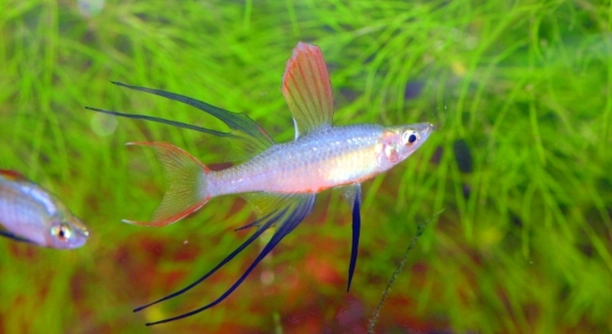
Threadfin Rainbowfish are small, colorful fish often kept in home aquariums. They are active swimmers that enjoy exploring their surroundings and interacting with other fish. Their natural habitats include slow-moving streams and calm waters.
Threadfin Rainbowfish can swim against moderate currents, but strong currents may exhaust them quickly. Their slender bodies and small fins allow limited resistance, making sustained swimming in fast-flowing water challenging and potentially stressful.
Learning how currents affect these fish is important for creating a healthy environment and maintaining their well-being in captivity.
Understanding Threadfin Rainbowfish Swimming Habits
Threadfin Rainbowfish are naturally agile swimmers, but their stamina varies depending on water conditions. In calm waters, they can glide gracefully and maintain energy efficiently. Strong currents demand more effort, which can tire them quickly. Observing their behavior in different water flows shows how they adjust their movements. Younger fish often struggle more than adults, as their smaller fins and bodies provide less power. In aquariums, current intensity should be moderate to avoid stress. Providing hiding spots and areas with slower flow helps them rest. Balanced feeding also supports stronger swimming abilities. Over time, fish can adapt slightly, but constant strong currents can lead to fatigue, reduced appetite, and increased vulnerability to illness. Maintaining proper water flow is key to keeping them healthy. By paying attention to their swimming patterns, owners can create a more suitable environment that meets both their activity needs and overall well-being.
Swimming efficiency in Threadfin Rainbowfish decreases in consistently fast currents. They perform best in moderate, controlled flows.
Observing how they navigate currents can reveal their strength and health. Proper water management ensures they remain active and stress-free.
Tank Setup for Strong Currents
Threadfin Rainbowfish require thoughtful tank arrangements when currents are present. Placement of plants, rocks, and other obstacles can create zones of slower water, allowing fish to rest. This reduces exhaustion and helps maintain normal activity levels. Tanks with only open space and strong flow can overwhelm them, causing erratic swimming or hiding behavior. Adjusting filter output or adding flow disruptors can balance water movement. Maintaining stable temperature and pH also supports swimming performance. By creating mixed-flow areas, fish can exercise without becoming fatigued. Observing their behavior in different sections of the tank helps determine if modifications are needed.
Tank decorations and flow adjustments allow fish to manage energy and avoid constant stress.
Managing currents requires balancing exercise opportunities with areas of rest. Strong flows can be beneficial for muscle development, but excessive or unbroken currents can lead to fatigue. Plant clusters, caves, and gentle water deflectors help create pockets where fish can pause without completely halting movement. Layering zones of different flow speeds encourages natural behavior and supports their physical health. Even small modifications, like redirecting filter output or adding driftwood, make a noticeable difference. It’s important to regularly check how the fish respond and adjust accordingly. Over time, a tank with varied current strengths helps Threadfin Rainbowfish stay active, healthy, and vibrant while preventing stress-related issues that can arise in too-fast waters.
Effects of Strong Currents on Health
Strong currents can quickly tire Threadfin Rainbowfish, impacting their overall health. Fatigue may lead to reduced feeding, slower growth, and weakened immune responses.
Constant exposure to strong water flow can increase stress levels. Fish may show signs of rapid gill movement, erratic swimming, or clinging to surfaces. Stress weakens their immune system, making them more susceptible to diseases. Over time, physical condition may decline, and even minor illnesses can become serious. Observing fish regularly allows early detection of stress signs, ensuring timely intervention. Creating areas of calm water within the tank helps them recover, maintain energy, and support normal growth and activity.
Even occasional periods in strong currents can affect energy levels. Fish may hide or reduce activity after extended exposure, requiring adjustments in tank flow for recovery. Monitoring behavior helps maintain long-term health and prevents chronic stress.
Feeding and Energy Management
Fish in strong currents require extra energy, making feeding practices crucial. Frequent small meals help maintain stamina and overall vitality.
Providing nutrient-rich food supports endurance. Protein-based diets improve muscle strength and energy reserves. Supplements or fortified flakes can help meet higher energy demands caused by persistent swimming against currents. Ensuring balanced nutrition aids in stress reduction and promotes resilience. Overfeeding, however, can deteriorate water quality, affecting health. Maintaining a consistent feeding schedule helps regulate energy levels while supporting growth. Observing fish during feeding shows if they are consuming enough or struggling due to current-related fatigue. Adjusting food type and quantity according to activity level ensures optimal performance. Proper feeding combined with controlled water flow maintains vitality and reduces health risks associated with strong currents.
Recognizing Signs of Stress
Rapid gill movement, clinging to surfaces, and erratic swimming are common stress indicators in Threadfin Rainbowfish exposed to strong currents.
Reduced appetite and hiding more often also signal stress. Monitoring behavior helps identify problems early, allowing adjustments to water flow or tank setup to support recovery.
Adjusting Tank Flow
Using gentle filtration and strategically placing plants or decorations can reduce current intensity in specific tank areas. This allows fish to rest while still experiencing movement. Creating zones with varying flow supports natural behavior, energy management, and overall well-being.
Social Behavior in Currents
Strong currents can affect how Threadfin Rainbowfish interact. Fish may stay closer together or avoid open spaces to conserve energy. Maintaining a balance between social interaction and individual space helps minimize stress and supports healthy group dynamics.
Observing Daily Activity
Regular observation is essential to track swimming stamina and overall health. Adjusting conditions based on daily activity ensures fish remain active, comfortable, and resilient in the tank environment.
FAQ
Can Threadfin Rainbowfish survive in a tank with a strong current?
Threadfin Rainbowfish can survive in a tank with moderate currents, but consistently strong currents are stressful. They may struggle to swim effectively, leading to fatigue, reduced appetite, and vulnerability to disease. Providing zones of calmer water with plants or decorations helps them manage energy and stay healthy.
How do I know if my Threadfin Rainbowfish is stressed from the current?
Signs of stress include rapid gill movement, clinging to surfaces, erratic swimming, and hiding frequently. Reduced feeding or lethargy is also common. Observing their daily behavior allows early detection of issues. Adjusting tank flow and providing calm areas can help relieve stress and restore normal activity.
What is the ideal water flow for these fish?
A gentle, consistent flow is best. Currents that are too strong can tire the fish and increase stress. A well-balanced flow mimics their natural habitat, allowing exercise without exhausting them. Use plants, rocks, or filter deflectors to create areas with slower currents.
Do Threadfin Rainbowfish need hiding spots?
Yes. Hiding spots are essential for stress relief and energy conservation. Plants, rocks, and small caves provide areas where fish can rest safely without completely stopping movement. These areas also help fish feel secure in groups or when currents are slightly stronger than ideal.
How does diet affect their ability to swim against currents?
Nutrition plays a key role. A protein-rich, nutrient-dense diet improves stamina and energy levels, helping fish cope with stronger currents. Feeding small, frequent meals ensures they maintain strength without overloading the tank, which could reduce water quality and increase stress.
Can young Threadfin Rainbowfish handle strong currents?
Younger fish are less capable swimmers due to smaller fins and bodies. Strong currents can overwhelm them quickly. Creating calm zones is especially important for juveniles, allowing them to build strength gradually without risking exhaustion or injury.
What tank size works best for fish in moving water?
A larger tank allows for areas of varied flow, giving fish both active swimming zones and calmer resting areas. Adequate space also reduces territorial stress, supports natural schooling behavior, and allows better distribution of oxygenated water throughout the aquarium.
How often should I monitor their swimming behavior?
Daily observation is recommended. Watch how fish navigate currents, interact with tankmates, and use calmer areas. Changes in behavior, such as staying in one area or struggling against flow, can indicate the need for adjustments in water movement or tank setup.
Do these fish get stronger over time in currents?
Moderate currents can improve stamina and muscle development, but excessive flow can lead to fatigue and health issues. Controlled exposure with areas to rest encourages natural swimming habits without causing long-term stress or injury.
Are there equipment adjustments to help fish manage currents?
Yes. Reducing filter output, adding flow deflectors, or strategically placing plants and decorations can help. These modifications create pockets of slower water, allowing fish to rest while still experiencing movement. Consistently monitoring their response ensures optimal conditions for energy management and well-being.
Can currents affect their social behavior?
Strong currents may cause fish to group more tightly or avoid open areas to conserve energy. Observing interactions helps ensure all fish have access to calm zones. Balanced tank layout supports normal schooling behavior while reducing stress caused by prolonged strong flow.
What long-term effects can strong currents have?
Extended exposure to fast currents can lead to chronic fatigue, slower growth, weakened immune systems, and increased susceptibility to disease. Providing a controlled environment with variable flow ensures fish remain active, healthy, and resilient over time.
Are there specific plants that help reduce current strength?
Tall, dense plants like Vallisneria or Java Fern can break up strong flow and create resting areas. Floating plants also reduce surface turbulence. Proper plant placement allows fish to swim naturally while conserving energy and reducing stress in areas with higher current.
Is it necessary to adjust water temperature with stronger currents?
Temperature affects metabolism and stamina. Cooler water may reduce activity, while warmer water increases energy needs. Maintaining stable, species-appropriate temperature ensures fish can manage swimming demands without additional stress from metabolic imbalance.
How do I balance current strength for a mixed-species tank?
Consider the needs of all fish. Some species may prefer stronger flow, while Threadfin Rainbowfish need calmer areas. Use plants, rocks, and filter adjustments to create zones of varying intensity. Observing interactions ensures all species thrive without compromising health or behavior.
This FAQ provides a clear, practical guide to managing currents, nutrition, and tank setup, ensuring Threadfin Rainbowfish remain healthy and active in varying water conditions.
Final Thoughts
Threadfin Rainbowfish are beautiful, active fish that bring life and color to any aquarium. Their slender bodies and energetic swimming make them engaging to watch. However, their ability to handle strong currents is limited. While they can navigate moderate flows without issue, consistently fast currents can be stressful and exhausting. Observing their behavior carefully is essential, as it helps identify when adjustments are needed. Signs like hiding, rapid gill movement, and reduced feeding indicate that the current may be too strong. Creating zones of calmer water allows them to rest, conserve energy, and maintain healthy activity levels. By paying attention to their natural swimming habits, owners can design an aquarium environment that balances movement with areas of comfort, supporting both physical health and overall well-being.
Proper tank setup is a key factor in helping Threadfin Rainbowfish thrive. Plants, rocks, and decorations can break up water flow and create areas where the fish can recover from swimming against currents. Even simple modifications, such as adjusting filter output or adding a few strategically placed plants, make a noticeable difference. Young fish, in particular, need calmer zones because they are less strong and more easily fatigued. Nutrition also plays an important role. A protein-rich diet delivered in small, frequent meals helps fish maintain the energy required to swim actively while reducing stress. Overfeeding should be avoided, as poor water quality can create additional health challenges. Observing daily activity, monitoring feeding, and maintaining proper water parameters ensure that Threadfin Rainbowfish remain strong and vibrant. Balancing these elements creates a more natural environment that mimics their habitat and supports their physical and behavioral needs.
Maintaining Threadfin Rainbowfish in an aquarium with currents requires careful planning and ongoing attention. Currents can encourage exercise and build stamina when they are moderate, but strong or unbroken currents can have the opposite effect. By combining proper tank layout, controlled water flow, adequate nutrition, and observation, these fish can live healthy and active lives. Providing resting zones and opportunities for natural behavior reduces stress and prevents fatigue. Social dynamics also benefit from a balanced environment, as fish can maintain group interactions while conserving energy. Overall, understanding the effects of water flow and tailoring the tank to their needs ensures Threadfin Rainbowfish remain lively, resilient, and visually appealing. Through thoughtful care and observation, their natural beauty and behavior can be enjoyed while supporting long-term health and vitality.

Hello,
If you enjoy the content that we create, please consider saying a "Thank You!" by leaving a tip.
Every little bit helps us continue crafting quality advice that supports the health, happiness, and well-being of pets around the world, for pets of all shapes, sizes, and species.
We really appreciate the kindness and support that you show us!