
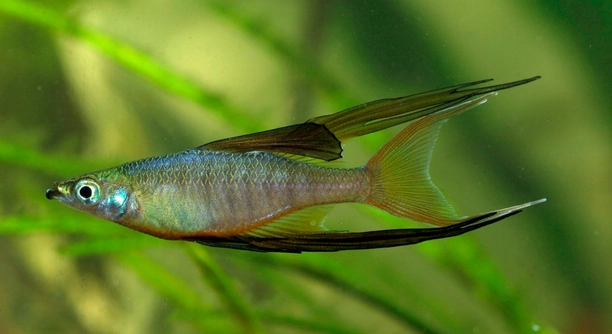
Threadfin Rainbowfish are lively freshwater fish that often display curious behaviors in aquariums. Their interactions can become tense when space is limited, showing a side of their personality that many fish owners do not often see.
When Threadfin Rainbowfish compete for space, they exhibit territorial aggression, chasing or nipping at rivals. Dominant individuals establish preferred areas, limiting access for subordinate fish. These behaviors ensure that resources such as food and shelter are defended efficiently.
Observing these interactions provides insight into their natural instincts and helps aquarists create a healthier, balanced environment for all fish in the tank.
Understanding Territorial Behavior
Threadfin Rainbowfish are naturally social but also territorial. In confined spaces, they quickly establish dominance hierarchies. Aggression usually starts as chasing or nipping and can escalate if a fish consistently invades another’s preferred area. These displays are more frequent in males, who compete for both space and attention. Females tend to avoid conflict but may get involved if the crowding is severe. Aquariums with too few hiding spots or decorations can amplify stress, causing injuries or stunted growth. Observing body language, such as flared fins or sudden darting movements, can help predict conflicts before they worsen. Providing ample swimming space and distinct zones for each fish reduces tension and encourages healthier social interactions. Subtle adjustments, like rearranging tank decorations, often calm aggressive tendencies. Monitoring fish behavior regularly allows you to intervene early, maintaining a balanced environment. A peaceful setup not only prevents stress but also supports natural coloration and overall health.
Aggressive encounters usually peak during feeding times or when new fish are introduced.
Consistently managing tank layout and stocking density helps prevent prolonged dominance disputes. Offering multiple feeding points and hiding areas encourages equitable access to resources. Observing and separating overly aggressive fish when necessary keeps weaker individuals safe. Environmental enrichment, like plants or rocks, provides visual barriers and reduces constant line-of-sight confrontations. Overcrowded tanks often increase aggression, so maintaining appropriate numbers is critical. Proper water conditions also reduce stress, which can otherwise intensify conflicts.
How to Minimize Space Conflicts
Providing more space and hiding spots immediately reduces tension among Rainbowfish.
Spacing fish properly and arranging decorations strategically allows natural territories to form. Dividing the tank with plants, rocks, or other structures helps establish boundaries and gives shy fish areas to retreat. Introducing fish gradually avoids sudden competition and reduces initial skirmishes. Monitoring interactions over time ensures that no individual is consistently dominated or injured. Adjusting feeding routines and distributing food evenly prevents fights over meals. Environmental stability, such as consistent temperature and clean water, further minimizes stress-driven aggression. By planning the tank layout and observing behavior, it is possible to foster a harmonious environment for all inhabitants. Patience and careful observation are key in keeping a peaceful aquarium.
Regular maintenance, careful stocking, and observation are the main strategies for preventing space conflicts. Understanding each fish’s behavior and adjusting the tank setup accordingly ensures balanced social interactions and reduces stress-related injuries. Monitoring feeding and movement patterns allows early detection of potential disputes. Providing adequate swimming areas and visual barriers, along with gradual introductions of new fish, helps maintain harmony. Environmental factors like water quality, temperature, and lighting influence aggression levels and overall wellbeing. Consistency in tank conditions reinforces predictable behavior and reduces territorial disputes. Overcrowding or sudden changes often trigger dominance conflicts, so maintaining a stable environment is essential. Creating multiple micro-habitats within the tank allows subordinate fish to coexist safely, promoting natural behaviors without constant stress. By implementing these strategies, aquarists can enjoy the lively activity of Threadfin Rainbowfish while minimizing harmful confrontations.
Signs of Stress in Threadfin Rainbowfish
Stress in Rainbowfish is often visible through changes in behavior and appearance. Fish may hide more, show faded colors, or swim erratically. Aggressive interactions increase, and appetite may decrease. These signs indicate that space conflicts or environmental issues are affecting their wellbeing.
Faded coloration, clamped fins, and rapid breathing are common indicators of stress in Threadfin Rainbowfish. Fish under constant pressure from dominant tank mates may avoid open areas and linger near hiding spots. Over time, prolonged stress can weaken their immune system, making them more susceptible to disease. Observing interactions and physical condition daily helps identify which fish are struggling. Adjusting tank layout, adding shelters, or separating aggressive individuals can reduce stress. Monitoring water quality, temperature, and feeding schedules also contributes to calmer, healthier fish.
Early intervention is essential. Providing additional hiding areas, rearranging decorations, or redistributing food prevents prolonged conflict. Observing how fish interact after changes ensures they adapt well. Keeping stress levels low allows Threadfin Rainbowfish to thrive, displaying natural colors and active behaviors, while maintaining balance among all tank inhabitants.
Feeding and Space Conflicts
Overfeeding or limited feeding spots can trigger aggressive behaviors in Rainbowfish. Multiple locations for food reduce competition and prevent fighting among fish.
When feeding Threadfin Rainbowfish, placing food in several spots across the tank ensures that dominant fish do not monopolize resources. Fish have natural pecking orders, and competition for food can increase aggression if only one area is supplied. Offering small portions gradually helps shy or subordinate fish get their share without being chased away. Overfeeding in one spot may lead to waste and water quality issues, compounding stress. Monitoring feeding behavior lets you adjust placement or timing to maintain harmony. Ensuring that every fish eats reduces tension and promotes overall health.
Creating a feeding routine with multiple distribution points keeps aggression low and provides fair access to food. Gradually increasing portions and rotating feeding locations prevents boredom and maintains active behaviors. Observing fish during meals helps detect individuals being consistently bullied or excluded. Adjustments such as adding floating or sinking food cater to different swimming levels, reducing disputes. Consistency in feeding times reduces anxiety and territorial disputes over expected resources. Combined with proper tank layout and adequate hiding areas, strategic feeding reinforces social stability. Over time, these methods create a calmer, healthier environment for all Threadfin Rainbowfish, promoting natural behavior and vibrant coloration.
Creating Hiding Spots
Hiding spots reduce stress and aggression in Threadfin Rainbowfish. Plants, rocks, and decorations provide areas for fish to retreat when conflicts arise. These spaces help maintain peace and allow weaker fish to feel safe without constant confrontation.
Even simple additions like small caves or dense plant clusters can make a difference. Fish use these areas to rest, avoid dominant individuals, and establish personal space. A well-planned layout encourages natural behavior and reduces constant chasing or nipping, creating a calmer environment for all tank inhabitants.
Monitoring Fish Interactions
Observing how fish interact daily helps catch early signs of conflict. Pay attention to chasing, nipping, and avoidance patterns to prevent escalation.
Rearranging the Tank
Changing decorations and plants can break established territories and reduce aggression. Moving structures encourages fish to explore new areas and prevents constant dominance over the same spots.
Adjusting Stocking Levels
Too many fish in one tank increases stress and territorial disputes. Maintaining appropriate numbers ensures each Rainbowfish has enough space to swim, rest, and feed without constant competition.
FAQ
How can I tell if my Threadfin Rainbowfish are stressed due to space?
Signs of stress include hiding more than usual, faded coloration, clamped fins, or erratic swimming. Aggressive interactions like chasing and nipping can also indicate that fish feel crowded. Observing behavior daily helps detect which individuals are struggling and allows you to take action early.
What is the best way to reduce aggression in a crowded tank?
Providing more space and visual barriers is key. Adding plants, rocks, or decorations allows fish to establish personal areas. Multiple feeding points and evenly distributed food prevent dominant fish from controlling resources. Gradual rearrangement of the tank can also reduce established territorial disputes.
Do males fight more than females?
Yes, male Threadfin Rainbowfish are generally more territorial. They compete for both space and the attention of females, often chasing rivals or displaying aggressive behaviors. Females usually avoid conflict but may engage if overcrowding is severe or hiding spots are limited.
How many Rainbowfish should be kept in one tank?
Tank size and fish number must be balanced. Overcrowding increases stress and aggressive behaviors. A general guideline is one inch of fish per gallon, but providing extra space for swimming and hiding is ideal. Adjust numbers based on tank layout and observed behavior.
What can I do if a fish is constantly bullied?
If one fish is repeatedly chased or nipped, provide additional hiding spots or temporary separation. Rearranging decorations or redistributing food can help. Observing interactions after adjustments ensures the bullied fish has access to safe areas without continuous harassment.
Does tank layout affect aggression?
Absolutely. Open tanks with no visual barriers increase line-of-sight conflicts. Adding plants, rocks, and caves helps fish establish territories and reduces chasing. Rearranging the layout periodically can prevent dominant fish from monopolizing certain areas and give shy individuals opportunities to explore safely.
How does feeding influence conflicts?
Competition over food is a common trigger for aggression. Offering multiple feeding points ensures all fish get access without being chased away. Smaller portions gradually distributed across the tank reduce competition. Floating and sinking food can cater to different swimming levels, minimizing disputes during meals.
Can water quality impact behavior?
Yes. Poor water quality increases stress, which can amplify aggression. Regular maintenance, consistent temperature, and proper filtration create a stable environment that reduces tension among fish. Clean water helps Rainbowfish maintain health, color, and natural behaviors, supporting a peaceful tank.
How do I introduce new fish without causing fights?
Introduce new Rainbowfish gradually. Rearrange existing decorations to create neutral territory, and monitor interactions closely. Adding the new fish at a similar size reduces dominance issues. Multiple hiding spots and feeding points help the newcomers integrate without triggering excessive aggression.
Is it normal for Rainbowfish to chase each other occasionally?
Yes, occasional chasing is natural as they establish hierarchies. Problems arise when one fish is consistently dominated or injured. Observing the frequency and severity of these interactions helps determine if intervention, like additional hiding spots or partial separation, is necessary.
What is the role of environmental enrichment in reducing aggression?
Environmental enrichment like plants, rocks, and caves allows fish to express natural behaviors without constant confrontation. It breaks line-of-sight conflicts, provides retreat areas, and encourages exploration, all of which help maintain a balanced social environment.
How often should I rearrange the tank to prevent territorial disputes?
Minor rearrangements every few weeks are sufficient. Moving decorations or adding new plants prevents dominant fish from controlling the same areas, encourages exploration, and gives shy fish a chance to access more territory. Observe behavior to ensure changes are effective.
Can aggressive behavior affect fish health?
Yes, prolonged aggression increases stress, which weakens the immune system. Injuries from chasing or nipping can lead to infections. Providing space, hiding spots, and proper nutrition ensures Rainbowfish remain healthy while reducing aggressive interactions.
What are the signs that I need to reduce stocking levels?
Frequent chasing, constant hiding, injuries, or faded coloration indicate overcrowding. If these behaviors persist despite adding hiding spots and rearranging decorations, it may be necessary to reduce the number of fish to restore balance in the tank.
How can I maintain harmony among multiple males?
Provide ample space, visual barriers, and multiple feeding points. Allowing each male to establish separate territories reduces constant conflict. Rearranging decorations periodically prevents dominance from becoming fixed. Observation ensures no single fish is consistently bullied or excluded from resources.
What is the best way to monitor fish interactions effectively?
Spend a few minutes daily observing swimming patterns, feeding behavior, and hiding tendencies. Note which fish are dominant or bullied. Early detection of changes in behavior allows timely adjustments in layout, feeding, or stocking to maintain a peaceful environment.
How do hiding spots improve overall tank dynamics?
Hiding spots provide refuge for subordinate fish, reduce line-of-sight conflicts, and allow all fish to move freely without constant harassment. They promote natural behaviors, reduce stress, and encourage active swimming, contributing to a healthier and calmer tank environment for everyone.
Can aggression be completely eliminated in Rainbowfish tanks?
No, some level of territorial behavior is natural. The goal is to manage aggression to prevent injury and stress. Proper tank size, layout, hiding spots, feeding strategies, and monitoring minimize harmful interactions while allowing natural behaviors to occur.
Are there specific plants or decorations that work best?
Dense plants, floating vegetation, rocks, and caves are effective. They break line-of-sight, offer retreat areas, and create micro-territories. Avoid overcrowding the tank with decorations, which can limit swimming space. Balance hiding areas with open swimming zones for natural activity and exploration.
How long does it take for new tank arrangements to reduce aggression?
Effects can be noticed within a few days as fish explore new territories. Dominance hierarchies may shift gradually. Continuous observation ensures adjustments are effective and no fish remains consistently stressed or bullied. Patience is key when reorganizing for harmony.
Is it necessary to separate aggressive individuals permanently?
Permanent separation is rarely required unless aggression causes repeated injuries or severe stress. Temporary isolation or rearrangement often resolves conflicts. Only consider long-term separation if behavioral issues persist despite environmental adjustments and careful management.
How do I balance natural behavior with tank safety?
Providing space, hiding spots, and multiple feeding areas allows Rainbowfish to express natural territorial behaviors safely. Observing interactions and making adjustments ensures all fish remain healthy, active, and minimally stressed, maintaining a balanced environment.
Can I predict which fish will become dominant?
Dominant traits often include size, confidence, and assertive behavior. While predicting exact dominance is difficult, observing interactions over time helps identify potential aggressors and plan tank layout or feeding strategies to reduce conflict.
What is the impact of adding plants or decorations on social hierarchy?
Adding structures can redistribute dominance by breaking line-of-sight and creating new territories. Shy or subordinate fish gain access to safe areas, reducing stress and preventing constant bullying, while dominant fish may have to share space more evenly, improving overall tank harmony.
How often should I assess the tank for aggression issues?
Daily observation is ideal, especially during feeding or after rearranging decorations. Note chasing, hiding, or nipping incidents. Early detection allows quick adjustments to layout, stocking, or feeding, keeping Rainbowfish safe and stress levels low.
Does tank size affect long-term behavior?
Yes, larger tanks provide more swimming space and territory options, reducing competition. Small tanks restrict movement, amplify aggression, and increase stress. Ensuring adequate tank size is a fundamental step in maintaining peaceful social interactions.
What combination of strategies works best for harmony?
A combination of proper stocking levels, adequate space, hiding spots, multiple feeding points, environmental enrichment, and daily monitoring is most effective. Gradual changes and observation allow adjustments tailored to your fish, promoting a balanced and calm aquarium environment.
How do I handle recurring aggression despite all adjustments?
Identify consistently aggressive individuals and consider temporary separation. Ensure environmental conditions are stable, hiding spots are sufficient, and feeding is fair. If issues persist, reducing stocking levels or permanently isolating the most aggressive fish may be necessary to protect others.
Can aggression affect breeding?
Yes, excessive stress from territorial disputes can reduce spawning success or harm fry. Ensuring peaceful conditions with space, hiding areas, and minimal conflict increases the likelihood of successful breeding and healthy offspring.
How do I encourage natural behavior without causing harm?
Provide territories, hiding spots, and multiple feeding points. Avoid overcrowding and maintain stable water conditions. Allow fish to interact and establish hierarchies naturally, intervening only when stress or injury occurs, supporting both natural behavior and overall wellbeing.
Is it necessary to adjust tank layout over time?
Yes, periodic changes prevent dominance from becoming fixed, encourage exploration, and give subordinate fish access to territory. Observing behavior after adjustments ensures modifications reduce aggression effectively without causing additional stress.
What are common mistakes that increase aggression?
Overcrowding, lack of hiding spots, limited feeding points, and inconsistent water conditions are common triggers. Ignoring behavioral cues or delaying interventions allows conflicts to escalate, leading to stress, injuries, or weakened health among Threadfin Rainbowfish.
Can all Rainbowfish coexist peacefully?
Most can, with careful planning and management. Natural aggression exists, but it can be controlled through proper tank size, layout, hiding spots, feeding strategies, and monitoring. Balanced conditions reduce harmful conflicts while allowing natural behaviors to occur safely.
How important is observation in preventing aggression?
Observation is crucial. Daily monitoring identifies early signs of stress or conflict, allowing timely adjustments in tank layout, feeding, or stocking. Without observation, aggression can escalate unnoticed, leading to injuries and long-term stress.
Are there behavioral signs specific to individual fish?
Yes, some fish are naturally more assertive or shy. Recognizing these personalities helps anticipate interactions and make adjustments, such as providing extra hiding spots for timid fish or additional space for dominant individuals.
How long does it take for the tank environment to stabilize after changes?
It can take several days to a few weeks. Fish explore new territories and establish revised hierarchies gradually. Monitoring during this period ensures changes reduce stress and aggression effectively.
What is the role of water parameters in behavior management?
Stable temperature, pH, and cleanliness reduce stress, which in turn minimizes aggression. Poor water conditions amplify conflicts and weaken health. Regular maintenance supports calm, balanced interactions among Threadfin Rainbowfish.
How can I tell if aggression is natural or excessive?
Occasional chasing is normal. Excessive aggression involves repeated bullying, injuries, faded colors, or constant hiding. Monitoring interactions, physical condition, and feeding access helps distinguish natural hierarchy behavior from harmful conflict.
Can environmental enrichment replace tank size for aggression control?
It helps but does not fully replace adequate space. Enrichment provides retreat areas and visual barriers, reducing conflicts, but sufficient swimming and personal space remain critical for long-term stress reduction and healthy social interactions.
What combination of hiding spots and open areas works best?
Balanced arrangements work best. Dense plant clusters, caves, and rocks provide retreats, while open swimming zones allow natural activity. This combination reduces stress, encourages exploration, and maintains a visible hierarchy without constant harassment.
How often should feeding patterns be adjusted to prevent fighting?
Adjust feeding as needed. Multiple small portions distributed gradually reduce competition. Observing fish behavior helps determine if changes in timing, location, or portion size are required to maintain peace during meals.
Are there signs that a fish is thriving after interventions?
Yes. Improved coloration, active swimming, normal appetite, and reduced hiding indicate success. Fish exhibit natural behaviors without stress, and interactions are calmer, showing that adjustments like hiding spots, layout changes, or feeding strategies are effective.
Can aggression affect the lifespan of Rainbowfish?
Chronic stress from unchecked aggression can weaken the immune system and lead to injuries, reducing lifespan. Proper management of space, hiding spots, and interactions supports health, allowing Threadfin Rainbowfish to live full, active lives.
What is the best way to combine all strategies for long-term success?
Maintain proper stocking levels, provide hiding spots, distribute food strategically, enrich the environment, monitor behavior daily, and adjust layout periodically. Observing fish and making incremental changes ensures ongoing harmony and reduces stress over time.
How do I prevent relapses in aggression?
Consistent monitoring, maintaining stable water conditions, periodically rearranging decorations, and adjusting feeding or stocking as needed prevents old patterns from resurfacing. Patience and careful observation ensure long-term peaceful coexistence.
Can aggression impact the aquarium ecosystem as a whole?
Yes. Constant stress can reduce feeding efficiency, weaken immune systems, and harm subordinate fish. Maintaining balanced interactions ensures all fish remain healthy, active, and able to contribute to a stable and thriving tank environment.
What is the ultimate goal in managing aggression?
The goal is not to eliminate natural behaviors but to reduce harmful conflicts, protect fish health, and maintain a balanced, safe environment. Strategic interventions allow Threadfin Rainbowfish to display normal activity while minimizing stress and injuries.
How do I balance multiple males and females in the same tank?
Provide ample space, hiding spots, and feeding areas. Allow males to establish separate territories while ensuring females can move freely without harassment. Observing interactions and adjusting layout as needed keeps social balance intact and reduces aggression.
Is it better to separate aggressive fish or adjust the environment?
Adjusting the environment should be the first approach, as it allows natural behaviors while minimizing stress. Separation is reserved for cases where aggression causes repeated injuries or chronic stress, ensuring the safety of all tank inhabitants.
Can aggression flare up after a long calm period?
Yes. Changes in tank layout, feeding, or water quality, or introducing new fish, can trigger aggression. Monitoring behavior after any change is essential to prevent escalation and maintain a peaceful environment.
How does tank decoration density affect fish behavior?
Decorations create visual barriers and micro-territories. Dense areas provide retreats and reduce constant line-of-sight conflicts, while open zones allow swimming. Balanced decoration density promotes natural behavior and reduces aggression effectively.
Are there behavioral differences between young and adult Rainbowfish?
Juveniles are usually less territorial and more playful, while adults establish hierarchies and defend territories. Monitoring development stages helps manage aggression appropriately, ensuring that young fish can grow safely and integrate into the social structure.
How do I encourage peaceful coexistence over the long term?
Maintain proper stocking, provide hiding spots, enrich the environment, distribute food evenly, observe behavior daily, and adjust layout periodically. Supporting natural behaviors while minimizing harmful interactions ensures long-term harmony.
What role does observation during feeding play in behavior management?
Feeding times reveal dominance and exclusion patterns. Observing fish ensures that all individuals access food, helping detect bullying or stress early. Adjustments in portion size, feeding points, or distribution reduce conflict and maintain health.
Can subtle changes in tank conditions affect aggression?
Yes. Even minor changes in temperature, water quality, or lighting can increase stress and trigger aggression. Consistent conditions are critical to maintaining calm interactions and preventing escalation among Threadfin Rainbowfish.
How important is patience in managing aggression?
Patience is essential. Behavioral changes take time, and observing the effects of adjustments ensures that interventions are effective. Gradual implementation of strategies reduces stress and helps fish adapt naturally.
How do I support subordinate fish effectively?
Provide hiding spots, multiple feeding points, and access to open swimming areas. Observing interactions ensures they are not constantly harassed. Adjustments like layout changes or temporary separation protect them while promoting a balanced hierarchy.
Can aggression impact breeding success?
Yes. High stress levels from territorial disputes can reduce spawning and harm fry. Ensuring calm conditions, adequate space, and hiding areas increases reproductive success and protects young fish.
How do I know when my tank environment is optimal?
Fish display vibrant colors, active swimming, normal feeding, and reduced hiding. Minimal chasing and nipping indicate that space, layout, and feeding strategies are effective, reflecting a balanced, healthy tank environment.
Are aggressive behaviors more common in certain tank sizes?
Smaller tanks increase line-of-sight conflicts and territorial disputes. Larger tanks provide more swimming space and options for retreat, reducing aggression. Appropriate tank size is crucial for peaceful coexistence.
How can I prevent aggression during fish introductions?
Introduce new fish gradually, rearrange decorations to create neutral territory, and monitor closely. Multiple hiding spots and feeding points reduce stress and allow smoother integration without excessive fighting.
What is the relationship between hiding spots and social hierarchy?
Hiding spots allow subordinate fish to avoid constant harassment and give dominant fish defined territories. This balance reduces stress, prevents injuries, and supports natural hierarchies without causing harm.
How do I maintain long-term harmony in a mixed tank?
Combine proper stocking levels, environmental enrichment, distributed feeding, daily observation, and gradual layout adjustments. Supporting natural behaviors while minimizing harmful interactions ensures a stable, peaceful environment for all Threadfin Rainbowfish.
Can subtle rearrangements really make a difference?
Yes. Moving decorations or plants changes territories, breaks line-of-sight dominance, and encourages exploration. Even small adjustments reduce conflicts and give shy fish more opportunities to access resources safely.
What is the most effective overall approach?
A combination of tank size management, hiding spots, environmental enrichment, multiple feeding points, and consistent observation creates a harmonious environment. Gradual adjustments and careful monitoring maintain calm interactions while allowing natural Rainbowfish behavior.
Are aggressive interactions always harmful?
No. Occasional chasing and displays are natural. Problems arise when one fish is consistently stressed, injured, or excluded from food and territory. Managing conditions reduces harmful effects while preserving natural behavior.
How do I know when to intervene?
Intervene when chasing becomes constant, injuries occur, or subordinate fish hide excessively. Adjust layout, add hiding spots, redistribute food, or temporarily separate aggressive individuals to maintain balance and wellbeing.
How important is tank layout in the long term?
Tank layout affects territory, line-of-sight, and retreat options. Periodic adjustments prevent fixed dominance, encourage exploration, and reduce chronic stress, maintaining a stable and calm environment for all Rainbowfish.
Can aggression levels fluctuate over time?
Yes. Changes in tank conditions, stocking, or feeding can increase or decrease aggression. Continuous observation and small adjustments help maintain long-term peace.
What is the best way to combine all strategies effectively?
Maintain appropriate stocking, provide hiding spots, enrich the environment, distribute food evenly, monitor behavior daily, and adjust layout gradually. This integrated approach ensures long-term harmony and reduces harmful interactions.
How does environmental consistency support social stability?
Stable water quality, temperature, and lighting reduce stress, which minimizes aggressive behaviors. Predictable conditions allow Rainbowfish to establish territories safely and coexist peacefully, supporting health and natural activity.
Can aggressive behavior ever be completely prevented?
No. Territorial displays are natural. The goal is to minimize harmful conflicts through tank management, hiding spots, feeding strategies, and monitoring, allowing fish to express natural behaviors safely.
How do I balance activity and safety in the tank?
Provide open swimming areas alongside retreats, maintain proper stocking, and distribute food fairly.
Threadfin Rainbowfish are naturally active and social, and their interactions can sometimes seem aggressive, especially when space is limited. Understanding that territorial behavior is a part of their instinct helps make sense of chasing, nipping, or minor displays of dominance. While these behaviors are normal, repeated aggression can stress fish, weaken their immune systems, and even lead to injuries. Providing enough swimming space, adequate hiding spots, and a balanced tank environment is essential for reducing tension. Observing fish daily allows you to notice early signs of stress or conflict and take simple measures to correct it. Minor adjustments, such as rearranging decorations, adding plants, or creating multiple feeding points, can significantly improve harmony in the aquarium.
Creating a calm and balanced tank environment is about combining several strategies. Proper stocking levels prevent overcrowding, giving each fish enough territory to swim, rest, and feed without constant confrontation. Hiding spots and visual barriers help subordinate fish avoid repeated harassment and allow dominant fish to establish territories naturally. Feeding in multiple locations ensures no fish is excluded from meals and reduces food-related aggression. Environmental consistency, including stable water temperature, clean water, and regular maintenance, supports both health and social stability. Monitoring interactions over time and making gradual adjustments allows fish to adapt without stress. Over time, these steps help Rainbowfish display natural behaviors, maintain vibrant coloration, and thrive in a balanced, peaceful environment.
Long-term care of Threadfin Rainbowfish requires attention, patience, and small ongoing interventions. Aggression cannot be completely eliminated, but it can be managed effectively with careful tank setup and observation. Observing patterns of behavior, identifying which fish are dominant or bullied, and adjusting the tank environment accordingly prevents chronic stress and injuries. Ensuring that each fish has access to swimming space, food, and hiding areas promotes overall wellbeing. Gradually rearranging the tank, providing enrichment, and balancing male and female interactions can help maintain social harmony. By understanding their natural instincts and responding proactively, aquarists can create a stable and healthy environment where Rainbowfish coexist peacefully, thrive, and display the lively, colorful behaviors that make them appealing in freshwater aquariums.

Hello,
If you enjoy the content that we create, please consider saying a "Thank You!" by leaving a tip.
Every little bit helps us continue crafting quality advice that supports the health, happiness, and well-being of pets around the world, for pets of all shapes, sizes, and species.
We really appreciate the kindness and support that you show us!