
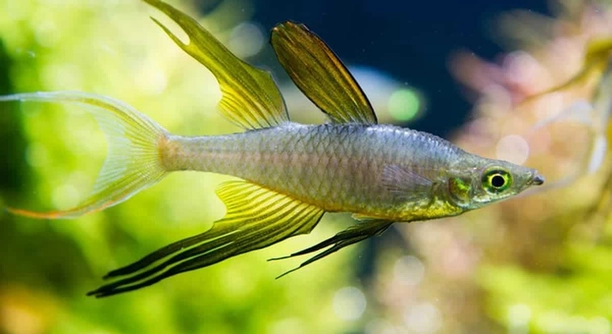
Are your threadfin rainbowfish often hiding at the back of the tank, making it difficult to enjoy their colors and movements? Many aquarists notice these timid fish prefer safe spaces where they can feel secure.
Providing clever hiding spots in your aquarium ensures threadfin rainbowfish feel protected and reduces stress. Dense plants, driftwood structures, and small caves mimic natural habitats, promoting natural behavior, enhancing well-being, and supporting their overall health and activity levels.
Creating these spaces not only comforts your fish but also enriches the tank environment, making observation and care more rewarding for both you and your aquatic pets.
Dense Plant Clusters
Adding dense plant clusters to your aquarium provides natural hiding places for threadfin rainbowfish. Tall plants like Vallisneria, Java fern, and Anubias create vertical cover, while bushy foreground plants offer horizontal shelter. These clusters allow fish to retreat when feeling nervous, helping them stay relaxed. Over time, you will notice your fish exploring the tank more confidently as they become accustomed to the secure spaces. Plants also improve water quality by absorbing excess nutrients, which benefits the entire aquarium ecosystem. Arranging plants at different heights encourages natural swimming patterns and gives your fish options for hiding depending on their mood. Combining soft-leaved and sturdy plants ensures some areas remain intact even if fish nibble lightly. Live plants contribute oxygen and reduce algae growth, creating a healthier environment overall. By thoughtfully placing plant clusters, you can mimic the natural habitats of threadfin rainbowfish, making them feel more at home and encouraging their natural behaviors consistently.
Dense plants not only hide fish but enhance the aquarium’s aesthetic appeal, providing both beauty and function.
Layering plants strategically creates dynamic spaces for fish to explore safely, supporting their behavior and overall tank health over time.
Driftwood Structures
Driftwood provides solid shelter and adds texture to the tank, creating multiple hiding spots for timid threadfin rainbowfish. The irregular shapes allow fish to navigate through tunnels and crevices, feeling protected while still being able to observe their surroundings. Driftwood also naturally releases tannins into the water, slightly softening it and mimicking conditions from their natural habitat. Placing pieces at different angles creates shaded areas, encouraging shy fish to venture out gradually. Combining driftwood with plants enhances both cover and visual appeal. Regularly check for sharp edges to prevent injury, and rinse wood thoroughly before introducing it to the aquarium. Over time, biofilm may develop on the wood, which some fish nibble on, providing a supplemental food source. Carefully arranged driftwood can transform a simple tank into a layered, engaging environment.
A single piece of driftwood can create multiple hiding zones, making fish feel secure without overcrowding the tank.
Integrating driftwood with plants and rocks establishes a balanced habitat. Fish can retreat, explore, and interact with the environment naturally. Proper placement and maintenance are essential to prevent obstruction and maintain water quality while enhancing both aesthetics and functionality. Driftwood also encourages natural behaviors, such as grazing and minor territorial displays, providing mental stimulation for your fish. By considering shape, size, and placement, you can create zones that reduce stress and support healthy interactions among fish. Over time, shy threadfin rainbowfish will use these spaces confidently, improving their visibility in the tank and overall well-being.
Small Caves and Ceramic Hides
Small caves or ceramic hides give threadfin rainbowfish a secure retreat. These compact shelters mimic natural crevices, reducing stress and encouraging natural behaviors without taking up too much space in the tank.
Placing these hides along the tank’s edges or near plants ensures fish feel safe while observing their surroundings. They can retreat when startled or resting, which improves their confidence and overall activity. Ceramic or resin options are durable, easy to clean, and resistant to water damage. Rounded edges and smooth surfaces prevent injuries, making them safer than jagged decorations. Some hides come with multiple entrances, offering fish choices for retreat and exploration. By arranging several in different areas, fish learn to navigate the tank while maintaining a sense of security. Over time, you may notice shy fish venturing out more frequently as they grow comfortable with their environment.
Combining small caves with plants or driftwood enriches the aquarium, providing layered spaces that feel natural and secure for your rainbowfish.
Multiple hides spread throughout the tank allow fish to choose spots, reducing aggression and encouraging healthy, stress-free behaviors.
Floating Plants
Floating plants create shaded areas at the water surface, giving rainbowfish cover and reducing stress from bright lighting or open spaces.
They also help regulate light intensity, reduce algae growth, and provide a feeling of security. Fish often hover beneath leaves, exploring freely while remaining protected. Floating plants can be combined with submerged vegetation and driftwood to create vertical layers in the aquarium. Species like duckweed, water lettuce, and frogbit are lightweight, easy to manage, and do not require special substrates. Leaves gently move with the water, simulating natural currents, which encourages natural swimming patterns. Roots dangling into the water provide additional shelter for fry or timid fish. Regular trimming prevents overcrowding, maintaining a balance between shade and swimming space. Properly maintained floating plants support water quality, stabilize temperature, and improve oxygen levels, all while offering multiple hiding spots for your fish.
Floating plants are ideal for layering the aquarium, creating depth, shade, and shelter for timid fish.
They integrate seamlessly with existing décor, enhancing both aesthetics and functionality while ensuring your rainbowfish feel safe and confident in their environment.
Rock Formations
Rock formations provide stable hiding spots and natural barriers for timid threadfin rainbowfish. They create caves, ledges, and crevices that help fish feel secure while exploring the tank environment.
Stacking smooth, non-toxic rocks carefully prevents collapse and injury. Varied shapes allow fish to choose preferred retreats.
PVC Tubes and Aquarium Pipes
PVC tubes and aquarium-safe pipes serve as practical shelters. They are lightweight, easy to clean, and can be cut to different lengths to accommodate fish size. Placing them horizontally or vertically encourages exploration and retreat. These structures are durable and resistant to water damage, offering consistent hiding options. Regular placement adjustments maintain novelty, keeping fish engaged while reducing stress. Tubes can be partially buried in substrate or placed among plants to make them feel more natural. Multiple tubes in different areas of the tank allow simultaneous hiding for several fish, promoting a calm environment. Smooth edges prevent injuries, and their modular nature makes rearranging simple to create varied pathways and retreats.
Leaf Litter
Leaf litter mimics natural riverbeds, giving rainbowfish soft, low-lying cover. It provides small hiding spaces while slowly decomposing, enriching the tank substrate naturally.
How many hiding spots does a threadfin rainbowfish need?
A few well-placed hiding spots are usually enough for a small group of threadfin rainbowfish. Each fish should have access to at least one or two retreats, so they can feel safe without competing too much. More hiding spaces can be added gradually to see which areas they prefer. Observing their behavior will show which spots are used most often.
What types of plants are best for creating cover?
Tall plants like Vallisneria, Anubias, and Java fern work well because they provide vertical shelter. Bushy foreground plants offer horizontal cover, creating layers for fish to explore. Floating plants like duckweed or frogbit add shaded areas at the surface. Combining different types ensures varied spaces and encourages natural swimming patterns. Live plants also improve water quality and oxygen levels.
Can decorations like rocks and driftwood be used safely?
Yes, as long as they are smooth, aquarium-safe, and arranged carefully to prevent collapse. Driftwood releases tannins, slightly softening the water, which mimics natural habitats. Rocks and caves provide secure retreats, especially when placed near plants or at tank edges. Avoid sharp edges and unstable stacks to prevent injury. Regular cleaning ensures no debris or algae builds up excessively.
Are PVC tubes a good alternative for shy fish?
PVC tubes are lightweight, durable, and easy to clean. They can be cut to different lengths and placed horizontally or vertically. Tubes allow fish to explore and hide without overcrowding the tank. Burying them partially in the substrate or hiding them among plants makes them feel more natural. Tubes can also be rearranged to create new pathways and reduce boredom.
How does leaf litter help timid rainbowfish?
Leaf litter simulates natural riverbeds, providing soft, low-lying cover. Fish can hide beneath leaves, feeling secure while still having space to swim. As leaves decompose, they enrich the substrate and offer microhabitats for small organisms. Using Indian almond leaves or similar types can slightly tint the water, creating a calm, natural environment that encourages healthy behavior.
Should hiding spots be spread out or grouped together?
Spreading hiding spots throughout the tank is generally better. It prevents territorial disputes and allows multiple fish to retreat simultaneously. Grouping some decorations in clusters can also create attractive zones for exploration, but overall spacing ensures shy fish can find quiet areas without stress. Observing your fish’s preferences will help refine placement.
How often should hiding spots be cleaned or maintained?
Cleaning depends on the material. Ceramic hides, PVC tubes, and driftwood can be rinsed periodically to remove debris or algae. Live plants need pruning to prevent overgrowth. Leaf litter should be replaced as it decomposes too much or pollutes the water. Regular maintenance keeps hiding spots safe and preserves water quality for the fish.
Do hiding spots affect fish interaction or social behavior?
Yes, they reduce stress and aggression by giving timid fish places to retreat. Fish can explore safely and maintain natural swimming patterns. Properly arranged hiding spaces promote confidence, encouraging shy fish to venture out. Over time, well-placed shelters help create a calmer, more balanced aquarium where fish interact more naturally.
Can too many hiding spots be harmful?
Excessive hiding spots can reduce swimming space, limiting movement and exercise. Balance is key—provide enough shelters to reduce stress but leave open areas for swimming and activity. Observing how fish use the space helps determine the right amount and placement. Adjusting decor gradually ensures a healthy, functional habitat.
Are hiding spots necessary for all aquariums with rainbowfish?
While not strictly mandatory, hiding spots greatly improve well-being, especially for timid species like threadfin rainbowfish. They encourage natural behaviors, reduce stress, and enhance overall health. Even in a simple tank, adding a few plants, caves, or driftwood pieces can make a significant difference in fish confidence and activity levels.
This FAQ provides practical guidance for creating a safe, comfortable environment for threadfin rainbowfish while maintaining a visually appealing and functional aquarium. Hiding spots support their natural instincts and improve long-term care success.
Creating a safe and comfortable environment for threadfin rainbowfish is essential to their well-being. Timid by nature, these fish need spaces where they can retreat when they feel threatened or stressed. By adding hiding spots such as dense plant clusters, driftwood, rock formations, PVC tubes, small caves, floating plants, or leaf litter, you provide your fish with both physical protection and a sense of security. Each type of shelter has unique benefits, from improving water quality and mimicking natural habitats to giving fish areas for exploration and rest. Observing how your fish interact with these spaces helps you understand their preferences and ensures you maintain a healthy, stress-free aquarium.
A balanced aquarium combines hiding spots with open swimming areas. While it is important to give rainbowfish access to secure retreats, leaving space for movement supports natural behaviors and physical activity. Overcrowding the tank with decorations or shelters can reduce swimming space and limit exercise, which may affect fish health. By arranging plants, rocks, driftwood, and other hides thoughtfully, you can create layers and zones that feel natural. Floating plants provide shade and surface cover, while leaf litter adds subtle shelter at the bottom. Each element contributes to a more dynamic and engaging environment, encouraging rainbowfish to explore and interact while still feeling protected. This balance between security and space is key to fostering confidence and promoting overall well-being.
Maintaining hiding spots is as important as creating them. Regular cleaning and pruning prevent debris, algae buildup, or decaying leaves from affecting water quality. Smooth edges and careful placement prevent injury, and rotating or rearranging shelters occasionally keeps the environment interesting for your fish. Over time, shy rainbowfish may grow more confident, venturing further into the tank and displaying natural behaviors more freely. Providing a variety of hiding spots and ensuring they are well-maintained not only reduces stress but also supports long-term health. Thoughtful planning and consistent care allow threadfin rainbowfish to thrive, creating a visually appealing and harmonious aquarium that reflects both their natural habits and your attention to their needs.

Hello,
If you enjoy the content that we create, please consider saying a "Thank You!" by leaving a tip.
Every little bit helps us continue crafting quality advice that supports the health, happiness, and well-being of pets around the world, for pets of all shapes, sizes, and species.
We really appreciate the kindness and support that you show us!