
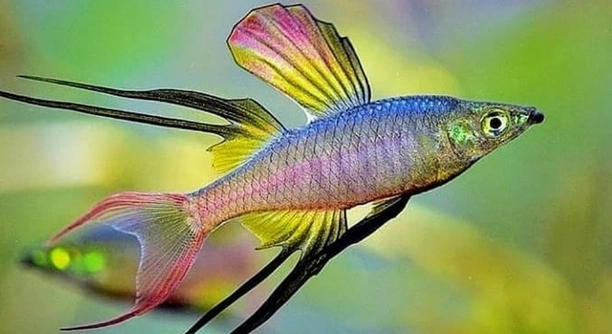
Photographing threadfin rainbowfish at home can be both relaxing and rewarding. These vibrant fish offer a splash of color to your tank, and capturing their beauty with a camera allows you to appreciate their unique patterns daily.
Proper lighting, a steady camera, and a calm environment are essential for photographing threadfin rainbowfish. Using a macro lens, adjusting shutter speed, and minimizing reflections ensures sharp, detailed images while maintaining the natural colors and behavior of the fish.
Capturing these fish successfully requires patience, attention to detail, and understanding their movements within the tank environment.
Choosing the Right Tank Setup
A suitable tank setup is crucial for photographing threadfin rainbowfish effectively. Start with a tank that offers enough swimming space and clear visibility. Avoid cluttering it with too many decorations, as open areas allow the fish to move naturally. Use a dark or neutral background to help the colors of the fish stand out in photographs. Proper water quality is essential; clean, filtered water keeps the fish healthy and their colors vibrant. Lighting plays a major role, so consider adjustable LED lights to mimic natural conditions without startling the fish. Positioning the tank away from direct sunlight reduces glare and unwanted reflections. Consistency in temperature and water parameters helps the fish stay active and stress-free, which is important for capturing dynamic shots. Observing their patterns of movement throughout the day allows you to anticipate the best moments to photograph them. Patience and careful observation make a noticeable difference in image quality.
Even small adjustments in tank layout can significantly improve both fish comfort and photographic clarity.
A calm, well-maintained tank not only supports healthy behavior but also highlights the threadfin rainbowfish’s iridescent scales and graceful movements. Avoid sudden changes in water conditions, as this can stress the fish and reduce their natural activity. Proper substrate, gentle filtration, and subtle decorations like smooth stones or live plants create appealing backgrounds while giving the fish room to swim freely. Regular maintenance keeps the environment consistent, allowing predictable behavior for better photo timing. By fine-tuning these details, you ensure that the fish’s natural beauty is showcased in your images while maintaining their well-being.
Camera Settings for Clear Shots
Adjusting camera settings ensures sharp, vibrant images. Keep ISO low to reduce noise and blur.
Use a fast shutter speed to capture quick movements without distortion. Pair this with a wide aperture to isolate the fish from the background, creating a visually striking composition. Manual focus is often more reliable than autofocus, which can struggle with reflections on the glass or erratic fish movement. White balance adjustments help retain true colors, especially under artificial lighting. Position your camera at the tank’s eye level to capture natural angles and perspectives. Using a tripod stabilizes the camera, minimizing shake and allowing precise composition. Experiment with different lenses if possible; macro lenses highlight fine details, while standard lenses capture broader scenes. Avoid using flash directly, as it can startle the fish and produce harsh reflections. Continuous shooting mode increases the chances of capturing the perfect moment. Observing the fish’s patterns helps anticipate where to focus next for dynamic shots.
Combining correct camera settings with patience produces photographs that reveal the intricate beauty of threadfin rainbowfish while keeping them comfortable.
Using Natural and Artificial Light
Proper lighting brings out the vibrant colors of threadfin rainbowfish. Natural light is soft and even, while adjustable LED lights can mimic daylight without causing stress. Avoid direct sunlight to prevent glare and reflections that interfere with clear photographs.
Using natural light during the day produces soft, consistent illumination, highlighting the iridescent scales of the fish. If the room lacks sufficient sunlight, use artificial lighting positioned above or beside the tank. Diffusers can soften harsh light and reduce reflections on the glass. Experiment with angles to see how shadows and highlights emphasize different features. Light color temperature impacts the appearance of reds and blues, so aim for neutral tones to capture true colors. Maintaining consistent lighting throughout the session ensures uniformity across multiple shots.
LED or natural lighting should complement the fish’s activity patterns. Soft, diffused light avoids startling them while allowing clear, crisp images. Adjusting the intensity or position slightly can reveal textures and movements that add depth to your photos. Observing their behavior under different lighting helps capture natural poses, making your images appear more lively and authentic.
Timing Your Shots
Threadfin rainbowfish are more active at certain times of the day, making it easier to capture dynamic photos. Observing their routine helps plan the best moments for shooting.
Early morning or late afternoon often shows peak activity. Fish explore the tank, interact with plants, and display their colors vividly. Avoid photographing immediately after feeding when they may hide or move unpredictably. Planning sessions when the fish are naturally active improves shot variety and reduces stress. Using continuous shooting mode helps catch fleeting moments during their fast movements.
Capturing fish in motion requires patience and anticipation. Watch for recurring behaviors, such as swimming patterns or feeding habits, to predict where they will be. Timing shots when the fish face the camera or display their fins enhances composition. A few well-timed images are more impactful than numerous random attempts. Combining timing with proper camera settings ensures clarity, color accuracy, and natural expression, producing photographs that reflect the fish’s liveliness while minimizing stress or disturbance.
Minimizing Reflections
Reflections on the tank glass can ruin photos. Use a polarizing filter or adjust your shooting angle to reduce glare. Turning off nearby lights and covering reflective surfaces also helps.
Positioning yourself slightly above or to the side of the tank limits unwanted reflections. Even small adjustments in camera placement can make a noticeable difference.
Choosing the Right Lens
A macro or standard lens works best for threadfin rainbowfish photography. Macro lenses capture fine details, while standard lenses give broader compositions.
Choosing the right lens affects the clarity and style of your images. Macro lenses allow close-ups of scales, fins, and facial features without disturbing the fish. Standard lenses capture the fish within the environment, showing swimming patterns and interactions with plants or tank decor. Both lens types require attention to focus, aperture, and distance to maintain sharpness. Experimenting with different focal lengths helps determine which setup produces the most appealing results while keeping the fish calm and natural in appearance.
Maintaining Patience
Patience is essential when photographing active fish. Quick movements require careful observation and timing.
FAQ
How can I keep my threadfin rainbowfish calm while photographing them?
Keeping the fish calm is key to good photos. Avoid sudden movements around the tank and maintain a consistent environment. Dim lights slightly if they seem skittish, and ensure water parameters are stable. Using a tripod allows you to remain still while shooting.
What is the best distance to shoot from the tank?
Shooting too close can stress the fish and cause reflections. A moderate distance with a zoom or macro lens works best. Maintain enough space so the fish swim naturally while keeping the frame filled with their movements and colors.
Should I use flash when photographing fish?
Flash is generally not recommended as it can startle fish and create harsh reflections. Use continuous LED lighting or natural light for softer illumination. If flash is necessary, diffuse it to prevent sharp glares and avoid disturbing the fish.
How do I reduce blur when fish are moving quickly?
Increase shutter speed to capture fast movements. Using a tripod or stabilizer reduces camera shake. Continuous shooting mode helps catch sharp frames while the fish swim. Combining fast shutter speed with adequate lighting ensures clear, detailed images without motion blur.
What camera settings are ideal for capturing vibrant colors?
Set a low ISO to reduce noise and preserve color detail. Adjust white balance to match your lighting, and use a wide aperture to isolate the fish from the background. Manual focus can help capture small details like scales or fin textures.
Can I photograph multiple fish at once without losing clarity?
Yes, but it requires careful composition. Use a slightly smaller aperture to increase depth of field so more of the group stays in focus. Make sure the background is uncluttered and lighting is even across the tank to prevent uneven exposure.
How do I handle reflections on the glass?
Polarizing filters reduce reflections. Shooting at an angle rather than straight-on also minimizes glare. Covering bright surfaces around the tank and turning off nearby lights helps maintain a clean, distraction-free frame.
Is it necessary to clean the tank before photographing?
Yes, clean glass and water enhance clarity. Remove algae and debris, but avoid sudden deep cleaning that could stress the fish. A consistently maintained tank produces better images and keeps the fish healthy.
What is the best time of day to photograph rainbowfish?
Early morning or late afternoon often shows the fish at their most active. Observing their routine helps plan sessions when they display natural swimming patterns and vibrant colors. Consistent timing improves the likelihood of capturing dynamic, lively images.
How can I make my photos look more professional at home?
Focus on lighting, composition, and patience. Use neutral backgrounds, adjust camera settings for clarity, and observe the fish’s behavior to capture the right moments. Small details like lens choice, tripod stability, and consistent tank maintenance elevate home photography quality.
Are there any tricks for photographing small details like fins or scales?
Macro lenses work best for fine details. Use soft lighting and a steady hand or tripod to avoid blur. Focus manually to highlight specific areas and experiment with angles to reveal textures and patterns effectively.
How do I prevent stress during long photo sessions?
Limit session length and observe the fish for signs of stress like hiding or rapid movements. Take breaks, adjust lighting if necessary, and keep the tank environment stable. Short, frequent sessions are better than extended ones for capturing natural behavior.
Can I use props or decorations for more interesting photos?
Yes, but keep them minimal. Smooth stones, live plants, or subtle backgrounds add visual interest without overwhelming the fish. Avoid sharp or reflective objects that could stress or harm them. Simple props enhance composition while keeping the focus on the rainbowfish.
How do I ensure consistent results across multiple sessions?
Maintain similar lighting, camera settings, and tank conditions for each session. Observe fish behavior and shoot at the same times of day. Consistency in preparation ensures comparable colors, clarity, and overall quality in your photographs.
Is post-processing necessary for home fish photography?
Post-processing helps adjust exposure, color balance, and sharpness, but it should be minimal. The goal is to enhance natural beauty without altering true colors. Consistent lighting and camera settings reduce the need for heavy editing while keeping images realistic.
How can I photograph shy or hiding fish?
Be patient and avoid approaching too quickly. Wait for them to emerge naturally, and focus on areas they frequent. Using longer lenses allows distance while capturing clear shots without causing stress or sudden movements.
What mistakes should I avoid when photographing at home?
Avoid sudden movements, harsh lighting, flash, and cluttered backgrounds. Overhandling the tank or frequent changes in water conditions can stress fish. Poor camera settings or ignoring reflections also reduce image quality. Observing fish behavior and adjusting your approach prevents common mistakes.
How do I balance multiple lighting sources?
Combine natural and artificial light carefully. Position lights to avoid harsh shadows and reflections. Diffusers or softboxes help blend sources evenly. Test angles and intensities before shooting to ensure the fish appear well-lit and natural.
Can I photograph at night or in low light?
It’s possible with LED lighting or slow shutter techniques, but fish movement can cause blur. Continuous soft lighting works better than flash, and using a tripod reduces shake. Observing their activity ensures they remain visible and comfortable during low-light sessions.
How do I capture movement while keeping the fish in focus?
Use continuous autofocus or manual focus with predictive positioning. Fast shutter speeds reduce motion blur. Watching their swimming patterns allows anticipation of direction and timing, increasing the chance of sharp, dynamic shots that capture natural movement and elegance.
Final Thoughts
Photographing threadfin rainbowfish at home is a combination of patience, observation, and careful preparation. These fish are naturally active and vibrant, which makes capturing their beauty both rewarding and challenging. A well-maintained tank, proper lighting, and the right camera settings create a foundation for high-quality images. Consistent care for the fish ensures they remain healthy and display their full range of colors, which is essential for photography. Simple adjustments, like arranging the tank with a neutral background or minimizing reflections, have a noticeable effect on the final image. Even small details, such as the angle of the camera or the time of day, can make a significant difference in capturing natural poses and movements. Over time, you begin to notice patterns in their behavior, which allows you to anticipate movements and position yourself for the best shot. Observing the fish closely also helps reduce stress and keeps them comfortable, which is just as important as technical skill in photography.
Using proper lighting is one of the most important elements when photographing rainbowfish. Natural light brings out softer tones, while adjustable LED lights provide control over brightness without startling the fish. Avoiding direct sunlight prevents glare and reflections that can interfere with clarity. Positioning your camera at eye level with the fish often results in more engaging and natural-looking photos. Using tools like tripods or polarizing filters further enhances image quality by stabilizing the camera and reducing unwanted reflections. Patience plays a central role during any photography session, especially when the fish move unpredictably. Short, focused sessions usually yield better results than extended shoots, as the fish remain calm and active. Capturing a mix of close-up details and wider tank shots provides a balanced perspective, highlighting both the intricate patterns of the scales and the overall elegance of their swimming behavior. By combining technical preparation with careful observation, you can create images that accurately reflect the natural beauty of threadfin rainbowfish.
Maintaining a consistent approach is equally important for long-term photography. Keeping camera settings, lighting conditions, and tank environment uniform allows for reproducible results over multiple sessions. Observing the fish’s routines helps in predicting activity, which improves the chances of capturing the perfect moment. Minimal post-processing ensures the colors and textures remain true to life, while minor adjustments can enhance sharpness and exposure when needed. Incorporating small decorative elements, such as smooth stones or live plants, can add visual interest without overwhelming the subject. Above all, respect for the fish’s well-being is crucial; healthy, unstressed fish naturally display their best features, making photography easier and more enjoyable. Over time, attention to these details builds both skill and confidence, allowing you to create a consistent collection of clear, vibrant, and expressive photographs that showcase the unique beauty of threadfin rainbowfish in a home environment.

Hello,
If you enjoy the content that we create, please consider saying a "Thank You!" by leaving a tip.
Every little bit helps us continue crafting quality advice that supports the health, happiness, and well-being of pets around the world, for pets of all shapes, sizes, and species.
We really appreciate the kindness and support that you show us!