
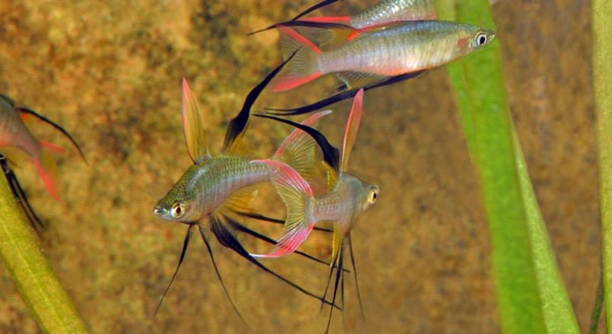
Have you ever kept threadfins in your aquarium and noticed their timid nature around other fish? These delicate swimmers have unique needs and behaviors that can make choosing tankmates a careful decision. Their sensitivity often surprises new owners.
Threadfins should generally not be housed with larger, aggressive fish. Larger fish can stress or injure threadfins, which are fragile and less competitive for food. Proper tank management and compatible species selection are critical for their health and well-being.
Learning how to choose the right companions for threadfins ensures a balanced and peaceful aquarium environment. Proper understanding helps maintain their health while preventing conflicts in your tank.
Understanding Threadfin Behavior
Threadfins are peaceful and shy by nature, often preferring to swim in schools. Their delicate fins make them vulnerable to nips from more aggressive or larger fish. In my experience, they thrive in calm environments with gentle tankmates that do not compete aggressively for food. Observing their behavior daily helps you notice early signs of stress, like hiding or reduced appetite. Water quality also plays a huge role; even minor fluctuations can stress them and make them more susceptible to bullying. Proper hiding spaces, gentle filtration, and a well-planted tank create an environment where threadfins feel secure. Choosing compatible species like small tetras or peaceful danios allows them to swim freely without constant threat. It’s important to remember that threadfins rely on their speed and schooling behavior to feel safe, so keeping them in small numbers or with large, fast-moving fish can lead to constant anxiety and potential injury.
Small schools of threadfins adapt better than individuals, reducing stress and encouraging natural swimming behaviors.
Observing their feeding habits is also essential. Threadfins eat slowly, and larger fish may outcompete them, leaving them malnourished. Providing floating or slow-sinking food ensures everyone gets enough to eat. Tank setup matters too—rocks, plants, and driftwood give them spaces to retreat. Even simple adjustments like lower lighting or gentle currents can make a significant difference in their comfort levels. Keeping a peaceful, compatible tank community not only protects their physical health but also supports their natural behaviors, reducing stress and promoting longevity. When threadfins are content, their colors become more vibrant, and they exhibit more confident swimming patterns, making the aquarium experience rewarding for both you and the fish.
Choosing Tankmates Carefully
Selecting tankmates requires careful consideration. Threadfins do best with small, non-aggressive species that swim at similar levels in the tank.
Peaceful schooling fish such as guppies, small rasboras, or juvenile danios are usually compatible. Avoid large, predatory, or territorial fish, as they can intimidate or injure threadfins. Even seemingly gentle fish can stress them if they are fast or overly curious. Tank size also affects compatibility; a larger, well-planted aquarium allows more space and reduces encounters that could lead to bullying. Introducing threadfins last often helps them adjust while other fish are already established. Watching interactions closely during the first few days is important, as early signs of stress like hiding, fin clamping, or sudden color changes indicate incompatibility. Providing multiple feeding zones ensures threadfins get their share of food, and maintaining stable water conditions supports their immune systems. By making careful choices, you create a safer, more harmonious tank where threadfins can thrive alongside compatible species, maintaining both their health and natural behaviors.
Feeding Considerations
Threadfins often struggle to compete for food with larger fish. Providing slow-sinking pellets or finely chopped live food ensures they can eat without stress.
Feeding small amounts multiple times a day works best. In my experience, dividing food into tiny portions prevents larger fish from dominating meals. Floating flakes may float away too quickly, leaving threadfins with little to eat. Using feeding rings or offering food in different tank zones helps them access nourishment comfortably. Observing their feeding behavior daily ensures all fish are getting enough nutrition and reduces stress-related aggression. Adjusting portion sizes based on activity levels keeps the tank balanced and healthy.
Overfeeding can create water quality problems, which threadfins are sensitive to. Removing uneaten food promptly prevents spikes in ammonia or nitrites. Live or frozen foods like brine shrimp or daphnia supplement their diet effectively, supporting growth and coloration. Rotating different food types keeps them healthy and encourages natural foraging behaviors. In my tank, I noticed threadfins are more active and vibrant when feeding routines are consistent and food is carefully managed.
Tank Setup Essentials
Threadfins need open swimming areas combined with plenty of hiding spots. Driftwood, rocks, and plants create safe spaces while allowing free movement.
Tank size is crucial. Larger aquariums reduce stress from territorial or fast-moving fish. Gentle filtration avoids strong currents that can exhaust threadfins. Lighting should be soft to prevent constant hiding, and planted areas should have low to mid-height coverage to give retreat zones. I find that spacing decorations evenly helps them establish comfortable swimming lanes. Substrate choice matters too; sand or smooth gravel minimizes fin damage. Monitoring water parameters consistently prevents sudden changes that can stress them. Threadfins benefit from slightly cooler, stable temperatures and neutral pH, which supports natural behaviors.
Placement of ornaments, plants, and feeding zones impacts their comfort. Avoid cluttered areas that trap them or block escape routes. Using floating plants adds cover and diffuses light, calming them further. In my experience, providing a combination of vertical and horizontal swimming space encourages schooling and reduces stress. Regular observation of interactions helps identify problematic tankmates early. Adjusting the layout slightly over time can improve comfort, keeping threadfins active and healthy. Consistent maintenance of filtration and water parameters ensures longevity and reduces the likelihood of stress-induced illness.
Monitoring Health
Threadfins show stress through clamped fins, pale colors, or erratic swimming. Early detection prevents serious health issues.
Regular observation of their behavior and appetite helps identify problems quickly. Quarantining new fish before introducing them reduces disease risk and keeps threadfins safe.
Avoiding Aggressive Tankmates
Keeping threadfins with aggressive or territorial fish often leads to injuries. Even slightly larger, fast-moving fish can intimidate them. Choosing peaceful companions ensures their safety and reduces chronic stress, allowing them to swim and feed comfortably in a calm environment.
Water Quality Management
Threadfins are sensitive to changes in water parameters. Consistent temperature, pH, and clean filtration prevent stress and disease. Monitoring ammonia, nitrite, and nitrate levels regularly protects their health.
Observation Tips
Watching how threadfins interact with tankmates helps spot early aggression. Sudden hiding or unusual swimming patterns indicate the need for adjustments.
FAQ
How many threadfins should I keep together?
Threadfins are schooling fish, so they feel most comfortable in groups of at least five to six. Smaller numbers can lead to stress and timid behavior. In my tank, I’ve noticed that larger schools swim more confidently and explore the aquarium more actively, while smaller groups often hide and seem nervous. Keeping them in proper numbers supports their natural social behaviors and reduces anxiety caused by larger or more dominant fish.
Can threadfins live with slightly larger fish?
Slightly larger fish may seem harmless, but even minor size differences can cause stress. Threadfins are delicate and can be outcompeted for food or chased. I’ve seen cases where even peaceful, medium-sized fish caused threadfins to hide constantly. Choosing species that are similar in size and temperament is much safer, and always monitor initial interactions closely to ensure the threadfins are comfortable.
What type of food is best for threadfins?
Threadfins need a diet of slow-sinking pellets, frozen or live foods like brine shrimp, daphnia, or finely chopped worms. They eat slowly, so floating flakes often leave them undernourished. In my experience, dividing meals into small portions multiple times a day ensures they get enough nutrition without competition from faster, larger fish. Rotating food types also helps maintain their health and natural foraging behavior.
How do I tell if threadfins are stressed?
Signs of stress include clamped fins, faded colors, hiding, or erratic swimming. I’ve found that observing them at feeding time is particularly telling. If they struggle to compete for food or avoid certain areas of the tank, these are clear signals they feel threatened. Stress can weaken their immune system, so quick adjustments to tankmates or environment are necessary.
Is a special tank setup required for threadfins?
Yes. Threadfins need open swimming space but also plenty of hiding spots. Driftwood, rocks, and plants help them feel safe while maintaining room to move freely. Soft lighting and gentle filtration reduce stress. I’ve noticed that small adjustments, like floating plants or spacing decorations evenly, make a big difference in their comfort levels. Proper substrate, like sand or smooth gravel, prevents fin damage.
What tankmates are ideal for threadfins?
Small, peaceful, and non-territorial species are best. Guppies, rasboras, and juvenile danios are good examples. Avoid large, fast-moving, or aggressive fish. I keep my threadfins with gentle schooling fish only, and it has dramatically reduced stress and aggression. Observing interactions for the first few days helps ensure compatibility and allows me to make quick changes if needed.
How often should I check water parameters?
Threadfins are sensitive to changes in ammonia, nitrite, nitrate, pH, and temperature. I check water at least twice a week and immediately after adding new fish. Consistent water quality prevents stress-related illness. Using gentle filtration and avoiding sudden temperature shifts keeps the environment stable, which is critical for their health and longevity.
Can threadfins recover if stressed by other fish?
Yes, but recovery requires removing stressful tankmates or rearranging the environment. In my experience, adding more hiding spots and adjusting feeding zones helps them regain confidence. Patience is key—once stress is reduced, they return to normal swimming patterns, regain color, and begin feeding properly again.
Are threadfins prone to disease?
Stress from incompatible tankmates or poor water quality makes threadfins more vulnerable. I’ve found that quarantining new fish, maintaining stable water conditions, and monitoring for early signs like fin rot or lethargy significantly lowers disease risk. Keeping a balanced diet also supports immunity and overall health.
Can I mix threadfins with bottom-dwelling fish?
Yes, bottom-dwellers like small catfish or corydoras usually do not compete directly with threadfins for space or food. I’ve kept them together successfully, and it creates a balanced tank environment. Just make sure the bottom fish are peaceful and not overly active during feeding, which could stress threadfins swimming above them.
What is the best way to introduce new fish to a threadfin tank?
Introducing new fish slowly helps prevent stress. I float the bag in the tank for 15–20 minutes, then gradually mix tank water. Observing the first interactions is crucial. If threadfins hide or are chased, removing the new fish or adjusting tank layout can prevent injuries and ongoing stress.
How do I maintain long-term harmony in a mixed tank?
Monitoring behavior, feeding carefully, and maintaining water quality are essential. I periodically rearrange plants or décor to reduce territorial disputes. Keeping consistent schedules and avoiding sudden changes in tankmates or environment keeps threadfins comfortable. Over time, peaceful coexistence becomes natural, and all species thrive.
This FAQ provides practical, hands-on tips for keeping threadfins healthy and comfortable, reducing risks from larger or aggressive fish, and ensuring a harmonious tank environment.
Final Thoughts
Keeping threadfins in an aquarium with other fish requires careful planning. These fish are naturally shy and delicate, so their environment needs to be calm and well-managed. In my experience, threadfins thrive best when they are housed with peaceful, small, and non-aggressive species. Larger or more active fish can intimidate them, causing stress that affects their appetite and behavior. Stress in threadfins is not always obvious at first. Hiding more than usual, clamping fins, or fading colors are early signs that the tank may not be suitable. By paying close attention to their behavior daily, you can make small changes before serious problems occur.
Proper feeding is also essential when keeping threadfins with other fish. These fish are slow eaters and can easily be outcompeted for food by larger or faster tankmates. Offering slow-sinking pellets, finely chopped live foods, or frozen options multiple times a day ensures they receive enough nutrition. I have found that feeding in multiple zones or using floating rings to control food placement helps threadfins eat without stress. Maintaining a balanced diet improves their growth, color, and overall health. Overfeeding larger fish or leaving uneaten food to decay can harm water quality, which directly affects threadfins. A clean, stable environment combined with careful feeding routines makes a significant difference in their well-being.
Tank setup and water management are equally important for threadfins. They need open areas for swimming but also plenty of hiding spots, such as driftwood, rocks, and plants. Proper placement of décor ensures they have safe zones and prevents constant exposure to potential threats. I prefer using gentle filtration and soft lighting because strong currents or harsh light can increase stress. Monitoring water parameters like temperature, pH, ammonia, nitrite, and nitrate levels keeps the tank stable, as threadfins are sensitive to sudden changes. Observing interactions with other fish, maintaining consistent feeding and care routines, and providing a calm environment all contribute to a healthy, thriving aquarium. With the right preparation and ongoing attention, threadfins can live happily with compatible tankmates, showing natural behaviors, vibrant colors, and active swimming patterns. Careful management ensures both their safety and enjoyment in a shared tank environment.

Hello,
If you enjoy the content that we create, please consider saying a "Thank You!" by leaving a tip.
Every little bit helps us continue crafting quality advice that supports the health, happiness, and well-being of pets around the world, for pets of all shapes, sizes, and species.
We really appreciate the kindness and support that you show us!