
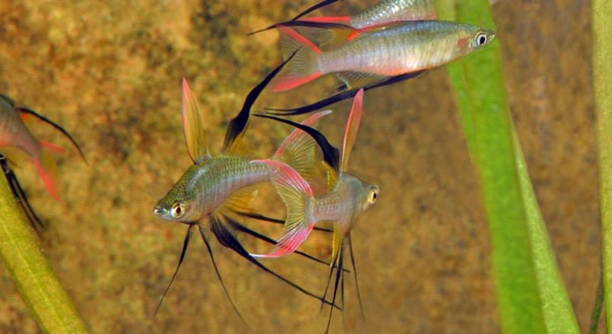
Have you ever noticed your Threadfin Rainbowfish swimming calmly in the tank and wondered about their daily habits? These small, colorful fish have subtle behaviors that are easy to miss but important for their wellbeing. Observing them can be rewarding and relaxing.
Threadfin Rainbowfish do exhibit periods of rest during the day. While they do not sleep in the same way humans do, they enter short restful states, reducing activity and conserving energy, often near plants or sheltered areas of the tank.
Understanding these quiet moments can help you better care for your fish and create a more comfortable environment in your aquarium.
Understanding Threadfin Rainbowfish Rest Patterns
Threadfin Rainbowfish are active swimmers, yet they have clear periods of rest during the day. These moments usually occur when the tank is quiet, the lights are dim, or there is minimal disturbance. During these rest periods, their movements slow, and they may hover near plants, decorations, or the bottom of the tank. While it may appear they are doing nothing, these intervals are crucial for conserving energy and maintaining health. Unlike mammals, they do not enter deep sleep cycles, but their bodies still benefit from reduced activity. Observing them, I noticed that each fish has slightly different resting spots and times, which seems influenced by personality and comfort levels. They often seek areas with gentle water flow to avoid expending extra energy. Providing plenty of hiding spaces and calm zones ensures these fish can rest without stress, which improves their color, activity, and overall longevity in the aquarium environment.
Resting periods help Threadfin Rainbowfish maintain energy and reduce stress, ensuring they remain healthy and visually vibrant throughout the day.
Watching these small, colorful fish settle quietly gives a subtle sense of calm. Their soft glides and pauses reflect how the aquarium environment supports natural behaviors. It’s a reminder that careful observation can reveal the nuances of their daily lives and show how minor adjustments in tank setup or lighting can make a big difference in their comfort.
Creating a Comfortable Rest Environment
Tank setup plays a significant role in supporting rest. Quiet areas, low lighting, and gentle water flow encourage these fish to relax naturally.
A well-structured tank promotes safe resting spots for Threadfin Rainbowfish, ensuring they can conserve energy throughout the day. Providing plants, smooth decorations, and gentle water currents helps them find calm areas to hover and settle. Avoid sudden disturbances, loud noises, or excessive handling, as these can prevent restful behavior. Adjusting lighting gradually, rather than abrupt on-off cycles, allows fish to adapt and enter their resting phases naturally. Proper temperature and water quality are also essential, as stress from poor conditions reduces rest and can lead to illness. Overcrowding limits available space, forcing fish to compete for shelter and lowering the overall quality of their rest. By observing their preferred areas and adjusting tank features, you create a more comfortable environment that mimics natural conditions. This attention to detail not only improves their rest but enhances activity levels, coloration, and long-term health, creating a more balanced and harmonious aquarium setting.
Recognizing Signs of Daytime Rest
Threadfin Rainbowfish often slow their movements and hover in one spot. They may tuck close to plants or decorations and show minimal interaction with other fish. These subtle changes indicate restful behavior rather than illness or stress.
During rest periods, their fins move gently, and their bodies remain steady. Some fish choose corners of the tank or shaded areas under plants, while others prefer midwater spots with slower currents. Observing closely, I noticed that their gill movement also slows slightly. These signs are natural and indicate the fish are conserving energy. Sudden bursts of activity are rare during these quiet periods, showing they are comfortable in their environment. Providing multiple resting areas helps each fish find a preferred spot, ensuring they all get adequate downtime. Over time, patterns emerge, making it easier to predict when they are likely to rest and allowing for a calmer tank routine.
Noticing subtle cues, such as hovering near objects or reduced interaction, helps distinguish restful behavior from stress or illness. Consistent observation makes it easier to support their natural patterns.
Encouraging Healthy Rest Habits
A stable environment promotes regular rest for Threadfin Rainbowfish. Consistent lighting, water temperature, and minimal disturbances are key to healthy behavior.
Creating a comfortable setting involves gentle water flow, plenty of plants, and quiet corners. Bright, fluctuating lighting can disrupt their rest cycles, so using a timer ensures gradual changes that mimic natural conditions. Avoid tapping the glass or frequent rearrangements, as sudden changes can startle fish and reduce restful periods. Regular feeding schedules also play a role; feeding at predictable times allows fish to feel secure and settle afterward. I found that observing which areas they naturally choose for rest helps me adjust plant placement and decorations to support multiple hiding spots. Overcrowding should be avoided, as limited space increases stress and reduces downtime. By prioritizing these adjustments, each fish can establish a routine, conserving energy and staying healthy, while maintaining vibrant coloration and natural behaviors.
Common Misunderstandings About Daytime Rest
Some people assume Threadfin Rainbowfish are always active and do not need breaks. This misconception can lead to unnecessary stress in the tank. Recognizing that rest is normal helps maintain healthier, calmer fish.
Ignoring signs of rest might prompt unnecessary adjustments in lighting or water flow. These changes can disturb their natural cycles and reduce overall wellbeing.
Ideal Tank Conditions for Rest
Threadfin Rainbowfish thrive in a tank with stable temperature, clean water, and gentle currents. Providing ample hiding spots, such as plants and decorations, ensures they have safe areas to rest. Gradual lighting changes simulate natural daylight, allowing them to settle comfortably. Overcrowding should be avoided, as it limits available space and increases stress. I noticed that when the tank has a mix of open swimming areas and shaded corners, each fish finds a spot that suits its preference. Observing these choices helps in arranging the tank to support natural rest behavior, promoting energy conservation, vibrant colors, and overall health.
Observing Behavior Patterns
Tracking daily routines reveals when fish are most active and when they prefer resting. This helps maintain a balanced environment.
FAQ
Do Threadfin Rainbowfish need total darkness to rest?
No, they do not require complete darkness. These fish can enter restful states under normal aquarium lighting as long as it is stable and not too bright. I noticed that gradual dimming or soft light during the day encourages resting behavior without causing stress. Sudden changes in lighting, however, can startle them and interrupt rest.
How long do they rest during the day?
Rest periods are generally short, lasting anywhere from 15 minutes to an hour, depending on activity levels and tank conditions. Some fish take multiple short rests throughout the day, while others may remain still for longer stretches. Each fish seems to have its own routine, which becomes easier to notice with careful observation.
Can resting behavior indicate illness?
Resting alone is normal and healthy, but unusual patterns—such as staying in one spot for hours without moving, losing appetite, or showing rapid gill movement—could indicate stress or illness. Observing overall behavior, including swimming, feeding, and interactions, helps distinguish natural rest from health concerns.
Do they prefer certain spots to rest?
Yes, most Threadfin Rainbowfish choose areas with shelter or gentle water flow. Plants, rocks, and decorations provide security, reducing stress during rest. I found that fish often return to the same spot consistently, suggesting a preferred location. Open areas are less commonly chosen unless the tank feels very safe and quiet.
Should I change water flow for their rest?
Gentle water flow is ideal. Too strong currents can tire them and interfere with resting, while stagnant water can reduce oxygen levels. Adjusting the flow to create calm zones allows fish to hover comfortably without expending extra energy. Observing their preferred areas helps determine the best setup.
How does feeding affect daytime rest?
Predictable feeding times support natural rest cycles. Fish tend to settle after eating, using energy for digestion rather than swimming actively. Irregular feeding can increase stress and activity, reducing opportunities for rest. I noticed that consistent feeding creates a calmer, more predictable tank environment overall.
Do they sleep at night differently than during the day?
Nighttime rest is usually longer and more consistent because of lower light levels and minimal disturbances. During the day, they take shorter, intermittent rests. Providing a quiet, dim environment at night helps maintain natural circadian rhythms and supports overall health.
Can stress disrupt their rest?
Yes, disturbances such as loud noises, sudden movements, or frequent tank rearrangements can prevent proper resting behavior. Fish become more active and anxious, which reduces energy conservation. Creating a stable, calm environment allows them to establish natural resting patterns without interruption.
How can I tell if my fish are well-rested?
Signs of healthy rest include gentle fin movement, steady hovering, and resuming normal swimming patterns afterward. Vibrant coloration and regular feeding habits also indicate they are comfortable and conserving energy effectively. I often watch for these behaviors to ensure the tank environment supports their needs.
Are multiple fish affected by each other’s rest?
Yes, fish often synchronize short resting periods, especially in smaller groups. Having several calm areas in the tank helps reduce competition for space. Observing interactions during rest shows which areas are preferred and how to arrange the tank for multiple fish to feel secure simultaneously.
Do changes in tank setup affect resting habits?
Significant changes, like moving decorations or adding new fish, can disrupt established resting patterns. I noticed my fish initially avoided new spots until they became familiar. Keeping changes gradual helps maintain comfort and allows fish to adjust without stress, supporting consistent rest behavior.
Can lighting schedules improve rest patterns?
Using a timer for lights creates predictable cycles, encouraging natural rest periods. Gradual transitions between light and dim conditions mimic natural conditions, helping fish settle. Sudden bright lights or long periods of illumination can reduce resting behavior and increase stress. Consistency is key for maintaining energy balance and overall health.
Do older fish rest differently than younger ones?
Older fish may rest longer or more frequently than younger, more active individuals. Younger fish often move more and take shorter rests. Observing each fish individually helps identify normal patterns and ensures both young and older fish have adequate areas to rest comfortably throughout the day.
Is it normal for fish to rest near the surface?
While less common, some Threadfin Rainbowfish rest near the surface if the water is calm and safe. Surface resting usually happens in low-stress conditions with stable water parameters. Watching their preferences helps in arranging decorations to provide options both near the surface and lower areas of the tank.
Do environmental changes like temperature impact rest?
Yes, water temperature affects activity and resting behavior. Cooler or unstable temperatures can reduce energy and force fish to rest more, while overly warm water increases activity and stress. Maintaining stable, species-appropriate temperatures ensures consistent rest and overall wellbeing.
Threadfin Rainbowfish are small, colorful fish that bring life and movement to any aquarium. Observing their behavior closely shows that they are not constantly active; they need periods of rest throughout the day. Unlike humans, they do not have a deep sleep cycle, but they do enter short, calm phases where their activity slows, and they hover in quiet areas of the tank. During these times, they often gather near plants, decorations, or gently flowing water, which provides a sense of security. Watching these moments can be surprisingly calming, as their gentle glides and pauses create a peaceful rhythm in the aquarium. Understanding that these rest periods are natural helps aquarists avoid unnecessary concern when the fish appear still or less active. It is also a reminder that energy conservation is essential for their overall health, supporting vibrant coloration and steady growth.
Providing a stable and comfortable environment is key to helping Threadfin Rainbowfish rest properly. Lighting, water flow, tank decorations, and temperature all influence their ability to settle and relax. Gentle water currents allow the fish to hover without struggling, while plants and hiding spots give them secure areas to pause and rest. Gradual lighting changes, rather than abrupt shifts, encourage natural resting behavior without startling them. Predictable feeding schedules also contribute to calmer periods, as fish are less likely to stress when they know food will come at regular times. I noticed that when the tank is arranged with both open swimming areas and safe, shaded corners, each fish finds a preferred spot that suits its personality. Overcrowding should be avoided, as limited space forces competition for these resting areas and can increase stress levels. By paying attention to these factors, aquarists can create a supportive environment that balances activity and rest, ultimately promoting healthier, more vibrant fish.
Observing the rest behavior of Threadfin Rainbowfish can also deepen one’s understanding of their needs and preferences. Some fish may rest near the bottom, others midwater, and occasionally near the surface, depending on comfort and tank setup. Each fish develops its own routine, and patterns become easier to notice with regular observation. Small changes, like adding more plants or adjusting water flow, can improve comfort and encourage natural behavior. Recognizing rest as a normal and necessary part of daily life helps in distinguishing healthy behavior from signs of stress or illness. Paying attention to these details not only supports physical health but also allows the fish to express natural behaviors that make an aquarium more lively and engaging. In the end, ensuring that Threadfin Rainbowfish have consistent, calm periods of rest is essential for their wellbeing, and a little observation and adjustment can go a long way in maintaining a thriving aquarium environment.

Hello,
If you enjoy the content that we create, please consider saying a "Thank You!" by leaving a tip.
Every little bit helps us continue crafting quality advice that supports the health, happiness, and well-being of pets around the world, for pets of all shapes, sizes, and species.
We really appreciate the kindness and support that you show us!