
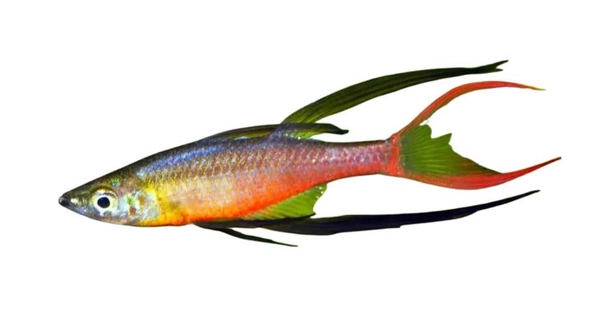
Do you ever notice your new Threadfin Rainbowfish acting strangely in their tank? Their behavior can sometimes seem unpredictable and confusing, especially when they are adjusting to unfamiliar surroundings. Understanding these quirks helps you care for them better.
Threadfin Rainbowfish often struggle in new tanks due to sudden changes in environment, water conditions, and social dynamics. These factors can trigger stress responses, impacting feeding, swimming patterns, and overall behavior, which requires careful observation and gradual acclimation.
Recognizing these challenges early can make a significant difference in helping your fish settle comfortably and thrive in their new home.
Sudden Water Changes
Sudden changes in water chemistry can be overwhelming for Threadfin Rainbowfish. They are highly sensitive to shifts in pH, temperature, and hardness. Even small fluctuations can make them hide or swim erratically. When introducing them to a new tank, the water should be carefully matched to their previous environment. Using a water testing kit helps monitor these levels. Gradually adjusting the water over several hours or days can prevent shock. Sudden cleaning or replacing too much water at once can cause stress. Observing the fish after changes allows you to spot any early signs of discomfort, such as clamped fins or lethargy. Keeping the environment stable helps maintain their natural coloration and normal behavior. Providing gentle filtration and avoiding strong currents also reduces stress. Over time, consistent water conditions allow the fish to adapt and feel more secure in their new home, encouraging healthy feeding and swimming patterns.
Maintaining steady water parameters is essential for reducing stress and helping the fish thrive in a new tank environment.
Gradual acclimation works best. Start by slowly mixing the new tank water with the water the fish arrived in. Avoid sudden movements and strong water flow. Monitor their reactions closely and adjust conditions if they seem unsettled. Consistency in temperature, pH, and hardness will help them establish normal behavior more quickly. Regular water testing and careful observation are key steps to ensure they adapt comfortably.
Overcrowding and Tankmates
Overcrowding can make Threadfin Rainbowfish anxious and defensive.
A crowded tank increases competition for food and space. Some fish may chase or nip at others, causing injuries or stress. Careful selection of peaceful tankmates and maintaining adequate swimming space is vital. Providing hiding spots and plants helps reduce tension among the fish.
Threadfin Rainbowfish are social but delicate. Too many fish in one tank can lead to constant stress, which suppresses immunity and affects coloration. They prefer groups of their own kind but need enough room to swim freely. Introducing new tankmates gradually and ensuring compatibility is important. Avoid aggressive species or those that outcompete them for food. Observing interactions during feeding and general activity helps identify potential conflicts early. Strategic tank decoration, such as plants, driftwood, or rocks, creates territories that reduce stress. Ensuring the tank is not overcrowded and maintaining a calm environment supports their natural behavior, improves feeding, and enhances overall health. Proper management of numbers and space can prevent long-term stress, giving your Threadfin Rainbowfish a comfortable and thriving home.
Lack of Hiding Spots
Threadfin Rainbowfish feel vulnerable without places to hide. Open tanks can make them skittish, leading to stress and erratic swimming.
Adding plants, driftwood, or small caves provides security. These fish use hiding spots to rest, escape perceived threats, and recover from stressful moments. Without shelter, they may avoid eating or show subdued colors, impacting overall health. Observing their behavior can help determine if more coverage is needed.
Hiding spots also help reduce aggression from tankmates. When fish have areas to retreat, conflicts over territory or food are minimized. It’s best to create multiple zones so every fish has a safe space. Using live or artificial plants, strategically placed rocks, and small decorations mimics a natural environment. This setup encourages natural exploration and activity while giving the fish control over their surroundings. Maintaining some open swimming space ensures they stay active and healthy. Gradually, the fish will feel secure and display normal, vibrant behavior.
Providing a balance of open areas and shelters creates a comfortable environment that promotes confidence and reduces stress in new tanks.
Inconsistent Feeding
Inconsistent feeding schedules confuse Threadfin Rainbowfish and affect their appetite. They thrive on routine and expect regular meals.
Providing small, frequent portions encourages proper feeding behavior. Sudden changes in food type or timing may cause them to refuse meals or compete aggressively. Observation is crucial to adjust the feeding routine based on individual and group needs.
A varied diet of high-quality flakes, pellets, and occasional live or frozen food ensures proper nutrition. Overfeeding can lead to water quality problems and obesity, while underfeeding causes stress and slow growth. Establishing a consistent feeding schedule helps the fish anticipate food, reducing anxiety and improving overall health. Monitoring leftovers and adjusting portions prevents waste and maintains stable water parameters. Gradual introduction of new foods helps them adapt without sudden refusal. Proper feeding routines, combined with stable water conditions, support strong coloration, active swimming, and long-term vitality in Threadfin Rainbowfish.
Bright or Harsh Lighting
Threadfin Rainbowfish are sensitive to strong light. Harsh lighting can make them hide or swim nervously, especially in new tanks.
Using dimmed or filtered lighting helps them feel secure. Plants and decorations can diffuse light, creating natural shaded areas that reduce stress and encourage normal activity.
Strong Water Currents
Strong currents can tire Threadfin Rainbowfish and cause stress. They prefer gentle, steady water flow that allows natural swimming without forcing them to struggle.
Adjusting filter output and using decorations to break the flow creates calmer zones. This encourages active swimming while preventing exhaustion and anxiety in the fish.
Temperature Fluctuations
Temperature swings confuse Threadfin Rainbowfish. Sudden drops or rises in water temperature can suppress immunity and affect behavior.
Maintaining a consistent, moderate temperature suitable for tropical fish helps them stay healthy and comfortable. Using a reliable heater and thermometer ensures stability in the tank.
Why are my Threadfin Rainbowfish hiding so much in the new tank?
Hiding is usually a sign of stress or uncertainty. New tanks can feel overwhelming because everything is unfamiliar—the water, the decorations, and the other fish. Providing plenty of plants, driftwood, and small caves gives them a sense of security. Over time, as they become comfortable, they will start exploring and swimming more freely. It is important to avoid sudden movements around the tank or frequent rearrangement of decorations, as this can prolong stress. Watching them gradually come out of hiding is a good indicator that they are adapting well.
Why won’t my Threadfin Rainbowfish eat properly?
Threadfin Rainbowfish often refuse food when stressed or adjusting to a new environment. Sudden changes in water conditions, lighting, or tankmates can reduce their appetite. Offering small portions at regular times helps them adjust. A mix of high-quality flakes, pellets, and occasional frozen or live foods ensures proper nutrition and encourages eating. Avoid overfeeding, which can harm water quality and create additional stress. Observation is key—notice which foods they accept first, then slowly introduce variety. Maintaining consistent feeding routines helps the fish feel secure and promotes better health.
How do I know if the tank is too stressful for my fish?
Signs of stress include hiding constantly, clamped fins, erratic swimming, faded colors, or refusal to eat. Monitoring behavior closely during the first weeks is important. Stress often stems from sudden water changes, poor water quality, overcrowding, or aggressive tankmates. Adjusting these factors gradually helps reduce anxiety. Providing hiding spots and maintaining stable conditions supports calmer behavior. Checking water parameters like pH, temperature, and hardness regularly ensures the environment is suitable. Observing interactions among fish helps identify any social stress, allowing for early intervention before it affects health or growth.
Can Threadfin Rainbowfish live with other species?
Yes, but choosing compatible tankmates is crucial. Peaceful, similarly sized fish work best. Avoid aggressive or territorial species that may chase or nip at them. Overcrowding increases stress and competition for food, so space must be sufficient. Introducing new fish slowly allows everyone to adjust. Providing hiding spots and visual barriers can reduce potential conflicts. Observing interactions, especially during feeding times, ensures harmony. Proper selection of tankmates encourages social behavior while preventing stress-related illness or injury.
How do I acclimate new Threadfin Rainbowfish to a tank?
Acclimation is essential to reduce shock. Float the bag in the tank for 15–20 minutes to equalize temperature. Gradually mix small amounts of tank water into the bag over 30–60 minutes to adjust water chemistry. Avoid sudden changes in pH, temperature, or hardness. Once acclimated, gently release the fish into the tank without flushing them with bag water. Providing hiding spots and monitoring behavior after release supports a smoother transition. Observing their response over the next few hours to days helps catch any signs of stress early and allows you to take corrective measures quickly.
Why do my Threadfin Rainbowfish swim near the surface?
Surface swimming often indicates low oxygen levels or poor water circulation. Checking water quality and ensuring proper filtration and aeration are important. Gentle movement near the surface is normal, but constant gasping is a warning sign. Adjusting tank flow, adding air stones, or increasing plant coverage can help. Consistent water maintenance prevents oxygen depletion and ensures healthy swimming behavior.
How can I prevent stress in Threadfin Rainbowfish long-term?
Consistency is key. Maintain stable water parameters, provide hiding spots, and establish feeding routines. Avoid sudden changes in lighting, decorations, or tankmates. Monitoring their behavior regularly and adjusting environmental factors gradually keeps them calm. Stress prevention ensures healthy growth, vibrant coloration, and active swimming, supporting long-term well-being. Proper planning before adding fish creates a secure environment where they thrive naturally.
What are signs that my Threadfin Rainbowfish are adapting well?
Healthy, active swimming, regular feeding, bright colors, and occasional social interaction with other fish indicate adaptation. Reduced hiding and exploration of the tank are positive signs. Observing these behaviors confirms they are comfortable. Consistent water conditions, balanced diet, and calm surroundings reinforce adaptation, ensuring a healthy and happy fish population.
This FAQ section helps address common issues, giving practical solutions for reducing stress and supporting Threadfin Rainbowfish in a new tank. Proper care and observation lead to happier, healthier fish that display natural behavior and thrive over time.
Word count: 523
Threadfin Rainbowfish are delicate and sensitive fish that need careful attention, especially in new tanks. Adjusting to a new environment can be stressful for them, and understanding their behavior helps in providing the right care. Many common problems arise not because of neglect, but because the tank conditions do not match their natural needs. Factors such as water quality, tankmates, hiding spots, and feeding schedules all play an important role in how comfortable they feel. Observing their behavior closely allows you to notice signs of stress early, such as hiding, erratic swimming, clamped fins, or refusal to eat. These observations help you make necessary adjustments quickly, giving the fish a chance to adapt without long-term effects. Consistency in their care and environment is key to helping them feel secure, promoting healthy activity, vibrant colors, and natural social interactions.
Creating a suitable tank environment involves balancing multiple elements. Water temperature, pH, and hardness must remain stable, as sudden fluctuations can confuse or stress the fish. Filtration and gentle water flow should mimic natural conditions, preventing exhaustion while keeping the water clean. Decorations, plants, and hiding spots are not just for looks—they provide security and reduce conflicts among fish. Overcrowding can increase stress and aggression, so maintaining adequate space is essential. Feeding routines should be consistent, with a balanced diet that includes flakes, pellets, and occasional frozen or live foods. Gradually introducing new foods or tankmates helps avoid sudden stress, making the fish feel more comfortable and confident. Paying attention to these factors ensures the fish can develop healthy behaviors, maintain strong immunity, and display their full colors.
Patience is essential when caring for Threadfin Rainbowfish. Adapting to a new tank does not happen instantly; it takes time for the fish to feel safe and comfortable. Providing a calm environment, stable conditions, and gentle care encourages them to explore and interact naturally. Watching small improvements, like increased activity, regular feeding, or brighter coloration, is a sign that your fish are settling in well. Long-term success depends on observation, adjustment, and consistency. By addressing stress factors, maintaining proper conditions, and offering security, you create an environment where Threadfin Rainbowfish can thrive. The effort is rewarding, as healthy and happy fish contribute to a lively, balanced tank that reflects both their natural beauty and their well-being.
Word count: 408

Hello,
If you enjoy the content that we create, please consider saying a "Thank You!" by leaving a tip.
Every little bit helps us continue crafting quality advice that supports the health, happiness, and well-being of pets around the world, for pets of all shapes, sizes, and species.
We really appreciate the kindness and support that you show us!