
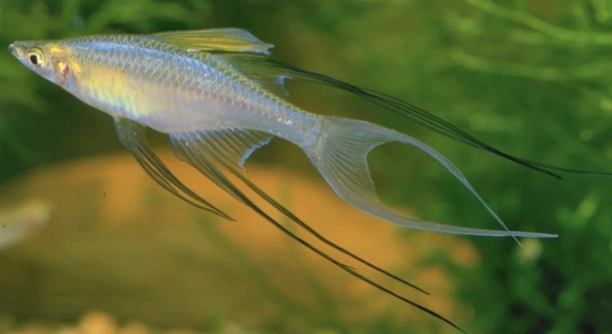
Have you ever noticed how sensitive aquarium fish can be to sudden movements around their tank, leaving you wondering about their natural reactions?
Threadfin Rainbowfish are indeed sensitive to sudden vibrations, as these disturbances can mimic threats in their natural habitat. Their quick response is a survival instinct, allowing them to react swiftly to potential dangers in their environment.
Understanding these reactions helps you create a calmer aquarium setting, supporting healthier behaviors and ensuring your Threadfin Rainbowfish feel safe in their watery home.
Why Vibrations Affect Threadfin Rainbowfish
Threadfin Rainbowfish are small, delicate creatures with highly sensitive senses. In their natural environment, vibrations in the water often signal predators or sudden changes. This sensitivity is what helps them survive, but in aquariums, it can cause unnecessary stress. Vibrations from tapping on glass, dropping objects nearby, or sudden movements can startle them. Their instinct is to react quickly, often darting away or hiding. While these reactions are natural, constant exposure to vibrations may lead to long-term stress, affecting their health and behavior. Reducing these disturbances creates a calmer, safer aquarium for these gentle fish to thrive.
When Rainbowfish experience stress, you may notice changes in their color, eating habits, or swimming patterns. These signs should not be ignored, as they indicate the fish are struggling to adapt to their environment. Limiting vibrations is a simple but important step in supporting their overall well-being.
By understanding this natural response, you can make thoughtful choices in caring for them. Using soft surfaces near the tank, avoiding loud sounds, and placing the aquarium in a low-traffic area all reduce disturbances. Small adjustments create a more peaceful space, ensuring your Threadfin Rainbowfish feel secure and display their natural beauty with confidence.
How to Reduce Stress in Their Tank
Threadfin Rainbowfish need a steady and calm environment to stay healthy. Too much noise or frequent disturbances make them uneasy. Creating stability helps them remain active, bright in color, and more comfortable in their aquarium setting.
One way to reduce stress is by managing the tank’s location. Place the aquarium away from heavy footsteps, slamming doors, or entertainment systems. A quiet corner of your home will naturally provide a calmer setting. You can also use a sturdy stand to lessen vibrations from the floor. Another useful step is choosing a tank with thicker glass, as it can absorb more of the shock caused by sudden contact. Beyond external vibrations, maintaining a steady routine helps Rainbowfish feel secure. Regular feeding, consistent lighting schedules, and clean water conditions all contribute to lowering stress levels. These fish thrive on predictability, and by making these adjustments, you create a balanced environment that supports their natural behaviors and overall health.
Signs of Stress in Threadfin Rainbowfish
Rainbowfish often show stress through faded colors, rapid swimming, or sudden hiding. They may also lose interest in food and appear less active. These behaviors usually signal that the environment is too overwhelming or inconsistent.
A stressed Threadfin Rainbowfish may display clamped fins, unusual twitching, or hovering near the bottom of the tank. Their appetite often decreases, leading to poor nutrition over time. You might also notice them avoiding interactions with other fish or becoming more skittish when approached. These subtle but important signs should be monitored closely.
Prolonged stress can weaken their immune system, leaving them vulnerable to diseases such as fin rot or ich. It can also affect their natural coloration, making them appear dull instead of bright and vibrant. Recognizing these signals early helps prevent further issues and ensures your fish remain healthy and comfortable within their tank environment.
Creating a Calmer Habitat
The best way to support your Threadfin Rainbowfish is by giving them an environment that feels safe. A calm habitat allows them to display their natural colors, interact peacefully with other fish, and avoid constant stress caused by sudden vibrations or disturbances.
Start by adding plants, driftwood, or caves to the aquarium, as these create secure hiding spots. Threadfin Rainbowfish feel safer when they have places to retreat to during sudden disturbances. Choose soft lighting rather than overly bright bulbs, since harsh lights can add stress. Maintaining clean water is equally important, as poor water conditions make fish more sensitive to outside triggers. Placing the aquarium in a stable location where vibrations are minimal will make a big difference. By making these changes, you give your Rainbowfish a balanced, quiet space that allows them to thrive and show off their natural beauty every day.
Observing Behavior Changes
When vibrations disturb Threadfin Rainbowfish, they may swim erratically or dart into hiding spots. These sudden movements reflect their natural defense mechanism, but frequent disturbances can make them appear restless and uneasy in their environment.
Another sign is when they isolate themselves from the group, avoiding normal schooling behavior. Instead of swimming gracefully with others, they remain near the bottom or behind decorations. This type of behavior signals discomfort and should not be overlooked.
Adjusting Tank Placement
The placement of the tank has a strong effect on stress levels. A location near constant noise, doors, or heavy foot traffic can make Rainbowfish uneasy. By placing the aquarium in a quieter space, you minimize sudden disturbances and help them feel more secure.
Maintaining Consistency
Consistency makes Rainbowfish feel safe. Sticking to regular feeding times, stable lighting, and proper water changes prevents additional stress. These steady patterns reduce the chance of agitation and create an environment where your fish can thrive peacefully.
FAQ
Are Threadfin Rainbowfish sensitive to vibrations more than other fish?
Threadfin Rainbowfish are naturally delicate and tend to be more sensitive than many other community fish. Their slim bodies and alert nature make them quick to react to any disturbances in the water. While most fish respond to sudden vibrations, Threadfins can appear more startled and may take longer to calm down. This doesn’t mean they are impossible to keep, but it does mean their environment should be carefully managed to reduce unnecessary stress. A calmer setup helps them feel safer and display their natural, elegant swimming behavior with confidence.
Can sudden vibrations cause health problems for Threadfin Rainbowfish?
Yes, constant exposure to sudden vibrations can lead to long-term stress, which weakens their immune system. A stressed fish is more vulnerable to illnesses such as ich, fin rot, or bacterial infections. Even if the fish does not get sick immediately, ongoing tension can shorten its lifespan. Stress also affects feeding habits, and over time, poor nutrition makes health issues worse. Protecting them from frequent vibrations is not only about comfort but also about ensuring they remain healthy, vibrant, and active in your aquarium. Prevention is always easier than treating illness later.
What are the most common sources of vibrations around a home aquarium?
Aquariums can pick up vibrations from several everyday sources. Tapping on the glass, dropping objects near the tank, or playing loud music can all create sudden shocks. Even simple actions like closing a door too hard or footsteps on wooden floors may disturb Threadfin Rainbowfish. Household appliances, such as washing machines or televisions placed too close, can also transfer vibrations through the floor or stand. Identifying these sources makes it easier to adjust your setup. Moving the aquarium to a quiet spot away from high-traffic areas is one of the simplest ways to reduce stress.
How can I make my aquarium safer for sensitive fish like Threadfins?
Start with the placement of the tank. Keep it in a calm corner of your home, away from constant activity. Use a sturdy stand to absorb vibrations from the floor. Add plenty of live plants or decorations that provide hiding spaces, giving the fish somewhere to retreat when startled. Maintaining consistent lighting, water quality, and feeding routines also helps. The calmer the environment, the less likely they are to react nervously. Small adjustments like using carpets under the stand or reducing direct noise nearby can also make a noticeable difference in their behavior.
Do Threadfin Rainbowfish get used to vibrations over time?
Threadfins may adapt slightly to mild, routine disturbances, but they rarely become fully comfortable with sudden vibrations. Their instinctive response is deeply rooted in survival, so even in captivity, they react quickly to perceived threats. Over time, if the environment is consistent and mostly calm, they may become less skittish and return to normal behavior faster after being startled. However, relying on them to “get used to it” is not ideal. Creating a stable, safe environment is much more effective than expecting them to adapt to constant disturbances.
What signs show that vibrations are causing too much stress?
Signs include dull coloration, refusal to eat, and clamped fins. You may also notice unusual hiding, nervous darting, or lack of schooling behavior. Prolonged stress often leads to weaker immunity, making the fish more susceptible to disease. If these patterns continue despite proper water quality and diet, vibrations are likely a contributing factor. Observing behavior changes is important because early recognition helps prevent long-term problems. When fish stop showing their usual bright colors or swimming patterns, it’s a strong signal that something in their environment is unsettling them.
Can tank mates influence how Threadfin Rainbowfish respond to vibrations?
Yes, tank mates can affect how they react. Peaceful and calm species create a more relaxed environment, helping Threadfins feel safe. On the other hand, aggressive or overly active fish may amplify stress when combined with external vibrations. For example, if Threadfins are startled, seeing fast-moving or nippy fish around them may make them more hesitant to leave hiding. Choosing tank mates like small rasboras, peaceful tetras, or Corydoras can create a soothing community. Avoid pairing them with fin-nippers or large, boisterous fish that could increase tension and worsen their reactions.
Are there specific tank decorations that help Threadfin Rainbowfish feel more secure?
Yes, providing hiding spaces is one of the best ways to help them. Live plants, especially tall or bushy ones, create cover while also improving water quality. Driftwood, rocks, and caves offer physical spaces where fish can retreat if they feel startled. These decorations break up the line of sight in the tank, reducing tension and giving fish a sense of territory. Threadfin Rainbowfish are more confident and willing to swim openly when they know safe spots are available. A well-decorated tank with hiding areas is essential for reducing stress from vibrations.
Can children or pets near the aquarium affect Threadfin Rainbowfish?
Absolutely. Children may tap on the glass or move quickly near the tank, creating vibrations that startle the fish. Pets like cats or dogs can also cause disturbances by brushing against the stand or jumping nearby. While occasional disturbances might not cause harm, repeated activity can stress the fish over time. Setting boundaries by placing the aquarium in a less accessible area helps. Educating children not to tap on the glass and keeping pets from playing near the tank ensures the Rainbowfish remain calm and comfortable in their environment.
Is it possible to completely eliminate vibrations from the aquarium?
It’s almost impossible to remove every vibration, as some level of disturbance is a normal part of keeping fish in a home. However, the goal is not perfection but minimization. By placing the aquarium in a stable area, using a strong stand, and avoiding high-traffic spots, you greatly reduce the impact. Adding soft materials under the stand or ensuring the floor is stable also helps. While small vibrations may still occur, reducing frequent and sudden ones creates a balanced environment. This is usually enough to keep Threadfin Rainbowfish healthy and at ease.
Final Thoughts
Caring for Threadfin Rainbowfish is about understanding how delicate they are and how easily they react to their environment. Vibrations may seem small to us, but to these fish, they can feel like a threat. In the wild, sudden movements in the water usually signal predators, so their quick response is a natural defense. When kept in an aquarium, these instincts remain. This is why it is important to create a calm space that allows them to feel safe. A peaceful environment not only protects their health but also lets their natural colors and graceful swimming shine. By paying attention to their needs, you give them the chance to live comfortably and stress-free.
The health of Threadfin Rainbowfish depends on stability and consistency. A tank placed in a quiet location, away from loud noises and heavy foot traffic, helps reduce stress significantly. Adding plants, driftwood, or rocks gives them hiding spots, which provide comfort when they are startled. Clean water, steady lighting, and regular feeding routines also play a role in keeping them relaxed. While it may take some effort to create the right setup, the rewards are worth it. A calm and predictable aquarium brings out the best in these fish, both in behavior and in appearance. When stress is minimized, they remain active, bright, and social, which is exactly how they should be.
It is also important to remember that no aquarium will ever be completely free of disturbances. Vibrations will always happen from time to time, whether from everyday household activity or small adjustments during tank maintenance. The goal is not to remove every single vibration but to lower the frequency and intensity. Even small changes, like using a solid stand or placing the aquarium on a carpeted floor, make a noticeable difference. Watching how your Threadfin Rainbowfish respond is the best way to know if you are meeting their needs. If they swim calmly, school with others, and show vibrant colors, then they are likely feeling secure. Caring for these fish is about balance, and with patience and consistency, you can create an aquarium where Threadfin Rainbowfish thrive. This attention to detail ensures their long-term health, making your efforts as a caretaker both meaningful and rewarding.

Hello,
If you enjoy the content that we create, please consider saying a "Thank You!" by leaving a tip.
Every little bit helps us continue crafting quality advice that supports the health, happiness, and well-being of pets around the world, for pets of all shapes, sizes, and species.
We really appreciate the kindness and support that you show us!