
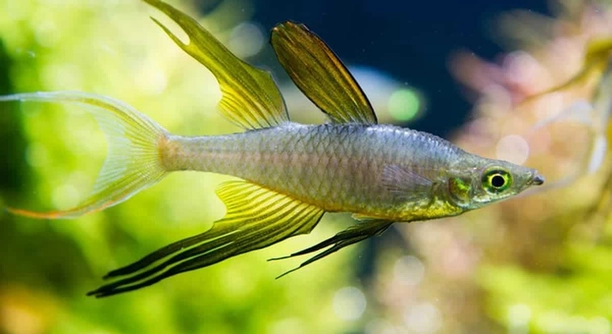
Have you ever watched your threadfin rainbowfish swim and wondered how they behave before breeding? These small, colorful fish show subtle changes in movement, color, and social interactions when preparing to spawn in their tank environment.
Threadfin rainbowfish display distinct pre-breeding behaviors, including intensified color patterns, frequent chasing, and increased territorial displays. Males often perform courtship dances while females respond with selective positioning, indicating readiness for spawning and successful reproduction in controlled aquatic settings.
Observing these behaviors closely can help ensure your fish are healthy and ready for a safe, successful breeding process.
Changes in Color and Fins
Threadfin rainbowfish show noticeable changes in color as they prepare to breed. Males become brighter, their silver and blue scales reflecting more light, while fins often spread wider to appear more prominent. These shifts are not random; they are signals to females that the male is healthy and ready to mate. Observing these color changes can help you identify which males are most likely to attract females and engage in spawning. The females, meanwhile, may darken slightly around the belly, signaling readiness. Their fins also move in subtle ways, often fluttering when they approach a male. Lighting in the tank can impact how vivid these colors appear, so maintaining proper aquarium lighting is important. You may notice that some males display more vibrant colors than others, which can influence dominance and access to potential mates. Tracking these changes gives insight into the timing of breeding activity.
Color intensity and fin display are clear indicators of mating readiness in threadfin rainbowfish.
Paying attention to these subtle visual cues can make a significant difference in predicting spawning times and managing your aquarium effectively.
Courtship Behavior
Before breeding, males often chase females gently around the tank.
These chases are part of a courtship ritual, where males try to get the female’s attention by swimming in short, energetic bursts. The movements are deliberate, showcasing strength and fitness, while males flare their fins to appear larger. Females respond by either accepting the attention or moving away, signaling their readiness. Courtship may occur several times daily, with males repeating these behaviors to encourage spawning. The tank environment affects this process, so it’s important to provide plants or small hiding areas. These give females the choice to participate or retreat, reducing stress. Watching the interactions closely helps identify compatible pairs, increasing the likelihood of successful breeding. The timing and intensity of courtship can also indicate the health and maturity of the fish, giving valuable insight for maintaining a balanced breeding setup. Observing these behaviors consistently allows for better preparation and ensures the fish are comfortable during spawning.
Nesting and Egg-Laying
Females often search for dense plants or smooth surfaces to lay eggs. They may pause near leaves or decorations, signaling readiness, while males hover nearby to guard and encourage.
Egg-laying begins when the female deposits small clusters on chosen surfaces, often among fine-leaved plants. Males swim closely, nudging and circling to ensure fertilization occurs immediately. The process can take several hours, and multiple rounds of egg-laying are common during the breeding period. Water quality and temperature influence how smoothly this happens. Providing a calm environment reduces stress, allowing both male and female to complete spawning without interruption. Observing this behavior can help track which females are actively participating and which eggs are fertilized.
After eggs are laid, males may continue patrolling nearby areas, chasing away other fish to protect the cluster. Females might rest or continue inspecting other surfaces. Egg placement is strategic, aiming for safety from currents or predators in the tank. Keeping the tank well-planted and maintaining gentle water flow ensures higher survival rates for the eggs. Consistent monitoring helps identify fertilized eggs, as unfertilized ones often appear cloudy or shriveled. By understanding these patterns, you can better support the breeding cycle.
Pre-Spawning Social Interactions
Males often increase their presence around females, nudging and circling to maintain attention. These interactions are more frequent and structured.
Social dynamics shift before spawning, with males asserting dominance through displays and gentle chases. Females respond selectively, showing preference or avoidance based on male vigor. Group interactions also affect individual behavior, as subordinate males may wait for opportunities to court without conflict. Observing these patterns provides insight into pairing and compatibility. Environmental conditions, such as hiding spots and plants, influence how these interactions unfold. Social observation helps identify dominant pairs and predict when actual spawning will occur.
Females sometimes show subtle signals like slight color darkening or fin flicks to indicate receptiveness. Males, in turn, adjust their behavior, performing more frequent display routines or positioning themselves near receptive females. These coordinated actions reduce stress and improve the likelihood of successful fertilization. Maintaining a stable environment with minimal disturbances allows these social behaviors to occur naturally, ensuring healthier interactions and better breeding outcomes. Paying attention to these nuances helps plan tank setups for optimal spawning conditions.
Feeding Behavior Before Breeding
Threadfin rainbowfish often increase their food intake prior to spawning. They focus on high-protein foods, which boost energy and support reproductive readiness.
Males may become more competitive at feeding times, demonstrating mild chasing or nipping to establish access. Females eat cautiously, often near hiding spots, conserving energy for egg production.
Pair Bonding
Pairs often spend extended time swimming together. This strengthens coordination during spawning, ensuring smoother egg-laying and fertilization.
Aggression and Territory
Males sometimes become more territorial, guarding specific areas in the tank. This behavior reduces interference from other fish and secures safe spawning zones.
Subtle Fin Movements
Females often flick or wave their fins slightly. These gestures signal readiness and help males align properly during fertilization.
FAQ
How can I tell when my threadfin rainbowfish are ready to breed?
You can observe several signs before spawning begins. Males brighten in color, spread their fins, and perform chasing behaviors around females. Females may darken slightly near the belly and choose areas with dense plants or smooth surfaces for laying eggs. Courtship behaviors, including circling and gentle nudging, are also strong indicators of readiness.
What kind of environment do they need for successful breeding?
A well-planted tank with calm water is essential. Provide fine-leaved plants or smooth surfaces for egg-laying. Maintain stable water temperature, around 25–28°C (77–82°F), and ensure good filtration with gentle flow. Avoid overcrowding, as stress can disrupt courtship and spawning. Lighting should mimic natural day-night cycles to support natural behavior.
How often do threadfin rainbowfish spawn?
Threadfin rainbowfish can spawn multiple times during the breeding season. Males perform courtship several times daily, encouraging females to lay eggs in clusters. A female may lay eggs repeatedly over a few days or weeks, depending on health, age, and environmental conditions. Proper feeding and tank maintenance help sustain frequent and successful spawning.
Do males compete for females?
Yes, males often display territorial and competitive behaviors. They chase other males gently, flare fins, and use color displays to assert dominance. Subordinate males may wait for opportunities to court receptive females without engaging in fights. Providing ample space and hiding spots reduces stress and allows multiple males to coexist.
How can I care for the eggs?
Fertilized eggs should be kept safe from other fish. Eggs often stick to plants or surfaces. You can leave them in the main tank if adults are non-aggressive, or transfer them to a separate breeding tank. Maintain gentle water flow, proper temperature, and avoid sudden movements. Eggs usually hatch within 7–10 days, depending on conditions.
What should I feed fish before and after breeding?
Before breeding, offer high-protein foods like live or frozen brine shrimp, daphnia, or quality flake food. This boosts energy and reproductive readiness. After spawning, continue feeding a balanced diet to help recovery. Proper nutrition ensures healthy adults and strong fry growth once eggs hatch.
How do I know if eggs are fertilized?
Fertilized eggs appear clear or slightly golden, while unfertilized eggs often turn cloudy or shrink. Monitoring eggs daily helps identify fertilized clusters. Removing unfertilized eggs prevents fungus, which can spread to healthy eggs. Gentle care during this stage increases the chances of successful hatching.
Can I keep fry with adult fish?
It’s usually safer to separate fry from adults, as adults may eat eggs or young fish. A small nursery tank or a partitioned area in the main tank allows fry to grow safely. Provide fine-leaved plants or mesh to offer hiding spots and reduce stress for the young fish.
How long does it take for fry to grow?
Fry grow quickly if fed small, high-protein foods such as infusoria or newly hatched brine shrimp. Within a few weeks, they begin to resemble miniature adults. Regular feeding and clean water are crucial for healthy growth. Gradually introduce flake or pellet food as they get larger.
What common mistakes should I avoid during breeding?
Avoid overcrowding, sudden water changes, poor nutrition, and insufficient hiding spaces. Stress from aggressive tank mates can disrupt courtship. Failing to monitor water temperature and flow can also hinder breeding success. Careful observation and proper environment management improve the likelihood of healthy eggs and fry.
How do I manage aggressive males during breeding?
Provide plenty of space and plants to allow retreat. Monitor interactions to prevent injuries. In cases of excessive aggression, temporarily separate dominant males or reduce the number of males in the tank. Gentle management keeps courtship behaviors natural while minimizing stress for both males and females.
Is it necessary to remove unfertilized eggs?
Yes, removing unfertilized eggs prevents fungal growth, which can spread quickly and harm fertilized eggs. Daily inspection helps identify and remove cloudy or shriveled eggs. Maintaining a clean tank with proper flow reduces the risk of contamination and supports successful hatching.
How long do adult threadfin rainbowfish remain in breeding condition?
Adults can remain reproductively active for several months if healthy and well-fed. Seasonal changes in lighting, temperature, or tank conditions may influence breeding cycles. Continuous observation ensures you can identify when males and females are ready and provide optimal conditions for repeated spawning.
What signs indicate that fry are healthy?
Healthy fry swim actively, respond to food, and show gradual color development. They avoid lethargy or staying hidden excessively. Consistent growth and a uniform appearance across a group indicate strong development. Proper water quality, feeding, and a safe environment contribute to maintaining healthy fry during the first critical weeks.
This FAQ provides practical guidance for observing, supporting, and caring for threadfin rainbowfish during the breeding process. Paying close attention to behavior, environment, and nutrition ensures successful spawning and healthy fry development.
Final Thoughts
Breeding threadfin rainbowfish can be a rewarding experience when you understand their behavior and environmental needs. Observing the subtle changes in color, fin display, and social interaction provides important clues about when your fish are ready to spawn. Males often brighten and become more active, while females may darken slightly near the belly and carefully select surfaces for egg-laying. Paying attention to these details makes it easier to predict breeding times and prepare your tank accordingly. A calm and stable environment encourages natural behavior and reduces stress for both males and females. Plants and decorations not only make the tank visually appealing but also serve practical purposes by giving females safe spaces to lay eggs and hiding spots to retreat if needed.
Maintaining proper water quality and nutrition is just as important as observing behavior. Threadfin rainbowfish respond well to stable temperatures, gentle filtration, and balanced lighting that mimics natural day-night cycles. High-protein foods before and during the breeding period support energy needs and improve the chances of successful spawning. After eggs are laid, monitoring their condition helps ensure healthy development. Fertilized eggs are clear or golden, while unfertilized eggs often appear cloudy or shriveled. Removing unhealthy eggs prevents fungus from spreading and harming healthy ones. If possible, separating eggs or fry from adult fish can improve survival rates, though a well-planned tank setup with adequate hiding spots can sometimes allow adults and fry to coexist safely. Regular observation and careful management make a significant difference in maintaining a productive breeding environment.
Finally, patience and attention are key when breeding threadfin rainbowfish. Courtship, egg-laying, and fry development take time, and behaviors can vary among individual fish. Males may show territorial or competitive behaviors, while females respond selectively, so allowing space and avoiding overcrowding reduces stress. Watching these interactions and noting subtle cues, like fin flicks or chasing patterns, gives insight into pairing and timing. By supporting natural behaviors, maintaining optimal conditions, and providing proper nutrition, you can encourage successful breeding and help fry grow strong and healthy. Understanding their needs and responding thoughtfully makes caring for threadfin rainbowfish both manageable and rewarding.

Hello,
If you enjoy the content that we create, please consider saying a "Thank You!" by leaving a tip.
Every little bit helps us continue crafting quality advice that supports the health, happiness, and well-being of pets around the world, for pets of all shapes, sizes, and species.
We really appreciate the kindness and support that you show us!