
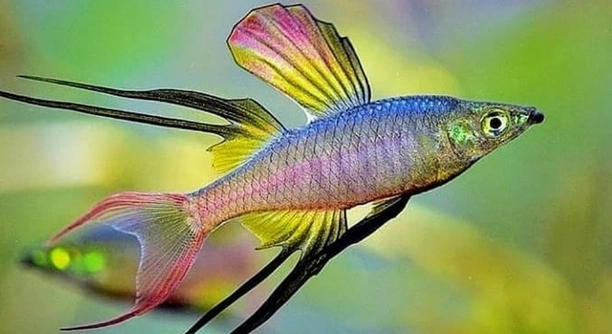
Are your tank conditions ideal for your threadfin fry, or could small changes make a big difference in their survival and growth? Many aquarists underestimate the impact of subtle environmental factors on these delicate fish.
Ensuring the safety of threadfin fry requires careful control of water quality, tank decorations, and feeding routines. Maintaining stable parameters, minimizing hazards, and providing proper nutrition significantly reduces stress and mortality, promoting healthy development during their early life stages.
Learning simple adjustments can dramatically improve the wellbeing of your fry. Small changes often have a big impact on keeping them safe and thriving in your tank.
Maintain Clean Water Conditions
Keeping water clean is essential for threadfin fry. Dirty water can quickly lead to stress, disease, and high mortality. Regular water changes are necessary, ideally removing 20-30% weekly. Filtration is equally important; a gentle filter prevents debris buildup while avoiding strong currents that can harm delicate fry. Testing water parameters is critical. Ammonia, nitrite, and nitrate levels should always be closely monitored. Fry are especially sensitive to sudden changes in pH and temperature, so introducing adjustments gradually is vital. Using a dechlorinator is also recommended to remove harmful chemicals from tap water. Avoid overfeeding because leftover food decomposes quickly, raising toxin levels. Observing the fry daily allows you to spot signs of stress, illness, or poor water quality early. Small, consistent efforts in maintaining water quality make a huge difference for the survival and growth of threadfin fry in your tank.
Clean water directly supports the health and growth of fry, reducing stress and preventing disease efficiently.
A consistent cleaning routine creates a stable environment. By testing water, adjusting conditions gradually, and avoiding overfeeding, you create optimal conditions for fry development. Using a gentle filtration system prevents debris buildup while minimizing currents. Daily observation ensures early detection of problems, helping fry thrive and reducing mortality significantly.
Provide Safe Hiding Spots
Threadfin fry feel more secure with proper hiding places. Plants, rocks, and small decorations offer refuge and reduce stress.
Adding dense plants or fine-leaved artificial greenery can help fry hide from larger tank mates. Avoid sharp or rough decorations that could injure delicate fins or scales. Positioning hiding spots strategically encourages exploration while keeping fry safe.
Safe spaces reduce stress and encourage natural behaviors. Fry that feel secure are more likely to feed regularly and grow well. Floating plants can diffuse light and provide additional shelter, while small caves or smooth ornaments allow fry to rest without being exposed to potential threats. Mixing live plants with gentle hiding structures creates a balanced environment. Regularly rearranging decorations in minor ways can keep the habitat engaging without causing unnecessary stress. Observing how fry interact with these spaces helps identify which areas are most effective for safety. This approach ensures the tank feels like a natural, secure habitat, supporting healthy development and boosting survival rates.
Control Tank Temperature
Threadfin fry are sensitive to temperature fluctuations. Keep the water steady within the recommended range to prevent stress and health issues. Avoid placing the tank near windows or heat sources that could cause sudden shifts.
Stable water temperature is vital for metabolism and growth. Sudden changes can weaken fry, making them more prone to disease. Using a reliable heater with a thermostat helps maintain a consistent temperature. Monitor daily to ensure conditions remain steady. Consistency also supports feeding schedules, as fry are more active and willing to eat when comfortable. Avoid exposing the tank to drafts or direct sunlight, which can quickly alter water temperature. Small adjustments should always be gradual to prevent shock, and observing fry behavior can indicate if the temperature is suitable. Maintaining a stable temperature is one of the simplest ways to improve survival.
Temperature affects not only health but also behavior and feeding. Fry in consistent conditions grow faster, feed regularly, and show less stress. Watching how they respond to slight changes helps fine-tune the environment. Using insulation or positioning the tank in a stable room can prevent extreme fluctuations. Temperature stability also supports beneficial bacteria, improving water quality indirectly. By taking small, deliberate steps to maintain heat, you create a safer and more predictable environment for threadfin fry, helping them develop strong and healthy from the earliest stages.
Avoid Overcrowding
Too many fish in one tank can create stress, reduce oxygen levels, and increase waste. Keep the fry population appropriate for tank size.
Overcrowding can stunt growth and make fry more susceptible to disease. Each fry needs enough space to swim freely and establish safe areas. Regularly monitor the number of fry and remove excess or separate into additional tanks if necessary. Provide enough room for plants and hiding spots to ensure all fry feel secure. Overcrowding also complicates feeding, as weaker fry may miss out on food, leading to uneven growth. Maintaining an appropriate population density improves water quality, reduces stress, and promotes overall health.
Careful stocking ensures fry have space to thrive. Reducing stress through proper density helps maintain feeding routines and natural behaviors. Overcrowded tanks increase aggression, competition, and water contamination, making fry more vulnerable. Splitting fry into multiple tanks when necessary helps maintain balance. Providing adequate space also allows for decorations and plants without restricting movement. Monitoring growth rates and health across the population ensures all fry develop properly. Proper spacing supports survival, encourages growth, and minimizes risks associated with cramped conditions, creating a healthier, more stable tank environment.
Feed Appropriate Food
Threadfin fry need small, frequent meals to grow properly. Choose foods that are easy to digest and high in nutrients. Avoid large pellets that they cannot eat.
Overfeeding can pollute the tank, so feed only what they can consume in a few minutes. Rotating between live, frozen, and finely crushed foods ensures balanced nutrition.
Monitor Water Quality Regularly
Checking water parameters is essential to prevent toxic buildup. Test ammonia, nitrite, nitrate, and pH frequently. Using reliable test kits helps identify problems early. Regular monitoring keeps conditions safe, supporting healthy fry development and reducing the risk of sudden stress or disease.
Limit Strong Currents
Strong water flow can tire fry and cause injuries. Use a gentle filter or adjust the flow to create calm areas. This helps fry swim comfortably, rest safely, and reduces stress in the tank environment.
FAQ
How often should I change the water for threadfin fry?
Frequent water changes are essential for their health. Changing about 20-30% of the tank water once a week keeps toxins low and water conditions stable. Avoid changing too much at once, as sudden shifts can stress fry. Always use dechlorinated water at the same temperature as the tank.
What is the ideal temperature for threadfin fry?
Maintaining a stable temperature is crucial. Most threadfin fry thrive between 75°F and 82°F (24°C–28°C). Using a heater with a thermostat ensures the water stays consistent. Avoid sudden fluctuations caused by sunlight, drafts, or heaters that turn on and off too frequently.
What type of food should I feed them?
Threadfin fry need small, nutrient-rich meals. Finely crushed flake food, micro-pellets, and live or frozen foods like baby brine shrimp or daphnia work well. Feed multiple times a day in small amounts to ensure all fry get enough without fouling the water.
How many fry can I keep in one tank?
Overcrowding can harm growth and increase stress. A general rule is one fry per gallon, though this depends on tank size and filtration. Ensure each fish has space to swim and access hiding spots. Splitting fry into separate tanks helps maintain optimal density.
Do I need hiding spots in the tank?
Yes, threadfin fry feel safer with hiding places. Plants, rocks, or small caves reduce stress and provide security. Avoid sharp or rough decorations that can injure delicate fins or scales. Rearranging plants slightly over time keeps the environment engaging without overwhelming them.
Can I use a strong filter?
Strong currents can harm fry. Use a gentle filter or add a sponge pre-filter to slow water flow. Calm areas allow fry to rest and feed safely. Adjusting flow direction can also create zones where fry feel secure while keeping water clean.
How often should I test water parameters?
Testing water at least twice a week is ideal for fry. Ammonia, nitrite, nitrate, and pH levels should be within safe ranges. Regular testing allows you to act quickly if levels rise and prevent stress or disease. Keep a record of results to track trends over time.
Can I keep other fish with threadfin fry?
It is best to keep fry in a species-only tank or with very small, non-aggressive fish. Larger or aggressive fish can eat or stress the fry. If you want community tanks, consider moving fry to a separate nursery until they grow stronger.
What should I do if a fry appears sick?
Isolate sick fry immediately to prevent spreading disease. Check water quality and correct any imbalances. Small doses of appropriate medications may help, but only use treatments safe for fry. Monitor closely and remove uneaten food to avoid water contamination.
How do I prevent overfeeding?
Feed small portions that fry can finish within a few minutes, two to four times daily. Observe their behavior—if food remains, reduce the next feeding. Overfeeding pollutes the water and increases disease risk. Rotating food types ensures proper nutrition while avoiding waste.
Is it necessary to use live plants?
Live plants are beneficial but not mandatory. They provide hiding spots, help reduce toxins, and slightly stabilize water conditions. If live plants are not possible, finely crafted artificial plants can offer similar shelter and improve the tank environment.
Can fry survive without hiding spots?
Fry can survive, but stress levels are higher without shelter. Increased stress affects feeding, growth, and immune function. Providing hiding spots, even simple floating plants, encourages natural behavior, reduces aggression, and helps fry feel secure in the tank.
How long do threadfin fry take to grow?
Growth rates depend on water quality, feeding, and temperature. Under optimal conditions, fry can grow noticeably within a few weeks. Consistency in care, proper nutrition, and a stress-free environment ensure steady development and higher survival rates.
What signs indicate stress in fry?
Fry that stay at the bottom, hide excessively, or swim erratically may be stressed. Loss of appetite, faded coloration, or rapid gill movement also indicate poor conditions. Check water parameters, flow, and tank setup immediately to address stress factors and improve survival chances.
How can I introduce fry to a larger tank?
Gradual acclimation is essential. Float the fry container in the larger tank, slowly mixing small amounts of tank water over one to two hours. This prevents shock from temperature or water chemistry differences. Transfer fry gently with a small net to reduce injury risk.
Can temperature fluctuations be dangerous?
Yes, even small fluctuations can stress fry, affecting immune function and growth. Keep heaters stable and avoid exposure to sunlight or drafts. Using a reliable thermometer and monitoring daily ensures the tank stays within the safe range consistently.
Are there any signs of overfeeding?
Leftover food, cloudy water, or increased algae growth indicate overfeeding. Overfed fry may have bloating or swim irregularly. Adjust portions, feed more frequently in smaller amounts, and remove uneaten food promptly to maintain healthy water quality.
How often should I clean the tank?
Partial water changes weekly, around 20-30%, are recommended. Remove debris and vacuum substrate carefully to avoid disturbing fry. Complete cleaning is rarely necessary, as it can stress the fish. Maintaining routine cleaning supports stable water conditions and promotes fry growth.
Can I use tap water directly?
No, tap water should always be treated with a dechlorinator. Chlorine and chloramine are harmful to fry. Check temperature and pH before adding water to avoid sudden changes. Safe water ensures fry health and reduces mortality rates significantly.
Is feeding live food necessary?
Live food is not mandatory but highly beneficial. It encourages natural hunting behavior, provides high nutrition, and can improve growth. Supplementing with finely crushed flakes or pellets ensures a balanced diet while keeping water quality manageable.
What is the best way to observe fry health?
Daily observation is key. Watch swimming patterns, feeding behavior, and coloration. Early detection of stress or disease allows prompt intervention. Keeping a journal of behavior, water changes, and feeding helps track fry development and spot trends before problems escalate.
How do I prevent sudden deaths?
Sudden deaths often result from poor water quality, overcrowding, or stress. Maintain stable conditions, proper feeding, and adequate space. Monitor water parameters, reduce strong currents, and provide hiding spots. Quick response to changes in fry behavior can prevent larger losses and keep the tank stable.
Can fry survive with tank mates?
Small, non-aggressive fish may coexist, but the safest approach is a separate fry tank. Larger or aggressive species can stress or eat fry. Separating fry ensures they grow without competition, reduces mortality, and allows easier monitoring and feeding.
How often should I feed fry each day?
Feed two to four times daily in small portions. Fry have high metabolisms and need frequent, easy-to-digest meals. Observing how quickly they consume food helps adjust feeding schedules and prevents leftover food from polluting the tank.
What is the best way to reduce stress in fry?
Provide hiding spots, maintain stable water conditions, limit strong currents, and avoid overcrowding. Gentle handling, consistent feeding, and careful observation reduce stress. A calm environment supports growth, feeding, and overall health, making fry more resilient.
Are artificial plants effective for hiding spots?
Yes, smooth artificial plants can provide safe shelter. They don’t offer the same filtration benefits as live plants but still reduce stress and create secure areas for fry. Combine with small caves or floating structures for better coverage.
Can fry survive sudden water parameter changes?
Sudden changes can be fatal. Gradual adjustments in temperature, pH, or chemical levels are essential. Introducing new water slowly and monitoring behavior ensures fry adapt without stress or injury. Stability is more important than speed when adjusting conditions.
How do I prevent disease in fry?
Maintain clean water, proper feeding, and avoid overcrowding. Quarantine new fish, provide hiding spots, and monitor daily for early signs of illness. Promptly removing sick fry and adjusting tank conditions minimizes disease spread and improves overall survival.
Is it necessary to separate fry from adults?
Yes, adult fish may eat or stress fry. A separate nursery tank allows better control over feeding, water conditions, and safety. Separation improves survival rates and encourages steady growth without interference from larger fish.
How important is daily observation?
Daily checks help detect stress, disease, or water issues early. Observing feeding, swimming, and hiding behavior allows quick adjustments to care routines. This practice increases survival rates and ensures fry grow in a stable, safe environment.
What is the best way to introduce new fry to a tank?
Acclimate slowly by floating the container and gradually mixing tank water. Transfer gently to minimize shock. Proper introduction prevents stress, injury, or sudden deaths, ensuring fry adapt successfully to the tank environment.
Can I use strong lighting in the tank?
Strong lighting can stress fry. Moderate or diffused lighting works best, especially when hiding spots are provided. Floating plants can help reduce intensity, creating a comfortable environment while still supporting plant growth and visibility.
How do I ensure all fry get enough food?
Feed small amounts frequently and observe behavior. Spread food evenly and rotate types to provide balanced nutrition. Ensure weaker fry have access by distributing food carefully and preventing dominant fry from consuming most of it.
Is water movement necessary for fry?
Gentle water movement supports oxygenation without stressing fry. Avoid strong currents that tire or injure them. Position filters or decorations to create calm zones, allowing fry to rest and feed safely while maintaining circulation.
How do I know if the tank is too crowded?
Fry struggling to swim freely, missing food, or frequent aggression indicate overcrowding. Monitor growth and behavior, and consider splitting into additional tanks if necessary. Adequate space reduces stress and supports healthy development.
Can temperature variations affect feeding?
Yes, fry may eat less or stop feeding if water is too cold or too warm. Maintaining consistent temperatures encourages regular feeding, supports growth, and reduces stress-related issues.
What are common signs of stress in fry?
Hiding excessively, erratic swimming, loss of appetite, faded coloration, or rapid gill movement all signal stress. Check water parameters, flow, and tank setup to address the root cause and improve fry wellbeing.
How often should I clean decorations?
Clean decorations carefully during routine water changes. Avoid aggressive scrubbing that could harm plants or alter hiding spots. Maintaining clean surfaces helps prevent algae buildup and supports stable water quality without stressing fry.
Can I use chemicals to treat water quickly?
Only use chemicals safe for fry. Many treatments can harm delicate fish, so prioritize water changes, dechlorinators, and gradual adjustments. Using chemicals incorrectly can stress or kill fry. Always follow product instructions closely.
How do I encourage natural behavior in fry?
Provide hiding spots, gentle currents, and varied food types. A stable environment with proper lighting and plants encourages exploration, feeding, and resting behaviors. Observing interactions helps adjust tank layout for optimal comfort and development.
Is frequent tank rearrangement good?
Minor changes can keep fry engaged, but large or sudden rearrangements cause stress. Adjust decorations slowly, ensuring hiding spots remain accessible. This supports comfort while allowing some environmental enrichment.
Can fry survive in tap water without treatment?
No, untreated tap water contains chlorine and other chemicals harmful to fry. Always treat water with a dechlorinator and ensure temperature and pH match tank conditions to prevent stress or mortality.
Are floating plants beneficial?
Yes, floating plants provide shade, reduce light intensity, and offer additional hiding spots. They create a more natural environment while supporting oxygenation and helping maintain water quality.
How long should fry stay in the nursery tank?
Keep fry in a separate tank until they are large enough to avoid predation or stress from adult fish. This period varies but generally lasts several weeks to months depending on growth and tank conditions.
What is the best way to reduce ammonia spikes?
Regular water changes, careful feeding, and proper filtration prevent ammonia buildup. Avoid overcrowding and remove uneaten food promptly. Stable water parameters keep fry healthy and reduce stress-related deaths.
How important is gentle handling?
Fry are delicate, so handle minimally and carefully. Nets should be soft, and transfers should be slow. Gentle handling reduces injury risk, stress, and mortality, supporting overall growth and wellbeing.
Can fry tolerate different pH levels?
Fry prefer stable pH levels. Sudden shifts can stress or harm them. Slightly acidic to neutral water is usually ideal, but maintaining consistency is more important than reaching a perfect number.
Are live foods always better than flakes?
Live foods improve growth and encourage hunting, but flakes and micro-pellets provide balanced nutrition with less mess. A combination of both ensures proper diet and easier water maintenance.
What is the best way to avoid disease outbreaks?
Maintain clean water, proper feeding, and adequate space. Quarantine new fish, monitor fry daily, and provide hiding spots. Quick response to stress or illness prevents disease from spreading and increases survival rates.
How do I prevent fry from hiding too much?
Ensure hiding spots are balanced and accessible. Fry that hide excessively may be stressed. Maintain proper water conditions, gentle currents, and regular feeding to encourage natural activity without causing fear or overexposure.
Can sudden light changes affect fry?
Yes, sudden bright lights can stress fry. Gradually adjusting lighting or providing floating plants to diffuse intensity helps fry feel secure and encourages normal behavior while minimizing stress.
How do I reduce stress from tank mates?
If other fish are present, ensure they are non-aggressive and small. Providing hiding spots and maintaining space reduces encounters. Consider moving fry to a separate tank until they are stronger and less vulnerable.
Are certain water conditioners harmful to fry?
Some conditioners contain chemicals unsafe for fry. Always check labels and use products labeled for delicate or juvenile fish. Incorrect use can lead to stress, illness, or death. Safe options include dechlorinators and pH stabilizers suitable for fry.
How do I encourage fry to eat consistently?
Feed small, frequent meals and rotate food types. Observe which fry are eating and adjust portions to prevent leftovers. Consistent feeding schedules reduce stress and support steady growth.
Is overcrowding worse than poor water quality?
Both are harmful, but overcrowding often amplifies poor water conditions. High density increases waste, reduces oxygen, and raises stress. Managing population and water quality together ensures optimal fry health.
How can I make feeding easier for all fry?
Spread food evenly, offer small portions multiple times daily, and rotate food types. Observe weaker fry to ensure they get access. Using sinking or slow-dispersing food can help reduce competition.
Are there signs fry are not getting enough oxygen?
Rapid gill movement, gasping at the surface, or lethargy indicate low oxygen. Adjust aeration, water flow, or plant coverage to maintain sufficient dissolved oxygen levels for healthy growth.
How often should I remove uneaten food?
Remove leftovers after a few minutes to prevent water contamination. Excess food decomposes quickly, raising toxins and promoting algae growth. Prompt cleanup protects fry health and maintains water quality.
Can fry adapt to small temperature changes?
Minor, gradual adjustments are usually tolerated, but sudden shifts cause stress. Always change temperature slowly, monitoring behavior and feeding to ensure fry remain healthy and active.
Are some decorations safer than others?
Smooth, rounded surfaces are safest. Sharp or rough edges can injure delicate fins and scales. Plants, small caves, and floating shelters provide security without risk of harm. Avoid glass or ceramic pieces with jagged edges.
Can fry survive in a bare tank?
Yes, but stress is higher without hiding spots. Providing plants or shelters supports natural behavior, reduces aggression, and improves feeding and growth. A bare tank increases vulnerability and can affect survival rates.
How do I prevent nitrate buildup?
Regular water changes, careful feeding, and proper filtration keep nitrate levels safe. Avoid overcrowding and remove waste promptly. Stable conditions promote fry health and reduce stress-related problems.
Can fry survive in slightly different water chemistry?
Fry tolerate minor differences if changes are gradual. Sudden shifts in pH, hardness, or other parameters can stress or kill them. Acclimate slowly and monitor behavior to ensure adaptation.
What is the best way to acclimate fry to new water?
Float the container in the tank and gradually add small amounts of tank water over one to two hours. Gently transfer fry to minimize shock. This prevents stress and supports successful adaptation to new conditions.
Are there signs fry are too cold or hot?
Lethargy, slow feeding, erratic swimming, or hiding indicate temperature stress. Use a reliable thermometer to maintain stable conditions and adjust heaters or positioning as needed. Stable water ensures optimal growth.
Can I use medication preventively?
Preventive medication is risky. Only use treatments when necessary and safe for fry. Maintaining water quality, nutrition, and space is a safer way to prevent disease than routine chemical use.
How do I know if fry are growing properly?
Healthy growth includes regular feeding, active swimming, bright coloration, and steady size increase. Compare development across the group and adjust food or environment as needed to ensure uniform growth.
Is monitoring pH really necessary?
Yes, stable pH is vital for fry health. Sudden fluctuations can cause stress, reduce immunity, and slow growth. Testing regularly allows timely corrections and maintains a safe environment.
Can fry survive with adult fish in the same tank?
Adults often pose a risk of predation or stress. Keeping fry in a separate tank ensures safety, consistent feeding, and better growth rates without interference.
What is the easiest way to provide hiding spots?
Use plants, smooth ornaments, or floating decorations. Combining a few types gives fry choice and security. Avoid sharp or crowded arrangements that could injure or trap them.
How do I manage feeding schedules?
Feed small amounts multiple times daily. Observe consumption, adjust portions, and rotate foods. Proper scheduling prevents leftover food, maintains water quality, and ensures all fry receive adequate nutrition.
Are certain filters better for fry tanks?
Sponge filters or gentle flow filters are ideal. They clean water without strong currents that can tire or injure fry. Avoid powerful filters that create turbulence in small tanks.
Can fry survive in low-light conditions?
They can, but moderate lighting is better for feeding and plant growth. Use diffused light or floating plants to reduce intensity while allowing fry to explore and feed naturally.
How do I prevent overcrowding stress?
Monitor fry numbers, provide adequate hiding spots, and consider splitting into additional tanks if needed. Adequate space and gentle water flow reduce stress and promote healthy growth.
Is quarantine necessary for new fry?
Yes, isolating new fry prevents introducing disease to established populations. Monitor health, water quality, and behavior before mixing with other fry or adult fish
Final Thoughts
Caring for threadfin fry requires attention to detail, consistency, and patience. These small fish are sensitive to changes in water quality, temperature, and tank conditions. Even small mistakes can quickly affect their health and survival. Maintaining stable water parameters is essential, as sudden shifts in pH, ammonia, or temperature can stress fry and slow growth. Regular testing and partial water changes help prevent harmful conditions from developing. A gentle filter and careful monitoring of food intake also make a big difference. Fry respond best to calm, predictable environments where they can feed, swim, and rest without disruption. By prioritizing their basic needs, you create a safe environment that supports healthy development from the earliest stages.
Providing adequate space and hiding spots is another important factor in fry care. Overcrowding leads to stress, competition for food, and increased waste levels, all of which can harm growth and overall health. Even a small number of fry benefit from plants, rocks, or small decorations where they can hide and feel secure. These shelters reduce stress, encourage natural behaviors, and allow weaker fry to feed safely. Floating plants or smooth ornaments can provide additional refuge while keeping water quality stable. Watching how fry interact with their environment helps identify the most effective arrangement for their safety and comfort. Simple adjustments, such as adding a few extra hiding spots or rearranging them slightly, can make the tank feel more natural and supportive, which is crucial for encouraging proper growth and activity.
Feeding and observation play key roles in maintaining healthy fry. Small, frequent meals are ideal because fry have high metabolisms and limited stomach capacity. Offering a variety of foods, including finely crushed flakes, micro-pellets, and occasional live or frozen options, ensures balanced nutrition. Overfeeding must be avoided because uneaten food can pollute the water and increase the risk of disease. Daily observation allows you to monitor behavior, growth, and stress levels. Noticing subtle changes, such as reduced activity, hiding, or erratic swimming, can help you address issues before they become serious. Consistent care, including feeding, water maintenance, and gentle handling, creates an environment where fry can thrive. While raising threadfin fry may require careful attention, the effort results in healthier, stronger fish that grow steadily and display natural behaviors, making the time and care well worth it.

Hello,
If you enjoy the content that we create, please consider saying a "Thank You!" by leaving a tip.
Every little bit helps us continue crafting quality advice that supports the health, happiness, and well-being of pets around the world, for pets of all shapes, sizes, and species.
We really appreciate the kindness and support that you show us!