
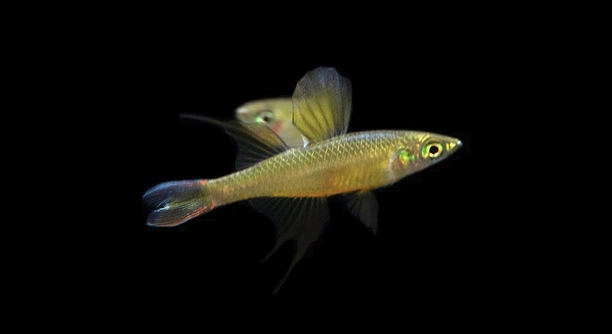
Do you ever notice your Threadfin Rainbowfish acting sluggish after feeding? Choosing the wrong foods can affect their energy, colors, and overall health. Feeding them the right diet ensures they stay vibrant and active in your aquarium.
Certain foods can harm Threadfin Rainbowfish, including those high in fats, artificial additives, or plant matter they cannot digest. Avoid feeding them human snacks, processed fish foods, and large insects, as these can disrupt digestion and weaken their immune system.
Understanding which foods pose risks is essential for keeping your rainbowfish healthy and lively in a home aquarium environment.
Fatty Human Snacks
Many people assume feeding leftover chips or fried foods to their Threadfin Rainbowfish is harmless, but these snacks are extremely unhealthy. Foods high in fat can slow digestion, affect organ function, and lead to obesity in small fish. Even small amounts can accumulate over time, causing long-term health issues. Fish have delicate digestive systems, and oily or greasy foods can coat their intestines, making it difficult for them to absorb nutrients. Additionally, these snacks often contain salt and artificial flavors that are toxic to fish. Over time, fatty foods can reduce lifespan, dull vibrant colors, and make your rainbowfish less active. Feeding them properly formulated fish food ensures they receive the nutrients they need for healthy growth, strong immune systems, and vivid coloration. Skipping fatty human snacks entirely and sticking to fish-safe options is the simplest way to maintain a healthy aquarium. Careful feeding improves both the fish’s wellbeing and your enjoyment of watching them thrive.
Fatty snacks should never replace proper fish food in your aquarium. The risks far outweigh any temporary curiosity or experimentation.
By consistently providing low-fat, high-quality foods designed for rainbowfish, you encourage natural behavior and prevent digestive problems. Choosing the right diet promotes longevity and keeps their shimmering colors vibrant. Monitoring portions is just as important; even fish food can become harmful if overfed. Avoiding fatty foods helps prevent bloating, swim issues, and stress-related illnesses, which are common when improper diets are offered. Small, frequent feedings with balanced pellets or frozen options are ideal. This approach also reduces water contamination from uneaten food, maintaining cleaner tanks. In addition to overall health, feeding correctly encourages social activity and active swimming patterns. Overfeeding fatty snacks can make them lethargic, reducing interaction and enjoyment. Providing a consistent, healthy diet ensures the fish thrive in both physical appearance and behavior, offering a satisfying experience for anyone maintaining a home aquarium.
Processed Fish Food
Processed fish flakes or pellets may seem convenient, but not all are suitable for Threadfin Rainbowfish. Some brands include fillers, artificial dyes, or high carbohydrate content that fish cannot process efficiently. Even when marketed for tropical fish, the ingredients can vary widely, potentially causing digestive issues and weakening immunity.
Choosing natural, high-quality options without additives improves nutrition and overall health. Always read labels carefully to ensure the ingredients align with your fish’s needs.
Processed foods often prioritize shelf life over nutrition, containing low-quality proteins and unnecessary fillers. These ingredients may cause slow growth, dull colors, or bloating in rainbowfish. Many flakes include wheat, soy, or corn, which fish struggle to digest. Artificial dyes can stress the fish, affecting behavior and reducing lifespan. Over time, poor-quality processed foods can lead to chronic health problems, making fish more vulnerable to disease. Switching to frozen or live options, or high-quality pellets designed specifically for rainbowfish, ensures adequate protein, vitamins, and minerals. Balancing the diet with occasional plant-based or insect options keeps them active and colorful. Attention to proper nutrition prevents common aquarium problems like water clouding, overfeeding issues, and sluggish behavior. Selecting trusted brands and checking ingredients supports long-term wellbeing. A careful diet plan keeps your fish healthy, active, and visually striking.
Large Insects
Large insects can be dangerous for Threadfin Rainbowfish. Their size makes them hard to digest, and attempting to eat them may cause choking or internal blockages. Avoid feeding adult crickets, grasshoppers, or similarly sized insects.
Smaller insects like fruit flies or tiny brine shrimp are safer and easier to digest. Large insects can injure the fish’s mouth or throat, especially if they thrash while being eaten. Even if the fish manages to swallow them, digestion is slow and can lead to bloating or other digestive problems. Repeated feeding of oversized insects increases stress and may reduce lifespan. Always choose appropriately sized live or frozen foods, ensuring they fit comfortably in the fish’s mouth. Proper sizing protects both health and comfort, allowing rainbowfish to enjoy their meals safely while maintaining natural activity.
Feeding smaller, nutrient-rich insects supports natural hunting behavior without risking injury. It also encourages activity, alertness, and vibrant coloration, which are essential for their overall wellbeing. Selecting appropriate insect sizes prevents unnecessary health complications and maintains aquarium harmony.
Bread and Grains
Bread and grains are not suitable for Threadfin Rainbowfish. Their digestive systems cannot handle gluten or processed carbohydrates, which may cause bloating, constipation, or even infections.
Regular consumption of bread, rice, or cereals can lead to nutrient deficiencies. Fish require protein-rich diets, and grains provide almost no essential nutrients. Excess carbohydrates may disrupt gut bacteria, reducing immunity and making fish more susceptible to illness. Sticky or dense foods like bread can also pollute the water quickly, causing bacterial growth and lowering water quality. Over time, poor digestion from grains can stunt growth, dull coloration, and make fish less active. Feeding appropriate protein-based foods ensures balanced nutrition and maintains a healthy tank environment.
Switching to high-protein options like live, frozen, or high-quality pellet foods supports digestion, promotes energy, and keeps rainbowfish active. Proper nutrition prevents common health issues caused by grains, maintaining both longevity and vibrancy.
Citrus Fruits
Citrus fruits like oranges, lemons, and limes are too acidic for Threadfin Rainbowfish. The acidity can irritate their digestive tract and gills, leading to stress and health problems.
Even small amounts of citrus can alter water pH, causing additional strain on your aquarium environment and the fish’s overall wellbeing.
Raw Potatoes
Raw potatoes contain starches and compounds that are difficult for rainbowfish to digest. Feeding them raw potato can lead to bloating, digestive upset, and nutrient deficiencies. Properly balanced fish foods are better suited to meet their dietary needs and maintain their energy levels.
Dairy Products
Milk, cheese, and other dairy items are unsafe for Threadfin Rainbowfish. They cannot process lactose, which can cause severe digestive issues and stress. Avoid introducing any dairy into their diet to ensure optimal health and activity.
FAQ
What happens if I accidentally feed my rainbowfish a small amount of bread or grains?
Feeding a tiny amount once may not immediately harm your fish, but it can still cause mild bloating or digestive discomfort. Repeated exposure is the real issue. Their digestive system is not built to process gluten or excess carbohydrates. Occasional mistakes should be followed by normal, protein-rich meals to restore balance. Always monitor your fish after such incidents for signs of lethargy, loss of appetite, or unusual swimming patterns. These small signals help you address potential digestive stress before it becomes a serious problem.
Can I feed my rainbowfish large insects occasionally?
Large insects are risky even if given occasionally. They are difficult to swallow and can cause choking, injuries to the mouth, or internal blockages. Instead, stick to smaller insects like baby brine shrimp or tiny fruit flies. These options satisfy natural hunting instincts without endangering digestion. Consistent feeding of appropriately sized food supports both physical health and natural behavior. Large insects can remain stuck in the digestive tract, leading to bloating, infections, or slower growth over time. Properly sized prey ensures your rainbowfish stays active and vibrant.
Are citrus fruits ever safe for rainbowfish?
Citrus fruits are not safe for Threadfin Rainbowfish. Even small amounts can irritate gills and digestive tracts due to high acidity. They may also shift the water’s pH, causing stress or long-term health issues. It’s best to completely avoid oranges, lemons, limes, and similar fruits. Maintaining neutral water conditions and a diet free of acidic foods helps your fish thrive. Focus on protein-rich, low-acid options to preserve both their energy and vibrant colors. Avoiding citrus entirely prevents unnecessary stress and supports overall health.
Why is dairy harmful to rainbowfish?
Dairy contains lactose, which rainbowfish cannot digest. Feeding milk, cheese, or yogurt can lead to severe digestive upset, bloating, and stress. Fish metabolism is entirely different from mammals, and even small amounts are unsafe. Avoid dairy to maintain proper digestion and overall wellbeing. Nutritional needs are better met with high-protein pellets, frozen foods, or live insects that mimic natural diets. Removing dairy ensures energy levels, coloration, and activity remain optimal, avoiding illness and tank contamination.
Can processed fish flakes harm rainbowfish?
Yes, some processed flakes contain fillers, artificial dyes, or low-quality proteins that rainbowfish cannot fully digest. Over time, this can lead to slow growth, dull coloration, and digestive issues. Choosing high-quality pellets or frozen foods designed for rainbowfish provides proper protein, vitamins, and minerals. Consistently feeding suitable processed food supports immunity, coloration, and activity. Always check ingredient labels and avoid products with excessive carbohydrates or artificial additives. Proper nutrition keeps fish vibrant, energetic, and less prone to disease, while maintaining clean, healthy water.
Is it dangerous to feed fatty human snacks occasionally?
Even small amounts of fatty snacks can coat digestive organs and slow nutrient absorption. Oils, salts, and artificial flavors stress metabolism and reduce immune function. While one-time exposure may not be fatal, it’s best to avoid these foods entirely. Healthy, low-fat, protein-based foods maintain rainbowfish energy, growth, and coloration. Repeated feeding increases risks of obesity, sluggishness, and organ problems, making consistent, safe feeding essential for long-term aquarium health. Proper diet management prevents water contamination, ensures proper nutrient absorption, and encourages natural activity patterns.
What are safe alternatives to these harmful foods?
Safe alternatives include high-quality pellets, frozen or live insects, and small portions of leafy greens or algae for variety. Feeding small, nutrient-dense meals multiple times a day supports digestion and mimics natural feeding habits. Avoid foods high in fats, starches, acids, or lactose. Rotating between live, frozen, and pellet options provides a balanced diet and keeps rainbowfish active and colorful. Monitoring portion sizes prevents overfeeding, reduces water pollution, and supports long-term health. Consistent, appropriate nutrition is the key to preventing illness and ensuring a lively, vibrant aquarium environment.
Final Thoughts
Caring for Threadfin Rainbowfish requires attention to their diet. These fish have delicate digestive systems that cannot process many human foods or common household items. Foods high in fats, starches, acids, or lactose can easily cause health problems, even if given in small amounts. Over time, improper feeding leads to slow growth, digestive issues, and reduced immunity. Observing your fish regularly helps you spot any changes in behavior or energy levels, which can indicate dietary stress. By focusing on the foods they can safely eat, you provide them with the nutrients they need for vibrant colors, active swimming, and overall wellbeing. Healthy feeding habits also contribute to a cleaner tank, as uneaten or unsuitable food can pollute the water and create additional stress for your rainbowfish.
Choosing the right food involves selecting high-quality pellets, frozen options, or live insects that match the size and nutritional requirements of your fish. Small portions given multiple times a day work better than one large feeding, as they reduce the risk of bloating and digestive difficulties. Even foods marketed for tropical fish should be checked for ingredients, as some may contain fillers, artificial dyes, or excessive carbohydrates that rainbowfish cannot handle. By planning meals carefully and sticking to safe options, you support natural behavior, promote healthy growth, and maintain the overall balance of your aquarium. The focus should always be on nutrient-rich, easy-to-digest foods that enhance vitality and longevity.
Consistency in feeding is as important as the type of food offered. Avoid experimenting with human snacks, large insects, citrus, grains, or dairy, as these can cause serious and long-term health issues. Providing a proper diet creates a stable environment for your rainbowfish, reducing stress and preventing illness. Healthy fish are more active, display brighter colors, and interact naturally within the tank. When you prioritize their dietary needs, you also enjoy a more vibrant and lively aquarium, which makes observing and caring for them more rewarding. Establishing these feeding habits early ensures that your Threadfin Rainbowfish thrive for years while maintaining the beauty and balance of your home tank.

Hello,
If you enjoy the content that we create, please consider saying a "Thank You!" by leaving a tip.
Every little bit helps us continue crafting quality advice that supports the health, happiness, and well-being of pets around the world, for pets of all shapes, sizes, and species.
We really appreciate the kindness and support that you show us!