
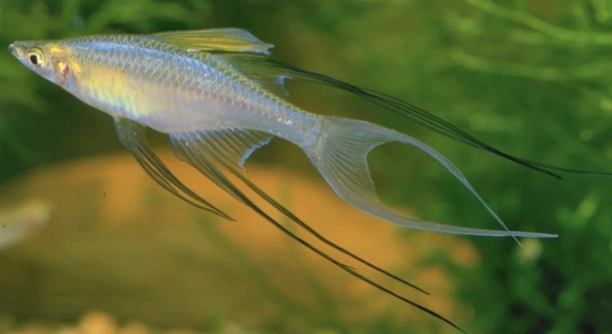
Have you ever found yourself watching your threadfin rainbowfish swim gracefully and wondered about the way they interact with each other every day? Their gentle movements and peaceful nature often make them a favorite choice for many aquarium lovers.
Threadfin rainbowfish do not experience loneliness in the way humans or other mammals might, but their behavior shows a need for social groups. They are schooling fish, and isolation can lead to stress, reduced activity, and health issues.
Understanding their natural instincts and social needs can help you create a more balanced and healthy environment for them to thrive.
Understanding the Social Nature of Threadfin Rainbowfish
Threadfin rainbowfish are naturally social creatures that prefer to live in groups. In their native habitats, they swim together in schools, which gives them a sense of safety and allows them to display their most natural behaviors. Keeping them in smaller numbers or even alone can result in noticeable changes in activity and health. They may become timid, hide more often, or lose their vibrant colors. A group setting encourages them to swim freely and show their graceful movements. Observing them interact in a community also makes the aquarium feel more alive and balanced, which is enjoyable to watch.
When threadfin rainbowfish are kept in groups, they tend to be healthier and more active. Their stress levels decrease, and their feeding habits improve. This shows how important it is to give them the right social setting.
It is not just about having multiple fish but also ensuring the group is large enough. Threadfin rainbowfish thrive in groups of six or more, where they can interact naturally without feeling pressured or stressed. Their calm nature makes them well-suited for community aquariums, but the right numbers matter. Providing enough space and companions helps them display the graceful schooling behavior they are known for.
Creating a Comfortable Environment
A small group of threadfin rainbowfish will not thrive without proper care. The environment you create is just as important as the size of the group.
Threadfin rainbowfish prefer clean water with stable conditions, so regular maintenance is key. A gentle filter works best, as they are sensitive to strong currents. They also enjoy planted aquariums, where they can swim among the greenery and feel secure. Having open areas for free swimming is equally important, as it allows them to display their elegant movements. Lighting should be moderate, helping highlight their subtle colors without causing stress. A balanced diet of high-quality flakes, live foods, or frozen options supports their energy and keeps them active. Careful attention to both their physical space and social needs ensures they remain vibrant. By offering the right setup, you allow them to live in a way that reflects their natural instincts, creating harmony in your aquarium.
Recognizing Stress in Threadfin Rainbowfish
Stress in threadfin rainbowfish often shows through duller colors, lack of appetite, and hiding more frequently. These subtle changes can easily be overlooked but signal that something in their environment or social group is unbalanced.
Keeping them in too small of a group can make them uneasy, as they rely on the comfort of schooling. If their environment is too bare, they may also feel exposed and vulnerable. Strong currents, poor water quality, or sudden changes in conditions further add to their stress. Observing their behavior closely is key to understanding their needs and adjusting care.
Providing proper group sizes, balanced feeding, and stable tank conditions helps reduce stress. Their behavior quickly improves once these needs are met. Watching them return to active swimming and brighter coloring is not only reassuring but also a sign of a thriving aquarium.
Feeding Habits and Group Dynamics
Feeding becomes smoother when threadfin rainbowfish are kept in larger groups. In smaller numbers, some fish may become hesitant or even stop eating, but in groups they feed more confidently. This behavior highlights their reliance on social interaction for healthy routines.
Threadfin rainbowfish prefer small, frequent meals rather than heavy feedings. Offering a mix of flakes, tiny pellets, and live or frozen foods keeps them interested and nourished. When fed together, their movements remain calm, without aggression or competition. This balance prevents weaker fish from missing out. A well-fed group shows brighter coloring, steady activity, and stronger resistance to illness. Careful feeding habits not only improve their health but also enhance the peaceful atmosphere within the tank.
Optimal Group Sizes
Threadfin rainbowfish thrive best in groups of six or more. Smaller groups may feel insecure, which can lead to stress, hiding, or even reduced activity. Larger groups allow natural schooling behavior, making the fish more confident and lively.
A well-sized group also ensures balanced feeding. Each fish can access food without competition or hesitation. This helps maintain healthy growth, bright coloring, and steady energy. Group interactions become smoother, and social behaviors like synchronized swimming are more visible. Proper group size directly impacts their overall well-being, making it easier to maintain a healthy, active aquarium environment.
Tank Setup Essentials
Threadfin rainbowfish need moderate swimming space, gentle filtration, and stable water conditions. Open areas for swimming, along with plants for cover, create a comfortable environment. Proper lighting and clean water maintain their colors and reduce stress, supporting their natural behavior and growth.
Observing Behavior Patterns
Watching their schooling, feeding, and resting habits gives insight into their social comfort. Changes in activity can signal environmental or social issues that need attention.
Water Quality and Maintenance
Regular water changes and careful monitoring of temperature, pH, and ammonia levels are crucial. Consistent maintenance ensures a healthy, stress-free habitat for the entire group.
FAQ
Can threadfin rainbowfish live alone?
Threadfin rainbowfish are schooling fish and do not thrive when kept alone. Being solitary can lead to stress, hiding, loss of color, and reduced activity. They rely on a social group for comfort and security, making companionship essential for their overall health and well-being.
How many threadfin rainbowfish should I keep together?
A group of six or more is ideal. Smaller numbers can make them feel insecure, while larger groups encourage natural schooling behavior. Proper group size improves activity levels, feeding confidence, and reduces stress. Observing their interactions helps ensure that each fish is comfortable in the group.
What tank size is best for a group of threadfin rainbowfish?
A tank of at least 30 gallons is recommended for a small group. Larger tanks are better for bigger schools, allowing ample swimming space. Open swimming areas and planted zones create a balanced environment where the fish can move freely and display natural behaviors.
Do threadfin rainbowfish get along with other fish?
Yes, they are peaceful and generally compatible with other non-aggressive species. Avoid aggressive or overly territorial fish, as they can stress rainbowfish. Calm tankmates create a harmonious environment where the rainbowfish can thrive and exhibit schooling behavior without fear.
What signs indicate stress in threadfin rainbowfish?
Dull colors, reduced appetite, excessive hiding, and lethargy are common stress indicators. Stress can result from poor water quality, small groups, strong currents, or sudden environmental changes. Close observation and timely adjustments to their care help prevent long-term health problems.
How should I feed threadfin rainbowfish in a group?
Feed small, frequent meals using a mix of flakes, tiny pellets, and occasional live or frozen foods. Feeding together encourages confident eating and prevents weaker fish from missing out. Balanced nutrition supports their vibrant colors, steady activity, and overall health.
Can threadfin rainbowfish tolerate different water conditions?
They prefer stable water conditions with moderate temperature, neutral pH, and low ammonia levels. Sudden changes can stress them, affecting their health and behavior. Regular monitoring and water maintenance help maintain a consistent, safe environment.
How often should I clean the tank?
Regular partial water changes of 20-30% weekly are ideal. Clean substrate, plants, and filters as needed. Maintaining water quality prevents disease, supports healthy growth, and reduces stress, ensuring the group remains active and vibrant.
Do threadfin rainbowfish interact socially within their group?
Yes, they display schooling behavior, synchronized swimming, and subtle social cues. Interaction is crucial for their well-being. Groups offer security, encourage natural behaviors, and make feeding and swimming more confident, highlighting the importance of keeping them in appropriate numbers.
What plants or decorations are best for their tank?
Moderate plants provide hiding spots without overcrowding swimming areas. Floating plants and low decorations give a sense of security, while open spaces allow graceful swimming. A balanced layout supports both social and individual behaviors, contributing to a stress-free environment for the entire group.
Are threadfin rainbowfish sensitive to light?
They prefer moderate lighting that highlights their subtle colors without causing stress. Too bright or harsh lighting can make them hide or become agitated. A gentle, consistent light cycle helps maintain natural activity patterns and coloration, supporting their overall health.
How long do threadfin rainbowfish typically live?
With proper care, a stable environment, and social group support, they can live up to 5 years or more. Longevity depends on water quality, diet, group dynamics, and stress levels. Observing their behavior regularly ensures they remain healthy and active over time.
Can threadfin rainbowfish breed in home aquariums?
Yes, they can breed if provided with a suitable group, clean water, and appropriate spawning sites like fine-leaved plants. Keeping track of males and females and maintaining optimal conditions encourages natural breeding behaviors, contributing to a thriving, active community in the tank.
Is it necessary to monitor water temperature constantly?
Yes, maintaining a stable temperature is essential. Sudden fluctuations can stress the fish, affect feeding, and increase susceptibility to illness. Using a reliable heater and thermometer ensures consistent conditions, supporting healthy growth and social interactions.
How do I know if the tank is large enough for a group?
If fish can swim freely, display schooling behavior, and avoid crowding, the tank is adequate. Observing their activity, interaction, and overall stress levels helps determine if adjustments in tank size or group number are needed to maintain balance and comfort.
Are threadfin rainbowfish prone to diseases?
They are generally hardy but can develop issues if water quality is poor or stress is high. Common problems include fin rot and parasitic infections. Preventive care, stable water conditions, balanced diet, and proper group size reduce the risk of illness significantly.
Can threadfin rainbowfish recognize each other?
While not in the human sense, they do recognize group members and respond to familiar movements. Consistent schooling with known companions reduces stress, improves feeding confidence, and strengthens natural social behaviors, showing the importance of stable group dynamics.
What is the best way to introduce new fish to an established group?
Quarantine new fish first, then slowly acclimate them to the main tank. Gradual introduction reduces aggression or stress. Observing interactions carefully ensures the new members integrate smoothly, maintaining harmony and protecting the health and activity of the original group.
Do threadfin rainbowfish need a varied diet?
Yes, a mix of flakes, pellets, and live or frozen foods ensures balanced nutrition. Variety supports growth, vibrant colors, and active behavior. Over-reliance on one type of food can cause deficiencies and reduce overall health, making a varied diet essential for thriving groups.
Can they tolerate community tanks with different species?
They can coexist with other peaceful, small to medium-sized fish. Avoid aggressive, territorial, or overly large species. Careful selection of tankmates ensures the rainbowfish remain confident, active, and display natural schooling behaviors without stress or competition.
How often should I check water parameters?
Regularly monitoring temperature, pH, ammonia, nitrite, and nitrate levels—ideally once a week—prevents issues before they affect the fish. Maintaining consistent water quality supports health, social behavior, and longevity, making observation and adjustments a key part of care.
Are there signs of aging in threadfin rainbowfish?
Older fish may show slower swimming, duller colors, or reduced activity. Proper care, a stable group, and optimal tank conditions can minimize stress and maintain their vitality, allowing them to remain active and engaged even in later years.
What is the ideal schooling behavior to look for?
A healthy school moves together calmly, with synchronized swimming and minimal hiding. Fish should appear confident and evenly spaced. Uneven or scattered behavior can indicate stress, poor water quality, or insufficient group size, signaling adjustments are needed to maintain balance and comfort.
Can threadfin rainbowfish recover from stress quickly?
Yes, if environmental issues are corrected promptly. Improving water quality, adjusting group size, providing hiding spots, and stable feeding schedules help them regain color, activity, and confidence. Recovery is faster when stressors are minimal, and their social needs are met consistently.
Do males and females behave differently in groups?
Males often display brighter colors and may show subtle dominance, while females tend to be calmer and less colorful. Balanced ratios prevent competition and ensure smooth schooling behavior, supporting social stability and a peaceful aquarium environment.
How important is lighting consistency for their behavior?
Consistent, moderate lighting supports natural activity and feeding routines. Irregular or intense light can stress the fish, affecting schooling and social interaction. Maintaining a stable light cycle helps regulate behavior, coloration, and overall health, keeping the group active and vibrant.
Can stress affect breeding in threadfin rainbowfish?
Yes, stressed fish are less likely to spawn. Ensuring proper group size, water quality, hiding spots, and minimal disturbance encourages natural breeding behaviors. Healthy, confident fish in the right environment have higher success rates for reproduction.
How can I prevent aggression within the group?
Providing adequate space, hiding spots, and proper group size reduces tension. Avoid overcrowding and maintain peaceful tankmates. Observing interactions and addressing minor disputes early prevents escalation, ensuring a calm and balanced environment for all fish.
Are threadfin rainbowfish sensitive to chemicals in water?
Yes, they are sensitive to chlorine, heavy metals, and sudden chemical changes. Using dechlorinated water and carefully monitoring water additives ensures a safe, stress-free habitat, supporting their health, activity, and social behaviors.
What is the best way to handle them if needed?
Minimize handling whenever possible, as it causes stress. If necessary, use a soft net and move fish gently. Quick, careful handling combined with a stable environment reduces stress and prevents injuries, helping maintain their well-being.
Can they recognize feeding times?
Yes, they can anticipate regular feeding schedules. Consistent routines reduce stress and encourage active, confident behavior during feeding, supporting healthy growth, social interaction, and overall aquarium harmony.
How do I know if they are comfortable in the tank?
Active swimming, synchronized schooling, bright coloration, and regular feeding indicate comfort. Calm interactions and minimal hiding show the environment meets their social and physical needs. Observing these behaviors regularly ensures their ongoing well-being.
Do they need specific water hardness?
Moderate hardness is ideal. Extreme soft or hard water can affect health and coloration. Stable water parameters, including hardness, support physiological needs and natural behavior, ensuring the group remains active and stress-free.
Can overcrowding cause long-term health issues?
Yes, overcrowding increases stress, reduces access to food, and raises disease risk. Ensuring appropriate group size and tank space maintains health, activity, and social harmony, preventing long-term problems.
Is it necessary to provide a nighttime environment?
Yes, a natural light-dark cycle supports sleep and reduces stress. Turning off lights at night allows rest, ensuring the fish remain active and healthy during the day, maintaining their natural behavior patterns.
How do I prevent disease spread in a community tank?
Quarantine new fish, maintain water quality, and avoid overcrowding. Observing symptoms early and separating affected fish prevents disease spread, protecting the overall health of the group and maintaining a balanced, thriving aquarium.
Are threadfin rainbowfish sensitive to temperature changes?
Yes, sudden temperature shifts stress them, affecting appetite and activity. Stable, moderate water temperature is crucial for health, coloration, and schooling behavior. Using a reliable heater and thermometer ensures consistent conditions for the group.
Can stress cause color fading in threadfin rainbowfish?
Yes, dull colors often indicate stress or poor health. Maintaining proper group size, water quality, nutrition, and environmental stability helps restore vibrant coloration, reflecting improved well-being.
Do they require any special supplements?
Occasional vitamins or high-quality foods enhance color and health. Supplements are not mandatory but can support growth, immunity, and activity, especially if their diet is limited or lacking variety.
What is the best way to manage tank mates?
Choose peaceful species of similar size. Avoid aggressive or fast-moving fish that may intimidate rainbowfish. Proper selection ensures calm group interactions, healthy social behavior, and consistent feeding habits.
Can threadfin rainbowfish adapt to new tanks easily?
Yes, with gradual acclimation, stable conditions, and gentle handling. Introducing them slowly reduces stress and helps them settle, maintaining normal behavior and social dynamics in the new environment.
How do I monitor their schooling behavior effectively?
Observe swimming patterns, spacing, and group cohesion. Healthy schools move in unison, display confidence, and have minimal hiding. Disruptions indicate environmental or social issues requiring attention, helping maintain balance and comfort.
Are threadfin rainbowfish active during the day or night?
They are diurnal, most active during daylight. Feeding, schooling, and swimming behaviors peak in the day, while they rest at night. Consistent light cycles support natural rhythms and overall health.
What is the ideal tank layout for social interaction?
Open swimming areas combined with planted sections allow movement and cover. Balanced layouts reduce stress, encourage schooling, and support healthy social behaviors, creating a stable environment for all group members.
Can stress lead to disease in threadfin rainbowfish?
Yes, prolonged stress weakens the immune system, making them more susceptible to infections. Proper care, water quality, and social conditions prevent stress-related illnesses, keeping the group active and healthy.
Do they require any seasonal care adjustments?
Minor adjustments in feeding and water monitoring may be needed with seasonal temperature shifts. Maintaining stable conditions ensures their health, color, and behavior remain consistent throughout the year.
Is it necessary to separate aggressive individuals?
Yes, occasional minor aggression can occur. Separating or observing closely prevents injury, stress, and disruption of schooling behavior, preserving group harmony and ensuring the well-being of all fish.
How do I maintain a balanced group over time?
Regular observation, proper feeding, water maintenance, and careful addition or removal of fish keeps group dynamics stable. Balanced social interactions support schooling, reduce stress, and promote long-term health for all members.
Can threadfin rainbowfish detect changes in their environment quickly?
Yes, they respond to water quality, tankmates, and movement. Quick reactions to disturbances help them avoid stress and maintain natural schooling behavior, highlighting the importance of a stable, well-maintained environment.
Do males display different behavior during breeding?
Males become more vibrant and may show chasing or display behaviors. Balanced male-to-female ratios prevent stress and aggression, supporting successful breeding while maintaining group stability.
Can adding plants reduce stress in threadfin rainbowfish?
Yes, plants provide hiding spots and a sense of security. They reduce stress, encourage natural exploration, and contribute to healthier, more active schooling behavior in the group.
How often should I observe their behavior?
Daily observation is ideal. Monitoring color, swimming patterns, feeding, and schooling ensures early detection of stress, illness, or social issues, helping maintain a healthy, balanced group.
Do threadfin rainbowfish enjoy current in the tank?
They prefer gentle water flow. Strong currents cause stress and reduce swimming comfort. Moderate currents support healthy activity without disrupting schooling behavior, keeping the group active and confident.
Can overcrowding affect their color and growth?
Yes, limited space increases stress, reduces feeding access, and can dull colors. Adequate tank size and proper group numbers are crucial for growth, coloration, and social stability.
How do I know if a new tankmate is compatible?
Choose peaceful species with similar size and temperament. Observe interactions during introduction to ensure minimal aggression, smooth integration, and continued healthy schooling behavior among rainbowfish.
What common mistakes affect group harmony?
Small group sizes, poor water quality, aggressive tankmates, overcrowding, and irregular feeding disrupt social balance. Avoiding these ensures confident, active schooling and healthy interactions within the group.
Can stress cause reproductive issues?
Yes, stressed fish may fail to spawn. Stable environment, proper group size, and minimal disturbance support natural breeding behaviors and overall reproductive health.
Is quarantine necessary for new fish?
Always quarantine new fish to prevent disease introduction and stress to the established group. Gradual acclimation ensures safe integration without disrupting social balance.
Do threadfin rainbowfish need hiding spots?
Yes, plants or decorations provide security. Hiding areas reduce stress, encourage natural behavior, and support healthy social interactions within the group.
Can they recognize feeding patterns?
Yes, they anticipate regular feeding schedules. Consistency improves confidence, activity, and social interactions, supporting healthy growth and balanced group behavior.
What is the impact of poor water quality?
Ammonia, nitrite, or sudden pH changes stress fish, reduce activity, and cause illness. Regular monitoring and maintenance ensure a safe, comfortable environment for the group.
Do they require special lighting?
Moderate lighting highlights their colors without stress. A stable day-night cycle supports activity, feeding, and overall health, maintaining confident schooling behavior.
Can stress be reversed quickly?
Yes, fixing water conditions, improving group dynamics, and providing proper feeding helps fish recover. Stress reversal restores color, activity, and social interactions.
Are males more dominant than females?
Males may show brighter colors and subtle displays. Balanced ratios prevent dominance issues and ensure smooth schooling, peaceful interactions, and stable group behavior.
How do I prevent sudden environmental changes?
Avoid rapid temperature, pH, or water chemistry shifts. Consistent maintenance, gradual adjustments, and careful monitoring protect fish from stress and support natural behaviors.
Can insufficient space affect feeding?
Yes, overcrowding leads to competition and skipped meals. Adequate tank size and group numbers ensure all fish access food, supporting healthy growth, color, and activity.
Do they prefer soft or hard substrates?
Moderate substrate works best. Extremely soft or rough substrates can stress fish or damage fins. Balanced conditions support swimming, hiding, and natural behaviors.
How do I know if my group is too small?
Fish hiding, lethargy, or disrupted schooling indicate insufficient group size. Increasing numbers improves confidence, reduces stress, and restores natural behaviors.
Can plants alone reduce stress?
Plants help, but proper group size, water quality, and stable feeding routines are equally important. Combined, these factors ensure minimal stress and healthy behavior.
Do they show aggression toward each other?
Minimal aggression may occur, usually from males. Proper space, group balance, and calm tankmates prevent escalation, maintaining harmony within the group.
Is it important to maintain water hardness?
Yes, stable, moderate hardness supports physiology, coloration, and overall well-being. Sudden changes can stress fish and affect behavior.
How do I encourage natural schooling?
Provide proper group size, open swimming areas, and calm conditions. Healthy schools reflect confidence, balance, and social well-being, enhancing activity and overall aquarium dynamics.
Can feeding schedules affect behavior?
Yes, consistent feeding improves confidence, activity, and social interaction. Irregular schedules may increase stress and disrupt schooling behavior.
Do they need surface or bottom access?
Both are important. Open mid-water for schooling and planted or low areas for hiding provide security and freedom, supporting balanced behavior.
How do I introduce new plants safely?
Rinse thoroughly to remove chemicals or pests. Gradual placement ensures minimal disruption, helping maintain water quality and stress-free adaptation for the group.
Can lighting influence breeding behavior?
Yes, consistent light cycles support natural reproductive rhythms. Balanced lighting encourages spawning while maintaining overall health and schooling behavior.
Do they recognize familiar tankmates?
They respond to familiar group members’ movements, enhancing confidence and social cohesion. Stable groups reduce stress and encourage natural schooling behaviors.
How do I monitor water parameters efficiently?
Weekly testing of temperature, pH, ammonia, nitrite, nitrate, and hardness ensures stable conditions. Prompt adjustments prevent stress and maintain health, activity, and social stability.
Can stress reduce lifespan?
Yes, prolonged stress weakens immunity and increases disease risk, shortening lifespan. Proper care
Threadfin rainbowfish are gentle, peaceful fish that thrive in social groups. They are naturally schooling fish, and their behavior shows how important companionship is to their well-being. Keeping them alone or in very small groups can lead to stress, reduced activity, and duller colors. Observing their interactions in a proper group can be very rewarding, as their graceful swimming and synchronized movements create a lively, balanced atmosphere in the tank. A group of six or more is generally ideal, allowing each fish to feel secure while still having enough space to move freely. The right group size is not only about social comfort but also supports feeding habits, growth, and overall health. Providing ample swimming space, hiding spots, and a clean, stable environment enhances their natural behaviors and encourages them to be active and confident.
Water quality and tank conditions are key factors in keeping threadfin rainbowfish healthy. They prefer moderate water parameters, with stable temperature, neutral pH, and low levels of ammonia and nitrites. Sudden changes in water chemistry or overcrowding can cause stress, which may affect feeding, coloration, and even lifespan. Regular maintenance, including partial water changes, cleaning filters, and monitoring water parameters, helps prevent these issues. Planted aquariums with open swimming areas provide both security and freedom, allowing the fish to express natural behaviors. Moderate lighting helps highlight their colors without causing stress, and careful feeding routines ensure that each fish receives proper nutrition. A balanced environment that meets both social and physical needs supports their long-term health, activity, and vibrant appearance.
Understanding the social and environmental needs of threadfin rainbowfish helps create a harmonious aquarium. They do best when their group size is appropriate, their tank provides sufficient space and hiding areas, and water quality is consistently maintained. Observing their behavior daily, including schooling, feeding, and resting patterns, allows quick detection of stress or health issues. Providing a varied diet, gentle filtration, and stable light cycles supports both their physical and social well-being. By attending to these factors, you can maintain an active, confident, and vibrant group of threadfin rainbowfish. Their calm, elegant presence makes them a pleasure to watch, and meeting their needs ensures they remain healthy, stress-free, and able to display the natural behaviors that make them such unique and charming aquarium fish.

Hello,
If you enjoy the content that we create, please consider saying a "Thank You!" by leaving a tip.
Every little bit helps us continue crafting quality advice that supports the health, happiness, and well-being of pets around the world, for pets of all shapes, sizes, and species.
We really appreciate the kindness and support that you show us!