
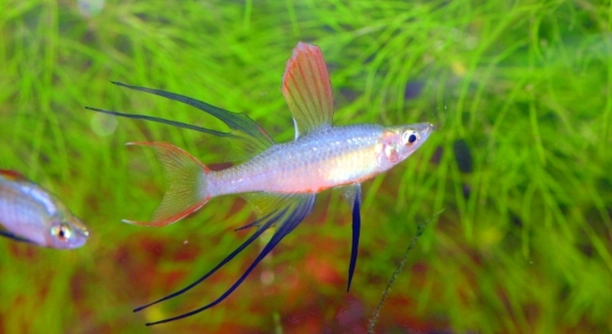
Threadfin Rainbowfish are small, lively fish known for their shimmering colors and playful behavior. In quiet tanks, their natural curiosity often becomes more noticeable, and they may begin exploring, interacting with each other, or displaying unusual activity patterns.
When a tank is too quiet, Threadfin Rainbowfish tend to increase movement and social interactions. They may swim rapidly, investigate all corners, and form tighter schools. This behavior is a response to low environmental stimulation and is aimed at maintaining mental and physical activity.
Observing these behaviors can help aquarists create a more engaging and suitable environment for their fish. Small changes can significantly improve their well-being and tank dynamics.
Signs Your Threadfin Rainbowfish Is Bored
A quiet tank can make Threadfin Rainbowfish display behaviors that are unusual for their normal routine. You might notice them swimming in repetitive patterns, chasing one another more aggressively, or hovering near decorations without clear purpose. Some fish may even hide more frequently, while others seem restless. These behaviors indicate they are seeking stimulation or engagement. Environmental factors like lighting, water temperature, and tank layout also play a role in how active the fish become. Observing them closely helps determine if changes are needed. A few minor adjustments, like adding plants or rearranging decorations, can encourage exploration and reduce stress. Even subtle activity changes can signal improved comfort and mental health. Taking time to notice these details ensures the tank remains a healthy environment.
Small interactions, like moving ornaments or providing varied surfaces, can help maintain their interest and activity levels in the tank.
Ensuring the tank offers visual and physical stimulation is important for Threadfin Rainbowfish. Adding floating plants, hiding spots, and textured surfaces encourages exploration and natural behavior. Regularly changing decorations or providing gentle currents keeps the fish engaged. Feeding routines can also contribute; varying feeding locations or methods makes the environment more dynamic. A combination of social interaction with other compatible fish and environmental enrichment prevents boredom. Maintaining water quality and consistent conditions supports both physical and mental health. Observing their response to changes helps fine-tune the habitat for optimal activity. Over time, a stimulating tank reduces stress, promotes vibrant coloration, and encourages natural schooling behavior. By paying attention to these factors, you can create a lively, engaging space that supports the overall well-being of Threadfin Rainbowfish, ensuring they thrive rather than simply exist.
How to Introduce Activity Safely
Start by adding one new element at a time to avoid overwhelming the fish.
Introducing enrichment should be gradual and monitored. Start with one new plant, ornament, or floating object, observing how the fish react over several days. Avoid sudden changes in water flow, temperature, or lighting, as these can stress the fish. Interactive feeding, such as placing pellets in different locations, can encourage exploration without disrupting tank balance. Group dynamics matter—ensure the school size remains appropriate to prevent aggressive behavior or overcrowding. Rotate objects and feeding spots to maintain novelty. Patience is key; even small adjustments gradually enhance engagement. By observing subtle cues like swimming patterns and schooling behavior, you can gauge whether the new enrichment is effective. Maintaining stability while introducing activity ensures the Threadfin Rainbowfish remain healthy, stimulated, and visually active, without compromising their comfort or the tank’s ecosystem.
Encouraging Natural Behavior
Providing plants and hiding spots encourages Threadfin Rainbowfish to explore and exhibit natural behavior. These additions give them places to swim through, rest, and interact. Varied tank layouts can stimulate curiosity and prevent repetitive swimming patterns. Observing reactions helps fine-tune the setup.
Adding live plants, driftwood, and rocks creates an environment closer to their natural habitat. Fish can weave through plants, hide behind decorations, or use surfaces to explore. Changing textures and heights keeps them engaged. Schools of Threadfin Rainbowfish benefit from open swimming spaces alongside these enriched areas. Rotating decorations or adjusting plant density periodically prevents stagnation and supports mental stimulation. Such modifications promote active schooling behavior, reduce stress, and help maintain their vibrant coloration.
Behavioral enrichment is not limited to the tank layout. Varying feeding times and locations encourages fish to move and interact. Introducing gentle currents or small floating objects can further engage their curiosity. Over time, these small changes lead to a more dynamic tank where fish are consistently active. Monitoring their responses ensures that adjustments meet their needs without creating stress. By blending structure with novelty, the tank becomes a stimulating habitat that supports overall health and natural tendencies.
Social Interaction and Schooling
Threadfin Rainbowfish thrive in groups, and proper schooling reduces stress. Adequate numbers encourage natural social behavior and movement patterns.
Maintaining a consistent school of at least six fish helps preserve harmony and active swimming patterns. Social interactions are vital for their mental and physical well-being. Fish in smaller numbers may become timid, while overcrowding can cause aggression. Proper spacing of swimming areas and hiding spots ensures all individuals feel secure. Observing body language, chasing, and synchronized swimming helps gauge social comfort. Schooling stimulates exploration, encourages feeding activity, and reinforces natural instincts, leading to a healthier, more vibrant tank.
Balanced social environments rely on compatible fish and proper tank design. Introduce fish gradually, monitor interactions, and ensure hiding spaces are available. Even with the right group size, periodically adjusting the layout or adding enrichment can keep social behaviors active. Strong schools display coordinated swimming, playful chasing, and group foraging, reflecting well-being. Avoid mixing overly aggressive or territorial species. By carefully managing school size, tank structure, and environmental enrichment, Threadfin Rainbowfish can maintain dynamic social behavior, reducing stress and supporting their overall health in captivity.
Maintaining Water Quality
Clean water is essential for Threadfin Rainbowfish activity and overall health. Regular water changes and proper filtration prevent buildup of toxins that can stress the fish and reduce their natural behavior.
Monitoring parameters like pH, temperature, and ammonia levels ensures stability. Consistent water quality supports energy, vibrant coloration, and active swimming, preventing lethargy caused by poor conditions.
Feeding for Engagement
Varying feeding locations and schedules encourages exploration and movement. Scattering food across the tank promotes natural foraging behavior, keeping the fish mentally stimulated. Regularly changing the type of food, such as flakes, pellets, or occasional live food, ensures nutritional variety and maintains interest during feeding.
Using Lighting Effectively
Lighting impacts activity levels and coloration. Properly timed lighting encourages daytime exploration and interaction while providing shaded areas for rest. Balanced light cycles reduce stress and maintain healthy biological rhythms.
Minimizing Stress
Avoid sudden movements, loud noises, or abrupt changes in water parameters. A calm, stable environment allows Threadfin Rainbowfish to feel secure, promoting consistent activity and natural behavior within the tank.
FAQ
Why do my Threadfin Rainbowfish swim frantically when the tank is quiet?
When a tank lacks stimulation, these fish may swim quickly or in tight circles to occupy themselves. It is a natural response to boredom and low environmental engagement. Providing new plants, decorations, or gentle currents helps reduce this restless behavior and encourages exploration.
How many Threadfin Rainbowfish should I keep together?
These fish thrive in groups of at least six. Smaller numbers can make them timid or stressed, while overly large groups can lead to territorial behavior. Maintaining a moderate school supports natural social interactions, synchronized swimming, and reduces stress across the tank.
What tank size is best for a small school?
A 30-gallon tank is usually sufficient for six Threadfin Rainbowfish, allowing room for swimming and hiding spots. Larger tanks offer more enrichment opportunities and reduce aggressive encounters, especially if decorations and plants are thoughtfully placed.
How can I prevent my fish from becoming bored?
Introduce environmental enrichment gradually, like live plants, floating objects, or hiding spots. Rotating decorations and varying feeding locations keeps the tank dynamic. Gentle water currents or interactive feeding methods stimulate natural behaviors and maintain mental engagement.
Can lighting affect their behavior?
Yes. Balanced light cycles encourage daytime activity while shaded areas allow rest. Sudden changes in light intensity can stress fish, so gradual adjustments and consistent schedules promote healthy activity and coloration.
How often should I change the tank layout?
Periodic, subtle changes every few weeks are enough. Rearranging plants or ornaments encourages exploration without overwhelming the fish. Avoid drastic changes in a single session to prevent stress or hiding behavior.
What foods are best to keep them engaged?
Variety is key. Flakes, pellets, and occasional live food like daphnia or brine shrimp provide nutrition and stimulate natural foraging. Scattering food across different areas of the tank encourages movement and social interaction.
Why do my fish hide more in a quiet tank?
Hiding can indicate boredom, stress, or a need for security. Adding decorations, plants, or small caves gives them options to explore while feeling safe, encouraging active behavior rather than passive hiding.
How can I safely introduce new enrichment?
Add one new element at a time, observe reactions, and avoid abrupt changes in water conditions. Gradual introduction prevents stress while promoting curiosity and active engagement within the tank.
What signs indicate my Threadfin Rainbowfish are happy?
Active swimming, bright coloration, synchronized schooling, and natural foraging are good indicators. Consistent interaction with the environment and other fish shows they are stimulated and comfortable in their habitat.
Is it okay to mix them with other species?
Compatible, non-aggressive species are acceptable. Avoid overly territorial or fin-nipping fish. Properly spaced tanks and careful monitoring of interactions ensure safe socialization and minimize stress.
How do I know if water quality is affecting behavior?
Signs like lethargy, erratic swimming, or loss of color suggest poor water conditions. Regular testing of pH, ammonia, nitrate, and temperature levels, along with routine water changes, keeps the environment stable and supports healthy activity.
Can boredom affect their health?
Yes. Lack of stimulation can lead to stress, reduced appetite, and weaker immune systems. Providing enrichment, proper social structure, and regular environmental changes helps prevent these issues and maintains overall well-being.
How long should feeding sessions last?
A few minutes is enough. Overfeeding can pollute the tank, while short, varied sessions encourage natural foraging behavior. Scattering food gradually across the tank keeps them moving and engaged.
What is the best way to monitor behavior?
Observe swimming patterns, interactions, schooling behavior, and responses to enrichment. Consistent attention helps detect changes early, allowing adjustments to the tank or care routine to maintain a healthy, active environment.
Can current or water movement help activity?
Gentle currents mimic natural habitats and encourage swimming. Use adjustable filters or small pumps to create mild flow, ensuring it is not strong enough to stress the fish or disrupt their natural patterns.
Are there signs of stress I should watch for?
Hiding excessively, loss of color, erratic swimming, or aggression are indicators. Addressing environmental factors, water quality, and social dynamics can reduce stress and restore normal behavior.
How important is routine in their tank environment?
Consistency in feeding, lighting, and water maintenance reduces stress and supports predictable behavior. Subtle variations for enrichment are helpful, but major disruptions should be avoided to maintain a stable habitat.
What are simple ways to encourage schooling?
Provide open swimming space, consistent group sizes, and visual barriers like plants. Introducing new decorations gradually encourages coordinated movement while maintaining comfort and social interaction.
Can Threadfin Rainbowfish become bored with the same toys or decorations?
Yes. Rotating or slightly repositioning elements prevents habituation and keeps them actively exploring. Minor changes are enough to sustain interest without causing stress.
How do I know if my enrichment is effective?
Active swimming, exploration, interaction with new objects, and social behavior indicate successful enrichment. Monitoring these behaviors over time ensures the tank remains engaging and stimulating for the fish.
What should I avoid when trying to reduce boredom?
Avoid sudden, drastic changes, overcrowding, incompatible tank mates, or poor water conditions. These can increase stress rather than provide stimulation and may negatively impact health and behavior.
Is it okay to use artificial decorations for enrichment?
Yes, as long as they are safe, smooth, and free of harmful chemicals. Artificial items can complement natural elements to create diverse environments and encourage exploration.
How often should I observe my fish for behavior changes?
Daily or every few days is ideal. Consistent observation helps identify early signs of stress, boredom, or illness, allowing timely adjustments to the tank environment or care routine.
Can temperature changes affect activity levels?
Yes. Threadfin Rainbowfish are sensitive to temperature fluctuations. Maintaining a stable range promotes normal swimming, feeding, and social behavior while reducing stress-related lethargy.
What is the best approach if I notice aggression?
Assess school size, tank layout, and enrichment. Adding hiding spots or slightly rearranging decorations can reduce conflict. In some cases, separating aggressive individuals may be necessary to maintain harmony.
How long does it take for new enrichment to have an effect?
Responses are often visible within a few days. Fish begin exploring, interacting, and exhibiting natural behaviors as they adjust to new plants, decorations, or feeding patterns. Gradual introduction ensures consistent engagement.
Why do they sometimes ignore new objects at first?
Initial caution is natural. Threadfin Rainbowfish are curious but careful. Allow time for exploration, and they will gradually interact with new elements once they feel safe.
How important is hiding space in a quiet tank?
Hiding spots reduce stress and provide security, encouraging exploration. Even in a calm tank, having areas to retreat supports confidence and promotes active, natural behavior.
Can enrichment prevent health problems?
Yes. Mental and physical stimulation supports overall well-being, reduces stress, encourages regular activity, and helps maintain strong immune function and vibrant coloration.
Is it necessary to vary enrichment often?
Periodic, subtle changes maintain interest. Overly frequent adjustments can stress fish, while occasional updates encourage curiosity and prevent boredom.
How do I balance stimulation with calm periods?
Provide open swimming space alongside hiding spots and shaded areas. This allows fish to engage actively while also resting safely when needed.
Can Threadfin Rainbowfish recognize routine?
They respond to consistent feeding, lighting, and environmental patterns. Routine reduces stress and supports predictable behavior while enrichment prevents monotony.
Are there signs my enrichment is too intense?
Excessive hiding, erratic swimming, or refusal to feed may indicate stress from over-stimulation. Scale back changes and reintroduce elements gradually.
How do I know if social dynamics are healthy?
Smooth schooling, minimal chasing, and balanced interactions indicate positive dynamics. Conflicts or constant hiding signal adjustments are needed in group size or layout.
Does tank size affect behavior in quiet conditions?
Yes. Larger tanks provide more space for swimming and exploration, reducing stress and encouraging natural behaviors, while smaller tanks can intensify boredom and repetitive patterns.
What’s the simplest way to add activity in a quiet tank?
Introduce one new plant, decoration, or feeding method at a time. Observe responses, rotate elements, and maintain stable conditions for consistent engagement.
How often should I clean decorations?
Cleaning every few weeks prevents algae buildup and maintains a visually stimulating environment. Use gentle methods to avoid damaging surfaces or stressing the fish.
Can music or vibrations affect behavior?
Moderate vibrations may catch attention but should be limited. Excessive noise or frequent disturbances can stress fish, so maintain a calm environment for consistent activity.
How do I track improvement in behavior?
Note swimming patterns, interaction with enrichment, and social behaviors over time. Positive changes indicate successful engagement and effective environmental adjustments.
Are artificial plants as effective as live plants?
They provide structure and hiding spots but lack natural water filtration and microhabitats. Combining live and artificial elements offers both stimulation and practical benefits.
Can Threadfin Rainbowfish adapt to gradual changes easily?
Yes, when adjustments are introduced slowly. Gradual changes in layout, lighting, or enrichment allow fish to explore safely and maintain natural behavior patterns.
How can I encourage foraging behavior?
Scatter food in different locations, offer varied types, and use floating or sinking methods. This simulates natural feeding and keeps fish active.
Is it normal for fish to ignore new enrichment sometimes?
Yes. Initial hesitation is common. With consistent observation and gradual interaction, fish usually begin exploring and engaging over time.
Can seasonal changes affect activity?
Minor fluctuations in light and temperature may influence behavior. Maintaining consistent conditions while providing enrichment supports stable activity levels.
How do I prevent aggression during enrichment changes?
Introduce changes gradually, ensure hiding spots, and maintain appropriate school sizes. Monitor interactions closely and adjust if chasing or dominance becomes excessive.
What daily routines help keep them active?
Consistent feeding, monitoring water quality, observing interactions, and periodically rotating enrichment maintain engagement and reduce stress.
How can I make a small tank engaging?
Even small tanks benefit from vertical plants, compact decorations, and varied feeding spots. Thoughtful placement maximizes space for exploration and natural behavior.
What is the key to a quiet but stimulating tank?
Balance stability with subtle changes. Combine open space, hiding spots, varied enrichment, proper lighting, and consistent care to maintain active, healthy Threadfin Rainbowfish.
How long do Threadfin Rainbowfish need to adjust to new enrichment?
Adjustment typically takes several days. Monitor behavior and make incremental changes, ensuring fish explore at their own pace without stress.
How important is observation in maintaining engagement?
Daily or frequent observation helps detect boredom, stress, or behavioral changes early. Timely adjustments maintain a stimulating and safe environment for the fish.
Can enrichment help with coloration?
Yes. Active fish exhibit brighter colors. Providing stimulation, social interaction, and proper nutrition enhances natural vibrancy.
Are there signs that enrichment is insufficient?
Repetitive swimming, hiding, loss of interest in food, or dull coloration indicate a need for additional stimulation or environmental adjustments.
What’s the safest way to rotate decorations?
Move one item at a time, observe behavior, and wait several days before adding another. Gradual rotation prevents stress while maintaining interest.
How do I know if my tank is too quiet?
If fish exhibit repetitive swimming, frantic movement, or excessive hiding, the tank likely lacks stimulation. Adjusting enrichment and social factors helps restore balance.
How can enrichment support long-term health?
Consistent engagement encourages physical activity, reduces stress, strengthens immunity, and supports natural behavior, ensuring Threadfin Rainbowfish remain healthy and vibrant over time.
What’s the best approach to mix live and artificial elements?
Use live plants for natural interaction and water quality benefits. Add artificial decorations for structure and variety. Gradually introduce changes to maintain a balanced, engaging environment.
How do I balance enrichment and stability?
Subtle, gradual modifications combined with consistent feeding, lighting, and water conditions provide stimulation without creating stress, supporting healthy behavior and comfort.
Can enrichment reduce boredom-related aggression?
Yes. Engaging fish with varied decorations, foraging opportunities, and open swimming areas decreases stress and minimizes conflicts, promoting peaceful schooling behavior.
Are there visual cues that indicate engagement?
Active exploration, chasing floating food, interacting with plants, and coordinated schooling show that the fish are stimulated and comfortable in the tank.
What’s the first step to improve a quiet tank?
Observe current behavior, identify areas lacking stimulation, and introduce a single enrichment item gradually to encourage natural exploration and activity.
How often should feeding methods change?
Every few days or weekly, depending on fish response. Rotate feeding locations, types, or methods to maintain engagement without overfeeding.
Do Threadfin Rainbowfish remember enrichment patterns?
They respond to consistent stimuli and feeding routines. Gradual changes prevent boredom while allowing them to adjust naturally to the environment.
Can enrichment help shy fish become more active?
Yes. Providing hiding spots, gentle currents, and gradual changes allows timid individuals to explore safely, increasing confidence and natural activity.
What role do social interactions play in engagement?
Active schooling, chasing, and synchronized swimming are both natural behaviors and mental stimulation. Proper social structure encourages exploration and reduces stress.
How can I combine feeding, enrichment, and social behavior?
Scatter food across varied areas, introduce plants and hiding spots, and maintain appropriate group sizes. This combination promotes natural activity, interaction, and foraging simultaneously.
Is it necessary to provide constant novelty?
No. Subtle, periodic changes are sufficient. Overloading the tank with new items can cause stress, while thoughtful rotation maintains interest.
How can I tell if a quiet tank is safe for Threadfin Rainbowfish?
Stable water conditions, balanced social groups, enrichment, and active, healthy behaviors indicate a safe and suitable environment for long-term care.
How important is patience in enrichment?
Patience ensures fish explore at their own pace. Gradual adjustments prevent stress and support natural, consistent engagement.
Can enrichment improve feeding habits?
Yes. Varying feeding spots and types encourages foraging, reduces competition, and keeps fish physically and mentally active during meals.
What is the simplest enrichment tool for a quiet tank?
A single plant, small ornament, or floating object introduced gradually can make a significant difference in activity and engagement.
How do I balance enrichment for multiple fish?
Provide multiple hiding spots, distribute food evenly, and ensure open swimming space. Observe interactions to maintain harmony and prevent aggression.
Can enrichment reduce repetitive swimming?
Yes. Offering varied layouts, plants, and interactive feeding encourages exploration, breaks repetitive patterns, and promotes natural behaviors.
How do I know when to adjust tank enrichment?
Observe engagement, social behavior, and activity levels. If fish become bored, stressed, or overly passive, gradual adjustments are necessary to restore stimulation.
Is environmental enrichment more important than tank size?
Both matter. Even a large tank can lead to boredom without enrichment, while thoughtful additions in a smaller tank maintain engagement and natural behavior.
Can enrichment support reproduction?
Providing plants, hiding spots, and stimulating environments encourages natural behaviors, including spawning and courtship, in a safe and comfortable tank.
How can I create a long-term enrichment plan?
Rotate plants, decorations, and feeding methods gradually. Monitor fish responses and adjust periodically to maintain consistent activity, social interaction, and mental stimulation.
Can enrichment prevent disease?
Indirectly, yes. Active, stimulated fish have stronger immune systems and lower stress levels, which reduces susceptibility to illness and promotes overall health.
How do I safely remove enrichment if needed?
Gradually remove or relocate items, observing fish reactions. Avoid sudden removal of multiple elements to prevent stress or hiding behavior.
What is the most common mistake with enrichment?
Overloading the tank or making abrupt changes. Gradual, subtle adjustments maintain engagement while preserving a calm, safe environment for Threadfin Rainbowfish.
How does enrichment affect coloration?
Active and stimulated fish display brighter, more vibrant colors. Encouraging natural movement, foraging, and social behavior enhances overall visual appeal.
Can enrichment help fish adapt to new tanks?
Yes. Introducing plants, hiding spots, and varied feeding methods gradually helps Threadfin Rainbowfish acclimate to unfamiliar environments safely.
How do I ensure enrichment is safe for all tank inhabitants?
Use smooth, non-toxic items, avoid overcrowding, and monitor interactions. Introduce new elements one at a time to ensure compatibility and reduce stress.
Can enrichment improve lifespan?
Providing a stimulating, safe, and balanced environment supports physical and mental health, indirectly contributing to longer, healthier lives for Threadfin Rainbowfish.
How do I combine social, physical, and mental enrichment?
Offer appropriate school sizes, varied tank layouts, hiding spots, and interactive feeding. This combination promotes overall well-being, activity, and engagement.
What should I observe first when adding enrichment?
Watch swimming patterns, exploration, and interactions with other fish. Positive responses indicate effective engagement, while stress signals require adjustments.
How often should enrichment be evaluated?
Every few weeks or whenever behavioral changes are noticed. Regular evaluation ensures the tank remains stimulating and supports healthy activity.
What is the simplest approach to reduce boredom?
Gradual introduction of a single plant, decoration, or feeding variation encourages natural behavior without overwhelming the fish.
How do I combine enrichment with daily care?
Incorporate subtle rotations during routine feeding, water changes, and observation. This maintains engagement while ensuring a stable, healthy environment.
Can enrichment influence schooling patterns?
Yes. Providing open space, hiding spots, and stimulating elements encourages coordinated swimming, reduces stress, and supports natural social behavior.
How do I know when enrichment is excessive?
Excessive hiding, refusal to feed, or frantic swimming indicates stress. Scale back changes and reintroduce gradually for optimal engagement.
What is the role of observation in enrichment planning?
Observation allows detection of boredom, stress, or aggression, guiding thoughtful adjustments that maintain a stimulating and safe environment.
Can enrichment reduce aggression in mixed-species tanks?
Yes. Providing hiding spots, open swimming areas, and interactive feeding reduces stress and territorial behavior among compatible species.
How can I maintain long-term engagement?
Rotate plants, decorations, and feeding methods gradually. Monitor behavior and adjust periodically to sustain interest and natural activity over time.
Is it necessary to provide both horizontal and vertical enrichment?
Yes. Vertical plants and ornaments, along with open horizontal swimming space, encourage full-range exploration and natural movement.
Can enrichment replace social interaction?
No. While enrichment stimulates mental and physical activity, proper school sizes and compatible companions remain essential for social well-being.
How do I balance feeding and enrichment for multiple fish?
Final Thoughts
Maintaining a healthy and engaging environment for Threadfin Rainbowfish requires attention to both physical and mental stimulation. These fish are naturally active and social, so a quiet tank without enrichment can lead to boredom, stress, and unusual behaviors. Observing their daily routines, swimming patterns, and social interactions provides clear insight into their well-being. Simple adjustments like adding plants, decorations, or hiding spots can have a significant impact on their activity and overall happiness. Even minor environmental changes, if introduced gradually, help encourage exploration and natural behavior. Over time, these small enhancements contribute to a lively, comfortable tank where the fish remain active and visually vibrant. The goal is to balance stability with subtle stimulation, ensuring that the fish feel secure while still being engaged. Regular observation is key; noticing changes in color, energy levels, or schooling behavior can indicate when further adjustments are necessary.
Feeding routines and water quality also play a crucial role in promoting a healthy, active environment. Scattering food across different areas of the tank encourages foraging behavior and movement, while varying food types helps maintain nutritional balance and interest. Maintaining stable water parameters, such as pH, temperature, and ammonia levels, prevents stress and supports natural activity. Even slight fluctuations in water quality can affect behavior, so consistent monitoring is important. Combining proper feeding methods with environmental enrichment creates a more dynamic and stimulating habitat. Schooling behavior is enhanced when fish have adequate space, hiding spots, and a consistent group size, allowing them to display natural social interactions. By paying attention to these elements, aquarists can create a tank that meets both the physical and behavioral needs of Threadfin Rainbowfish.
Long-term care focuses on maintaining engagement, reducing stress, and supporting overall health. Gradual rotation of plants, ornaments, and feeding methods keeps the environment interesting without causing disruption or fear. Lighting schedules should be consistent, with areas of shade or cover allowing rest when needed. Providing gentle currents or varied surfaces can also encourage activity and exploration. Observing the fish’s response to changes ensures that enrichment is effective and safe. Over time, these strategies lead to improved coloration, reduced boredom, and consistent natural behavior. A balanced approach allows the fish to thrive, making the tank both visually appealing and a healthy environment. By maintaining a calm, stable, yet engaging habitat, Threadfin Rainbowfish can remain active, social, and healthy for years.

Hello,
If you enjoy the content that we create, please consider saying a "Thank You!" by leaving a tip.
Every little bit helps us continue crafting quality advice that supports the health, happiness, and well-being of pets around the world, for pets of all shapes, sizes, and species.
We really appreciate the kindness and support that you show us!