
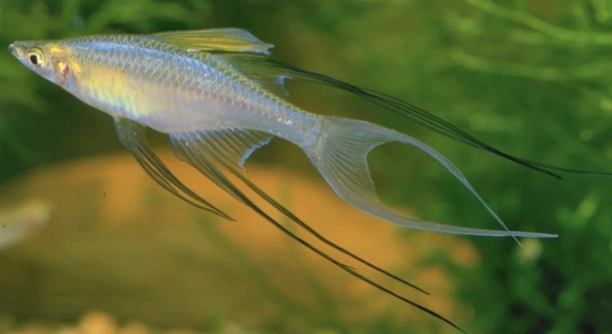
Threadfin Rainbowfish are lively and colorful additions to any freshwater aquarium. Observing them dart suddenly across the tank can be startling, especially for new fish keepers. These quick movements often indicate underlying environmental or health factors affecting the fish.
Sudden darting in Threadfin Rainbowfish is primarily caused by stressors such as poor water quality, sudden changes in temperature, inadequate tank space, the presence of aggressive tank mates, nutritional deficiencies, parasitic infections, or unexpected disturbances in their environment.
Recognizing these causes early helps maintain a calm and healthy aquarium environment, ensuring your Threadfin Rainbowfish thrive while reducing sudden erratic behaviors.
Poor Water Quality
Maintaining clean water is essential for Threadfin Rainbowfish. Dirty or polluted water can cause them to dart suddenly as a stress response. High levels of ammonia, nitrites, or nitrates irritate their gills and skin, making them more prone to rapid, erratic swimming. Uneven pH levels or sudden chemical changes in the tank can also create a stressful environment. Regular water testing, partial water changes, and using a reliable filtration system help keep the tank stable. It’s important to remove uneaten food and waste promptly to prevent buildup. Observing water clarity and odor can give an early indication of declining quality. Overcrowding the tank worsens water conditions, further increasing stress. Threadfin Rainbowfish are sensitive to even minor fluctuations, so maintaining consistency in temperature and chemical balance supports calmer behavior. A steady routine and attentive care allow the fish to feel secure in their surroundings.
Poor water management can lead to disease and continuous stress, which heightens darting.
Keeping the water clean and stable reduces sudden movements and promotes long-term health. Regular checks and gradual changes help the fish adjust comfortably. Ensuring optimal conditions also minimizes the risk of infections, allowing the Rainbowfish to display their natural, graceful swimming patterns without unnecessary stress. Observing the fish daily helps catch potential issues early, supporting a balanced aquatic environment that keeps sudden darting to a minimum.
Sudden Temperature Changes
Threadfin Rainbowfish are highly sensitive to temperature fluctuations. A sudden rise or drop in water temperature can trigger rapid darting as a stress response. Even minor shifts caused by heater malfunctions or nearby drafts can upset their comfort. Maintaining a stable temperature within the recommended range is critical. Using a reliable aquarium heater and thermometer helps monitor conditions accurately. Gradual adjustments, rather than abrupt changes, allow the fish to acclimate safely. Stress from temperature fluctuations can weaken their immune system, increasing susceptibility to infections and illness. Pairing them with other species that tolerate similar temperatures also prevents additional stress. Sudden shifts in temperature often coincide with unusual behaviors like hiding or chasing, indicating discomfort.
Temperature management supports both physical health and stable behavior patterns.
Monitoring water temperature consistently and addressing changes quickly prevents stress responses. Gradual acclimation during water changes, careful placement of equipment, and avoiding cold drafts or direct sunlight on the tank help maintain a steady environment. Keeping the aquarium stable ensures the Rainbowfish remain active without sudden darting, promoting natural interactions with tank mates and consistent feeding habits. Over time, this attentive care creates a predictable environment, reducing anxiety and supporting the fish’s overall well-being.
Overcrowding
Overcrowding increases stress in Threadfin Rainbowfish, leading to sudden darting. Limited space makes them feel threatened and unsettled, especially when competing for food or swimming areas. Maintaining appropriate stocking levels reduces stress and encourages calm, natural behavior.
Too many fish in one tank creates constant competition and tension. Threadfin Rainbowfish need sufficient room to swim freely and establish their territories. Overcrowding limits movement and prevents fish from finding quiet areas to rest, making them more reactive. Adequate space also ensures proper oxygen levels and reduces waste accumulation, supporting overall health. Monitoring tank capacity and planning fish numbers carefully prevents continuous stress, allowing the Rainbowfish to swim gracefully without sudden bursts of panic.
When fish are overcrowded, aggression among tank mates can rise. Stress from cramped conditions often leads to rapid darting, hiding, and chasing. Providing plants, decorations, and open swimming areas helps distribute activity and gives fish places to retreat. Proper stocking and thoughtful tank layout reduce erratic behavior, allowing the group to coexist peacefully. A balanced environment keeps the fish active, healthy, and less prone to stress-induced darting.
Aggressive Tank Mates
Aggressive tank mates can frighten Threadfin Rainbowfish, causing sudden darting and hiding. Choosing compatible species reduces stress and maintains a peaceful environment. Observing interactions helps identify and manage conflicts early.
Even calm fish can become stressed if housed with nippy or dominant species. Aggressive behavior may include chasing, fin-nipping, or crowding, which triggers rapid swimming as a defensive response. Monitoring the tank during feeding and daily activity allows early detection of tension. Separating incompatible fish or using dividers can prevent constant stress.
Introducing new species gradually helps Threadfin Rainbowfish adjust without panic. Ensuring hiding spots, plants, and open swimming areas gives all fish space to establish territories. Selecting species with similar temperaments supports harmony. Over time, a well-planned community tank reduces erratic darting and encourages healthy interactions, keeping the Rainbowfish active and relaxed.
Nutritional Deficiencies
Threadfin Rainbowfish may dart suddenly if their diet lacks essential nutrients. A poor diet weakens their energy levels and overall health, making them more reactive to minor disturbances in the tank. Providing balanced, varied food helps prevent this behavior.
Supplying high-quality flakes, pellets, and occasional live or frozen foods supports growth and vitality. Missing vitamins or proteins can cause weakness, stress, and erratic swimming. Monitoring feeding habits ensures each fish receives adequate nutrition, reducing sudden bursts of activity.
Parasitic Infections
Parasitic infections can irritate the skin and gills of Threadfin Rainbowfish, leading to rapid darting. External parasites like ich or gill flukes create discomfort, making fish more skittish. Quarantining new fish and maintaining tank hygiene help prevent infestations.
Environmental Disturbances
Sudden movements, loud noises, or vibrations around the tank can trigger darting in Rainbowfish. Minimizing disturbances and providing a calm environment helps reduce stress.
What causes sudden darting in Threadfin Rainbowfish?
Sudden darting in Threadfin Rainbowfish is usually caused by stress or discomfort. Factors such as poor water quality, overcrowding, incompatible tank mates, temperature fluctuations, nutritional deficiencies, parasitic infections, and environmental disturbances all contribute. Even minor changes in the tank environment can make these sensitive fish react quickly.
How can I tell if my Rainbowfish is stressed?
Signs of stress include rapid or erratic swimming, frequent hiding, loss of appetite, and faded coloration. Stress often leads to sudden darting and other unusual behaviors. Monitoring these changes regularly helps identify potential problems early and allows for corrective actions to maintain a healthy environment.
How often should I check water quality?
Testing water at least once a week is recommended. Checking for ammonia, nitrites, nitrates, pH, and temperature ensures the tank remains stable. Sudden shifts in water conditions often trigger darting, so frequent monitoring and prompt adjustments help keep the fish calm.
What is the ideal tank size for Threadfin Rainbowfish?
A minimum of 30 gallons is recommended for a small group. Adequate space reduces stress and allows the fish to swim freely. Overcrowding leads to competition, tension, and sudden darting. Including plants and open swimming areas further supports a peaceful environment.
Can diet affect sudden darting?
Yes. Poor nutrition weakens Rainbowfish, making them more reactive. Feeding high-quality flakes, pellets, and occasional live or frozen foods ensures essential vitamins and proteins. A balanced diet strengthens immunity, reduces stress, and minimizes erratic swimming caused by weakness or irritation.
How do I prevent parasitic infections?
Quarantining new fish before introducing them to the main tank helps prevent parasites. Regular tank cleaning, avoiding overfeeding, and monitoring fish for external signs like white spots or frayed fins reduce the risk of infections. Early detection allows for prompt treatment, minimizing stress-induced darting.
Do tank decorations affect behavior?
Yes. Adequate hiding spots and open swimming areas reduce stress. Overcrowded or poorly arranged decorations can create tension, leading to darting. Plants, rocks, and driftwood should be strategically placed to allow fish to explore and establish territories safely.
How do temperature changes influence darting?
Sudden rises or drops in water temperature make Rainbowfish anxious and reactive. Using a reliable heater, thermometer, and gradual adjustments during water changes maintains stable conditions. Consistency prevents stress responses and supports healthy, calm behavior.
Are aggressive tank mates a concern?
Aggressive or nippy species can frighten Threadfin Rainbowfish, causing rapid darting and hiding. Observing interactions, separating incompatible fish, or selecting peaceful tank mates creates a harmonious environment. Providing adequate space and retreat areas minimizes conflict and supports natural swimming behavior.
What daily habits help reduce darting?
Regular observation, consistent feeding, partial water changes, and monitoring tank conditions all help reduce stress. Keeping the environment stable and calm allows Rainbowfish to remain relaxed. Promptly addressing any signs of illness, aggression, or water quality issues ensures sudden darting remains minimal.
Can sudden noise or vibrations trigger darting?
Yes. Loud noises, tapping on the glass, or vibrations from nearby activity can startle Rainbowfish. Placing the tank in a low-traffic area and minimizing sudden disturbances helps the fish feel secure, reducing erratic swimming and stress-induced darting.
How long does it take for fish to adjust to a new tank?
Adjustment can take a few days to a few weeks, depending on the fish and tank conditions. Gradual introduction, consistent care, and a stable environment help Rainbowfish acclimate without excessive stress or darting. Monitoring behavior closely during this period is essential.
What are the best practices for maintaining a calm tank?
Maintaining clean water, stable temperature, appropriate stocking, compatible tank mates, balanced nutrition, and minimal disturbances creates a calm environment. Observing fish behavior daily and acting quickly on any issues prevents stress, supports health, and reduces sudden darting in Threadfin Rainbowfish.
How can I manage darting caused by multiple factors?
Identify the main stressors by observing the tank and fish behavior. Address water quality, tank layout, feeding, temperature, and interactions with other fish simultaneously. A combined approach reduces stress more effectively than addressing a single factor, helping Rainbowfish swim calmly and thrive.
What should I do if darting continues despite improvements?
Persistent darting may indicate underlying health issues. Consulting a veterinarian or experienced aquarist can help diagnose infections or other medical conditions. Continuous monitoring, treatment when necessary, and maintaining optimal tank conditions improve overall well-being and reduce erratic behaviors over time.
Final Thoughts
Threadfin Rainbowfish are naturally active and graceful swimmers, but sudden darting can indicate underlying issues in the tank environment or with the fish’s health. Observing your fish closely is the first step in understanding their behavior. Regular monitoring allows you to identify stress signals such as rapid swimming, hiding, or changes in appetite. These behaviors, while sometimes normal, often point to water quality problems, sudden temperature changes, overcrowding, aggressive tank mates, nutritional deficiencies, parasitic infections, or environmental disturbances. Taking note of these factors helps you create a stable and secure environment for the Rainbowfish, reducing stress and promoting calmer, more predictable behavior. Maintaining a routine for tank maintenance, feeding, and observation supports the long-term well-being of your fish and minimizes sudden, erratic movements.
Water quality is one of the most important aspects to monitor. Threadfin Rainbowfish are highly sensitive to changes in ammonia, nitrite, nitrate levels, and pH. Even minor fluctuations can lead to stress-induced darting. Regular partial water changes, proper filtration, and prompt removal of waste and uneaten food help maintain a clean environment. Temperature stability is equally critical, as sudden rises or drops can startle fish and provoke rapid movements. Using reliable heaters and thermometers, and avoiding placing the tank near drafts or direct sunlight, ensures consistent conditions. Providing adequate space, along with hiding spots and a well-thought-out tank layout, helps reduce stress from overcrowding and allows Rainbowfish to swim comfortably. Tank mates should be carefully selected to avoid aggression, ensuring a peaceful community. Balanced nutrition, including high-quality flakes, pellets, and occasional live or frozen foods, further supports fish health and reduces behavioral stress.
Even with optimal care, occasional darting may still occur, as Rainbowfish are naturally active and alert. However, consistent attention to water quality, tank setup, nutrition, and fish interactions greatly reduces the frequency and intensity of these episodes. Quarantining new fish before introducing them to the main tank prevents the spread of parasites and infections. Minimizing loud noises or vibrations near the tank helps maintain a calm environment. Daily observation, combined with prompt corrective action when issues arise, ensures that Rainbowfish remain healthy and active without excessive stress. Over time, a stable, well-maintained tank allows the fish to thrive, showcasing their bright colors and energetic swimming patterns. By focusing on these key aspects, you can enjoy a lively and balanced aquarium where sudden darting becomes a rare occurrence rather than a constant concern.

Hello,
If you enjoy the content that we create, please consider saying a "Thank You!" by leaving a tip.
Every little bit helps us continue crafting quality advice that supports the health, happiness, and well-being of pets around the world, for pets of all shapes, sizes, and species.
We really appreciate the kindness and support that you show us!