
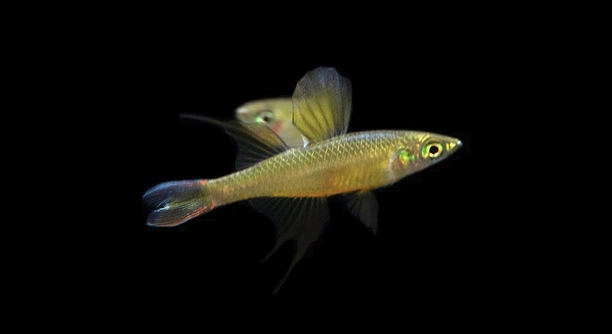
Threadfin Rainbowfish are small, colorful freshwater fish known for their shimmering scales and active nature. They often explore their surroundings with curiosity, swimming around decorations, plants, and other tank inhabitants in lively patterns each day.
When Threadfin Rainbowfish see a mirror, they usually react as if another fish is present. They may display territorial behaviors, attempt to interact, or show heightened activity. This response varies depending on the fish’s age, temperament, and social environment.
Observing these reactions can reveal insights into their behavior and social instincts, providing a closer understanding of how they interact with their environment.
Mirror Reactions in Threadfin Rainbowfish
Threadfin Rainbowfish respond to mirrors with a mix of curiosity and caution. When they see their reflection, some fish may swim rapidly toward it, flaring fins or trying to establish dominance. Others may cautiously approach, examining the mirrored image before swimming away. These behaviors are shaped by the fish’s natural instincts to defend territory and recognize potential rivals. Juvenile Rainbowfish often show more playful interactions, while adults may display stronger territorial displays. The intensity of their reactions can also depend on the tank environment, lighting, and presence of other fish. Over time, repeated exposure to a mirror may reduce aggressive responses, as fish become familiar with the stationary reflection. Observing these behaviors offers insights into their social patterns, communication methods, and natural instincts, helping aquarists provide environments that meet their behavioral needs. Recognizing subtle signs, like fin flicks or sudden darting, helps interpret their reactions more accurately and responsibly.
Mirror exposure allows Rainbowfish to express instinctual behaviors in a controlled setting, offering a safe outlet for natural reactions.
Watching these interactions carefully can enhance understanding of their temperament and provide a better way to manage tank dynamics, especially in multi-fish environments.
Managing Mirror Interactions
Limiting mirror exposure helps prevent stress in Rainbowfish, especially in smaller tanks or with highly territorial individuals.
Excessive mirror interaction may lead to repeated aggression or increased stress, affecting overall health and behavior. Some fish might overreact to the reflection, spending too much energy on non-existent rivals, which can reduce feeding, growth, and social balance. Introducing mirrors occasionally and for short periods allows observation without long-term stress. It is also useful to monitor individual fish reactions; some tolerate mirrors calmly, while others become overly agitated. Tank arrangement, hiding spots, and companion fish can help mitigate potential stress. Gradual exposure ensures Rainbowfish adjust naturally, providing enrichment while maintaining calm. Aquarists can use mirrors strategically to study behavior or enhance activity but should avoid constant exposure. Understanding these responses helps maintain a balanced, healthy environment that supports both the physical and psychological well-being of Threadfin Rainbowfish, ensuring their lively and colorful presence remains consistent and stress-free in the aquarium.
Signs of Stress in Threadfin Rainbowfish
Threadfin Rainbowfish show stress through changes in behavior, such as hiding, erratic swimming, or loss of appetite. Fin clamping and dull coloration can also indicate discomfort, often linked to environmental factors or prolonged mirror exposure.
Stress affects their overall health and can reduce immunity. Fish under constant tension may become more prone to disease, slower to grow, or show irregular swimming patterns. Environmental stressors include poor water quality, sudden changes in temperature, or overcrowding. Monitoring their reactions to mirrors helps identify early signs of tension. Recognizing subtle changes, like avoiding certain areas of the tank or interacting less with companions, provides critical insight for maintaining a stable environment. Adjusting the tank setup, limiting mirror exposure, and ensuring proper water conditions can help Rainbowfish regain calm behavior and maintain their vibrant appearance.
Behavioral changes also reveal how fish perceive their environment. Persistent stress responses might indicate social imbalance in the tank. Observing interactions over time allows for adjustments to habitat, such as adding hiding spots or rearranging decor. For example, fish that repeatedly attack their reflection may benefit from reduced mirror access, while others may simply need more space. Understanding these patterns ensures that the fish’s natural instincts are accommodated without compromising health. By paying attention to subtle cues, it is possible to support their well-being, encourage natural activity, and reduce the risks of long-term stress.
Benefits of Mirror Interaction
Short, controlled mirror exposure can provide stimulation and encourage natural behaviors.
Mirrors offer an outlet for exploration and exercise, particularly for young Rainbowfish. Brief exposure encourages fin spreading, chasing motions, and increased swimming activity, which helps maintain physical fitness. This simulated social interaction allows fish to practice territorial displays without risking harm to tank mates. It also provides mental stimulation, reducing boredom in smaller tanks. Observing these reactions can inform aquarists about social hierarchy, individual temperament, and behavioral tendencies. Strategic use of mirrors supports both physical and psychological enrichment, promoting a healthier and more active aquarium environment.
Controlled mirror exposure can also serve as a behavioral study tool. Monitoring how each fish reacts provides insight into their personality and social instincts. Some fish may quickly recognize the reflection as harmless, while others continue aggressive displays, revealing dominance tendencies or heightened territoriality. This knowledge allows adjustments in tank management, such as separating highly aggressive individuals or creating visual barriers. By alternating exposure and monitoring responses, aquarists can encourage activity while preventing prolonged stress. Over time, mirrors can help enhance swimming patterns, coordination, and natural behaviors without negatively impacting the fish. This approach ensures a balanced and enriched habitat, benefiting all inhabitants.
Preparing Your Tank for Mirror Observation
Ensure the tank has ample hiding spots and open swimming areas. Proper water quality, stable temperature, and adequate space help Rainbowfish handle mirror exposure safely.
Introduce the mirror gradually, observing reactions closely. Short sessions prevent stress while allowing natural behaviors to emerge, keeping fish comfortable and active.
Monitoring Behavioral Changes
Track changes in swimming patterns, fin display, and interaction with tank mates. Noting these behaviors over time provides insight into stress levels, social tendencies, and individual temperament. Careful observation allows timely adjustments, such as reducing exposure or rearranging the tank, to maintain a healthy, balanced environment.
Duration and Frequency
Limit mirror sessions to a few minutes at a time. Short, occasional exposure ensures stimulation without causing fatigue or long-term stress.
Safety Considerations
Avoid placing mirrors near aggressive or highly territorial fish. Ensure reflections do not lead to repeated collisions, injury, or prolonged stress, keeping all tank inhabitants safe and healthy.
FAQ
How do Threadfin Rainbowfish react to mirrors?
Threadfin Rainbowfish typically respond to mirrors as if they are seeing another fish. Reactions range from curiosity and approach behaviors to aggressive displays. Some fish may chase their reflection, flare fins, or attempt to assert dominance, while others cautiously inspect the image before swimming away. Juvenile fish often show more playful engagement, whereas adults may show stronger territorial behavior. Repeated exposure can reduce aggressive responses, as the fish gradually recognize that the reflection does not pose a real threat.
Can mirror exposure stress Rainbowfish?
Yes, prolonged or excessive mirror exposure can lead to stress. Signs of stress include hiding, clamped fins, reduced appetite, erratic swimming, or faded coloration. Stress can affect growth, immunity, and overall health. Limiting mirror sessions to short periods and monitoring reactions ensures stimulation without causing long-term harm. Tank environment, companion fish, and available hiding spots also influence how stressed a fish may become during mirror interactions.
How long should a mirror be left in the tank?
Mirrors should be introduced gradually and only for a few minutes at a time. Short, controlled sessions allow the fish to explore without prolonged exposure. Limiting frequency helps prevent exhaustion, repetitive aggressive behavior, or heightened stress. Observing the fish’s reactions during these sessions is essential to adjust the timing appropriately. Over time, Rainbowfish may tolerate slightly longer exposure if it remains brief and controlled, but constant placement is not recommended.
Do all Rainbowfish react the same way to mirrors?
No, individual responses vary. Some fish are highly curious, while others remain cautious or aggressive. Differences in temperament, age, size, and previous experiences affect how a fish reacts. Younger fish often show more playful behavior, while adults may display dominance or territorial aggression. Observing each fish separately provides insight into their personality and helps adjust mirror exposure to suit individual needs.
Can mirrors be used for behavioral observation?
Yes, mirrors are a useful tool for studying fish behavior. They allow observation of social tendencies, aggression levels, and fin displays without introducing another live fish. Monitoring reactions can reveal personality traits, dominance hierarchies, and stress responses. Mirrors help aquarists provide enrichment while minimizing the risk of injury or conflict among tank mates. Short, occasional sessions are ideal for studying behavior without compromising fish well-being.
Are there risks to using mirrors in a tank?
Yes, mirrors can cause stress or aggression if used improperly. Aggressive fish may repeatedly attack their reflection, leading to fatigue or injury. Fish that are naturally timid may become anxious or avoid swimming areas. Proper placement, short exposure, and observing reactions are necessary to reduce risks and ensure all fish remain healthy and active.
What are the benefits of controlled mirror exposure?
Controlled mirror exposure encourages natural behaviors, mental stimulation, and physical activity. It helps fish exercise, practice territorial displays, and explore their environment safely. Occasional mirror sessions can enhance swimming patterns, coordination, and engagement, providing enrichment without affecting tank mates. Observing reactions also allows aquarists to better understand their fish’s social behavior and temperament, supporting a balanced and healthy aquarium.
How can I tell if my Rainbowfish is overreacting?
Signs of overreaction include repeated aggressive lunges, frantic swimming, or prolonged focus on the reflection. Fish may neglect feeding, hide excessively, or display clamped fins. Adjusting exposure time or removing the mirror temporarily can help reduce stress. Observing gradual changes in behavior ensures the fish stays active, healthy, and calm.
Should mirrors be used with all tank setups?
Mirrors are best for tanks with ample space and hiding spots. Small, crowded tanks or tanks with highly territorial fish may not be suitable, as mirror exposure can escalate aggression or stress. Evaluating tank size, layout, and fish temperament before introducing a mirror ensures safe, beneficial interactions.
Can mirror use replace social interaction with other fish?
No, mirrors cannot replace live social interaction. They provide temporary stimulation and behavioral enrichment but do not fulfill social needs. Companion fish are essential for maintaining natural social behavior, while mirrors serve as a short-term tool for exercise, observation, and environmental engagement.
How often should mirror sessions occur?
Mirror sessions should be brief and occasional, typically a few minutes, one or two times per week. Frequent exposure may lead to fatigue or stress, while occasional sessions provide stimulation, enrichment, and an opportunity to monitor behavior safely. Tracking reactions helps determine the ideal frequency for each tank and fish personality.
Can mirror interactions affect tank dynamics?
Yes, mirror interactions can influence tank dynamics. Aggressive reactions may temporarily alter social hierarchies, while timid fish may withdraw. Short, monitored exposure prevents long-term disruption, and adjustments to tank layout or hiding spots help maintain balance among inhabitants.
Final Thoughts
Threadfin Rainbowfish are fascinating creatures, and observing how they interact with mirrors offers unique insight into their behavior. Their responses range from curiosity and playful engagement to displays of aggression or territoriality. Mirrors allow them to show natural instincts in a controlled setting, revealing patterns that might not always be obvious in daily tank life. Watching these reactions can help aquarists understand individual personalities, social tendencies, and levels of confidence in each fish. It is clear that mirror interaction is not just a novelty; it can be a valuable tool for monitoring and supporting the well-being of Rainbowfish, provided it is used thoughtfully and responsibly.
Careful management of mirror exposure is essential to prevent stress and overreaction. Short, gradual sessions allow fish to explore without feeling threatened or fatigued. Fish that are overly aggressive or timid may need additional observation to ensure their behavior remains balanced. Tank conditions, including space, water quality, hiding spots, and companion fish, play a critical role in how Rainbowfish respond to reflections. By paying attention to these environmental factors, aquarists can provide a safe and enriching setting that encourages natural activity while minimizing risks. Observing subtle cues, like fin flicks, darting movements, or hesitation near the reflection, gives insight into each fish’s comfort level, helping determine the ideal frequency and duration for mirror sessions.
Using mirrors responsibly can support both physical and mental stimulation. Controlled exposure encourages swimming, fin spreading, and exploration, offering exercise and engagement without the need for additional live fish. These short interactions can help maintain an active, alert, and healthy aquarium population. At the same time, understanding the limits and individual responses ensures that the fish remain calm and stress-free. Threadfin Rainbowfish benefit most when enrichment activities, like mirror exposure, are balanced with proper tank maintenance, compatible companions, and a stable environment. By observing behavior carefully and adjusting accordingly, aquarists can enhance the overall quality of life for their Rainbowfish, providing an aquarium that is both lively and harmonious, with fish that thrive physically and socially.

Hello,
If you enjoy the content that we create, please consider saying a "Thank You!" by leaving a tip.
Every little bit helps us continue crafting quality advice that supports the health, happiness, and well-being of pets around the world, for pets of all shapes, sizes, and species.
We really appreciate the kindness and support that you show us!