
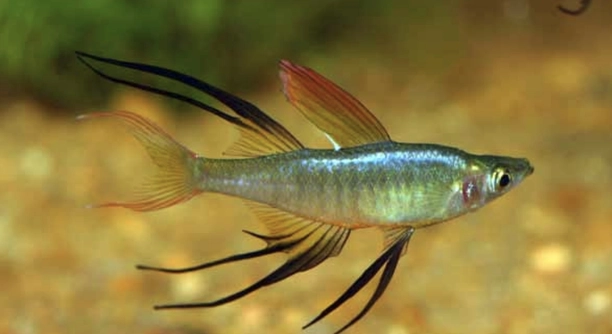
Do your threadfins seem less active than usual or appear to be hiding more than normal in their tank? Many fish owners notice subtle changes in behavior that could hint at underlying health concerns.
Threadfins often exhibit early warning signs of illness through changes in swimming patterns, appetite, and physical appearance. Observing these indicators promptly allows for timely intervention, preventing disease progression and promoting overall aquatic health.
Recognizing these warning signs early can make a significant difference in maintaining your threadfins’ health and preventing serious complications. It is essential to stay attentive to their behavior.
Sudden Loss of Appetite
When threadfins start refusing food or eat significantly less than usual, it can be one of the first signs of illness. A healthy threadfin typically shows eagerness during feeding times, swimming quickly to the surface or following food around the tank. Any change in this behavior, such as hesitation, ignoring food, or spitting it out, should be noted immediately. Appetite changes are often linked to internal infections, parasites, or stress from environmental changes. Even minor fluctuations in water temperature, pH levels, or tank overcrowding can trigger a reduced appetite. Keeping a log of feeding habits over time can help detect patterns and alert you to early health issues. By observing carefully, you can address problems before they escalate, ensuring your threadfins remain active and maintain proper nutrition for their growth and overall well-being.
Reduced feeding is a strong signal that something may be wrong, warranting closer observation and water quality checks.
Consistent monitoring of eating habits allows you to respond quickly. Offering varied, high-quality foods and ensuring stable tank conditions can prevent appetite-related health issues. Stress reduction, proper filtration, and avoiding sudden environmental changes also support normal feeding behavior. Acting promptly helps maintain your threadfins’ vitality.
Lethargic Swimming Patterns
Lethargy in threadfins is often easy to spot when they linger near the bottom or barely move for extended periods.
Persistent sluggishness may indicate illness, including bacterial or parasitic infections, low oxygen levels, or poor water conditions. Observing the fish during different times of the day is crucial to distinguish normal resting periods from abnormal inactivity. Tanks with overcrowding, inadequate filtration, or fluctuating water temperatures can contribute to lethargy, making it essential to maintain a stable environment. Stress factors such as aggressive tank mates or sudden changes in lighting can also reduce energy levels. By paying close attention to swimming behavior, you can detect subtle health issues early. Immediate action, like water testing, adjusting feeding, or consulting a veterinarian, can prevent deterioration. Maintaining a clean, well-oxygenated environment with regular monitoring encourages active swimming and supports your threadfins’ long-term health, minimizing risks associated with inactivity or hidden diseases.
Clamped Fins
Clamped fins, where the threadfin holds its fins close to its body, often signal stress or illness. This can indicate bacterial infections, parasites, or poor water conditions that need immediate attention.
Clamped fins reduce mobility and indicate discomfort. Water quality plays a major role, so testing for ammonia, nitrites, and pH levels is crucial. Adjusting tank temperature and improving filtration can relieve stress. Providing hiding spaces helps the fish feel secure. Stress from sudden changes in the environment or aggressive tank mates can also cause this condition. Monitoring behavior over several days can help determine whether it’s temporary or a sign of a developing illness that requires intervention.
Prompt response to clamped fins is essential. Treating infections early, maintaining optimal water parameters, and reducing stress can restore normal fin movement. Nutrition and regular observation ensure threadfins remain active and healthy, preventing further complications.
Abnormal Swimming Patterns
Erratic swimming, such as spinning, darting, or floating unevenly, is often a sign of internal or external health problems. It may indicate parasites, neurological issues, or water quality imbalances.
Consistent abnormal movements are serious. Parasites like ich or protozoa can disrupt balance, making swimming irregular. Bacterial infections affecting the swim bladder may cause the fish to tilt or float upside down. Low oxygen levels or sudden temperature changes also impact swimming. Observing when and how these behaviors occur helps pinpoint causes. Ensuring proper filtration, aeration, and stable water parameters is critical. Quick treatment and environmental adjustments reduce stress and prevent worsening symptoms, safeguarding your threadfin’s health.
Discoloration
A sudden change in coloration, such as dullness or dark patches, can indicate illness, stress, or poor water quality. Noticing these changes early helps in taking corrective action to prevent further health decline.
Discoloration may result from infections, parasites, or nutritional deficiencies. Regular observation and consistent water testing are essential to identify underlying causes and maintain fish health.
Rapid Gill Movement
Rapid gill movement is often a sign of oxygen deprivation or respiratory distress. It may indicate poor water conditions, high ammonia levels, or gill infections affecting the threadfin’s ability to breathe properly.
Visible Spots or Lesions
White spots, red sores, or raised lesions on a threadfin’s body are strong indicators of bacterial, fungal, or parasitic infections. Prompt treatment is necessary to prevent spread and further complications.
How can I prevent my threadfins from getting sick?
Preventing illness starts with maintaining clean water and stable tank conditions. Regular water changes, proper filtration, and monitoring temperature, pH, and ammonia levels are crucial. Avoid overcrowding the tank, as stress from limited space can weaken the immune system. Feeding a balanced diet with high-quality food also supports health.
Providing hiding spaces reduces stress and creates a sense of security. Quarantining new fish before adding them to the main tank prevents introducing diseases. Observing daily behavior helps detect early signs of illness before they become severe. Consistency in tank maintenance and feeding routines significantly lowers the risk of common infections and improves overall vitality.
What should I do if my threadfin shows signs of clamped fins or lethargy?
Clamped fins and lethargy usually indicate stress or infection. Start by testing water parameters, including ammonia, nitrite, nitrate, and pH. Correct any imbalances immediately. Check the temperature and ensure it is within the species’ preferred range. Reduce stress factors, like aggressive tank mates or sudden changes in lighting.
If water conditions are stable, inspect for visible signs of disease, such as spots, lesions, or abnormal swimming. Consider using appropriate medications for bacterial or parasitic infections if symptoms persist. Isolating the affected fish in a quarantine tank can prevent disease from spreading. Monitoring behavior and appetite during treatment helps evaluate recovery progress.
How do I treat abnormal swimming patterns?
Abnormal swimming can result from swim bladder issues, parasites, or poor water quality. Begin by testing and correcting water parameters to ensure stable, clean conditions. Observing the fish can help identify the specific behavior pattern, whether it is spinning, tilting, or floating upside down.
If the problem is caused by parasites, use recommended anti-parasitic treatments according to the product instructions. Swim bladder issues may improve with fasting, feeding high-fiber foods, or adjusting water temperature slightly. Maintaining low stress and clean water supports recovery. Persistent or worsening symptoms may require consulting an aquatic veterinarian for proper diagnosis and treatment.
When should I be concerned about discoloration or spots on my threadfins?
Discoloration, white spots, red sores, or lesions are usually early signs of infection or poor nutrition. Prompt attention is required to prevent worsening conditions. Examine water quality and tank cleanliness first. Poor water parameters can cause or exacerbate skin problems.
Use appropriate treatments for bacterial, fungal, or parasitic infections if the issue persists. Isolate affected fish in a quarantine tank to avoid spreading disease. Continue monitoring for behavioral changes such as loss of appetite, lethargy, or clamped fins. Early detection and intervention significantly increase the chances of full recovery.
Can diet help prevent illness in threadfins?
Yes, diet plays a key role in maintaining strong immunity. Providing a varied diet with high-quality pellets, frozen or live foods ensures the fish receive essential nutrients. Avoid overfeeding, as leftover food can degrade water quality and lead to health problems.
Including occasional supplements, such as vitamins or probiotics, can enhance disease resistance. Observe feeding behavior to ensure each fish is eating properly. Regularly rotating food types prevents deficiencies and encourages healthy growth. Nutrition combined with proper tank care creates a strong foundation for preventing illness and supporting overall well-being.
How often should I monitor my threadfins for warning signs?
Daily observation is essential to detect subtle changes in behavior, appetite, and appearance. Even small changes, such as slower swimming, clamped fins, or minor discoloration, can indicate the early stages of illness.
Keeping a journal of feeding patterns, activity levels, and water parameters can help track long-term health trends. Regular monitoring allows for quick action if problems arise, preventing minor issues from developing into serious diseases. Consistent observation combined with proper tank maintenance ensures your threadfins remain healthy and reduces the likelihood of sudden health problems.
Are quarantine tanks necessary for new or sick threadfins?
Quarantine tanks are highly recommended. New fish may carry parasites or infections that are not immediately visible. Isolating them for at least two weeks helps prevent introducing disease to established fish.
Sick fish should also be moved to a separate tank for treatment. This reduces stress on healthy fish and allows for controlled medication administration. Quarantine tanks should have stable water conditions similar to the main tank and provide hiding spaces to reduce stress. Using a quarantine tank is a simple and effective way to protect your entire collection from potential outbreaks.
What environmental factors most affect threadfin health?
Temperature fluctuations, poor water quality, overcrowding, and inadequate filtration are the primary environmental factors affecting threadfin health. Stable, clean water and proper oxygenation are critical to prevent stress-related illnesses.
Lighting and tank layout also influence behavior and well-being. Providing hiding spaces and maintaining a consistent daily routine reduces stress. Regularly checking water chemistry, adjusting feeding schedules, and avoiding sudden changes help maintain a healthy environment. A well-maintained habitat supports strong immunity and reduces the risk of common illnesses, ensuring threadfins remain active and vibrant.
How do I know if my treatment plan is working?
Positive signs include improved swimming behavior, normal appetite, restored coloration, and increased activity. Continuous monitoring helps determine whether adjustments to medication or environmental changes are needed.
Keep detailed records of symptoms, treatment schedules, and water parameters. If no improvement occurs within a reasonable period, consult an aquatic veterinarian for further guidance. Early intervention and careful observation maximize the chances of full recovery.
Threadfins are sensitive fish that rely on clean water, stable environmental conditions, and attentive care to remain healthy. Observing subtle changes in behavior, appetite, or appearance is essential to detecting early signs of illness. Issues like clamped fins, lethargy, abnormal swimming, or discoloration often appear before more serious problems develop. By noticing these warning signs promptly, you can take immediate steps to correct water quality, adjust feeding routines, or administer treatment, minimizing the risk of severe disease. Maintaining a consistent schedule for water changes, feeding, and observation helps create a reliable routine, reducing stress and supporting overall well-being. Stress is one of the most common triggers for health problems, and it can result from overcrowding, sudden changes in temperature, poor water quality, or aggressive tank mates. Providing hiding spots and adequate space allows threadfins to feel secure, which supports both physical and mental health.
Diet is another key factor in preventing illness. Threadfins require a balanced and varied diet to maintain a strong immune system and overall vitality. Offering high-quality pellets, frozen foods, or live options ensures they receive essential nutrients for growth and disease resistance. Overfeeding should be avoided, as excess food can decay and negatively affect water conditions, leading to secondary health problems. Monitoring each fish during feeding helps ensure all threadfins are eating properly and allows you to detect early signs of appetite loss. Supplements like vitamins or probiotics can be incorporated occasionally to boost immunity. Consistency in diet, combined with attentive care and stable environmental conditions, forms the foundation for long-term health and reduces the likelihood of recurring illness.
Regular monitoring and proactive care are critical for keeping threadfins healthy. Daily observation of swimming behavior, feeding habits, and physical condition can alert you to changes that require immediate attention. If a fish becomes sick, isolating it in a quarantine tank and addressing the issue quickly can prevent the spread of disease to other tank mates. Water parameters should be checked frequently to maintain a stable environment, as fluctuations in temperature, pH, or ammonia levels can quickly stress fish and contribute to illness. Following proper treatment protocols and adjusting environmental factors as needed ensures a higher chance of recovery. By combining careful observation, proper nutrition, stable tank conditions, and early intervention, threadfins can remain active, vibrant, and less prone to disease. Consistent effort and attention create an environment where your threadfins can thrive safely and healthily over the long term.

Hello,
If you enjoy the content that we create, please consider saying a "Thank You!" by leaving a tip.
Every little bit helps us continue crafting quality advice that supports the health, happiness, and well-being of pets around the world, for pets of all shapes, sizes, and species.
We really appreciate the kindness and support that you show us!