
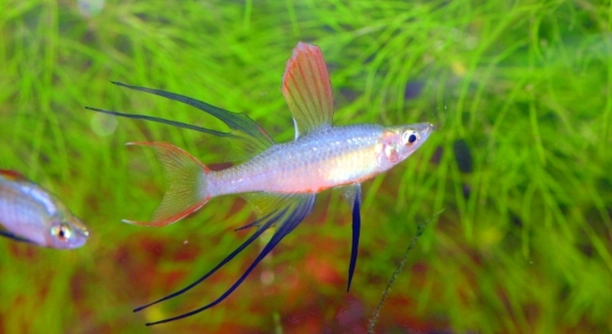
Threadfin Rainbowfish are small, lively freshwater fish often admired for their shimmering colors. Observing them in aquariums can be fascinating, as they rarely stay in one place and seem to explore different water levels throughout the day.
Threadfin Rainbowfish frequently change depths due to variations in light, temperature, and oxygen levels, as well as foraging behavior. This movement allows them to maintain optimal comfort, access food efficiently, and avoid stress within their environment.
Learning about their depth-changing behavior provides insight into their natural instincts and helps ensure they thrive in home aquariums. Paying attention to these patterns can improve care and overall fish health.
Light and Temperature Influence
Threadfin Rainbowfish often shift their position in the tank depending on light intensity. They tend to prefer moderate lighting, avoiding both overly bright areas and deep shadows. Sudden changes in sunlight or artificial light can prompt them to move toward shaded spots. Temperature also plays a significant role. These fish are most comfortable in water between 24°C and 28°C, and even slight fluctuations may encourage them to explore different depths. During the warmer part of the day, they might rise closer to the surface where the water feels slightly warmer, while cooler periods often see them retreating toward the bottom. By observing these patterns, owners can better understand their fish’s comfort levels. Consistent tank conditions reduce stress and support healthy activity, feeding, and coloration. A stable environment encourages natural depth changes, helping maintain both their physical well-being and their striking visual appeal throughout the day.
Maintaining steady lighting and temperature helps prevent erratic swimming behaviors and ensures the fish remain active and stress-free.
Proper monitoring of light and heat is essential, as these factors directly influence the fish’s metabolism, activity, and feeding patterns. Adjusting light gradually and keeping temperature within their comfort range allows them to exhibit natural movement between depths. Frequent observation can reveal subtle preferences for shaded or warmer zones. Providing gentle gradients in light and temperature within the tank encourages healthy exploration, reduces stress, and supports their natural instincts. Aquarists can also use floating plants or dimmable lights to create a comfortable environment, allowing the fish to select preferred zones without drastic behavioral changes. Over time, this leads to a more balanced aquarium ecosystem, where the fish interact with both their environment and each other in a natural, predictable manner. A stable habitat ensures they maintain vibrant coloration and energy levels, enhancing overall enjoyment of the aquarium.
Feeding and Social Behavior
Feeding patterns influence depth changes, as Threadfin Rainbowfish often move toward areas where food is introduced. They may follow currents or explore surface, mid, and bottom layers depending on their hunger and social interactions.
Group dynamics affect their position in the tank. Dominant individuals may occupy preferred spots, while others adjust to avoid conflict. Feeding times encourage more movement, as fish navigate to access food. They also exhibit schooling behavior, often changing depths in coordinated patterns. Social hierarchy combined with feeding instincts creates a dynamic environment where every individual’s behavior contributes to overall tank activity. Monitoring feeding routines and observing interactions helps aquarists anticipate these depth changes and maintain balanced nutrition. Small adjustments, like spreading food across different levels, encourage exploration and reduce competition. Understanding these patterns allows better care, ensuring both physical health and natural behavioral expression in the aquarium. Recognizing social cues and feeding preferences provides insight into their well-being and keeps the tank environment harmonious.
Oxygen Levels and Water Flow
Threadfin Rainbowfish respond quickly to changes in oxygen levels. Higher oxygen concentration near the surface often draws them upward, while lower levels encourage them to stay in well-aerated areas or explore more active water zones.
Variations in water flow also influence their depth. These fish prefer gentle currents, which mimic natural streams, and avoid stagnant or overly strong areas. Flow encourages them to swim at mid-levels, promoting exercise and overall health. Uneven distribution of oxygen and flow within a tank explains why they constantly adjust their depth throughout the day. Providing a well-circulated tank with subtle gradients allows them to select preferred zones freely, reducing stress and supporting natural activity patterns. Observing how they navigate these areas can reveal their comfort preferences and help optimize aquarium setup.
Oxygen and current changes, combined with their natural curiosity, lead to dynamic depth movement. Adjusting aeration and flow ensures consistent comfort and health for the fish.
Careful management of aeration points and gentle filtration helps maintain stable oxygen levels across all tank layers. This not only supports metabolic functions but also encourages natural swimming behavior. Regular monitoring of dissolved oxygen and flow patterns ensures the fish experience minimal stress and can move naturally between depths. By creating areas of varied current and aeration, each fish can find zones that suit its activity level and comfort, supporting both individual well-being and cohesive school behavior. Consistency in water conditions reduces the risk of disease and supports vibrant coloration, making these depth adjustments predictable and healthy.
Tank Layout and Hiding Spots
Threadfin Rainbowfish often change depths to explore structures and hiding areas. Rocks, plants, and décor provide vertical zones they can use for security or exploration.
The layout of a tank significantly influences movement. Providing multiple layers of plants, driftwood, or rocks allows fish to choose depth based on preference, stress levels, or social positioning. Vertical territory is as important as horizontal space, encouraging natural swimming patterns. Hiding spots reduce tension, particularly for less dominant fish, and help establish microhabitats where individuals feel safe. A tank designed with height variation encourages active swimming, supporting both mental and physical health. Fish navigate between cover and open areas, balancing curiosity with the need for security, and this constant interaction drives natural depth changes throughout the day.
Adjusting tank décor to create diverse zones ensures all fish can access preferred depths while reducing conflicts. Vertical layering of plants and ornaments encourages exploration and promotes healthy schooling. This approach supports both dominant and subordinate fish, allowing them to find refuge and maintain comfort. By incorporating multiple hiding spots at different levels, fish can express natural behaviors without stress. The result is a dynamic yet balanced aquarium, where depth changes reflect instinctive activity rather than environmental discomfort. Careful observation of their usage of these zones provides insight into individual preferences and social dynamics.
Seasonal and Daily Rhythms
Threadfin Rainbowfish adjust depth according to light and temperature changes throughout the day. Morning and evening shifts are common as they seek optimal conditions for activity and comfort.
Seasonal variations also influence movement. Gradual changes in daylight length and water temperature prompt subtle adjustments in depth, reflecting natural instincts.
Breeding Behavior
During breeding, Threadfin Rainbowfish often explore different depths to find safe spawning areas. Males may rise to display colors, while females select zones with adequate cover. This vertical movement ensures eggs are deposited in secure locations and supports successful reproduction. Awareness of these behaviors helps maintain a conducive breeding environment in home aquariums.
Stress and Health Indicators
Depth changes can signal stress or health issues. Sudden or unusual movement patterns often indicate environmental discomfort or illness. Observing these behaviors early allows for timely intervention, ensuring fish well-being and preventing complications.
FAQ
Why does my Threadfin Rainbowfish keep moving to the top of the tank?
Threadfin Rainbowfish often rise to the surface for higher oxygen levels, especially if the water is warmer or less aerated. They may also be following food or exploring the light gradient. Ensuring proper aeration and stable water conditions helps balance their vertical activity.
Is it normal for them to stay near the bottom sometimes?
Yes, spending time at the bottom is normal behavior. They may seek cooler water, shaded areas, or shelter among plants and décor. Bottom-dwelling periods are often tied to resting, hiding, or avoiding strong currents. Providing hiding spots at multiple levels supports this natural habit.
How do I know if their depth changes indicate stress?
Unusual or sudden shifts, such as darting constantly between top and bottom or isolating from the group, can indicate stress. Check water quality, temperature, oxygen levels, and social interactions. Correcting environmental imbalances and maintaining consistent conditions reduces stress and supports natural swimming patterns.
Do feeding habits affect how they move vertically?
Yes, feeding strongly influences depth changes. Fish often rise toward surface feeders or follow sinking food. Spreading food across multiple layers encourages exploration and minimizes competition, ensuring all fish receive proper nutrition while maintaining balanced movement throughout the tank.
Can tank layout influence their swimming patterns?
Absolutely. Vertical structures, plants, rocks, and hiding spots create zones that fish navigate for security or exploration. Layered décor promotes natural activity, reduces stress, and supports social hierarchies. Observing how fish use these zones helps optimize the tank for their comfort and well-being.
Will lighting changes affect their depth preference?
Lighting impacts both movement and comfort. Too bright light may push fish toward shaded or lower areas, while moderate light encourages balanced activity throughout the tank. Gradual adjustments in intensity and providing shaded areas maintain stable behavior and reduce stress responses.
Do water flow and currents make a difference?
Yes, Threadfin Rainbowfish prefer gentle currents. Strong or uneven flow can cause erratic swimming and force them into preferred zones. Proper filtration and subtle water movement encourage exercise and natural depth changes without overwhelming the fish.
How do seasonal changes impact them?
Even in aquariums, seasonal variations in room temperature or natural light can subtly influence swimming depth. Gradual adjustments in temperature and consistent lighting routines help maintain stable behavior year-round.
Can breeding change their depth activity?
During breeding, males display near the surface while females select sheltered spots for eggs. Depth shifts are part of reproductive behavior. Providing multiple vertical zones and adequate cover ensures safe spawning and reduces conflict among fish.
What should I monitor to keep their depth changes healthy?
Track oxygen levels, temperature, water flow, and tank layout. Observe feeding and social interactions. Addressing environmental inconsistencies and maintaining a well-structured tank encourages natural swimming patterns and keeps Threadfin Rainbowfish active and healthy.
How do I prevent conflicts when fish move vertically?
Ensure multiple hiding spots and varied vertical zones. This allows subordinate fish to retreat and reduces aggression. Consistent feeding and observation of school behavior help minimize competition and maintain harmony in the tank.
Is it okay if my fish constantly move during the day?
Yes, Threadfin Rainbowfish are active and curious, naturally changing depths to explore, feed, or adjust to conditions. Persistent movement is normal if environmental factors are stable and fish show no signs of stress or illness.
What signs indicate illness affecting depth behavior?
Lethargy, floating oddly, erratic swimming, or staying isolated at one level may indicate health issues. Test water parameters, check for parasites, and consult resources for treatment. Early intervention improves recovery and ensures normal behavior returns.
Can I simulate natural depth changes in my tank?
Yes, by varying lighting, flow, and décor placement, fish can move between zones naturally. Plants, driftwood, and rock structures at different heights encourage vertical exploration while supporting comfort, social interactions, and exercise throughout the day.
How long does it take for them to adapt to a new tank?
Adaptation varies, typically several days to a few weeks. During this time, fish may frequently change depth as they explore, find comfort zones, and establish social dynamics. Patience and stable conditions help smooth the transition and support normal behavior.
Are there specific signs that depth changes indicate happiness?
Smooth, coordinated swimming, balanced use of all tank levels, and active interaction with group members indicate comfort. Vibrant coloration, responsive feeding, and relaxed exploration are also positive signs that depth changes reflect healthy, natural behavior.
How can I encourage balanced swimming across depths?
Provide vertical zones, gentle currents, varied lighting, and distributed feeding areas. Consistent water quality and multiple hiding spots allow all fish to move comfortably, express natural instincts, and maintain social harmony throughout the aquarium.
Can overcrowding affect depth behavior?
Yes, limited space or too many fish can force competition for preferred zones. Overcrowding may cause excessive stress, erratic movement, and avoidance of optimal depths. Maintaining an appropriate tank population ensures normal vertical movement and reduces conflicts.
Do younger fish behave differently from adults?
Juveniles are often more exploratory and move across depths frequently. Adults establish territory and social hierarchies, sometimes limiting access to preferred areas. Providing layered spaces supports all ages and encourages healthy development of swimming and social behaviors.
How often should I observe their depth patterns?
Daily observation helps track normal behavior, detect stress, and identify early health issues. Recording patterns over time allows adjustments in tank setup, feeding, or environmental conditions to ensure optimal care for all Threadfin Rainbowfish.
Can I combine Threadfin Rainbowfish with other species without affecting depth movement?
Yes, if tank mates are compatible and non-aggressive. Avoid larger, territorial fish that may dominate preferred zones. Providing vertical structures and adequate space allows natural depth changes without causing stress or conflict between species.
What are common mistakes that disrupt natural depth changes?
Rapid lighting shifts, poor water quality, strong currents, overcrowding, and lack of vertical zones can all disrupt behavior. Regular monitoring, gentle adjustments, and thoughtful tank design help maintain predictable, healthy depth movement patterns.
How do I know if my tank setup mimics their natural habitat?
Observe if fish move freely between levels, use hiding spots, and show natural foraging and social behaviors. A balanced environment with moderate light, gentle flow, and varied décor supports these instincts, reflecting a well-structured habitat.
Is it normal for them to school while changing depths?
Yes, schooling behavior often involves synchronized vertical movement. Fish follow each other across levels for safety, foraging, or social cohesion. Encouraging this behavior with sufficient space and consistent conditions enhances natural patterns and reduces stress.
How important is tank size for their depth activity?
Tank size directly affects freedom of movement. Larger vertical space allows natural depth changes, reduces stress, and supports schooling. Small or shallow tanks may limit exploration and force unnatural patterns, impacting health and behavior.
Can diet influence their preferred depth?
Yes, sinking versus floating foods prompt movement at specific levels. Providing a mix encourages exploration, reduces competition, and ensures all fish receive balanced nutrition while exhibiting natural vertical swimming behavior.
Are there signs of boredom related to depth changes?
Repetitive, aimless swimming or constant pacing at one level may indicate insufficient stimulation. Adding vertical décor, plants, and varied feeding routines encourages exploration and mental engagement, supporting healthy depth changes.
How do I adjust behavior if fish avoid certain depths?
Check water parameters, temperature, lighting, and décor. Ensure hiding spots and gradual environmental gradients. Observing and correcting discomfort allows fish to feel safe and naturally explore all tank layers without stress.
Can I predict depth changes throughout the day?
Patterns often follow light cycles, feeding times, and social interactions. While exact movements vary, observing consistent responses to these factors allows anticipation of depth preferences and helps create an optimal environment.
How does water clarity affect depth behavior?
Clear water encourages natural exploration and schooling. Cloudy or murky water may make fish seek lower, safer zones. Maintaining clarity through proper filtration and water changes supports healthy vertical movement and reduces stress.
Do Threadfin Rainbowfish sleep at a certain depth?
They typically rest near sheltered areas or lower layers, depending on tank layout. Providing plants or décor at multiple heights allows them to choose comfortable resting spots while maintaining normal activity cycles.
How do I encourage less dominant fish to use all depths?
Multiple hiding spots, distributed food, and gentle currents allow subordinate fish to explore without risk. Vertical layering ensures every fish can access preferred zones and reduces stress from dominant individuals.
Can temperature stratification in the tank affect their movement?
Yes, warmer or cooler pockets may attract or repel fish. Even minor stratification influences depth choice. Maintaining stable, evenly mixed water supports balanced exploration and prevents forced confinement to certain levels.
Is it normal for them to return to the same depth repeatedly?
Yes, fish often have preferred zones for feeding, comfort, or social interaction. Repeated use indicates satisfaction with environmental conditions. Offering multiple layers ensures freedom to switch between zones as needed.
Can stress cause permanent changes in depth preference?
Chronic stress may alter behavior temporarily or long-term. Fish may avoid certain levels, show lethargy, or change social habits. Addressing environmental or social issues early restores natural depth movement and overall well-being.
How does group size influence depth behavior?
Smaller groups may spread more freely, while larger schools create dynamic vertical patterns. Proper tank size and décor accommodate group size, ensuring all fish can access preferred depths without conflict or overcrowding.
Can changing decorations disrupt their depth patterns?
Yes, sudden rearrangement may force fish to explore new zones or hide more frequently. Gradual adjustments and maintaining familiar structures help them adapt without stress while encouraging healthy movement.
How important is consistent observation for their care?
Regular monitoring allows detection of unusual depth changes, stress, or health issues. Tracking behavior over time helps adjust lighting, flow, and décor to support natural movement and maintain a thriving aquarium.
Does the time of day affect their vertical activity?
Yes, Threadfin Rainbowfish often rise in the morning and evening when light and temperature are moderate. Daytime activity reflects feeding and exploration, while night or shaded periods encourage resting at lower levels.
Are depth changes more noticeable in larger tanks?
Yes, larger tanks provide space to express natural behavior. Fish can explore vertical zones freely, while smaller tanks may restrict movement, leading to less observable depth changes and potential stress.
Can water chemistry affect vertical movement?
Parameters like pH, hardness, and nitrates influence comfort. Unstable water may prompt avoidance of certain depths. Maintaining stable chemistry supports natural swimming, health, and balanced schooling behavior.
How do I encourage interaction between fish at different depths?
Layered décor, varied food placement, and gentle currents promote interaction. Vertical gradients allow fish of all social ranks to coexist comfortably while encouraging movement and social cohesion across the tank.
Are there indicators of happiness in depth behavior?
Balanced use of all levels, smooth swimming, social cohesion, and active exploration indicate comfort. Fish that feel safe and healthy will move naturally and exhibit vibrant coloration and energy.
Does lighting schedule impact schooling depth patterns?
Yes, consistent day-night cycles promote predictable vertical movement and coordinated schooling. Gradual changes in lighting prevent sudden stress and allow fish to maintain natural depth rhythms throughout the day.
Can adult and juvenile fish occupy the same vertical zones?
Yes, if there is enough space and hiding spots. Juveniles often explore more freely, while adults may dominate preferred areas. Proper tank layout accommodates both, supporting natural vertical behavior and reducing conflicts.
How do I prevent aggression related to depth zones?
Provide multiple vertical refuges, evenly distributed food, and sufficient space. Observing social interactions and adjusting décor ensures subordinate fish can access preferred zones safely, reducing stress and aggressive behaviors.
What adjustments help maintain consistent depth movement?
Stable water parameters, gentle flow, vertical décor, distributed feeding, and proper lighting create an environment where fish can move naturally. Consistency reduces stress, promotes exploration, and supports healthy social dynamics.
Can Threadfin Rainbowfish adapt to sudden depth changes?
They can adapt gradually, but abrupt shifts in lighting, flow, or temperature may cause stress. Slow adjustments and a stable environment support natural exploration without forcing unhealthy behavior.
How do I track depth preferences effectively?
Observe daily patterns, noting preferred zones for feeding, resting, and social activity. Recording these observations over time helps fine-tune tank setup, décor, and environmental conditions to match their natural behavior.
Are depth patterns influenced by tank companions?
Yes, peaceful, similar-sized fish encourage natural schooling and vertical exploration. Aggressive or larger fish may dominate certain zones, forcing Threadfin Rainbowfish to alter depth preferences, potentially causing stress and reduced activity.
How long should I expect depth adjustment after environmental changes?
Adjustments can take hours to several days. Fish gradually explore new zones, establish comfort, and adapt to lighting, flow, or décor changes. Patience and stable conditions ensure healthy adaptation without stress.
Do Threadfin Rainbowfish prefer open water or cover?
They balance both. Open water supports feeding and schooling, while plants and décor provide security. Offering both allows fish to choose preferred depths based on activity, comfort, and social dynamics.
Can overfeeding affect depth behavior?
Yes, excessive food may lead fish to linger near the surface or concentrate in specific zones, reducing exploration. Controlled feeding encourages balanced movement and prevents obesity or water quality issues.
How does plant density affect their vertical activity?
Dense plants create shaded, secure zones, encouraging fish to explore mid and lower levels. Sparse planting may force constant movement and reduce natural depth selection, impacting comfort and social behavior.
Are their depth patterns consistent across individuals?
Individual preferences vary. Dominant fish may control prime zones, while others adapt. Providing multiple layers, hiding spots, and feeding areas ensures all fish can express natural depth behavior safely.
How often should I change the tank layout to encourage exploration?
Occasional adjustments can stimulate natural movement. Avoid frequent or drastic changes, which may cause stress. Gradual modifications help fish explore new zones while maintaining security and social balance.
Can stress from other species affect depth changes?
Yes, aggressive or territorial tank mates may force Threadfin Rainbowfish into lower or shaded zones. Providing ample space and vertical refuges helps maintain natural movement and reduces conflict.
What role does schooling play in depth preference?
Schooling promotes synchronized vertical movement, safety, and social interaction. Fish adjust positions relative to group behavior, balancing exploration with protection. Adequate space and compatible tank mates support healthy schooling depth patterns.
Do water changes influence depth behavior?
Yes, fresh water can alter temperature, oxygen, and chemical balance. Gradual changes minimize stress and allow fish to explore preferred depths naturally. Frequent monitoring ensures stability and supports consistent movement.
Can I observe depth patterns in a small tank?
Patterns are visible, but limited vertical space restricts expression. Larger tanks better support natural movement, while small tanks may compress behavior, increasing stress and reducing observable depth changes.
How important is routine in maintaining healthy depth behavior?
Consistency in feeding, lighting, and environmental conditions helps fish maintain predictable vertical movement. Routine reduces stress, encourages natural exploration, and supports social and physical well-being.
Do Threadfin Rainbowfish ever share the same depth consistently?
Yes, schooling and social comfort often lead to repeated occupation of certain layers. Vertical structure and available space allow individuals to coexist safely while expressing natural movement patterns.
Can nighttime lighting influence their resting depth?
Yes, dim or absent lighting encourages retreat to lower, sheltered zones. Providing shaded areas supports rest while maintaining readiness for daytime activity and natural vertical movement.
Is vertical movement linked to metabolism?
Yes, temperature, oxygen, and activity levels affect metabolism. Fish may rise or descend to optimize conditions for feeding, energy conservation, and exercise, reflecting healthy physiological responses.
How do I balance depth behavior for multiple fish?
Ensure vertical zones, distributed food, hiding spots, and gentle currents. Observing social dynamics and adjusting décor maintains harmony, allowing all fish to move naturally and access preferred depths.
Can disease prevent normal depth changes?
Yes, illness may cause lethargy, floating, or hiding. Early detection through observation of depth behavior supports timely treatment and prevents long-term health issues.
Do Threadfin Rainbowfish ever stay motionless at a depth?
Yes, resting or hiding may occur mid-level or near the bottom. Providing cover and gentle conditions supports these natural pauses without compromising safety or activity.
How does age affect depth preference?
Juveniles explore more widely, while adults may claim preferred zones. Layered décor and vertical space accommodate both, supporting natural behavior and social balance.
Are depth changes more pronounced in groups?
Yes, schooling behavior amplifies vertical movement. Fish follow one another and respond to social cues, promoting dynamic and coordinated depth changes throughout the day.
How can I encourage exploration without stress?
Provide gentle currents, layered décor, distributed feeding, and consistent lighting. Gradual changes encourage vertical movement while maintaining comfort and reducing fear or aggression.
Is depth choice influenced by water hardness?
Yes, extreme hardness or soft water may push fish toward zones with more comfortable conditions. Maintaining stable, moderate water chemistry supports natural vertical movement.
Do males and females differ in depth use?
Males may display near the surface, particularly during breeding, while females often seek cover. Layered zones accommodate both, ensuring natural social and reproductive behavior.
Can sudden noise or vibrations affect depth behavior?
Yes, disturbances may cause fish to hide or dart between levels. Minimizing sudden disruptions allows consistent, stress-free vertical movement.
Are depth patterns affected by tank plants?
Yes, plants provide shade, cover, and vertical interest. Dense planting encourages exploration of mid and lower levels, while open spaces allow surface activity, balancing vertical movement naturally.
How do I identify preferred depths?
Observe where fish spend most time feeding, resting, or hiding. Patterns indicate comfort zones, which can guide tank layout and environmental adjustments for optimal well-being.
Can lighting spectrum affect depth preference?
Yes, warmer or cooler light may attract or repel fish. Gradual adjustment and a mix of shaded and lit areas support natural depth behavior.
Do Threadfin Rainbowfish ever change depths together?
Yes, schooling behavior often involves synchronized vertical movement. Fish adjust relative positions for safety, social cohesion, and feeding, reflecting natural instincts.
What is the best tank height for vertical movement?
Sufficient vertical space allows free exploration. Taller tanks promote natural depth changes, while shallow tanks may restrict movement, increasing stress and reducing natural behavior.
Can temperature gradients encourage healthy depth changes?
Yes, slight variations mimic natural conditions. Fish move to find optimal warmth, promoting exercise, comfort, and natural behavior without causing stress.
How long should I wait after adding new fish to observe depth changes?
Several days to a week is typical. Newcomers explore, establish comfort zones, and integrate socially. Stable conditions support safe adaptation and normal
Final Thoughts
Threadfin Rainbowfish are fascinating in the way they move through their environment. Their constant changes in depth are not random but reflect natural instincts, environmental needs, and social behaviors. Observing them in an aquarium reveals a balance of activity, comfort, and interaction that is influenced by many factors. Light, temperature, water flow, and oxygen levels all play a role in determining where these fish spend their time. They adjust their position in the tank to find optimal conditions for feeding, resting, and social engagement. Even subtle shifts in their environment can influence their depth preference, making careful monitoring and consistent maintenance essential for their well-being. Providing a stable and well-structured tank ensures that these fish can explore freely while remaining safe and healthy.
Social behavior also plays a significant part in their vertical movement. Threadfin Rainbowfish are schooling fish, which means they often move in coordinated patterns that reflect group dynamics. Dominant individuals may occupy preferred depths, while others adapt their position to avoid conflict. This interaction is natural and part of their instinctive behavior, but it highlights the importance of tank size, layout, and hiding spaces. Multiple vertical zones created through plants, rocks, and décor allow fish to express natural behaviors without stress. Feeding routines further influence movement, as fish follow food across different levels of the tank. By observing these behaviors, aquarists can better understand the needs of each individual fish and the group as a whole. Thoughtful tank design and consistent care allow both adults and juveniles to explore vertical space safely, supporting healthy development and social balance.
Maintaining a healthy environment for Threadfin Rainbowfish requires attention to multiple factors that affect their depth choices. Water quality, stable temperature, oxygenation, and gentle water flow all contribute to natural and stress-free movement. Lighting should be moderate, providing both illuminated and shaded areas to accommodate different preferences. Seasonal and daily rhythms also influence behavior, so observing patterns over time helps predict depth preferences and adjust conditions as needed. Depth changes can also indicate health or stress, making careful observation a useful tool for identifying potential issues early. By considering these factors, aquarists can create a dynamic yet balanced aquarium that supports natural activity, encourages exploration, and enhances the visual appeal of the fish. Understanding and accommodating the vertical behavior of Threadfin Rainbowfish not only improves their health and longevity but also provides a rewarding experience for those caring for them, fostering an environment where the fish can thrive in a way that reflects their natural instincts.

Hello,
If you enjoy the content that we create, please consider saying a "Thank You!" by leaving a tip.
Every little bit helps us continue crafting quality advice that supports the health, happiness, and well-being of pets around the world, for pets of all shapes, sizes, and species.
We really appreciate the kindness and support that you show us!