
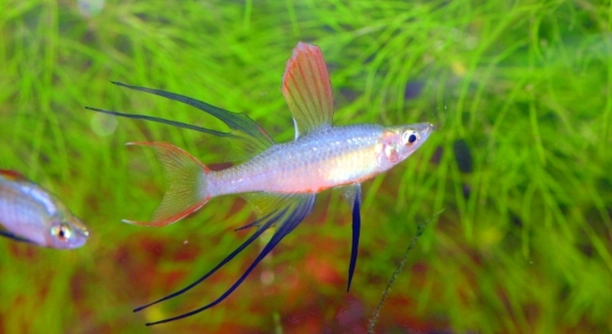
Do you ever find yourself watching your threadfin swim gracefully but wondering if there are specific moments when their behavior deserves closer attention?
Observing threadfin behavior more closely is essential during times of stress, feeding, spawning, illness, environmental changes, aggression, unusual swimming, and social interactions. Careful observation helps ensure their well-being, maintain balance in the tank, and prevent potential health problems from escalating.
Understanding these moments will help you recognize patterns, protect their health, and create a thriving environment for your threadfin.
Stress-Related Behavior
Threadfins can show noticeable changes when stressed, and it is important to recognize these signs early. Stress may occur from poor water conditions, sudden changes in their environment, overcrowding, or aggressive tankmates. A stressed threadfin might hide more often, swim erratically, or display faded colors. They may also refuse food, which over time can affect their health. If left unchecked, stress can weaken their immune system and make them more vulnerable to illness. Keeping an eye on how they act in response to changes will help you notice stress-related behavior quickly. By observing these moments, you can adjust tank conditions, provide a calm environment, and support their long-term well-being. A healthy habitat goes hand in hand with steady, balanced behavior. Careful attention to these patterns ensures they remain active, vibrant, and peaceful in your care.
Stress indicators often seem subtle at first but can escalate quickly, making close observation an essential part of daily care.
Taking the time to understand stress behavior not only protects threadfins but also enhances the enjoyment of keeping them. Their unique reactions to stressful situations teach you how sensitive they are to surroundings. With this knowledge, you can prevent recurring problems.
Feeding Behavior
Observing threadfins while they eat gives you direct insight into their health and social interactions. A healthy fish will approach food eagerly, swim confidently, and return for more. On the other hand, a fish that ignores food or struggles to compete may be signaling an issue. Feeding time also reveals dynamics within the group. Sometimes one or two threadfins dominate the food, leaving others hungry. Recognizing this pattern allows you to make feeding adjustments, ensuring everyone is nourished properly. Watching closely helps identify digestive problems, parasites, or signs of weakness. By observing their behavior consistently, you can quickly spot changes before they become severe.
Feeding habits also highlight differences between individuals, and this makes it easier to manage their diet effectively. Providing a varied menu of high-quality food encourages natural behavior and keeps them active. A balanced diet supports growth, enhances their vibrant colors, and ensures the group thrives together. Careful observation during mealtime is not only about nutrition but also about building a deeper awareness of how these delicate fish respond to care. If you stay attentive to these moments, your threadfins will reward you with visible health, balanced energy, and harmonious swimming patterns that reflect true well-being.
Spawning Behavior
Threadfins often display distinct changes when preparing to spawn, and these signs are worth noticing. Males may become more territorial, chase females, or show brighter colors, while females may appear fuller as eggs develop.
Spawning behavior also includes synchronized swimming and increased interaction between pairs. During this time, males often court females with gentle nudges or circling motions. Observing these behaviors closely can help you identify successful pair bonds and understand when to provide a safe, stress-free space. Protecting them from disturbances during this period increases their chances of breeding successfully.
Close attention to spawning behavior is also important for maintaining balance in the tank. If aggression escalates between males, it can lead to stress for weaker individuals. Separating overly aggressive males or adjusting the environment can help reduce conflict. Careful observation allows you to support breeding while keeping the group safe and calm.
Illness Indicators
Signs of illness in threadfins can appear suddenly, so early recognition matters. Lethargy, loss of appetite, clamped fins, and irregular swimming patterns often point to underlying health issues. These symptoms require immediate attention to prevent further decline in condition.
Observing illness indicators consistently helps prevent small issues from escalating. Parasites, bacterial infections, or poor water quality can all contribute to declining health. By catching the early signals, you have a greater chance of treating the problem quickly and effectively. Regular checks for unusual spots, changes in coloration, or visible wounds can guide you toward taking corrective measures right away. Providing clean water, a balanced diet, and a stress-free environment strengthens their natural resistance. Early detection not only improves recovery but also ensures the rest of the tank remains healthy and stable.
Environmental Changes
Threadfins react quickly to shifts in water temperature, pH, or lighting. Restlessness, surface gasping, or hiding more often are common signs that their environment is causing stress and requires immediate adjustment.
Even small changes can influence their behavior. Consistent monitoring of water quality and tank conditions helps prevent sudden reactions, ensuring stability.
Aggressive Interactions
Aggressive behavior among threadfins often appears during competition for space, dominance, or food. Chasing, nipping fins, or isolating weaker fish can create stress within the group. By recognizing these actions, you can take steps to reduce conflict. Rearranging tank décor, adding more hiding spots, or separating persistent aggressors can improve balance. Careful attention prevents unnecessary harm and keeps the group peaceful.
Unusual Swimming
Erratic movements, swimming in circles, or struggling to maintain balance often point to deeper health or environmental issues. Watching closely allows you to act quickly, making adjustments or seeking treatment before conditions worsen for your threadfin.
FAQ
How can I tell if my threadfin is stressed?
Signs of stress include hiding more often, erratic swimming, faded colors, and refusal to eat. Stress often occurs due to poor water quality, overcrowding, or aggressive tankmates. Observing these behaviors early allows you to adjust the environment and reduce tension.
What should I do if threadfins fight during feeding?
Aggression during feeding is common. Provide multiple feeding points, distribute food evenly, and ensure all fish get access. Rearranging decorations or adding plants can also reduce line-of-sight conflicts. Consistent observation helps you prevent long-term stress and injury.
How do I know if a threadfin is preparing to spawn?
Males become more territorial, chase females, and display brighter colors. Females may appear fuller with developing eggs. Close observation of swimming patterns and interactions helps identify pairs and ensures a safe environment for breeding.
Can environmental changes affect threadfin behavior?
Yes. Sudden shifts in water temperature, pH, or lighting often trigger restlessness, surface gasping, or hiding. Maintaining stable water parameters and monitoring regularly helps keep fish calm and healthy.
What are the early signs of illness in threadfins?
Lethargy, clamped fins, loss of appetite, irregular swimming, discoloration, or visible wounds often indicate health issues. Early detection allows treatment before the illness spreads or worsens. Regular checks help maintain a stable and healthy tank.
How can I manage aggressive threadfins?
Separate overly aggressive individuals, add hiding spots, or rearrange the tank to reduce visual contact. Ensuring enough space and observing interactions carefully prevents stress and injuries.
Why is feeding behavior important to observe?
Feeding behavior reflects overall health and social dynamics. Ignoring food, struggling to compete, or selective eating can signal illness or imbalance. Adjusting diet and feeding methods ensures proper nutrition and reduces competition-related stress.
What does unusual swimming indicate?
Erratic swimming, circling, or difficulty maintaining balance may point to health problems, water quality issues, or stress. Prompt observation helps identify the cause, allowing timely action and minimizing risk to other fish.
Can I prevent stress during spawning?
Yes. Provide a calm, quiet environment, avoid disturbing pairs, and monitor aggressive interactions. Adequate space and careful observation improve breeding success and protect weaker individuals.
How often should I observe threadfin behavior?
Daily observation is recommended. Even brief monitoring helps detect early signs of stress, illness, or social imbalance. Noticing subtle changes ensures timely interventions and maintains a healthy, harmonious tank.
What is the best way to handle sudden behavioral changes?
Identify possible environmental triggers, check water parameters, and observe interactions among tankmates. Adjust conditions, separate aggressive fish if needed, and provide a calm environment to restore balance quickly.
How do I ensure all threadfins eat properly?
Feed in multiple locations and monitor to ensure weaker fish get access. Using sinking or floating food varieties can reduce competition. Observing feeding patterns helps prevent nutritional deficiencies.
Can threadfins recover from illness if caught early?
Yes. Early detection significantly improves recovery chances. Treat infections promptly, maintain clean water, and reduce stress. Observation and quick action often prevent serious health decline.
Are hiding spots important in a threadfin tank?
Absolutely. Hiding places reduce stress, provide safety during aggression, and allow weaker fish to recover. Observing behavior around shelters helps you understand social dynamics and balance.
What is the role of water quality in threadfin behavior?
Stable water parameters prevent stress, illness, and abnormal behavior. Regular testing and adjustments help maintain a healthy environment, keeping fish active and vibrant. Observing their reactions to the water ensures long-term well-being.
How do I monitor social interactions?
Watch for chasing, fin-nipping, or dominance displays. Early observation allows you to adjust tank layout or separate aggressive individuals. Proper monitoring ensures all fish coexist peacefully.
Can threadfins show personality differences?
Yes. Some are bold, others shy. Noticing these traits helps tailor feeding and care to support both dominant and weaker individuals, promoting harmony in the tank.
How long should I monitor new behavior before taking action?
Observe for a few days to confirm patterns, unless severe stress or illness is evident. Consistent monitoring provides accurate understanding, guiding appropriate interventions without overreacting.
Is it normal for threadfins to swim differently at times?
Yes, minor variations can occur due to feeding, light, or water flow. Persistent erratic swimming or imbalance signals a problem. Close observation helps differentiate normal activity from concerning behavior.
How do I create a low-stress environment for threadfins?
Maintain stable water conditions, provide hiding spots, avoid overcrowding, and monitor interactions. Observing behavior daily allows adjustments to keep stress minimal and fish healthy.
What should I do if one fish shows illness while others appear healthy?
Isolate the affected fish, check water quality, and treat appropriately. Continue monitoring the group to prevent spread. Early action ensures recovery and protects overall tank health.
How can observation improve long-term care?
Daily attention helps detect subtle changes in behavior, health, or social interactions. Prompt response improves survival, reduces stress, and maintains a harmonious, thriving community of threadfins.
How do I know when aggression is normal or excessive?
Occasional chasing or mild displays are typical, but frequent attacks, fin damage, or persistent bullying indicate excessive aggression. Observing patterns helps determine when intervention is needed.
What is the best way to adjust feeding for multiple threadfins?
Distribute food evenly, provide multiple points, and ensure weaker fish receive proper portions. Observing how fish feed prevents dominance issues and promotes healthy growth for all.
Are threadfins sensitive to light changes?
Yes. Sudden bright lights or inconsistent lighting can cause hiding or erratic swimming. Gradual changes and observation reduce stress and maintain normal activity levels.
Can observing threadfin behavior prevent future health problems?
Absolutely. Regular monitoring helps detect stress, aggression, feeding issues, or illness early. Preventive observation minimizes serious problems and supports long-term well-being.
How do I know if a change in behavior is serious?
Persistent, unusual patterns like lethargy, erratic swimming, loss of appetite, or aggression indicate concern. Observing duration and intensity helps decide if intervention is needed.
What is the value of understanding threadfin social structure?
Knowing hierarchy and interactions allows you to manage aggression, feeding, and space. Observing social behavior ensures a balanced, peaceful tank and prevents chronic stress.
How often should I check water parameters in relation to behavior?
Daily observation combined with regular testing helps correlate behavioral changes with environmental shifts. Prompt adjustments prevent stress and support stable, healthy conditions.
What is the most important behavior to watch?
All behaviors—feeding, swimming, social interaction, stress, and illness indicators—provide insight. Careful, consistent observation ensures well-being and allows timely, effective interventions for your threadfin community.
How do I track changes in behavior over time?
Keep notes on feeding, swimming, social interactions, and responses to environmental changes. Documenting patterns helps identify trends, recognize issues early, and improve overall care strategies.
Can observation replace regular maintenance?
No. Observation complements maintenance. Clean water, proper diet, and monitoring together maintain health. Watching behavior ensures changes are noticed quickly and corrective measures are applied effectively.
What should I do if several fish show the same unusual behavior?
Investigate environmental causes first—water quality, temperature, lighting. Simultaneous changes often point to external factors rather than individual illness. Acting quickly protects all fish and restores balance.
How do I balance observation with everyday care?
Short, consistent daily checks are sufficient. Focus on feeding, swimming, and social interactions. Observing during routine tasks allows effective monitoring without extra stress on the fish.
Can observing threadfins enhance enjoyment of keeping them?
Yes. Understanding subtle behaviors strengthens your connection, improves care decisions, and allows you to appreciate their unique traits. Observation turns routine care into an engaging, rewarding experience.
How should I respond to sudden aggressive outbreaks?
Separate aggressive fish, rearrange decorations, and provide hiding spots. Observing reactions after changes ensures conflicts are resolved and stress is minimized.
Is it necessary to observe every fish individually?
Yes, especially for shy or weaker individuals. Some fish may hide or fail to compete. Observing each fish ensures everyone is healthy, fed, and safe.
How can observation guide tank adjustments?
Behavior indicates when changes are needed—more space, hiding spots, or water adjustments. Observing patterns helps make informed decisions, improving health and harmony.
What is the best method for long-term observation?
Daily, brief sessions focused on feeding, swimming, and social interaction are effective. Recording notes ensures trends are tracked, and interventions are timely.
Can observation prevent accidental overfeeding or underfeeding?
Yes. Watching how fish consume food allows you to adjust portions, prevent waste, and maintain a healthy diet for all individuals.
How does observation help during illness outbreaks?
It helps identify affected individuals quickly, allows for immediate isolation, and informs treatment choices. Early detection improves recovery and prevents spread.
Can observing behavior reduce stress-related deaths?
Absolutely. Recognizing early signs of stress, aggression, or illness allows interventions that prevent severe health decline or mortality, ensuring a stable environment.
How important is consistency in observation?
Very important. Regular, consistent monitoring builds understanding of normal behavior, making deviations easier to spot and manage promptly.
Does observing behavior require special equipment?
No. Observation can be done during feeding or regular care. Attention to detail and patience are more valuable than special tools.
How do I differentiate normal variation from concerning behavior?
Look for persistence, intensity, and associated symptoms like color change or appetite loss. Brief, minor variations are often normal; ongoing patterns need attention.
Can observation help with breeding success?
Yes. Monitoring pair interactions, courtship, and spawning behavior ensures the right environment and timing, increasing successful reproduction.
How does observation benefit the entire tank?
By spotting individual issues early, you protect the group. Observing patterns prevents disease, reduces stress, and maintains overall health and harmony.
Is observing behavior a time-consuming task?
Not necessarily. Short, focused sessions during routine care provide valuable insight without taking much time, making it practical and effective for ongoing maintenance.
What is the ultimate goal of observing threadfin behavior?
To maintain health, prevent problems, support natural behaviors, and create a stable, harmonious environment. Observation ensures informed decisions and a thriving community of threadfins.
Can observing behavior prevent accidental mistakes?
Yes. It alerts you to water issues, feeding problems, or aggression early. Timely action reduces the risk of long-term damage or loss.
How do I maintain accurate observation records?
Use a notebook or digital tool to log feeding, swimming, social interactions, and unusual behavior. Regular updates help track trends and guide care adjustments.
How do I respond if observation reveals a recurring issue?
Identify the underlying cause, make adjustments to the environment, feeding, or tank setup, and monitor closely. Persistent observation ensures the solution is effective.
Can observation replace veterinary consultation?
No. Observation helps identify problems early but does not replace professional diagnosis or treatment for serious illness. It complements proper care and intervention.
What are the most commonly missed signs in threadfins?
Subtle hiding, slight color changes, minor fin clamping, or brief erratic swimming are often overlooked. Careful attention ensures these early warnings are not missed.
How can observation improve long-term tank stability?
Tracking behavior trends helps anticipate problems, maintain social balance, and ensure water quality remains optimal. Consistent observation supports a thriving, balanced tank environment.
Is it better to observe from outside the tank or within?
Observation should be from outside, quietly and without disturbing the fish. Sudden movements or tapping can stress them, altering natural behavior and making assessment inaccurate.
How do I adjust observation based on fish personalities?
Bold individuals may display aggression or feed first, while shy fish hide. Observing both types ensures each fish receives proper care and attention, preventing neglect.
Can observation reveal hidden health issues?
Yes. Changes in swimming, feeding, or social interaction often indicate illness before physical symptoms appear. Early detection improves treatment success and survival rates.
How do I teach others to observe threadfins effectively?
Encourage focus on daily behaviors, consistent routines, and note-taking. Demonstrating attention to feeding, swimming, and interactions helps others recognize early warning signs.
Can observation help manage overcrowding?
Yes. Behavioral patterns like frequent chasing, hiding, or stress indicate the need to reduce density or expand the tank, preventing long-term health problems.
How does observation guide tank enrichment?
Watching interactions shows which decorations, hiding spots, or flow patterns improve comfort. Observation informs changes that reduce stress and promote natural behaviors.
Is it necessary to observe at different times of day?
Yes. Threadfins may behave differently in morning, midday, or evening. Observing across times ensures a full understanding of their normal behavior.
How do I prioritize which behaviors to watch?
Focus on feeding, swimming, social interaction, stress signs, and illness indicators. These behaviors provide the most insight into overall health and well-being.
Can observing behavior improve compatibility among tankmates?
Yes. Monitoring interactions helps identify potential conflicts, allows adjustments, and ensures all fish coexist without chronic stress or injury.
How do I respond to sudden changes during observation?
Investigate environmental conditions, water parameters, or tankmate behavior. Act quickly to restore balance and prevent escalation. Close monitoring confirms effectiveness.
What is the benefit of long-term behavior records?
Historical data helps detect trends, anticipate problems, and make informed care decisions. Long-term records improve management and overall tank stability.
Can observation help with selective breeding?
Yes. Watching courtship, pair bonding, and aggression helps identify suitable breeding pairs, improving success and ensuring safe, compatible pairings.
How does observation complement other care practices?
It provides real-time feedback on water quality, feeding, and tank design. Observation ensures interventions are timely and effective, enhancing all aspects of care.
What is the key to effective threadfin observation?
Patience, consistency, and attention to detail. Daily monitoring, note-taking, and understanding subtle behaviors ensure the health, safety, and happiness of your fish.
How do I respond to minor behavioral deviations?
Monitor closely for a few days, adjust environment if needed, and intervene only if patterns persist. Subtle changes often self-correct.
Can observation prevent accidental losses?
Yes. Early recognition of stress, illness, or aggression allows prompt intervention, reducing the risk of fatalities and maintaining tank harmony.
How important is observation for new threadfins?
Critical. New fish may hide, show stress, or struggle with feeding. Close monitoring helps them acclimate and ensures smooth integration into the tank.
Can observation reveal nutritional deficiencies?
Yes. Refusal to eat certain foods, slow growth, or dull coloration often indicate diet issues. Adjusting feeding based on behavior supports health.
How do I track improvements after interventions?
Continue daily observation, noting changes in feeding, swimming, and social interactions. Comparing records before and after actions confirms effectiveness.
Can observation reduce the risk of disease outbreaks?
Yes. Early detection of symptoms and behavioral changes allows isolation and treatment, preventing spread and protecting the entire tank.
What is the most valuable skill in observing threadfins?
Attention to subtle changes. Noticing small shifts in behavior, color, or social dynamics allows timely care and prevents larger problems from developing.
How can observation enhance overall enjoyment of keeping threadfins?
Understanding their behaviors deepens appreciation, guides better care, and allows you to see subtle personality traits. Observation transforms routine care into meaningful interaction.
How do I handle multiple simultaneous issues?
Prioritize based on severity: stress, illness, aggression. Address environmental factors first, isolate affected individuals if needed, and monitor continuously to restore balance.
Can observing behavior help with long-term planning?
Yes. Recognizing patterns allows proactive management, ensures healthy growth, and prevents recurring problems. Observation informs decisions on feeding, tank layout, and population control.
How do I identify recurring stress patterns?
Document daily behaviors, note triggers, and compare trends over time. Repeated responses to certain conditions indicate predictable stress patterns that can be mitigated.
What is the benefit of observing feeding order?
It identifies dominant and weaker fish, helping ensure all individuals receive sufficient nutrition. Adjusting feeding methods based on behavior prevents neglect.
Can observation indicate compatibility for tankmates?
Yes. Watching interactions reveals which fish tolerate each other, helping maintain harmony and minimize stress in mixed groups.
How does observation help prevent long-term behavioral problems?
Early recognition of aggression, stress, or illness allows timely interventions, preventing chronic issues and supporting natural behavior development.
Is behavior observation effective for small and large tanks alike?
Yes. Regardless of tank size, daily attention reveals stress, health issues, and social dynamics, ensuring well-being in any environment.
What is the ultimate impact of careful observation?
It maintains health, prevents issues, improves breeding success, supports social balance, and ensures a stable, thriving community of threadfins.
How do I know when to escalate care beyond observation?
Persistent illness, severe aggression, or environmental failures require professional advice. Observation guides timely escalation to protect the tank.
Can observation improve feeding efficiency?
Yes. Monitoring how each fish eats prevents waste, ensures proper nutrition, and reduces competition-related stress, improving overall tank management.
How should observation be adjusted for seasonal changes?
Monitor for behavioral changes linked to temperature, light, or activity levels. Adjust feeding and care routines accordingly to maintain balance.
How do I recognize signs of recovery?
Increased activity, consistent feeding, normal swimming patterns, and reduced hiding indicate improvement. Observation confirms effectiveness of care measures.
Can observing behavior reduce accidents during tank maintenance?
Yes. Understanding fish locations and reactions minimizes stress or injury during water changes, cleaning, or rearrangement of decorations.
How do I ensure observation does not stress the fish?
Approach quietly, avoid tapping or sudden movements, and observe from outside the tank. Consistent, calm monitoring preserves natural behavior.
How do I know if environmental adjustments are effective?
Observe changes in swimming, feeding, and social interactions. Positive behavior shifts confirm that interventions have succeeded in improving conditions.
Can observation detect subtle social hierarchy changes?
Yes. Watching who dominates feeding or territory and noting changes over time reveals shifts in hierarchy, allowing proactive management.
How often should observation practices be reviewed?
Regularly, at least monthly, to ensure methods remain effective. Adjust routines based on tank size, population, and observed behavior trends.
**How
Final Thoughts
Observing threadfin behavior is an essential part of providing proper care and maintaining a healthy aquarium. These fish are sensitive to their environment, and even small changes can influence how they act. Daily observation allows you to notice stress, illness, feeding problems, and social interactions before they develop into larger issues. Paying attention to subtle cues, like a slight change in swimming patterns, a temporary loss of appetite, or increased hiding, gives you an early opportunity to respond. Consistency is key. By taking a few minutes each day to watch your fish, you build an understanding of what normal behavior looks like. This knowledge helps you detect irregularities quickly, providing a chance to make corrections or adjustments to water quality, tank layout, or feeding practices.
Careful observation also benefits the social dynamics within the tank. Threadfins have a hierarchy, and interactions between individuals can affect the group’s overall well-being. Watching how fish respond to each other during feeding, swimming, or resting periods helps identify dominant and submissive individuals. Recognizing these patterns allows you to intervene when necessary, whether by adding hiding spots, rearranging decorations, or separating aggressive fish. Observing during feeding times is particularly important. It highlights not only health but also access to nutrition. Ensuring all fish have equal opportunities to eat prevents stress and supports growth, coloration, and overall vitality. Taking note of these behaviors regularly gives you a more complete picture of the group as a whole and helps maintain a balanced environment.
Finally, consistent observation strengthens your ability to provide long-term care. Understanding their normal behavior enables you to anticipate problems before they escalate, improving both their health and quality of life. It also allows for better planning when making changes to the tank, such as introducing new fish, modifying décor, or adjusting water parameters. Observation is not just about spotting illness or aggression; it is about maintaining harmony and supporting natural behavior. Over time, watching your threadfins becomes second nature, and you gain a clearer sense of their needs and personalities. By committing to regular observation, you ensure your threadfins remain active, healthy, and comfortable in their environment. This practice also deepens your connection to them, helping you respond thoughtfully and effectively to their behavior, and creating a thriving, stable tank that meets the needs of every fish.

Hello,
If you enjoy the content that we create, please consider saying a "Thank You!" by leaving a tip.
Every little bit helps us continue crafting quality advice that supports the health, happiness, and well-being of pets around the world, for pets of all shapes, sizes, and species.
We really appreciate the kindness and support that you show us!