
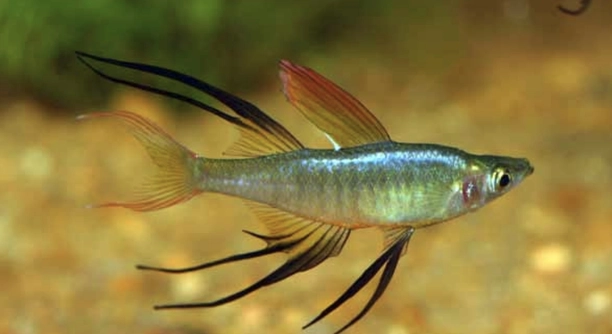
Have you ever noticed your Threadfin Rainbowfish swimming gracefully and wondered if they might enjoy having a clear view outside the aquarium glass? These delicate fish often display curious behaviors that make owners question what captures their attention most.
Threadfin Rainbowfish do not perceive or enjoy an outside view the way humans do. Instead, their focus remains on their immediate aquatic environment, where light, movement, and reflections strongly influence their behaviors and patterns of interaction.
Understanding how Threadfin Rainbowfish engage with their surroundings reveals much about their needs and comfort. Exploring this helps ensure their environment supports both their natural instincts and overall well-being.
How Threadfin Rainbowfish Perceive Their Environment
Threadfin Rainbowfish are naturally drawn to movement, light, and contrast rather than outside views. Their eyes are designed for spotting reflections and subtle shifts in their aquatic surroundings. In aquariums, they often respond more to lighting changes, floating particles, or tank mates than to what lies beyond the glass. Bright or moving objects outside the tank may catch their attention briefly, but it is not the same as enjoying a view. Their main focus remains underwater, where food sources, plants, and other fish provide stimulation. For them, comfort and engagement come primarily from carefully arranged aquarium features, not outside scenery.
Their attraction to subtle details helps them thrive in aquariums that offer variety. Plants, rocks, and calm water flow allow them to explore while feeling secure. Owners who prioritize these details create a more natural environment for the fish.
Keeping this in mind makes it easier to understand how to design a tank that provides proper balance. Threadfin Rainbowfish flourish when their immediate environment stimulates their curiosity, supports calm swimming patterns, and ensures their overall well-being without relying on external distractions.
Creating a Suitable Aquarium for Threadfin Rainbowfish
An aquarium designed with their instincts in mind encourages natural behaviors. Threadfin Rainbowfish are calmer and more active in settings that offer variety, safety, and visual interest within the water itself.
When arranging an aquarium for Threadfin Rainbowfish, it is important to focus on providing a peaceful and structured habitat. Live plants are particularly valuable because they allow fish to weave through stems and leaves while also creating shaded areas for rest. Fine-leaved species suit their delicate movements well. Including driftwood or small stones adds complexity, giving them places to explore and areas to feel secure. Gentle water flow is essential, as these fish dislike turbulence and prefer slow, steady movement that mimics natural streams. Good lighting enhances their colors but should not be overly bright, as this may cause stress. Balancing these factors results in a habitat where Threadfin Rainbowfish remain healthy, active, and visibly comfortable in their surroundings.
Do Threadfin Rainbowfish Get Stimulated by Outside Views
Threadfin Rainbowfish may notice movement outside the aquarium, but this does not offer meaningful enrichment. Their stimulation comes from underwater details, where interaction with tank mates and habitat features plays the most important role.
While it may seem like they are watching the outside world, their responses are typically based on light shifts and sudden shadows. Quick movements beyond the glass can startle them, while calm and consistent surroundings help them remain relaxed. A carefully balanced tank, filled with plants and hiding spots, provides the kind of engagement they truly need and appreciate.
Owners can still allow some outside visibility but should avoid placing the aquarium in areas with constant activity. Threadfin Rainbowfish benefit more from stable conditions where their energy can be directed toward swimming calmly, exploring plants, and displaying natural schooling behaviors without distractions that may cause unnecessary stress.
How to Keep Threadfin Rainbowfish Calm
These fish thrive in calm environments. Keeping them away from loud spaces, busy walkways, or televisions ensures they feel safe and less reactive to sudden outside movements. A stable placement for the aquarium supports long-term comfort.
An aquarium near a quiet corner or softly lit space offers better security for Threadfin Rainbowfish. They are delicate, so stress from constant visual stimulation outside the tank may affect their health over time. Avoiding overly bright lighting and sudden disturbances reduces their startle responses. Adding natural structures such as plants and driftwood also helps them feel grounded within their environment. These design choices create consistency, which allows their vibrant colors and graceful swimming to become more visible. By controlling both the external placement and internal features of the tank, owners provide Threadfin Rainbowfish with a supportive habitat that encourages calm, natural, and stress-free behaviors.
The Role of Tank Placement
Placing the aquarium in a quiet spot helps Threadfin Rainbowfish stay calm. Too much foot traffic or noise nearby can cause stress and disrupt their natural schooling behavior, making them more likely to hide instead of swim freely.
Natural lighting near a window can highlight their colors, but direct sunlight should be avoided. Too much sun warms the water and promotes algae growth. A controlled balance of natural and artificial light ensures a stable environment that supports both comfort and visual appeal.
Interactions Within Their Environment
Threadfin Rainbowfish rely more on their interactions inside the tank than outside views. They are schooling fish that thrive when kept in groups, finding comfort in synchronized swimming and subtle communication with one another. Tank mates should be gentle and compatible, as aggressive species may cause stress. Plants, driftwood, and hiding areas encourage exploration, offering constant stimulation within their environment. These features allow the fish to focus on familiar, enriching elements rather than external movement. By prioritizing what happens inside the aquarium, owners support natural behaviors and provide a steady, secure habitat where Threadfin Rainbowfish can remain active and relaxed.
Do They Benefit From Outside Movement
Outside movement does not significantly enrich their lives. Threadfin Rainbowfish rely on internal tank conditions, structured habitat, and group presence to maintain comfort, while outside views mostly create distraction or stress instead of meaningful engagement.
FAQ
Do Threadfin Rainbowfish need a view outside the tank?
Threadfin Rainbowfish do not require a view outside their aquarium. Their awareness is focused on immediate surroundings, including other fish, plants, and decorations. External sights may briefly catch their attention, but they do not provide meaningful enrichment or improve their overall well-being. Consistent and stable tank conditions matter far more.
Can outside movement stress Threadfin Rainbowfish?
Yes, sudden movement or activity beyond the aquarium can startle them. These fish are sensitive to changes in light and shadows. Frequent disturbances may cause hiding, erratic swimming, or reduced appetite. Choosing a quiet location for the aquarium helps maintain a calm environment, reducing stress levels.
How many Threadfin Rainbowfish should be kept together?
They are schooling fish and should be kept in groups of at least six to encourage natural behaviors. Proper group size supports synchronized swimming, reduces aggression, and makes them feel secure. Smaller groups may result in timid or withdrawn fish.
What type of tank setup is best for them?
A spacious tank with live plants, driftwood, and gentle water flow works best. Open swimming areas combined with hiding spots allow the fish to explore freely while feeling safe. Fine-leaved plants and shaded regions support natural behaviors without overcrowding.
Do they respond to light changes?
Threadfin Rainbowfish are highly responsive to light. Gradual lighting mimics natural conditions and reduces stress. Sudden bright lights or flickering can trigger panic, while consistent light cycles enhance color and activity. Artificial lights should complement natural light without direct sun exposure.
Are Threadfin Rainbowfish curious about outside movement?
They may glance toward movement outside the tank, but this is a brief reaction rather than true curiosity. Their primary focus remains inside the tank, where visual and environmental stimuli are more meaningful and beneficial.
Can reflections affect their behavior?
Reflections in the glass may attract attention or cause brief interactions. However, repeated reflection stimuli can confuse or stress them. Minimizing reflective surfaces helps maintain a calm and predictable environment.
How can I encourage healthy behavior inside the tank?
Providing adequate space, structured décor, live plants, and compatible tank mates encourages activity and schooling. Feeding routines, gentle water flow, and stable water parameters also play essential roles in their well-being. These measures support natural instincts without relying on outside distractions.
Do they enjoy watching other fish outside the tank?
No, they do not derive enjoyment from observing fish outside the aquarium. Their interaction with tank mates inside their environment is far more relevant to their social and mental stimulation. Focus should remain on creating a supportive internal habitat.
What is the most important factor for their comfort?
A secure and consistent internal environment is the most critical factor. Threadfin Rainbowfish thrive when their immediate surroundings meet their needs for swimming space, shelter, light balance, and social interaction. Outside views are secondary and largely irrelevant to their daily comfort.
How often should the tank be maintained?
Regular maintenance is vital. Partial water changes, filter cleaning, and monitoring water quality help reduce stress and maintain health. Consistent maintenance ensures that the environment remains stable, allowing the fish to focus on normal activities rather than coping with sudden changes or poor conditions.
Can Threadfin Rainbowfish adapt to busy household areas?
They can tolerate occasional activity but perform best in calmer locations. Excessive noise or movement near the aquarium may cause stress, so choosing a quieter placement ensures they display natural behaviors and maintain vibrant colors.
Do decorations outside the tank matter?
External objects are largely irrelevant. Threadfin Rainbowfish respond primarily to the internal structure of their tank. Focusing on plants, hiding spots, and water conditions inside the aquarium offers meaningful stimulation that supports their health and behavior patterns.
Is schooling behavior influenced by outside stimuli?
Schooling is driven by social interaction within the tank. External sights or movements do not affect this natural behavior. Ensuring sufficient group size and consistent internal conditions allows them to swim in coordinated patterns, maintaining comfort and reducing stress.
Can they see through tinted or reflective glass?
Glass type affects visibility but not their overall well-being. Tinted or reflective glass may limit distractions and reduce stress. The key is ensuring they can observe tank mates and internal features clearly without interference from external reflections.
What is the best feeding routine?
Feeding twice daily with a mix of high-quality flakes, pellets, and occasional live or frozen food supports health. Consistent feeding schedules help maintain activity levels and reduce stress, while varied diets enhance coloration and natural behavior.
Do they benefit from human interaction?
Threadfin Rainbowfish do not seek interaction with humans in the same way some species do. They may recognize movement near the tank but remain focused on internal stimuli and social behaviors within their group.
How do I know if they are stressed?
Signs include hiding, erratic swimming, loss of appetite, and faded colors. Maintaining stable water conditions, proper group size, and a well-structured environment reduces stress and supports healthy activity.
Can tank location near a window be beneficial?
Indirect natural light can enhance their colors, but direct sunlight should be avoided. Window placement should prioritize stability over visual stimulation, ensuring the tank remains calm and temperature fluctuations are minimized.
Is it necessary to change their environment often?
Frequent rearrangement can stress Threadfin Rainbowfish. They thrive in a stable and predictable setting. Minor changes, like adding a plant or hiding spot occasionally, are sufficient for enrichment without disrupting comfort or routine.
Do they respond to mirrors?
They may briefly investigate their reflection, mistaking it for another fish, but this does not provide meaningful stimulation. Overexposure to mirrors can cause stress or confusion.
How can I make their tank more enriching?
Focus on live plants, smooth rocks, driftwood, open swimming areas, and compatible tank mates. Stable lighting, gentle water flow, and structured hiding spots create a consistent, engaging habitat that meets their natural needs.
Are outside noises a concern?
Loud or sudden noises may startle the fish. Keeping the tank in a quieter area helps maintain calm behavior, reduces stress, and allows them to display natural swimming and schooling patterns consistently.
Do they enjoy sunlight through windows?
They respond better to indirect sunlight. Direct sun can overheat the tank, promote algae growth, and disrupt water quality, creating stress rather than enjoyment. Controlled lighting inside the tank is more effective for comfort and color enhancement.
What are the most important elements for their tank?
Stable water parameters, sufficient swimming space, live plants, hiding spots, gentle water flow, and a proper social group are essential. External views and outside movement are minimal factors compared to internal habitat quality.
How can I monitor their behavior?
Observe swimming patterns, social interactions, feeding response, and coloration. Consistent routines and internal tank stability provide clear indicators of comfort, stress, or health issues without relying on external stimuli.
Do they need varied visual stimulation?
They benefit from variety within the tank, not outside views. Plant arrangements, driftwood, and smooth rocks create interest while keeping them secure. External movement has little meaningful impact on their engagement or behavior.
How long should I keep them in one location?
Threadfin Rainbowfish thrive in consistent environments. Frequent relocation may increase stress. Maintaining a steady location allows them to feel secure and adapt naturally to their surroundings without unnecessary disturbance.
Are outside reflections helpful or harmful?
Reflections may trigger brief attention but can confuse or stress them if excessive. Limiting reflections improves focus on internal features and supports calm behavior, promoting a healthier environment overall.
What is the best way to support their natural behavior?
Provide a stable, structured, and enriched aquarium. Focus on tank mates, plants, hiding spots, open swimming areas, and gentle water conditions. Minimizing distractions from outside movement ensures Threadfin Rainbowfish remain comfortable and display natural behaviors consistently.
How important is tank size?
Adequate swimming space is critical. A larger tank allows schooling, exploration, and natural movement. Crowded conditions increase stress and reduce activity, making internal enrichment far more important than external views or stimuli.
Do they need interaction with humans?
Interaction is minimal. They may notice movement near the tank but are more focused on schooling and internal stimuli. Owners should prioritize tank structure, group dynamics, and consistent care over external engagement.
Can outside views influence feeding behavior?
External activity has little effect on feeding. Regular feeding schedules and proper nutrition ensure health and activity. Internal stability and structured tank features are far more influential on behavior than outside distractions.
Do they prefer any particular side of the tank?
No specific side preference exists. Threadfin Rainbowfish respond more to internal structures, light, and water flow than outside views. Balanced tank design ensures comfort throughout the entire environment.
Are certain decorations better for them than others?
Smooth rocks, driftwood, and fine-leaved plants work best. They provide exploration opportunities and hiding spots without overcrowding or sharp edges. Internal enrichment outweighs external visual stimuli in supporting health and activity.
How do I know if they are comfortable?
Signs of comfort include vibrant colors, regular schooling, active swimming, and feeding reliably. Consistent internal conditions and minimal external disturbances foster this behavior, confirming their well-being.
Do they recognize outside movement as other fish?
No, reflections or outside motion do not replace interactions with tank mates. Their attention is primarily on social engagement and environmental features inside the aquarium, which are essential for mental and physical stimulation.
How often should lighting be adjusted?
Maintain a stable day-night cycle. Gradual light changes mimic natural conditions. Avoid sudden bright light or shadows, which can startle the fish, ensuring a predictable and calm environment that promotes natural activity.
Can outside distractions interfere with breeding?
Yes, excessive movement, light changes, or disturbances may reduce spawning activity. Stable, quiet conditions within the tank are essential for successful breeding and overall reproductive health.
Do they enjoy watching humans?
Threadfin Rainbowfish may notice people near the tank but do not derive engagement from observation. Interaction should focus on feeding and gentle care rather than visual stimulation.
Are reflections ever useful for enrichment?
Limited exposure may prompt brief investigation, but repeated reflection stimuli can cause confusion. Enrichment is more effective through tank decorations, plants, and social interactions.
What is the most effective way to ensure long-term comfort?
Prioritize stable water conditions, sufficient space, proper group size, enriching décor, and gentle lighting. Minimizing external disturbances supports ongoing well-being and natural behavior patterns.
How can I tell if the tank is too stimulating?
Signs include erratic swimming, hiding, or aggression. Excessive reflections, direct sunlight, or high-traffic placement can create overstimulation. Adjusting location, lighting, and internal décor restores balance.
Do they prefer movement within or outside the tank?
They respond to internal movement from tank mates and water flow, not external activity. Structured internal environments encourage natural behaviors and engagement.
Can tank mates influence their interest in outside views?
Yes, social interaction dominates attention. Presence of compatible fish keeps Threadfin Rainbowfish engaged internally, leaving outside views mostly ignored. Proper group composition supports schooling and reduces stress.
How critical is water flow for comfort?
Gentle, consistent flow mimics natural habitats and supports swimming patterns. Turbulent or stagnant water may stress them, while moderate movement enhances health and overall activity.
Do they need frequent rearrangement of tank décor?
No, stability is more beneficial than constant changes. Minor additions, like a plant or hiding spot occasionally, are enough to maintain interest without causing stress.
Can they adapt to reflective walls?
Limited reflection may be tolerated, but excessive reflective surfaces can confuse or stress them. Prioritize internal features for enrichment and consistent behavior.
How important is water temperature?
Stable, species-appropriate temperatures are essential. Fluctuations stress the fish and may affect activity, feeding, and health. Consistent warmth supports normal behavior patterns.
Do they interact with small floating objects?
Yes, floating objects may capture attention briefly, but long-term engagement comes from structured internal environment and social interactions, not outside movement.
Is the location of tank filtration important?
Yes, placement of filters affects water flow and comfort. Gentle circulation is preferred to avoid turbulence, ensuring a calm and stable habitat.
Do they respond to shadows outside the tank?
Yes, sudden shadows may startle them. Minimizing external disturbances reduces stress, helping them maintain normal swimming and social behavior.
Can outside light variations affect sleep patterns?
Yes, abrupt light changes disrupt natural day-night cycles. Consistent lighting inside the tank preserves rest and activity rhythms.
Do they prefer plants over rocks?
Both are important. Plants provide shelter and foraging opportunities, while rocks offer exploration and hiding spaces. A mix supports natural behaviors and internal engagement.
Are they active during the day or night?
Threadfin Rainbowfish are diurnal. They are most active during light hours and rest in shaded areas at night. Stable lighting and internal structure support this natural cycle.
Does tank cleanliness impact their focus?
Yes, clean water promotes health and normal behavior. Poor water quality increases stress, reducing activity and engagement with internal features.
Can they recognize their own reflection?
No, reflections may appear as another fish but do not provide meaningful interaction. Focus should remain on social and environmental stimuli inside the tank.
How do I prevent boredom?
Provide consistent structure, varied internal décor, and appropriate tank mates. Stable routines and enrichment within the aquarium prevent stress and maintain natural activity levels.
Do they respond to vibrations outside the tank?
Yes, strong vibrations can startle them. Minimizing heavy foot traffic or machinery near the aquarium maintains calm and supports natural swimming behaviors.
Is water clarity important for viewing them?
Yes, clear water allows observation of behavior and colors but does not influence stimulation from outside views. Internal conditions are far more impactful.
Can they coexist with other active fish?
Compatible, non-aggressive species work well. Overly active or territorial fish may stress Threadfin Rainbowfish. Balanced tank composition encourages calm schooling and normal activity.
Do they need hiding spots?
Yes, hiding spots are critical for security. Plants, driftwood, and rocks provide safe areas that reduce stress and encourage exploration within the tank.
Are outside reflections sometimes beneficial for social behavior?
No, internal social interaction drives schooling and comfort. Reflections offer minimal enrichment and may cause confusion.
Do they notice objects moving outside their tank?
Briefly, but attention quickly returns to tank mates and environmental features. External movement is largely irrelevant for stimulation or enrichment.
What is the best way to enhance tank life quality?
Focus on stable water parameters, structured décor, compatible schooling, gentle water flow, and predictable routines. This internal enrichment is far more beneficial than external views.
How sensitive are they to sudden changes?
Very sensitive. Sudden light, sound, or movement can cause stress. Gradual adjustments maintain calm and allow consistent natural behavior.
Do outside sounds affect their feeding?
Yes, loud or sudden sounds may disrupt feeding. Calm surroundings encourage regular and stress-free eating habits.
Can they recognize people through the glass?
They may notice motion but do not interact meaningfully. Engagement with tank mates and environment is far more significant.
Is tank orientation important?
Yes, avoid areas with direct sunlight or high activity. Positioning for stability, calmness, and proper light balance improves comfort and behavior.
Do they require regular enrichment?
Yes, but internal features suffice. Plants, rocks, driftwood, and social interaction maintain engagement without relying on external views or movement.
Can external lights improve their coloration?
Controlled indoor lighting enhances colors. External sunlight may overheat or create stress, so internal lighting management is preferred.
Are they affected by reflections at night?
Yes, lights or reflections in dark rooms may confuse or stress them. Minimizing night-time reflections maintains calm and consistent behavior.
What is the most critical factor for their health?
Stable tank conditions, proper group size, structured environment, and predictable routines ensure health, comfort, and natural behavior, outweighing outside stimuli in importance.
Do they respond to large movements outside the tank?
Yes, sudden large movements may cause startle responses, but long-term focus remains on internal stimuli and social interaction within the aquarium.
Is gradual water change better than sudden?
Yes, gradual adjustments prevent stress and support normal behavior. Sudden changes disrupt comfort and may cause hiding or erratic swimming.
Do they interact with objects floating outside the tank?
Only briefly, if noticed. Sustained interaction occurs primarily with internal decorations, plants, and tank mates that provide meaningful engagement.
Can outside reflections trigger aggression?
Yes, some may react to reflections as if seeing another fish, but this is limited and does not replace actual social interaction within the tank.
How important is internal tank structure?
Critical. Plants, hiding spots, driftwood, and swimming space create a secure, engaging environment that supports natural schooling, exploration, and comfort far more than external stimuli.
Do they need light variation?
Moderate, gradual light changes are beneficial. Sudden brightness or darkness may cause stress. Maintaining a predictable cycle supports health and activity.
Can they adjust to new tank locations easily?
Minor adjustments are tolerated, but frequent or drastic relocation increases stress. Stable placement ensures comfort and predictable behavior.
Do outside shadows affect schooling?
Yes, sudden shadows may temporarily alter swimming patterns. Reducing external interference allows normal, synchronized schooling behavior.
Are they more active in certain tank areas?
Activity is influenced by internal décor and water flow. Open spaces with hiding spots encourage exploration, while external movement is mostly ignored.
Do they notice seasonal changes outside?
Indirectly, through light shifts. Direct external changes do not influence well-being as much as stable internal conditions.
How long should feeding routines be maintained?
Consistent routines promote normal behavior and reduce stress. Feeding schedules are more influential than external activity or views.
Can outside reflections confuse them?
Yes, repeated reflections may cause stress. Limiting reflective surfaces keeps attention on meaningful internal features and social interactions.
Do they respond to changes in room temperature?
Only indirectly, if it affects water temperature. Stable tank conditions are crucial for behavior and comfort.
Are they active swimmers or mostly resting?
Threadfin Rainbowfish are active swimmers during the day, resting in shaded areas at night. Structured tank environments support natural activity cycles.
Can tank vibrations disturb them?
Yes, excessive vibrations may cause erratic swimming or hiding. Minimizing external disturbances supports calm and natural behavior patterns.
Do they benefit from a view of outside plants or trees?
No significant benefit. Internal tank décor and social interaction provide far more relevant stimulation and enrichment.
How often should I observe their behavior?
Regular observation helps detect stress, illness, or social issues. Focus on internal activity rather than external stimuli for accurate assessment.
Do they respond to music or sounds?
No meaningful response. Loud or
Threadfin Rainbowfish are delicate and social fish that thrive in well-structured aquarium environments. Their comfort and overall well-being depend largely on internal conditions rather than external stimuli, such as movement or scenery outside the tank. Unlike some pets that may enjoy observing the world beyond their immediate environment, these fish focus primarily on the features within their aquatic habitat. Proper lighting, sufficient swimming space, and a stable group of tank mates all contribute to their natural behavior, allowing them to school, explore, and interact safely. Ensuring that these fundamental needs are met is more important than attempting to provide them with views of the outside environment, which they are unlikely to find enriching.
A thoughtfully arranged aquarium includes elements that satisfy both physical and mental needs. Live plants provide shelter, hiding spots, and areas for exploration, while driftwood or smooth rocks offer surfaces for curiosity and play. Open swimming areas allow the fish to move freely, display natural patterns, and engage in synchronized schooling with their companions. Gentle water flow simulates conditions found in natural streams, supporting calm and consistent swimming behavior. Maintaining stable water quality, temperature, and lighting is equally essential, as sudden changes in these factors can increase stress and negatively impact their health. By focusing on creating a predictable and secure environment, owners can ensure that Threadfin Rainbowfish remain active, vibrant, and comfortable in their aquarium.
While it may be tempting to place an aquarium where the fish can see outside activity, this does not provide meaningful enrichment and can even cause stress if movement is constant or sudden. Threadfin Rainbowfish are best supported by internal features that align with their natural instincts and preferences. Observing their interactions, feeding habits, and schooling behaviors offers more insight into their comfort than relying on external visual stimuli. By prioritizing tank stability, group composition, and environmental enrichment, owners create a setting where these fish can thrive. Understanding their specific needs allows for a more successful and fulfilling aquarium experience, ensuring that Threadfin Rainbowfish remain healthy, active, and stress-free throughout their lives.

Hello,
If you enjoy the content that we create, please consider saying a "Thank You!" by leaving a tip.
Every little bit helps us continue crafting quality advice that supports the health, happiness, and well-being of pets around the world, for pets of all shapes, sizes, and species.
We really appreciate the kindness and support that you show us!