
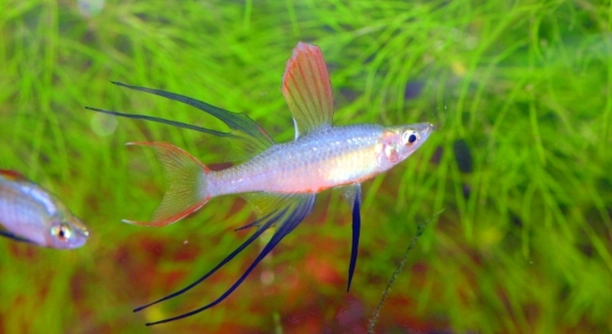
Have you ever found yourself caring for a group of threadfin rainbowfish, only to notice that they are not breeding as expected? These fish are admired for their beauty, but sometimes breeding them can feel surprisingly challenging and confusing.
The primary reason threadfin rainbowfish may not breed is unsuitable conditions within their environment. Inadequate water quality, improper temperature, insufficient diet, and lack of proper spawning sites often disrupt their natural breeding behavior and reproductive success.
Creating the right conditions can make a big difference, and understanding their needs will help you enjoy a healthier, more active aquarium.
Water Conditions and Tank Setup
Threadfin rainbowfish are sensitive, and their breeding success often depends on the environment you provide. Clean water with stable parameters is very important. These fish prefer slightly acidic to neutral water, with a temperature between 75°F and 82°F. Regular water changes help keep conditions steady and reduce stress. A planted tank with fine-leaved plants or spawning mops gives them places to lay eggs. Without these, breeding may not happen at all. Gentle filtration is also essential, as strong currents can discourage breeding behavior. A calm, comfortable setup makes them feel secure enough to reproduce naturally.
Lighting also plays a part in their readiness to spawn. A soft, steady light cycle that mimics natural daylight patterns encourages breeding behavior. Too much or too little light may confuse them and stop spawning from happening. These little details make a big difference when caring for threadfin rainbowfish.
Feeding habits are another key to success. Offering high-quality live or frozen foods can help condition them for breeding. Threadfin rainbowfish often respond better to nutrient-rich diets compared to only flake food. This added nutrition boosts their energy and helps them produce healthier eggs.
Social Behavior and Breeding Patterns
Threadfin rainbowfish thrive in groups, and their behavior changes when they feel secure in a school. A ratio of more females to males usually reduces stress and increases the chance of successful spawning.
Males display vibrant colors and perform courtship dances when conditions are right. These displays encourage females to release eggs, which are then fertilized. Providing spawning mops or fine plants allows eggs to attach safely. Once laid, eggs can be moved to a separate tank to avoid predation. Consistency is very important—stable temperature, clean water, and a protein-rich diet all work together to promote breeding. If conditions fluctuate or food lacks variety, spawning may not occur. Observing their interactions carefully can help you adjust the environment to support reproduction. With patience and the right care, your threadfin rainbowfish will have a much better chance of breeding successfully.
Feeding and Nutrition
Threadfin rainbowfish need a balanced diet to prepare for breeding. Flake foods alone are not enough. Adding live or frozen options like brine shrimp, daphnia, or bloodworms gives them more energy and encourages spawning behavior naturally.
A varied diet helps females develop healthy eggs and supports males in displaying stronger colors during courtship. Live foods also mimic their natural feeding habits, making them more comfortable. Feeding small portions multiple times a day is more effective than large meals. This approach prevents waste, keeps the water clean, and ensures your fish get steady nutrition.
Conditioning before breeding is important. Offering rich foods for a few weeks helps both males and females prepare for spawning. Without this step, they may not have the strength or nutrients to breed successfully. Keeping their diet diverse will not only encourage breeding but also maintain their long-term health and activity levels.
Stress and Environmental Factors
Stress is a common reason threadfin rainbowfish refuse to breed. Overcrowding, sudden water changes, or aggressive tank mates can make them feel unsafe. A calm environment is essential for them to display natural behavior and begin spawning.
Tank placement and noise levels also matter. A tank set near constant foot traffic or loud sounds can disturb their sense of security. Sudden changes in lighting or temperature are equally disruptive. Creating a steady, peaceful environment with hiding spots and stable conditions lowers stress. Pairing this with proper nutrition, clean water, and the right male-to-female ratio improves their chances of breeding. Paying attention to these small factors will give your threadfin rainbowfish the comfort and stability they need.
Breeding Tank Setup
A separate breeding tank can increase success. It allows you to control water quality, light, and temperature more carefully. Fine-leaved plants or spawning mops should be added to give eggs a safe place to attach.
Removing adults after spawning is important. Threadfin rainbowfish may eat their own eggs if left in the same tank. Moving the eggs or relocating the parents quickly increases the survival rate of fry and makes breeding more successful overall.
Egg Care
Eggs are delicate and need stable conditions to hatch successfully. Keep the breeding tank clean with gentle filtration to avoid fungus growth. Using a sponge filter is ideal, as it maintains water movement without risking damage to the eggs.
Raising Fry
Once hatched, fry require small foods like infusoria or liquid fry food. Gradually introducing baby brine shrimp supports their growth. Clean water and steady feeding are essential for fry survival and help them grow into healthy adult threadfin rainbowfish.
FAQ
Why are my threadfin rainbowfish not spawning even in a well-maintained tank?
Even with clean water and good nutrition, stress or incorrect social dynamics can prevent spawning. Threadfin rainbowfish need a calm environment and the right male-to-female ratio. Too many males or overcrowding can stop breeding behavior entirely. Adjusting their social setup often triggers natural spawning.
How important is diet for breeding success?
Diet is very important. Males need protein-rich food to display bright colors, while females need nutrients to produce healthy eggs. Live or frozen foods like brine shrimp, daphnia, and bloodworms encourage spawning. Flake foods alone are rarely sufficient. Feeding small portions multiple times a day ensures consistent energy.
Can water temperature affect breeding?
Yes, temperature is critical. Threadfin rainbowfish breed best in water between 75°F and 82°F. Sudden fluctuations can stress the fish and prevent spawning. A consistent, slightly warm environment encourages courtship behavior and egg development, increasing overall breeding success.
Do I need a separate breeding tank?
A separate tank is recommended but not always required. It provides control over water quality and prevents adults from eating eggs. Adding fine-leaved plants or spawning mops gives eggs a safe place to attach. Removing adults after spawning increases fry survival significantly.
How do I know when the female is ready to spawn?
A ready female usually looks fuller in the belly and may swim more slowly. Males display more vibrant colors and courtship behaviors around her. Observing their interaction can help determine readiness. Conditioning with high-quality live or frozen foods beforehand supports egg production.
How long do the eggs take to hatch?
Threadfin rainbowfish eggs usually hatch within 7–10 days under stable water conditions. Temperature affects this timing slightly. Keep the tank clean and maintain gentle filtration to prevent fungus or damage to the eggs during this period.
What should I feed the fry?
Fry need very small foods initially, such as infusoria or liquid fry food. As they grow, you can introduce baby brine shrimp. Frequent small feedings and clean water are essential for survival and growth into healthy adults.
Can stress from tank mates prevent breeding?
Yes. Aggressive or overly active tank mates can scare threadfin rainbowfish and stop courtship behavior. A peaceful environment is essential. If possible, isolate them during breeding or choose compatible species that won’t disturb the process.
How often should I perform water changes during breeding?
Frequent small water changes are better than large, infrequent ones. This keeps water quality stable without shocking the fish. Consistency in temperature, pH, and cleanliness is key to maintaining an environment conducive to spawning.
What are the most common mistakes beginners make?
Beginners often focus on water quality but overlook diet, social setup, and stress reduction. Overcrowding, inconsistent feeding, sudden temperature changes, and lack of proper spawning sites are frequent issues. Paying attention to all these factors at once improves the chances of successful breeding.
How do I prevent fungus on eggs?
Using a gentle sponge filter and keeping water clean helps prevent fungus. Some breeders also add small amounts of antifungal treatments safe for fish. Removing unfertilized or dead eggs promptly reduces the risk of fungal spread to healthy eggs.
Can threadfin rainbowfish breed year-round?
They can breed year-round if water conditions, diet, and environment remain optimal. However, natural cycles like temperature fluctuations and light changes influence their readiness. Maintaining consistent conditions encourages more frequent spawning events.
This FAQ addresses the most common challenges and practical solutions for breeding threadfin rainbowfish, offering clear steps to improve success and ensure the health of both adults and fry.
Word count: 530
Final Thoughts
Threadfin rainbowfish are beautiful and lively fish, but breeding them can be more challenging than it seems at first. Their behavior and reproductive success depend heavily on the environment you provide. Clean, stable water, the right temperature, and proper lighting are all key factors. Even small fluctuations in these conditions can stress the fish and prevent breeding. Having a tank with fine-leaved plants or spawning mops gives them a safe place to lay eggs, which greatly increases the chances of successful spawning. Creating a calm and secure space allows them to behave naturally, showing their full colors and courtship behaviors.
Diet also plays a significant role in breeding. While flake foods are convenient, they are often not enough to condition threadfin rainbowfish for reproduction. Live or frozen foods such as brine shrimp, daphnia, and bloodworms provide extra nutrients that help males display stronger colors and females develop healthy eggs. Feeding small portions several times a day keeps the fish energized and reduces waste in the tank. Over time, a consistent and varied diet improves not only breeding success but also overall health and longevity. Conditioning your fish before attempting to breed them is a step that is often overlooked but can make a significant difference.
Finally, understanding social behavior and minimizing stress are equally important. Threadfin rainbowfish thrive in groups but require the right male-to-female ratio to reduce aggression and encourage spawning. Overcrowding or introducing aggressive tank mates can stop breeding completely. A separate breeding tank can help maintain stability and protect eggs and fry from predation. Observing your fish carefully allows you to notice subtle changes in behavior, indicating readiness to spawn. Patience and attention to detail are essential, as even small adjustments in water quality, diet, and social dynamics can have a large impact. By combining these factors—environment, nutrition, and stress management—you give your threadfin rainbowfish the best chance to breed successfully and grow healthy fry.
Word count: 408

Hello,
If you enjoy the content that we create, please consider saying a "Thank You!" by leaving a tip.
Every little bit helps us continue crafting quality advice that supports the health, happiness, and well-being of pets around the world, for pets of all shapes, sizes, and species.
We really appreciate the kindness and support that you show us!