
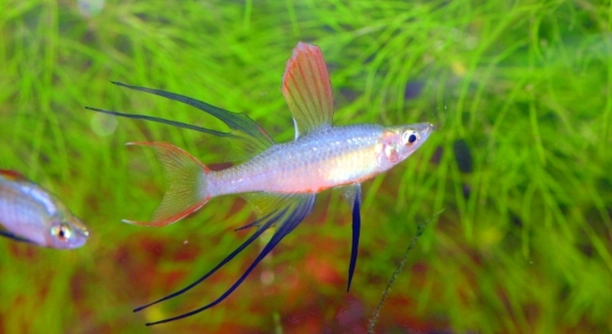
Do your Threadfin Rainbowfish ever seem unsettled before a water change? Many owners notice subtle shifts in behavior that signal the fish are preparing for a change in their environment. Observing these cues can help maintain a healthy tank.
Threadfin Rainbowfish typically reduce their activity and gather near familiar areas of the tank before a water change. This behavior minimizes stress and allows them to adjust gradually to environmental alterations, ensuring their well-being during the maintenance process.
Recognizing these behaviors can make water changes smoother and support your fish’s long-term health. It also provides insight into their natural responses and needs in the aquarium.
Recognizing Pre-Change Behavior
Before a water change, Threadfin Rainbowfish often display distinct behaviors. They may hover near the tank’s edges, fins slightly fluttering, or move less than usual. Some gather near plants or decorations, seeking familiar spaces. These actions are natural responses to changes in water conditions. Watching their patterns can help you predict when a water change is needed. Stress levels are usually subtle but noticeable if observed closely. Feeding habits may also change slightly, as fish sometimes eat less when sensing a shift. Their coloring can become more vibrant or slightly muted, reflecting their sensitivity. Observing these signals allows aquarists to prepare the tank calmly and avoid sudden disturbances. Maintaining a consistent schedule for water changes helps reduce these pre-change reactions. Over time, fish may become accustomed to the routine and appear more relaxed. Paying attention to these subtle cues is key to ensuring their long-term health and comfort.
These behaviors are not signs of illness but natural preparation for environmental changes.
Understanding these patterns ensures your water changes are smooth and less stressful for your fish. Watching closely can reveal a lot about their comfort levels and needs.
Preparing the Tank for a Water Change
Start by gathering all necessary equipment, including a siphon, clean bucket, and replacement water of matching temperature and pH.
Ensuring the tank environment is stable before introducing new water is essential for Threadfin Rainbowfish. Remove debris and excess food to maintain water quality. Pre-treat the replacement water with a dechlorinator and let it reach the tank’s temperature to avoid shocking the fish. Turn off filtration temporarily if needed, and avoid sudden movements near the tank. Slowly siphon out 20–30% of the water, keeping the fish calm. After removing water, gently pour in the replacement, distributing it evenly to prevent turbulence. Monitor the fish for stress signals like rapid gill movement or frantic swimming, and adjust the flow if necessary. This method maintains a stable environment, reduces stress, and keeps water parameters consistent. Routine water changes following this approach support overall health, prevent disease, and ensure your Threadfin Rainbowfish remain active and vibrant.
Proper preparation minimizes stress and keeps your fish comfortable throughout the process.
Signs of Stress During Water Changes
Threadfin Rainbowfish may show stress through rapid gill movement, darting, or clinging to decorations. These behaviors indicate they are adjusting to the changing environment and need careful handling to prevent harm or long-term stress.
Stress in Threadfin Rainbowfish is often subtle but noticeable if observed closely. Rapid swimming, frequent hiding, or clamped fins are common indicators. Some fish may temporarily stop eating or show less interest in their usual activities. Recognizing these signs early allows aquarists to adjust the water change process, such as slowing the flow of new water or providing extra hiding spots. Stress can also affect their immune system, making them more susceptible to illness. Observing behavior before, during, and after water changes ensures that interventions are timely and effective. Small adjustments can significantly improve the fish’s comfort and overall tank harmony.
To reduce stress, ensure water parameters like temperature, pH, and hardness remain consistent. Gentle movements, careful siphoning, and slow water replacement help maintain calm conditions. Avoid overcrowding and keep the tank environment familiar. Providing plants or decorations offers refuge, helping fish feel secure during changes. Monitoring behavior after the change helps confirm they have adjusted well. Consistent routines build trust and reduce anxiety over time.
Maintaining Long-Term Health
Regular water changes support optimal oxygen levels, reduce toxins, and prevent algae buildup, all crucial for Threadfin Rainbowfish health.
Consistency in water maintenance ensures fish remain active and vibrant. Stable water parameters, combined with routine cleaning, prevent fluctuations that stress fish. Removing uneaten food and debris reduces ammonia and nitrate buildup. Filter maintenance is equally important, as clean filters maintain circulation and remove waste efficiently. Monitoring water chemistry frequently allows early detection of issues. Maintaining proper temperature and pH supports metabolic and immune functions. Adequate space and a balanced diet complement water quality, promoting growth and coloration. Healthy fish are less prone to disease and display more natural behaviors. Careful observation of their responses to water changes helps refine routines and ensures they remain stress-free. Over time, these practices create a stable and thriving environment for your Threadfin Rainbowfish.
Proper long-term care balances water quality, nutrition, and environmental stability. Consistency is key to their continued well-being, ensuring a lively and resilient aquarium.
Timing and Frequency
Water changes for Threadfin Rainbowfish are most effective when done regularly, ideally every one to two weeks. Consistency helps maintain stable water conditions and prevents sudden stress on the fish.
Smaller, frequent changes are better than large, infrequent ones. This approach keeps water parameters steady and reduces fluctuations that can affect fish behavior and health.
Observing Post-Change Behavior
After a water change, Threadfin Rainbowfish may explore more actively or return to their usual spots. Some fish may hide briefly but usually resume normal activity within a few hours. Monitoring their behavior helps ensure they adjust well.
Adjusting Environment Gradually
Gradual adjustments in temperature, pH, or water hardness minimize stress. Sudden changes can trigger erratic swimming or hiding, which may indicate discomfort. Observing their responses allows for timely corrections and ensures a stable environment.
FAQ
How do I know when my Threadfin Rainbowfish need a water change?
Signs include reduced activity, hovering near familiar spots, and slightly clamped fins. Feeding habits may also change, as fish sometimes eat less before a water change. Monitoring these behaviors helps you maintain a consistent schedule and avoid unnecessary stress.
What percentage of water should I change at one time?
A safe range is 20–30% of the tank water. Smaller, frequent changes are better than large, infrequent ones. This helps maintain stable water parameters and reduces stress on the fish, keeping their environment consistent and healthy.
Should I turn off the filter during a water change?
Temporarily turning off the filter can prevent debris from being sucked in or disturbing the fish, but it is not always necessary. Ensure the filter resumes operation promptly to maintain water circulation and oxygen levels.
How can I prevent stress during water changes?
Slow, gentle water removal and replacement help reduce stress. Provide hiding spots with plants or decorations, and avoid sudden movements near the tank. Matching the temperature and pH of replacement water ensures a smooth transition for the fish.
What water parameters are ideal for Threadfin Rainbowfish?
They thrive in a temperature range of 74–82°F (23–28°C), a pH between 6.5–7.5, and moderate hardness. Maintaining these conditions reduces stress, supports immune function, and encourages natural behavior and vibrant coloration.
Is it necessary to dechlorinate replacement water?
Yes, always use a water conditioner to remove chlorine and chloramines. Untreated water can harm gills and affect overall health. Dechlorinated water ensures a safe environment for your Threadfin Rainbowfish.
Can I use tap water directly for water changes?
Tap water must be treated and allowed to reach tank temperature. Direct tap water often contains chemicals or temperature differences that can shock fish and disturb their environment. Conditioning and gradual introduction prevent negative reactions.
How long should I monitor the fish after a water change?
Observe for at least a few hours. Look for normal swimming patterns, active feeding, and interactions with other fish. Temporary hiding is normal, but prolonged stress signals a need to reassess water parameters or change procedures.
Do Threadfin Rainbowfish show long-term effects if water changes are skipped?
Yes, skipping changes can lead to poor water quality, higher ammonia or nitrate levels, and increased stress. Chronic stress may reduce immunity, slow growth, and affect coloration, making routine water maintenance essential for long-term health.
Can I change all the water at once if my tank is very dirty?
It is not recommended. Sudden, full water changes can shock fish and disrupt beneficial bacteria. Instead, remove water in stages over several days, gradually introducing clean water to maintain stability and reduce stress.
How do I clean decorations and substrate without harming the fish?
Use tank water to rinse decorations and gently stir the substrate. Avoid soap or chemicals. Partial removal during water changes is safe, but complete cleaning should be spaced out to preserve beneficial bacteria that support the tank ecosystem.
How often should I test water quality?
Weekly testing is ideal for ammonia, nitrite, nitrate, pH, and hardness. Frequent checks ensure water parameters remain stable, preventing sudden stress and allowing early intervention if issues arise. Consistency is key for a healthy environment.
What should I do if I notice stress signs after a water change?
Slowly adjust the environment by checking water parameters, temperature, and flow rate. Provide additional hiding spots and reduce disturbances. Gradual corrections help fish regain normal behavior and prevent long-term effects on health.
Are there signs that indicate the water change routine needs adjustment?
Yes. Rapid gill movement, frantic swimming, or clamped fins after changes suggest the process may be too fast or water parameters are mismatched. Adjusting temperature, pH, or flow rate ensures a calmer, safer environment.
Can I combine water changes with other maintenance tasks?
Yes, but keep the fish’s comfort in mind. Avoid overhandling or disturbing the tank too much at once. Focus on gradual, controlled changes to maintain water quality and reduce stress, balancing all maintenance tasks effectively.
This FAQ provides practical guidance to manage water changes while keeping Threadfin Rainbowfish healthy, comfortable, and thriving. Paying attention to behavior, water quality, and consistent routines ensures a stable environment.
Final Thoughts
Maintaining Threadfin Rainbowfish requires careful attention to their environment, particularly when performing water changes. These fish are sensitive to changes in water conditions, and sudden shifts can cause stress that impacts their overall health. Observing their behavior before, during, and after a water change is crucial. Small changes in activity, swimming patterns, or feeding habits often signal how they are adjusting. By understanding these cues, you can create a routine that minimizes stress and keeps the fish comfortable. Over time, a consistent schedule not only supports their health but also allows you to notice subtle changes in behavior that may indicate other issues in the tank. Paying close attention to these details can make the difference between a thriving aquarium and one where fish struggle to adjust. Regular observation, combined with careful water maintenance, ensures the fish remain active, healthy, and vibrant.
Proper preparation before a water change is equally important. Ensuring that replacement water matches the tank’s temperature and pH prevents sudden shocks that can harm the fish. Using a dechlorinator is essential to remove harmful chemicals from tap water. Gentle siphoning and gradual water replacement further reduce stress. Providing hiding spots, whether with plants, rocks, or decorations, gives fish a sense of security during the process. Monitoring the fish throughout the water change allows you to notice any signs of stress and make adjustments as needed. Additionally, keeping filters clean and removing debris or uneaten food helps maintain stable water quality. These measures collectively create a safe and stable environment, which is key to supporting the health and well-being of Threadfin Rainbowfish. Following these practices consistently will help you maintain a balanced aquarium that encourages natural behavior and long-term vitality.
Long-term care for Threadfin Rainbowfish is about maintaining balance and consistency. Regular water changes, proper diet, and stable environmental conditions all contribute to a thriving aquarium. Fish respond positively to predictability, and a routine that includes gradual adjustments, careful observation, and maintenance ensures minimal stress. Over time, the fish become accustomed to these routines, making each water change less disruptive. This stability also reduces the risk of illness and supports vibrant coloration and activity levels. By combining attentive observation with proper water management, you create an environment where Threadfin Rainbowfish can flourish. The process may require diligence, but the results are rewarding. Healthy, active, and stress-free fish enhance the overall enjoyment of keeping an aquarium and reflect the care and attention invested in their environment. Consistency, patience, and observation are the keys to long-term success.

Hello,
If you enjoy the content that we create, please consider saying a "Thank You!" by leaving a tip.
Every little bit helps us continue crafting quality advice that supports the health, happiness, and well-being of pets around the world, for pets of all shapes, sizes, and species.
We really appreciate the kindness and support that you show us!