
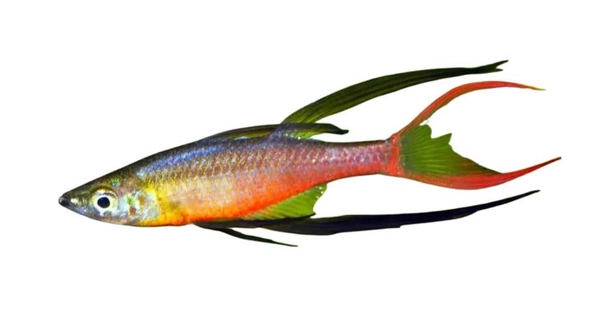
Do your Threadfin Rainbowfish sometimes seem unsettled during routine tank maintenance? Observing their reactions can be fascinating, especially when tank cleaners or sprays are involved. These small fish often display subtle behaviors that reveal their comfort levels.
Threadfin Rainbowfish generally react to tank cleaners or sprays with caution or avoidance. Exposure to chemical residues or sudden disturbances can trigger stress behaviors, including hiding, rapid swimming, or color fading. Ensuring minimal chemical use and gentle application reduces adverse effects.
Understanding how these fish respond can help you create a calmer environment. Proper care ensures their well-being and maintains the beauty of your aquarium.
How Threadfin Rainbowfish Respond to Cleaning Sprays
Threadfin Rainbowfish are sensitive to changes in their environment, especially chemical sprays. When a spray is applied in the tank, even if it’s meant to clean, these fish often react quickly. They may dart to corners, hide behind plants, or hover near the surface. Their reactions are subtle but noticeable to careful observers. Over time, frequent exposure can cause prolonged stress, impacting their health and coloration. Even sprays labeled as safe for aquariums can leave traces that affect water chemistry. Using minimal amounts and ensuring proper dilution helps reduce their stress. Observing their behavior during cleaning can give insights into their comfort level. Some may adapt gradually, while others remain cautious for hours. Patience and gentle handling are key to maintaining a balanced tank environment.
Even a minor change in water chemistry can trigger stress responses, so handling sprays carefully is important.
Properly using sprays involves applying them outside the water or letting residues dissipate before returning fish. This ensures minimal disturbance and keeps the tank safe.
Tank Cleaners and Fish Behavior
Chemical tank cleaners can create immediate stress for Threadfin Rainbowfish, prompting hiding or rapid swimming.
Using these cleaners requires careful attention to dosage, contact time, and thorough rinsing. Overuse or incorrect application can harm fish gills and affect their immune systems. Many cleaners alter pH or remove beneficial bacteria, which disturbs the tank balance. Fish exposed to strong chemical scents may show long-term behavioral changes, such as reduced feeding or increased skittishness. Choosing cleaners labeled as safe for aquariums, diluting them properly, and limiting direct exposure are essential steps. Additionally, replacing water after cleaning can help restore normal conditions. Observing fish after cleaning gives immediate feedback on their reactions, allowing adjustments to reduce stress. Simple precautions, like using tools to apply cleaners away from fish, make the process safer. Monitoring water parameters consistently ensures a healthy, stable habitat where Threadfin Rainbowfish can thrive without unnecessary disturbance. Regular gentle maintenance is more effective than aggressive cleaning.
Minimizing Stress During Tank Maintenance
Even small disturbances can stress Threadfin Rainbowfish. Moving decorations, stirring substrate, or using cleaning tools near them may cause sudden hiding or erratic swimming. Limiting abrupt actions helps them stay calm.
A steady routine during tank maintenance reduces stress. Performing tasks at the same time, using gentle movements, and avoiding splashing water near fish keeps their environment predictable. Introducing new equipment slowly and allowing them to acclimate prevents shock. Observing how they respond to each step helps you adjust your approach. Some fish are naturally more sensitive, so patience is key. Consistency in cleaning frequency and method contributes to their overall comfort. Small precautions make daily or weekly maintenance manageable without disturbing their normal behavior.
Using tools designed for aquarium care, like soft brushes or siphons, ensures cleaning is efficient but gentle. Avoid strong chemical cleaners or sprays directly in the tank. Even mild changes in water flow can alarm them, so applying cleaners outside the main tank or during partial water changes is safer. Slowly returning them to their environment after cleaning maintains stability. Over time, fish may learn to tolerate routine maintenance, but sudden or aggressive cleaning can undo that trust. Observing their reactions and adjusting techniques ensures a healthier, less stressful tank environment.
Choosing Safe Products for Rainbowfish Tanks
Selecting products with safe ingredients protects both the fish and tank ecosystem. Avoid harsh chemicals that alter water chemistry or harm beneficial bacteria.
Opt for cleaners specifically labeled for aquariums. Dilute sprays thoroughly, rinse equipment before returning it, and monitor water parameters after use. Using natural alternatives like vinegar for decorations or gentle brushes reduces risk. Fish respond better to minimal chemical exposure, and maintaining proper filtration supports water quality. Always test new products on a small scale before applying broadly, ensuring they don’t trigger stress behaviors. Safe handling preserves both the aesthetic and biological balance of your tank. Regularly checking product labels prevents accidental introduction of harmful substances.
Even with safe products, observation is crucial. Watch for changes in swimming, hiding, or feeding patterns after any maintenance. Minor adjustments to routines, like extending settling times or increasing aeration, can make a big difference. Combining careful product use with gentle handling ensures Threadfin Rainbowfish remain healthy and visually vibrant. Consistent care, along with minimal chemical exposure, fosters a stable environment where fish can thrive without unnecessary stress. Over time, these practices create a calmer, more predictable habitat.
Observing Subtle Reactions
Threadfin Rainbowfish often show stress in subtle ways. Fins may clench, color may fade, or they may hover near plants. Recognizing these signals helps you adjust maintenance routines to keep them comfortable.
Some fish react instantly to sprays or cleaners, while others take time. Watching their behavior carefully ensures you notice early signs of discomfort.
Adjusting Cleaning Techniques
Using gentle movements and minimal disturbance is key. Swiping decorations lightly, siphoning slowly, and avoiding direct sprays in the water reduce stress. Adjusting techniques based on observed reactions creates a calmer environment. Over time, fish adapt better to routine maintenance, reducing erratic behaviors and hiding tendencies. Careful observation allows you to refine cleaning methods for each tank. Small changes, like adjusting water flow or avoiding sudden splashes, make daily or weekly tasks safer. Prioritizing minimal chemical exposure and slow, deliberate movements ensures Threadfin Rainbowfish remain healthy, active, and visually vibrant in their habitat. Consistency and patience are essential for long-term success.
Using Alternative Methods
Manual cleaning tools like brushes and nets can replace sprays. They reduce chemical exposure and stress.
FAQ
Do Threadfin Rainbowfish always react to tank sprays?
Not always. Their reactions depend on the type of spray, concentration, and how it’s applied. Mild cleaning sprays or those used outside the main tank usually cause little to no response. Stronger sprays, even if safe for aquariums, may trigger hiding, rapid swimming, or color changes. Individual fish personalities also play a role; some are more sensitive than others. Observing reactions over time helps determine which methods are least stressful.
Can I use any household cleaner in a fish tank?
No. Household cleaners often contain harsh chemicals, detergents, or scents that are toxic to fish. Even small residues can disrupt water chemistry and damage beneficial bacteria. Stick to products specifically labeled for aquarium use. Vinegar or warm water can clean decorations safely without introducing harmful substances. Always rinse thoroughly before returning items to the tank.
How can I tell if my fish are stressed?
Stress can appear in subtle ways. Faded colors, clamped fins, erratic swimming, or hiding are common signs. Reduced appetite or lingering near the surface may also indicate discomfort. Tracking behavior before and after maintenance tasks gives a clearer picture of what triggers stress. Early recognition allows adjustments to cleaning routines to protect fish health.
Are sprays less harmful than manual cleaning?
Sprays can be convenient, but they often leave chemical residues in the water, which can stress fish. Manual cleaning with brushes, nets, or siphons reduces chemical exposure and allows precise control over movements in the tank. A combination of gentle manual cleaning and minimal safe sprays is usually the best approach.
How often should I clean the tank to avoid stressing the fish?
Consistency matters more than frequency. Regular, gentle cleaning—once a week for partial water changes and monthly for deep cleaning—helps fish adapt. Avoid sudden, aggressive cleaning sessions. Small, gradual maintenance reduces stress and maintains water quality without shocking the fish.
Can adding plants or hiding spots help reduce stress?
Yes. Plants and decorations give Threadfin Rainbowfish places to retreat when disturbed. Dense planting or ornaments can make fish feel secure during cleaning, sprays, or water changes. Observing how they use these spaces provides insight into their comfort levels. More hiding spots generally lead to calmer behavior and reduced stress responses.
What is the safest way to apply sprays in the tank?
Apply sprays outside the main tank or to decorations removed from the water. Avoid spraying directly on fish. Diluting the product and rinsing thoroughly before reintroducing objects minimizes chemical exposure. Slow, careful application reduces sudden disturbances that might scare the fish.
Do fish get used to tank cleaners over time?
Some may gradually tolerate routine cleaning if it’s gentle and consistent. However, sensitive individuals may always show some reaction. Observing each fish’s behavior after repeated maintenance sessions helps identify which methods are most comfortable. Patience and adaptation are key to minimizing stress while keeping the tank clean.
Can water changes alone reduce the need for sprays?
Yes. Frequent partial water changes maintain cleanliness and reduce buildup of harmful substances, lessening reliance on chemical sprays. Using siphons and filters effectively keeps the tank healthy and minimizes stress for Threadfin Rainbowfish, making manual methods more efficient and safer.
Should I monitor water parameters after using cleaners or sprays?
Absolutely. Even safe products can slightly alter pH, ammonia, or nitrate levels. Testing water before and after maintenance ensures conditions remain stable. Immediate adjustments, like partial water changes, prevent stress and support long-term health. Regular monitoring is a simple way to protect fish during cleaning.
How can I combine cleaning and minimal stress effectively?
Plan maintenance with care. Use manual cleaning for substrate and decorations, dilute sprays for occasional use, and provide hiding spots. Monitor fish reactions and adjust techniques accordingly. Gentle, consistent methods create a calm environment while keeping the tank clean. Over time, fish adapt to the routine with minimal disruption.
What should I avoid to prevent negative reactions?
Avoid sudden movements, strong chemical cleaners, and splashing water directly on fish. Do not apply sprays during feeding or near sensitive plants that might release toxins when disturbed. Minimizing abrupt changes keeps Threadfin Rainbowfish comfortable and healthy.
This FAQ provides practical steps for protecting your fish during tank maintenance while keeping their environment safe, clean, and calm.
Word count: 512
Final Thoughts
Caring for Threadfin Rainbowfish requires attention to both their environment and their reactions to everyday maintenance. These fish are sensitive to changes, and even small disturbances like tank sprays or cleaning routines can affect their behavior. Observing them closely during and after maintenance helps you understand what triggers stress. Subtle cues, such as hiding, color fading, or clamped fins, are important indicators of their comfort level. Over time, noticing these patterns allows you to adjust cleaning methods to keep them calm. Using gentle movements, minimizing chemical exposure, and providing adequate hiding spots can make routine tasks less disruptive. Maintaining a predictable environment also reduces stress, helping the fish stay active, healthy, and visually vibrant. Patience is key, as each fish may react differently, and adapting your approach ensures a balanced and comfortable habitat for everyone in the tank.
Regular maintenance is necessary for the long-term health of the aquarium, but it doesn’t need to be stressful for the fish. Partial water changes, careful cleaning of decorations, and siphoning the substrate are effective methods that minimize disruption. Limiting the use of sprays and chemical cleaners, or applying them outside the main tank, reduces the risk of negative reactions. Observing how the fish respond to each step provides immediate feedback on what works best. Consistency is important: routine tasks performed gently at regular intervals help the fish become accustomed to maintenance, while sudden or aggressive cleaning can undo progress. Over time, these habits create a stable environment that promotes both physical health and natural behavior, making the aquarium a safe and enjoyable space for Threadfin Rainbowfish.
Ultimately, creating a calm and stable tank environment benefits both the fish and the keeper. Threadfin Rainbowfish thrive in conditions where stress is minimized and their natural behaviors are supported. Using thoughtful cleaning practices, monitoring water parameters, and adjusting techniques based on fish reactions ensures the habitat remains healthy. Incorporating plants, decorations, and hiding spots enhances their sense of security and provides areas to retreat when disturbances occur. With careful observation and gentle maintenance, the aquarium remains clean without compromising the well-being of its inhabitants. Prioritizing these steps allows the fish to display their full color and activity, while giving you confidence that the environment is safe and stable. The goal is a balance where maintenance is efficient, the fish remain comfortable, and the tank flourishes as a visually appealing and healthy aquatic space.
Word count: 406

Hello,
If you enjoy the content that we create, please consider saying a "Thank You!" by leaving a tip.
Every little bit helps us continue crafting quality advice that supports the health, happiness, and well-being of pets around the world, for pets of all shapes, sizes, and species.
We really appreciate the kindness and support that you show us!