
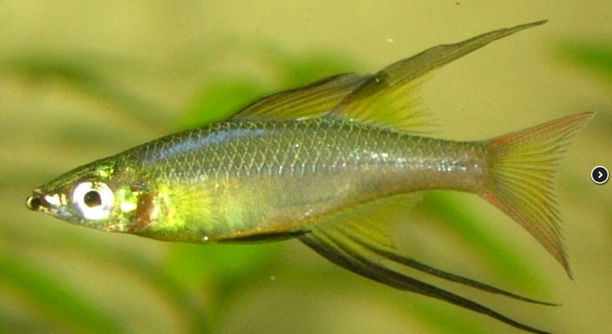
Are your threadfin rainbowfish often darting around the tank with wide eyes and twitchy fins? Many aquarists notice this sudden startled behavior and wonder what might be causing stress or discomfort in their aquatic pets.
Threadfin rainbowfish may appear startled due to environmental stressors, sudden movements, overcrowding, poor water quality, aggressive tankmates, lack of hiding spots, or health issues. Identifying and mitigating these factors is essential for maintaining their well-being and natural behavior.
Understanding these causes will help you create a calmer, healthier environment for your fish. Small adjustments can make a significant difference in their comfort and behavior.
Sudden Movements in the Tank
Threadfin rainbowfish are highly sensitive to movement around their tank. Even small gestures nearby can make them dart or freeze in place. These fish rely heavily on visual cues to feel safe, so rapid motion from hands, other pets, or nearby furniture can trigger a startled response. Over time, frequent exposure to sudden movements can increase their stress levels, affecting feeding, growth, and overall health. It’s important to maintain a calm environment and approach the tank gently. Avoid slamming doors, tapping on glass, or moving quickly around the tank. Consistent routines help your rainbowfish feel more secure, allowing them to swim and interact naturally. By understanding their sensitivity, you can reduce their stress and encourage calmer behavior while observing them. Even small adjustments can make the tank feel like a safe and comfortable space for them, which supports their natural behavior.
Sudden movements around the tank can create constant stress. Rainbowfish respond best to gentle, slow actions near their habitat.
Keeping a steady and predictable routine will help your rainbowfish feel more secure. Limit rapid movements, especially near the glass, and allow them time to adjust after feeding or cleaning. Providing decorations and hiding spots also helps them feel safe while maintaining their natural behaviors. Consistency is key to reducing frequent startled reactions.
Overcrowding and Tankmates
Overcrowding can make threadfin rainbowfish nervous. Too many fish in a tank limit space, cause competition for resources, and increase stress levels.
Aggressive or incompatible tankmates often trigger sudden fleeing or darting in rainbowfish, worsening their stress and behavior.
When setting up a tank, ensure that there is enough space for all inhabitants. Threadfin rainbowfish prefer open swimming areas with calm companions. Avoid placing them with aggressive species that may chase or nip at them. Providing plenty of hiding spots reduces tension and allows fish to retreat when overwhelmed. Overcrowding not only leads to stress but can also compromise water quality, which further impacts their health. By carefully planning tank size and choosing compatible species, you can maintain a balanced, peaceful environment. Regular observation helps identify if fish are stressed or uncomfortable. Addressing overcrowding issues early can prevent long-term health problems and ensure your rainbowfish swim confidently and interact naturally in their space.
Poor Water Quality
Poor water quality stresses threadfin rainbowfish, causing erratic swimming and startled behavior. High ammonia, nitrite, or nitrate levels irritate their gills and reduce oxygen, making them more reactive to their surroundings.
Maintaining clean water is crucial for rainbowfish health. Regular testing helps monitor ammonia, nitrite, nitrate, and pH levels. Frequent water changes remove toxins and keep the environment stable. Filters should be cleaned periodically without disturbing beneficial bacteria. Proper water parameters reduce stress, encourage natural behavior, and prevent illness. A calm and clean tank allows rainbowfish to swim confidently without constant panic or sudden darting. Paying attention to water quality directly impacts their comfort and overall well-being.
Consistent water maintenance keeps your fish calm. Neglecting it can lead to continuous stress, erratic movements, and potential health issues over time.
Lack of Hiding Spots
A tank without hiding spots leaves rainbowfish exposed, making them feel unsafe. They rely on plants, rocks, and decorations to retreat when stressed.
Providing shelters allows rainbowfish to manage stress and regain confidence. Hiding spots reduce constant alertness and create a secure environment. Incorporate live plants, caves, or ornaments to mimic natural habitats. When fish have areas to retreat, they show calmer swimming and more natural interactions. Hiding spots also reduce aggression from tankmates by giving each fish personal space. Careful placement ensures they are accessible without crowding swimming areas. Observing your rainbowfish using these shelters indicates comfort and trust in their surroundings, which decreases frequent startled responses.
Sudden Lighting Changes
Sudden changes in lighting can startle threadfin rainbowfish. Bright lights turned on or off abruptly make them dart or hide instantly.
Using gradual lighting adjustments helps rainbowfish acclimate. Dim lights or use a timer to mimic natural day-night cycles and reduce stress.
Overfeeding
Overfeeding can affect rainbowfish behavior. Excess food decays, polluting the water and creating uncomfortable conditions. Maintaining a controlled feeding schedule prevents uneaten food from building up, helping water stay clean. Proper portions support healthy growth, reduce sudden stress reactions, and promote calmer swimming patterns. Observing how much they eat ensures a balanced diet and minimizes waste, keeping the tank environment stable.
Health Issues
Illness or parasites often cause fish to act startled. Regular monitoring and prompt treatment help maintain their well-being.
FAQ
Why do my threadfin rainbowfish keep darting suddenly?
Sudden darting is usually a response to stress. Causes can include quick movements around the tank, aggressive tankmates, or changes in water quality. Ensuring a calm environment and providing hiding spots can reduce these startled behaviors. Consistent tank maintenance helps them feel safe.
How can I tell if the water quality is affecting my fish?
Look for signs like gasping at the surface, clamped fins, or frequent hiding. Regularly test ammonia, nitrite, nitrate, and pH levels. Cloudy water, unusual odors, or excessive algae can also indicate poor water conditions. Prompt corrective action keeps your rainbowfish healthy.
What type of tankmates work best with threadfin rainbowfish?
Peaceful, similarly sized fish make the best companions. Avoid aggressive species that may chase or nip at them. Grouping rainbowfish with other calm, schooling fish allows natural interactions without constant stress. Overcrowding should be avoided to maintain harmony.
How often should I perform water changes?
A 20–30% water change weekly is generally sufficient for a medium-sized tank. Larger tanks may allow slightly longer intervals, but regular testing is essential. Water changes remove toxins, keep parameters stable, and reduce stress that causes startled reactions.
Do decorations really help reduce stress?
Yes, plants, rocks, and caves offer safe spaces. Rainbowfish feel secure when they can retreat if threatened. Properly placed hiding spots prevent territorial disputes and reduce overall anxiety, supporting calmer swimming and natural behavior.
Could lighting be affecting my fish?
Abrupt lighting changes startle rainbowfish. Using a timer or gradually dimming lights simulates natural cycles and reduces stress. Avoid shining bright lights directly into the tank, especially during feeding or cleaning, to maintain a stable environment.
How do I know if my fish is sick?
Signs include lethargy, loss of appetite, abnormal swimming, clamped fins, or spots on the body. Prompt observation and treatment are essential. Quarantine new fish before introducing them to prevent disease transmission. Healthy water conditions minimize illness risk.
Is overfeeding harmful?
Yes, excess food decays, contaminates water, and stresses fish. Feed small, measured portions once or twice daily, adjusting for growth and appetite. Remove uneaten food to maintain clean water and prevent startled, erratic behavior.
Can sudden noises affect rainbowfish?
Loud bangs or vibrations can startle them. Placing the tank in a quiet area away from heavy foot traffic or appliances reduces frequent panic responses. Consistency in the surrounding environment helps them feel more secure.
How can I encourage calmer behavior?
Maintain stable water conditions, provide hiding spots, avoid overcrowding, use gentle lighting, and minimize sudden movements. Observing daily routines and adjusting the tank environment gradually ensures rainbowfish feel secure and reduces startled reactions significantly.
Are threadfin rainbowfish naturally skittish?
They are naturally alert and cautious fish. While this makes them sensitive to their environment, careful care, proper tank setup, and predictable routines help them swim confidently and exhibit calmer, healthier behaviors.
How important is tank size?
Adequate space prevents overcrowding and allows natural swimming patterns. A cramped tank increases stress, encourages darting, and can worsen aggression among tankmates. A well-sized tank with open areas and hiding spots balances comfort and activity.
What should I do if my fish continue to startle frequently?
Evaluate all environmental factors: water quality, tankmates, lighting, hiding spaces, and feeding habits. Correcting issues step by step helps reduce stress. If unusual behavior persists, consult a specialist to rule out illness or parasites. Regular monitoring ensures long-term health and comfort.
Can stress impact lifespan?
Yes, chronic stress weakens the immune system and can shorten life expectancy. Maintaining calm conditions, clean water, and a balanced diet promotes longevity and natural behavior patterns in threadfin rainbowfish.
Is there a way to acclimate new fish to the tank?
Gradually introduce new fish using a drip acclimation method. This allows them to adjust to water parameters slowly, reducing shock and startled responses. Proper acclimation sets the stage for a harmonious, low-stress tank environment.
Do seasonal changes affect rainbowfish behavior?
Temperature fluctuations or changes in lighting patterns can stress fish. Maintaining consistent temperatures and day-night cycles helps rainbowfish stay calm. Sudden seasonal variations should be minimized to prevent frequent startled reactions and maintain health.
How often should I clean the tank filter?
Clean the filter monthly, taking care not to remove all beneficial bacteria. Rinse media with tank water instead of tap water to preserve bacterial colonies. A functioning filter maintains water quality and prevents stress-related behavior.
Can feeding live or frozen food reduce stress?
Yes, a varied diet that includes live or frozen food encourages natural hunting behavior, reduces boredom, and promotes healthy activity levels. Balanced nutrition supports immune function and decreases erratic swimming caused by stress.
Are certain plants better for hiding spots?
Dense, tall, or bushy plants provide excellent cover. Floating plants can diffuse light, and rooted plants offer retreat areas. Using a mix of plant types creates security while maintaining open swimming spaces for active rainbowfish.
How can I monitor stress levels effectively?
Observe behavior closely: frequent darting, hiding, or clamped fins indicate stress. Keep a log of feeding, water changes, and environmental adjustments. Tracking changes over time helps identify stressors and informs corrective measures.
Does tank maintenance frequency matter?
Yes, regular care prevents toxin buildup, maintains stability, and reduces frequent startle responses. Establishing a consistent maintenance routine ensures a clean, healthy, and low-stress environment for threadfin rainbowfish.
Can companions affect startle behavior even if peaceful?
Yes, even calm fish can cause stress if the tank is overcrowded or space is limited. Ensuring adequate swimming areas and hiding spots for all fish reduces competition and sudden panic reactions.
What is the role of water temperature in behavior?
Threadfin rainbowfish prefer stable temperatures around 24–28°C (75–82°F). Sudden fluctuations can cause darting, lethargy, or hiding. Using a reliable heater and thermometer maintains a stable environment and reduces stress.
Are there long-term solutions for skittish fish?
Yes, combining proper tank size, hiding spots, gentle lighting, compatible tankmates, consistent water quality, and a measured diet creates a calm, secure environment. Over time, rainbowfish become more confident and less prone to startled behavior.
Can human presence cause constant stress?
Yes, frequent tapping on glass or rapid movements can increase anxiety. Approaching the tank slowly and minimizing sudden actions helps rainbowfish acclimate to observation without panic.
How can I know if adjustments are working?
Observe swimming patterns, feeding habits, and hiding frequency. Reduced darting and calmer behavior indicate improvements. Keeping track of environmental changes allows you to fine-tune care for lasting comfort and natural activity.
Do different rainbowfish species have similar stress triggers?
While each species has unique traits, common triggers include poor water quality, overcrowding, aggressive tankmates, sudden movements, and lack of hiding spots. Applying these general care principles helps most rainbowfish maintain calm behavior.
What are common mistakes new owners make?
Overfeeding, overcrowding, inconsistent water maintenance, abrupt lighting changes, and selecting incompatible tankmates are frequent errors. Avoiding these mistakes reduces stress and prevents the frequent startled reactions seen in threadfin rainbowfish.
How important is observation in daily care?
Daily observation is critical for noticing early signs of stress, illness, or behavioral changes. Quick action prevents minor issues from escalating and ensures your rainbowfish remain healthy, active, and less prone to sudden darting.
Can I use stress-reducing additives?
Some aquarium supplements claim to reduce stress. While they can help in short-term situations, they don’t replace proper care. Focus on environment, diet, and tank management first to ensure lasting comfort and security.
How long does it take for fish to adjust to changes?
Adjustment varies by individual and tank conditions. Typically, with proper hiding spots, calm tankmates, and stable water, rainbowfish show calmer behavior within a few days to weeks. Patience and gradual changes yield the best results.
Is it necessary to quarantine new fish?
Yes, quarantining prevents disease spread and allows observation of behavior before introduction. This step reduces stress and protects the established tank population from sudden panic caused by illness or aggressive newcomers.
Do decorations or plants need rearranging often?
Frequent rearrangement can stress fish. Make changes slowly and minimally. Once hiding spots and swimming areas are established, keep the layout stable to maintain a secure environment and reduce startled reactions.
How can I prevent future stress issues?
Consistent maintenance, appropriate tank size, hiding spots, gentle lighting, compatible tankmates, and careful feeding schedules prevent stress. Observing daily and making gradual adjustments ensures long-term comfort and natural behavior in threadfin rainbowfish.
Are there any signs that stress is permanently affecting my fish?
Chronic stress can cause stunted growth, frequent illness, or shortened lifespan. Persistent darting, refusal to eat, or clamped fins indicate long-term stress. Immediate care improvements are necessary to restore health and reduce startled behavior over time.
Can I train my fish to be less skittish?
Gradual exposure to routine movements and predictable feeding times helps them adapt. Over time, consistent care and calm interactions reduce their reactive startle responses, fostering more confident swimming and natural behaviors.
Do water plants affect oxygen levels and behavior?
Live plants improve oxygenation and provide safe retreat areas. Healthy plants support a stable environment, reduce stress, and encourage calmer swimming, directly influencing behavior and reducing frequent startled reactions.
How do I know if my tank is overcrowded?
Limited swimming space, visible chasing, competition for food, and frequent hiding are signs. Calculating space per fish and ensuring room for swimming and shelters prevents stress-related darting. Proper stocking balances activity, health, and natural behavior.
Is it okay to leave lights on for extended periods?
Extended lighting increases stress and encourages erratic swimming. Following a day-night cycle of 10–12 hours light with gradual transitions mimics natural patterns, supporting calm behavior and overall health.
Can seasonal temperature shifts affect long-term behavior?
Yes, sudden or extreme changes can stress rainbowfish, triggering frequent startle responses. Maintaining a stable temperature with gradual adjustments ensures comfort and reduces erratic behavior over time.
How can I tell if tankmates are causing stress?
Watch interactions closely. Signs include chasing, nipping, or frequent hiding. If these behaviors are consistent, consider rearranging tankmates or adding more hiding spots to reduce conflict and promote calm swimming.
Are all darting behaviors caused by stress?
Not always. Some darting is natural schooling behavior or feeding excitement. Stress-induced darting is usually prolonged, frequent, or paired with hiding and clamped fins. Observing context helps distinguish between normal activity and stress responses.
What long-term care steps ensure calm rainbowfish?
Maintain clean water, stable temperatures, compatible tankmates, hiding spots, gradual lighting changes, and consistent feeding. Observing behavior, quarantining new fish, and avoiding overcrowding support a secure environment. These measures promote confident, healthy, and less skittish rainbowfish.
How important is tank location?
A quiet, low-traffic area reduces stress from vibrations and noise. Proper placement ensures rainbowfish feel secure, which lowers startled responses and encourages natural behavior in the aquarium.
Can water hardness or pH cause stress?
Yes, unsuitable water chemistry can irritate fish and cause erratic swimming. Testing and adjusting water parameters within the recommended range ensures comfort and reduces frequent startled behavior.
Are there supplements to improve fish confidence?
While certain minerals or trace elements support health, no additive replaces proper care. Focus on water quality, hiding spots, compatible tankmates, and consistent routines for lasting confidence and reduced stress.
How can I make feeding time less stressful?
Feed small portions slowly and consistently. Avoid sudden drops of food that may startle rainbowfish. Gradual feeding allows controlled consumption and prevents panic or frenzied swimming.
Does tank noise from equipment affect behavior?
Filters and heaters create some vibration and noise. Choosing quiet, low-vibration equipment and keeping them stable reduces stress and sudden darting, supporting calmer fish activity.
What are early warning signs of chronic stress?
Frequent darting, hiding, clamped fins, poor appetite, or pale coloration indicate prolonged stress. Early detection allows adjustments in care and environment to restore comfort and natural behavior.
Can I prevent aggressive behavior from tankmates?
Yes, selecting peaceful species, providing adequate space, and ensuring hiding spots reduces conflict. Proper planning creates a calm environment where rainbowfish feel secure and less prone to startled reactions.
Are temperature and lighting linked to stress responses?
Sudden changes in either can startle fish. Stable temperatures and gradual light transitions support predictable conditions, reduce anxiety, and encourage calm swimming patterns in rainbowfish.
Does tank size directly impact startle behavior?
Yes, insufficient space increases stress and limits swimming freedom. Proper tank dimensions with open areas and hiding spots reduce darting and promote natural, confident behavior in rainbowfish.
How often should I observe behavior to catch stress early?
Daily observation is ideal. Watching interactions, feeding, and swimming patterns allows early intervention for stress, ensuring your rainbowfish remain calm, healthy, and active in the tank.
Can sudden environmental changes cause long-term behavioral issues?
Yes, repeated exposure to stressors like abrupt lighting, temperature swings, or aggressive tankmates can lead to chronic fear, poor feeding, or weakened immunity. Gradual adjustments prevent long-term effects.
Are schooling behaviors normal for threadfin rainbowfish?
Yes, schooling is natural and provides security. Ensuring enough space and compatible companions supports this behavior and reduces frequent startled reactions caused by isolation or overcrowding.
Do seasonal maintenance changes affect stress?
Major changes, such as deep cleaning or water replacements, can stress fish if done abruptly. Performing maintenance gradually with minimal disturbance preserves calm behavior and confidence.
Can I prevent startle responses entirely?
No, some startle behavior is natural. Reducing environmental stressors, providing hiding spots, maintaining water quality, and using gentle lighting minimizes reactions and promotes calmer, healthier fish.
Is it normal for rainbowfish to hide frequently?
Occasional hiding is normal, but constant hiding signals stress or poor environmental conditions. Ensuring proper tank setup, water quality, and compatible tankmates encourages balanced hiding and confident swimming.
How does social hierarchy affect behavior?
Dominant fish may chase or intimidate others. Adequate space, hiding spots, and compatible tankmates reduce conflicts, promoting calm behavior and reducing startled darting in rainbowfish.
What role does diet play in stress management?
A balanced diet prevents nutritional deficiencies that can weaken fish. Healthy nutrition supports immune function, natural energy levels, and calmer behavior, lowering frequent startled responses.
Are live plants better than artificial for reducing stress?
Live plants provide natural cover, oxygenation, and water stability. While artificial plants offer hiding spots, live plants enhance environmental comfort and mimic natural habitats, supporting calmer rainbowfish behavior.
How can I safely introduce new fish?
Use a quarantine tank for at least two weeks. Acclimate gradually to temperature and water chemistry. Observe behavior and health before adding them to the main tank, reducing stress for both new and existing fish.
Can small adjustments make a big difference?
Yes, minor changes like adding a hiding spot, adjusting lighting gradually, or improving water quality can noticeably reduce startled behavior and improve overall well-being in rainbowfish.
How can I maintain long-term calm in my tank?
Combine proper tank size, hiding spots, compatible companions, stable water parameters, consistent feeding, and gradual lighting changes. Daily observation and gentle interactions ensure threadfin rainbowfish remain confident, healthy, and less prone to startle responses.
Do seasonal water chemistry changes impact behavior?
Rainfall, evaporation, or tap water changes can alter pH and hardness. Monitoring and adjusting parameters maintains stability, preventing stress and sudden darting behavior.
Are certain tank setups better for reducing stress?
Open swimming areas with hiding spots, stable lighting, proper filtration, and compatible companions create a secure environment. Balanced setups minimize panic, encourage natural behavior, and reduce frequent startle reactions.
How can I track improvement over time?
Keep notes on behavior, feeding, hiding, and swimming patterns. Observing trends helps identify successful adjustments and highlights areas needing further attention to maintain calm and healthy rainbowfish.
Can overcrowding ever be beneficial?
No, overcrowding increases stress, competition, and aggression. Proper stocking density supports natural schooling, reduces startle responses, and ensures healthy, confident fish.
Is patience necessary when reducing stress?
Yes, changes in environment, tankmates, or routines take time to reflect in behavior. Gradual adjustments and consistent care are key to calmer, healthier rainbowfish.
Can stress cause long-term physical changes?
Chronic stress can stunt growth, weaken immunity, and alter coloration. Maintaining a stable, comfortable environment supports overall health and reduces the risk of permanent stress effects.
How do I know if my fish are fully comfortable?
Calm swimming, regular feeding, minimal hiding, and natural interactions indicate comfort. Observing these behaviors shows that environmental adjustments and care routines are effective.
Are frequent tank inspections helpful?
Yes, inspecting water parameters, equipment, and fish behavior prevents minor issues from escalating. Regular checks ensure a stable environment that reduces startled behavior and promotes long-term well-being.
Can multiple stressors combine to worsen behavior?
Yes, poor water quality, overcrowding, sudden lighting changes, and incompatible tankmates together amplify stress. Addressing all factors systematically is essential for calmer rainbowfish.
Does the size of hiding spots matter?
Yes, hiding spaces should be large enough for fish to fully retreat but not overcrowd swimming areas. Proper sizing supports security without limiting movement or schooling.
How often should I reassess tank conditions?
Weekly checks on water quality, equipment, and fish behavior help catch early issues. Consistent assessment prevents stress accumulation and reduces frequent startled reactions.
Can stress affect reproduction?
Yes, stressed rainbowfish may show reduced spawning or mating behavior. Maintaining calm conditions encourages natural reproductive behavior and overall health.
Are threadfin rainbowfish more sensitive than other species?
They are particularly alert and responsive to environmental changes. Careful attention to water quality, tankmates, lighting, and hiding spots helps reduce stress compared to less sensitive species.
Is consistency more important than perfection?
Yes, consistent routines and stable conditions matter more than perfect parameters. Predictable care reduces anxiety and helps rainbowfish feel secure and confident.
How do I know if changes are making a difference?
Observe swimming patterns, hiding frequency, feeding behavior, and interactions with tankmates. Gradual reduction in startle responses signals positive environmental adjustments.
Can minor disturbances cause panic?
Yes, even small vibrations
Threadfin rainbowfish are naturally alert and sensitive to their surroundings, which can make them appear easily startled. Their reactions are often linked to environmental factors such as water quality, tankmates, lighting, and available hiding spaces. By paying attention to these aspects, it becomes easier to understand their behavior and make adjustments that create a more stable and comfortable environment. Simple changes, like providing more hiding spots, ensuring compatible tankmates, or maintaining consistent lighting, can significantly reduce frequent darting or panicked movements. Observing your rainbowfish daily allows you to see subtle changes in behavior and quickly address any issues before they escalate.
Maintaining water quality is essential for keeping threadfin rainbowfish calm and healthy. Regular testing for ammonia, nitrite, nitrate, and pH levels ensures the tank remains suitable for their needs. Water changes and proper filtration remove toxins and keep the environment consistent. Overfeeding or overcrowding can lead to water contamination and stress, so careful management of feeding schedules and stocking levels is crucial. Temperature stability also plays an important role, as sudden fluctuations can cause panic or irregular swimming. By combining proper tank maintenance with attention to behavior, you can prevent many common stressors and support the natural activity and schooling behavior of your rainbowfish.
Creating a secure and predictable environment allows threadfin rainbowfish to thrive over the long term. Hiding spots, open swimming areas, gradual lighting changes, and compatible companions all contribute to their sense of safety. Stress can impact health, appetite, and lifespan, so minimizing it is essential. Over time, consistent care helps your fish become more confident and reduces frequent startled responses. While some startle behavior is natural, reducing environmental stressors encourages calmer swimming and more natural interactions. Taking the time to observe, adjust, and maintain a balanced tank ensures that your rainbowfish remain healthy, active, and comfortable in their aquatic habitat.

Hello,
If you enjoy the content that we create, please consider saying a "Thank You!" by leaving a tip.
Every little bit helps us continue crafting quality advice that supports the health, happiness, and well-being of pets around the world, for pets of all shapes, sizes, and species.
We really appreciate the kindness and support that you show us!