
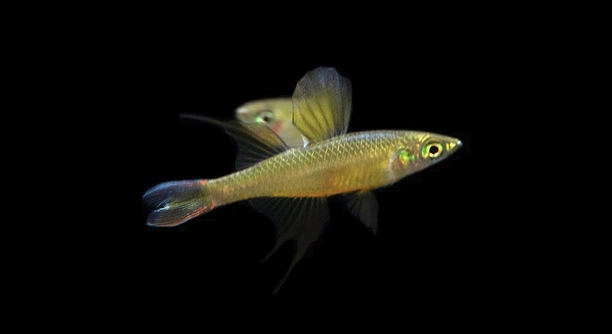
Threadfin Rainbowfish are small, colorful fish that brighten any freshwater aquarium. They are active swimmers, often exploring their environment together, and their behavior can be fascinating to observe. Many hobbyists enjoy watching their social interactions unfold daily.
Threadfin Rainbowfish demonstrate social behavior that can be interpreted as forming bonds with one another. They often swim in coordinated groups, show preference for certain companions, and engage in activities that suggest mutual recognition and familiarity.
Observing their interactions reveals more than just movement; it highlights a subtle, yet meaningful, social dynamic within the group. Understanding this behavior enhances both care and appreciation of these fish.
Social Behavior and Group Dynamics
Threadfin Rainbowfish are naturally social, often swimming in loose schools. They move together to explore their surroundings, respond to changes in light or food, and establish a sense of safety. Within these groups, certain fish may consistently swim closer to each other, suggesting a preference for particular companions. Observing these preferences can be intriguing, as the fish may mirror each other’s movements or display synchronized swimming patterns. These behaviors indicate more than just random activity; they reflect awareness and recognition within the group. For example, some fish might follow the same route around the tank while others maintain their distance, showing varying levels of comfort and interaction. Such behaviors help the fish navigate their environment, avoid stress, and maintain a stable social structure. Over time, these patterns can be observed consistently, revealing a subtle but important aspect of their behavior. Paying attention to these interactions provides insight into their daily habits and needs.
Their group cohesion helps reduce stress and creates a more harmonious environment for all individuals in the tank.
Monitoring interactions carefully can reveal which fish are most compatible and how to structure a tank for optimal social stability. This observation helps in maintaining their health, as stress can weaken their immune system and reduce activity. Additionally, recognizing patterns of proximity allows aquarists to adjust tank layout, introduce hiding spots, or provide enrichment that encourages natural behavior. Social interactions may include chasing, following, or swimming side by side, and each action contributes to understanding the relationships within the school. Over time, these observations allow for better care and improved welfare, as the fish thrive in an environment that supports their social needs and natural instincts. A well-organized tank and attention to behavior promote longevity, reduce aggression, and support active, vibrant displays.
Recognizing Compatible Companions
Some fish naturally prefer certain individuals, often staying closer to them and swimming in a synchronized manner.
These compatible companions reduce tension and support a stable, peaceful tank. Observing patterns of closeness allows for better tank management and ensures that all fish remain active and healthy. It also helps prevent aggressive behavior, as less compatible pairings are easier to identify early. By providing enough space, hiding areas, and observing movement, aquarists can maintain a balanced group where interactions are generally positive. Noticing which fish consistently follow each other or share similar swimming paths can guide future tank adjustments and group introductions, improving overall wellbeing. This awareness allows for a more structured and supportive environment where the fish can thrive while demonstrating natural social behaviors. Recognizing compatible companions enhances the quality of care, supports stress-free interactions, and encourages natural activity patterns that make observing the fish more rewarding.
Signs of Attachment
Threadfin Rainbowfish often show attachment by swimming closely with certain companions. They may mirror movements or follow one another throughout the tank, indicating familiarity and comfort. Observing these patterns can help identify which individuals naturally prefer each other within the group.
Repeated observations reveal that attachment can influence daily behavior. Fish that are more comfortable with specific companions often explore more confidently and maintain calmer interactions. They may share spaces around plants, decorations, or open swimming areas. Less attached fish tend to keep distance, sometimes showing hesitation or cautious movements. Recognizing these differences allows better tank management and ensures compatible groupings. Attachment also affects feeding behavior, as attached fish often eat near one another, demonstrating trust and social comfort.
Attachment impacts stress levels and overall health. Fish that form consistent bonds appear less reactive to sudden changes, such as new tank mates or environmental adjustments. Monitoring these interactions provides insight into the natural social structure. By supporting these attachments with adequate space and resources, the tank becomes more harmonious, reducing aggression and promoting active, vibrant displays. Ensuring these bonds are respected contributes to their long-term well-being and natural behavior patterns.
Encouraging Positive Interactions
Providing ample space, plants, and hiding spots supports positive interactions among Threadfin Rainbowfish. These elements allow the fish to feel secure and maintain comfort with companions.
A well-structured environment encourages natural swimming and social patterns. Fish with room to explore freely can establish territories, avoid overcrowding, and interact without stress. Hiding spots and vertical structures give shy individuals refuge, reducing tension while still allowing observation of group dynamics. Positive interactions are also influenced by balanced feeding schedules, which prevent competition and promote cooperative behaviors. Over time, fish begin to synchronize movements, swim in parallel, and demonstrate smoother transitions between spaces. Observing these behaviors confirms that environmental adjustments directly impact social stability, comfort levels, and overall vitality.
Maintaining these conditions consistently reinforces positive interactions and strengthens familiar pairings. By arranging the tank thoughtfully, monitoring group behavior, and adjusting decorations or plant density, interactions remain natural and fluid. Proper care ensures that dominant or aggressive tendencies do not disrupt cohesion. Fish have opportunities to choose companions, retreat when needed, and engage in routine social behaviors safely. Encouraging positive interactions supports mental and physical health, reduces stress-related issues, and allows the group to thrive. Careful observation and thoughtful environment management make a noticeable difference in how Threadfin Rainbowfish relate to each other daily.
Observation Techniques
Consistent observation helps identify patterns of interaction among Threadfin Rainbowfish. Noting which individuals swim together or follow each other provides insight into social preferences and comfort levels.
Recording behavior at different times of day highlights changes in activity, attachment, and response to environmental stimuli. Patterns become clearer with regular monitoring.
Tracking Movement and Behavior
Monitoring swimming paths, group formations, and responses to feeding or environmental changes provides valuable information about social bonds. Fish that consistently remain close often show comfort and mutual recognition. Observing these behaviors allows for adjustments in tank layout, enrichment placement, and group management to promote harmony. Accurate tracking helps maintain balance, reduce stress, and ensure all fish thrive. Recognizing movement patterns over time also highlights compatibility, potential conflicts, and preferred companions. This information is useful for maintaining a cohesive group and supporting natural social behaviors within the aquarium environment, creating a more stable and healthy habitat.
Environmental Influence
Tank layout, plant density, and hiding spots directly impact interactions and comfort levels.
FAQ
How do Threadfin Rainbowfish show attachment to certain companions?
Threadfin Rainbowfish often display attachment by swimming closely with specific individuals. They may mirror movements, swim side by side, or follow one another around the tank. These behaviors indicate comfort and familiarity. Over time, these patterns become consistent, showing which fish prefer each other. Observing these preferences helps in arranging the tank and maintaining harmony. Fish that are more attached tend to be calmer and explore more confidently, while those less attached may keep distance. Understanding these interactions is important for managing group dynamics effectively.
Can Threadfin Rainbowfish live peacefully with all tank mates?
While Threadfin Rainbowfish are generally peaceful, their interactions can vary depending on individual personalities and tank conditions. Providing enough space, plants, and hiding spots reduces tension and supports positive social behavior. Compatibility depends on observing behavior and avoiding overcrowding. Fish that feel stressed or crowded may display aggression, so careful monitoring is essential. Gradual introductions of new tank mates help maintain harmony. Proper environmental adjustments, including balanced feeding, prevent competition and support cooperative behaviors. Observing daily interactions allows recognition of natural preferences and reduces conflicts.
Do these fish form long-term bonds?
Threadfin Rainbowfish can maintain long-term associations with specific companions, showing repeated patterns of swimming together and shared territory use. These bonds are not permanent but tend to persist as long as environmental conditions remain stable. Changes in tank layout, addition of new fish, or shifts in population may alter these pairings. However, fish often reestablish familiar groupings after adjustments. Long-term associations contribute to lower stress levels, more confident exploration, and smoother group interactions. Respecting these bonds by maintaining consistent conditions supports social stability and enhances overall well-being.
How does tank size affect social behavior?
A sufficiently large tank allows Threadfin Rainbowfish to maintain personal space and establish preferred companions. Overcrowding increases stress and can disrupt group cohesion, leading to more cautious or aggressive behavior. Proper tank size supports natural swimming patterns, social interactions, and healthy exploration. Providing open areas for swimming and separate zones for resting ensures that all fish have the opportunity to engage comfortably. Observing movement patterns in a well-sized tank helps identify compatible companions and reduces potential conflicts.
What role do hiding spots and plants play?
Hiding spots and plant coverage give shy or less dominant fish a safe refuge, allowing them to interact without feeling threatened. These features support positive social behavior by reducing stress and preventing conflicts. Fish can retreat when needed while maintaining social bonds, encouraging natural interactions. Well-placed plants also influence swimming patterns, helping groups maintain cohesion while giving individuals space. Proper use of decorations and vegetation enhances the overall health and comfort of the tank, supporting attachment behaviors.
How does feeding influence group behavior?
Feeding routines affect social interactions by reducing competition and supporting cooperation. Fish that feel secure during feeding are more likely to maintain positive attachments and swim together confidently. Uneven or aggressive feeding can disrupt bonds, leading to tension and avoidance behaviors. Balanced feeding schedules and careful placement of food help ensure all individuals receive attention while promoting group stability. Observing feeding behavior also provides insight into social hierarchy and compatibility, informing adjustments to tank management for smoother interactions.
Can stress affect their social bonds?
Stress can impact attachment and social behavior significantly. Environmental changes, overcrowding, poor water quality, or incompatible tank mates may disrupt bonds. Fish under stress may become more solitary, less active, or show aggression. Providing stable conditions, adequate space, and enrichment helps maintain natural interactions and supports comfort with companions. Observing responses to stressors allows for timely adjustments, ensuring social bonds remain intact and fish stay healthy.
Are certain fish more compatible than others?
Compatibility varies based on individual temperament, age, and size. Fish with similar activity levels and swimming styles are more likely to maintain attachments and positive interactions. Recognizing patterns of proximity, shared swimming paths, and consistent companions helps identify compatible pairings. Maintaining compatible groupings reduces tension, promotes confidence, and enhances overall tank harmony. Adjustments to tank layout or group composition can support these natural preferences, ensuring that all fish remain comfortable and engaged.
How do changes in the tank affect their bonds?
Introducing new fish, rearranging plants, or altering tank conditions can temporarily disrupt established associations. Fish may reassess companions, adjust swimming patterns, or form new pairings. Observing these adjustments ensures smooth transitions and helps prevent aggression. Gradual changes, combined with consistent environmental features, support the reestablishment of bonds and minimize stress, maintaining stable social behavior over time.
Can observing their behavior improve care?
Careful observation provides insights into attachment, compatibility, and overall well-being. Monitoring interactions, movement patterns, and responses to feeding or environmental changes allows for adjustments in tank management. Understanding social preferences helps reduce stress, prevent aggression, and support healthy group dynamics. Observing their behavior ensures a more stable, thriving environment, benefiting both the fish and the caretaker.
This FAQ section provides practical guidance for identifying and supporting social behavior in Threadfin Rainbowfish. Careful observation, proper tank setup, and attention to interactions ensure these fish can thrive while maintaining natural social bonds.
Word count: 514
Final Thoughts
Threadfin Rainbowfish are remarkable for their subtle social behavior. Observing them in a well-maintained tank reveals patterns of interaction that go beyond mere swimming. They often choose specific companions to stay near, mirroring movements or swimming side by side. These behaviors suggest recognition and comfort with certain individuals. Over time, it becomes clear that some fish consistently stick together, while others prefer more distance. Understanding these patterns can help in arranging the tank to support harmonious group dynamics. Providing enough space, plants, and hiding spots allows each fish to maintain personal space while still engaging in social behaviors. The balance between interaction and independence is essential, as it reduces stress and encourages natural movement throughout the tank. Recognizing preferred companions can also inform decisions about tank size, layout, and group composition, ensuring that the fish remain active and comfortable.
A consistent environment plays a key role in supporting social stability. Changes in tank layout, introduction of new fish, or fluctuations in water quality can temporarily disrupt established bonds. Fish may adjust their swimming paths, form new associations, or retreat to hiding spots until they feel secure again. Observing these adjustments closely provides insight into their natural behavior and how they respond to change. Additionally, daily routines, including feeding, can influence social interactions. Balanced feeding schedules, careful placement of food, and observation of eating behavior help prevent competition and tension within the group. Supporting positive interactions through thoughtful management allows the fish to thrive, both physically and mentally. Maintaining consistent care practices fosters a calm and active environment, where the fish can display natural swimming patterns, coordinate with companions, and enjoy a stable, secure habitat.
Ultimately, appreciating the social complexity of Threadfin Rainbowfish enhances both the experience of keeping them and their overall well-being. By paying attention to movement patterns, compatible companions, and environmental factors, caretakers can create a tank that encourages natural behavior. Supporting attachments, providing adequate space, and maintaining a stable environment all contribute to a healthier, more balanced group. Observing these fish closely over time highlights the subtle ways they interact, respond to change, and form bonds. It is a reminder that even small fish have unique personalities and social needs. Thoughtful observation and care lead to a tank environment where stress is minimized, interactions are positive, and the fish can thrive together. Recognizing and respecting these behaviors makes keeping Threadfin Rainbowfish more rewarding, as it allows for a deeper understanding of their natural tendencies, movement patterns, and group dynamics. A well-maintained tank with attentive care ensures that these fish remain active, comfortable, and socially engaged, offering a satisfying and enriching experience for both the fish and their caretaker.
Word count: 414

Hello,
If you enjoy the content that we create, please consider saying a "Thank You!" by leaving a tip.
Every little bit helps us continue crafting quality advice that supports the health, happiness, and well-being of pets around the world, for pets of all shapes, sizes, and species.
We really appreciate the kindness and support that you show us!