
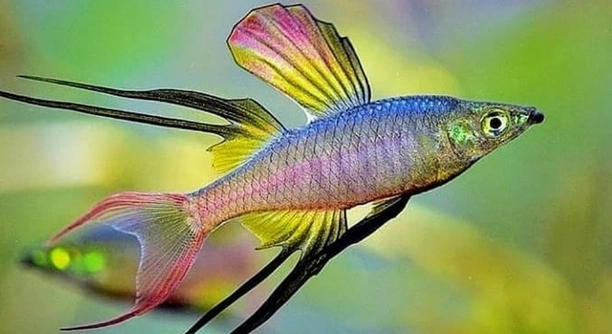
Have you ever found yourself observing your threadfin rainbowfish and wondering about their resting habits in the aquarium? These delicate fish often display unique patterns of behavior that can leave aquarists curious about their preferred spots for relaxation and sleep.
Threadfin rainbowfish do not sleep exclusively in shaded areas. Instead, they rest in calm and secure parts of their environment, whether shaded or not. Their sleeping behavior is more influenced by safety, comfort, and reduced light exposure rather than shade alone.
Understanding how threadfin rainbowfish rest can help aquarists create a more natural and supportive habitat, ensuring their overall health and well-being.
Understanding Threadfin Rainbowfish Sleeping Habits
Threadfin rainbowfish are peaceful fish that show gentle behaviors in their tanks. They are active during the day, but at night, they need calm places to rest. Unlike some fish, they do not bury themselves or hide completely when sleeping. Instead, they look for stable and secure areas within their environment. This can be near plants, along smooth rocks, or simply in still water sections of the aquarium. The main factor is that the spot feels safe and free from disturbances. While shaded spots are often chosen, it is not the only requirement for their resting time.
Shaded areas may help threadfin rainbowfish feel more comfortable, but they will also rest in open spots if they feel secure. Their main goal is to find calmness and avoid unnecessary stress while regaining energy for the next day.
Providing natural plants, smooth décor, and consistent lighting patterns allows threadfin rainbowfish to form healthier resting routines. It also reduces stress and supports their long-term wellness. Observing their choices in resting spots can also help aquarists notice small details about their comfort levels. Fish that avoid resting or appear restless might be signaling stress, poor water conditions, or improper lighting, making these behaviors important to track carefully.
Factors That Influence Their Resting Spots
The resting spots chosen by threadfin rainbowfish often depend on light levels, tank mates, and overall water conditions. They prefer calm spaces where they feel safe, whether shaded or exposed.
Light plays a significant role in how these fish rest. Too much brightness can make them uneasy, while dim and stable lighting helps them feel secure. Tank mates also have an influence. Aggressive or overly active fish can prevent threadfin rainbowfish from resting comfortably, pushing them to quieter corners of the tank. The layout of the aquarium further shapes their choices. Providing plants, smooth rocks, and small hiding spots gives them options to rest in shaded or open spaces. Stable water quality is also essential, as poor conditions can cause stress and disrupt natural behavior. By creating a balanced tank with calm companions, healthy water, and thoughtful decoration, aquarists encourage threadfin rainbowfish to rest more naturally and stay healthy overall.
Creating the Right Environment
A stable and natural environment encourages threadfin rainbowfish to rest properly. They respond well to aquariums that mimic their natural habitat with calm water flow, plants, and areas that provide both shade and open space for balance.
Plants are especially helpful in supporting healthy rest. Live plants not only create shaded areas but also give fish a sense of safety and calmness. They also improve water quality, which is essential for reducing stress. Threadfin rainbowfish often settle among plant leaves, where the light feels softer. Adding floating plants is another way to give them gentle shade. Careful placement of plants, paired with smooth decorations like driftwood or stones, ensures they have both protection and visibility. This creates a tank that allows them to choose their most comfortable resting spots naturally.
Consistency in lighting also plays a large role. These fish thrive when day and night cycles are predictable. A regular light schedule helps them develop a rhythm, making it easier to rest during darker hours. Without this balance, they may become restless or stressed. Limiting sudden changes in brightness helps keep them calm. Using timers on aquarium lights can create stability, reducing stress and supporting long-term health. This makes resting patterns easier to observe and maintain.
Observing Resting Behavior
Watching threadfin rainbowfish during their resting times can provide helpful insight. Their choice of spots, body position, and activity level all reflect their comfort. A relaxed fish will appear calm, with slow fin movement and a steady posture near plants or smooth surfaces.
If rainbowfish struggle to rest, it may indicate issues in the aquarium. Stress from aggressive tank mates, unstable water conditions, or too much lighting can all disrupt their behavior. Consistent observation helps identify these problems early. By noting changes in resting spots or unusual movements, aquarists can adjust the environment to improve comfort. Over time, this leads to healthier, more balanced fish.
Common Misconceptions
Many believe threadfin rainbowfish only sleep in shaded areas, but this is not accurate. While they often choose dim spots, they also rest comfortably in open spaces if conditions feel calm, stable, and free from disturbances.
Another misconception is that they need complete darkness to rest. In reality, they adjust to gentle lighting changes and can still rest under soft illumination. What matters more is the overall sense of safety and balance in their environment.
Supporting Healthy Rest
Supporting healthy rest for threadfin rainbowfish requires attention to their physical surroundings and overall tank care. Plants, driftwood, and floating leaves provide safe spaces, while proper lighting cycles help establish natural rhythms. Balanced water parameters also play a large role, since poor quality increases stress. Calm tank mates further reduce disturbances, letting rainbowfish rest without constant movement around them. Observing their choices over time ensures aquarists adjust conditions as needed. A healthy environment leads to consistent resting habits, less stress, and stronger immunity, allowing these delicate fish to thrive with ease.
Final Notes on Behavior
Threadfin rainbowfish thrive when their need for calm, balance, and gentle care is respected. Observing and adjusting their environment ensures their resting habits remain natural and healthy.
FAQ
Do threadfin rainbowfish need total darkness to sleep?
No, threadfin rainbowfish do not require complete darkness to rest. They are more concerned with feeling safe and calm. Gentle or dim lighting is usually sufficient. They often choose areas with soft light or partial shade, but complete darkness is not necessary as long as their environment is stable and stress-free.
How can I tell if my rainbowfish is resting properly?
A resting threadfin rainbowfish will move slowly or stay nearly still. Fins may flutter slightly, and they often settle near plants or smooth surfaces. If they are darting around, hiding constantly, or showing unusual fin or body movements, it may indicate stress, poor water quality, or disturbances in the tank. Regular observation helps track normal behavior patterns.
Should I rearrange the tank for better sleeping spots?
Rearranging the tank can help if current resting areas are insufficient or stressful. Adding plants, driftwood, or floating leaves creates both shaded and calm open spaces. However, avoid frequent or sudden changes, as threadfin rainbowfish prefer stability. Gradual adjustments ensure they adapt without added stress.
Do they prefer shade over open water?
Shade is often chosen for comfort, but open water can also be suitable if conditions feel safe. The key factor is calmness, not just the presence of shade. Providing a mix of plants, decorations, and open areas gives fish the freedom to choose their preferred resting spots.
Can tank mates affect resting behavior?
Yes, aggressive or highly active tank mates can prevent threadfin rainbowfish from resting comfortably. Peaceful companions encourage relaxed behavior and better sleep. If rest is frequently disrupted, consider separating more active or territorial species to maintain a calm environment for your rainbowfish.
How important is water quality for resting?
Water quality is crucial. Poor parameters, such as high ammonia, nitrite, or fluctuating temperatures, increase stress and disrupt rest. Maintaining stable pH, temperature, and regular water changes supports natural resting behavior. Healthy water encourages calmness, energy restoration, and long-term fish health.
Do threadfin rainbowfish have a preferred resting time?
They are diurnal, so they are most active during the day and rest at night. Following consistent lighting cycles helps regulate their internal rhythm. Irregular schedules or sudden light changes may disturb their rest and lead to stress, impacting overall health and activity patterns.
Can stress change where they rest?
Yes, stressed fish may avoid usual resting spots or hide more frequently. Stress can result from aggressive tank mates, poor water conditions, or sudden changes in the environment. Providing calm, secure areas and monitoring for stress signs helps maintain natural resting behavior.
Do floating plants help them rest?
Floating plants create gentle shade and a sense of security, making them useful for supporting resting behavior. They diffuse light and provide soft cover while allowing visibility. Combined with other tank decorations, they improve comfort and reduce stress, supporting healthier sleep patterns.
How often should I observe their resting habits?
Daily observation helps notice changes in behavior or stress signs. Watching their preferred spots, movements, and interactions with tank mates ensures adjustments can be made promptly. Consistent observation promotes healthier fish, more predictable resting patterns, and overall improved aquarium care.
Do all threadfin rainbowfish behave the same?
Individual behavior varies. Some may prefer more shaded areas, while others choose open spaces. Differences in personality, age, and previous experiences can influence resting habits. Providing diverse resting options ensures all fish find suitable spots and maintain natural sleep routines.
Can improper lighting harm them?
Yes, overly bright or inconsistent lighting can increase stress and disrupt resting habits. Gradual lighting changes and a predictable day-night cycle support natural behavior. Using timers and diffusers helps maintain stability, allowing rainbowfish to rest comfortably without sudden disturbances.
Is it normal for them to change resting spots?
Yes, changing resting spots is normal. Fish may explore new areas for comfort or adjust to environmental changes. Seasonal growth of plants or rearrangement of tank décor may also influence choices. As long as fish remain calm and healthy, these changes are natural behavior.
Do young fish rest differently than adults?
Juvenile threadfin rainbowfish may be more active and explore more before resting. Adults tend to select consistent spots and have more predictable routines. Ensuring both young and adult fish have safe areas supports healthy development and reduces stress throughout all life stages.
How long do they typically rest each night?
Rest duration varies, but most threadfin rainbowfish rest for the majority of nighttime hours. They wake gradually with lighting changes and activity in the tank. A stable environment with calm lighting encourages uninterrupted rest and helps maintain energy levels for daytime activity.
Can diet affect resting behavior?
Yes, diet influences energy levels and overall health, indirectly affecting rest. Overfeeding may cause restlessness, while insufficient nutrition can lead to fatigue or weak immune response. Providing a balanced diet ensures fish remain active during the day and rest properly at night.
Are there signs of poor sleep in rainbowfish?
Signs include excessive hiding, constant movement, clamped fins, or lethargy during the day. Poor sleep may indicate stress, poor water conditions, or overcrowding. Addressing environmental factors promptly helps restore healthy resting habits and supports overall well-being.
Does tank size impact resting behavior?
Tank size affects space availability and comfort. Smaller or overcrowded tanks can create stress and limit safe resting areas. Providing ample space, hiding spots, and shaded zones ensures threadfin rainbowfish can rest naturally and maintain healthy behavior patterns.
Can temperature fluctuations disturb rest?
Yes, sudden changes in temperature can stress fish and interrupt resting patterns. Maintaining a consistent, appropriate temperature range is essential for healthy sleep and general well-being. Stable conditions promote calmness and allow threadfin rainbowfish to establish reliable resting routines.
Are there specific decorations that help them feel secure?
Smooth rocks, driftwood, live plants, and floating leaves create both shaded and open areas for resting. These elements provide security while allowing visibility. Avoid sharp or rough decorations that could injure fish. Thoughtful décor helps them rest comfortably and reduces stress throughout the day and night.
How do I know if my fish prefer shade or open areas?
Observe their behavior over time. Fish that consistently rest among plants or under floating leaves may prefer shade, while others settle in open spots with calm water. Providing a variety of options ensures all individuals can choose their preferred resting environment naturally.
Do older fish change their resting preferences?
Yes, older fish may select calmer or more sheltered areas than when they were younger. Age can affect activity levels, energy needs, and comfort preferences. Monitoring changes ensures their environment continues to meet their needs for healthy rest.
What role does tank cleanliness play?
Clean water is crucial for reducing stress and supporting healthy rest. Accumulated waste or poor filtration can disrupt behavior, leading to restless fish or avoidance of usual resting spots. Regular maintenance ensures a calm, safe environment conducive to proper sleep.
Can night-time disturbances impact their health?
Yes, frequent disturbances during resting periods increase stress and weaken the immune system. Minimizing sudden movements, loud noises, or lighting changes at night helps threadfin rainbowfish maintain healthy resting routines and overall well-being.
Is it necessary to provide multiple resting spots?
Yes, multiple resting spots allow fish to choose the area that feels safest at any given time. This flexibility reduces stress, supports natural behavior, and accommodates different personalities within the tank, ensuring a healthier and more balanced aquarium environment.
How long should I wait before changing the tank layout for resting needs?
Give fish time to adapt to their current environment before making changes. Sudden or frequent rearrangements can increase stress. Gradual additions of plants or décor over several days allow fish to explore new resting options safely without disrupting established routines.
Do light-colored tanks affect resting habits?
Bright or reflective tank walls can increase perceived light levels, which may make fish feel exposed. Adding darker backgrounds, plants, or shaded decorations helps create a sense of security, encouraging relaxed resting behavior and more natural sleep patterns.
Can stress from new additions disrupt rest?
Yes, introducing new fish can temporarily alter resting behavior. Threadfin rainbowfish may hide or move frequently until they acclimate. Providing additional hiding spots and maintaining stable conditions helps them adjust and return to normal resting habits quickly.
Are there signs that a resting area is uncomfortable?
Signs include avoidance, frequent relocation, or heightened alertness in a spot. Fish may prefer other areas with more cover or calmer water. Observing these behaviors allows adjustments, such as adding plants or smoothing décor, to improve comfort and reduce stress.
How do I encourage healthy rest without changing the tank?
Focus on stable lighting cycles, balanced water parameters, and calm tank mates. Providing consistent feeding routines and observing behavior ensures fish have a predictable, secure environment. Subtle adjustments like floating plants or repositioned driftwood can enhance comfort without a full layout change.
Does overcrowding affect resting behavior?
Overcrowding limits safe resting spots and increases stress, making fish restless. Ensuring sufficient space and hiding areas for each individual supports calm behavior and proper rest. Reducing overcrowding helps maintain natural patterns, reduces conflict, and promotes overall aquarium health.
How long do disturbances impact resting habits?
Short-term disturbances may cause temporary relocation, while repeated disruptions can lead to long-term stress. Minimizing nighttime activity, keeping lights consistent, and reducing aggressive interactions helps restore normal resting patterns and maintain health.
Are some fish naturally more restless at night?
Yes, individual differences exist. Some threadfin rainbowfish may explore or shift resting spots more frequently. As long as they remain generally calm and healthy, this behavior is normal. Providing varied resting options accommodates these natural differences.
Can resting behavior indicate overall health?
Yes, consistent resting habits reflect comfort, safety, and good water quality. Changes in behavior, unusual hiding, or frequent movement during rest periods can signal stress, illness, or environmental issues that require attention for the well-being of the fish.
Do decorations near the surface help or hinder rest?
Floating plants or surface décor can provide soft shade and a sense of security. They reduce light intensity without blocking movement and allow fish to rest comfortably while maintaining visibility. Proper placement enhances resting options without creating stress.
Should I separate fish that disturb resting rainbowfish?
Yes, separating aggressive or highly active fish can protect calmer threadfin rainbowfish. Reducing disturbances supports natural resting behavior, lowers stress, and improves overall health. Observing interactions helps identify which fish may need separation to maintain a peaceful environment.
Can seasonal changes affect resting habits?
Yes, changes in daylight or temperature can influence activity and resting behavior. Adjusting artificial lighting cycles and maintaining stable water parameters helps maintain consistent resting routines throughout the year, minimizing stress from seasonal shifts.
How do I know if resting changes are normal or problematic?
Monitor behavior over time. Occasional shifts in resting spots are normal, but persistent hiding, restlessness, or avoidance of usual areas may indicate stress, poor water quality, or environmental issues. Prompt observation and adjustments ensure continued health and comfort.
Are some areas of the tank more preferred naturally?
Yes, areas with moderate shelter, calm water, and soft lighting are often preferred. Fish may rotate spots based on comfort, safety, or tank conditions. Providing a variety of these areas supports natural behavior and healthy resting habits.
Can multiple fish sleep together?
Threadfin rainbowfish may rest near each other in calm, safe zones. Social rest can occur, but overcrowding or aggressive interactions reduce comfort. Providing enough space and hiding spots ensures both solitary and group resting behaviors are supported naturally.
Does resting behavior change with tank maturity?
Yes, as plants grow and decorations settle, fish may shift preferred spots. Tank stability improves comfort, while maturing vegetation provides additional shade and security. Monitoring behavior ensures they continue to have suitable resting areas as the tank develops.
How often should I adjust resting areas?
Adjust only when necessary for comfort, security, or new additions. Frequent changes can increase stress. Gradual and minimal adjustments allow fish to explore new areas safely while maintaining natural resting behavior and long-term well-being.
Are floating plants better than rooted plants for shade?
Floating plants diffuse light more effectively and create soft shade without crowding space. Rooted plants offer shelter near the substrate. Combining both types gives fish diverse options to choose areas that meet their comfort and resting needs naturally.
Do rainbowfish prefer the bottom, middle, or top for rest?
They typically rest in the middle or near plant clusters. Bottom areas are less frequently used unless covered by plants or driftwood. The preference depends on security, calm water, and comfort rather than a strict depth requirement.
Can poor diet affect resting patterns long-term?
Yes, insufficient nutrition or low-quality food may cause lethargy, stress, or erratic resting behavior. Consistent, balanced feeding ensures energy levels are maintained, supporting healthy sleep routines and overall fish health.
How do I know if lighting is optimal for rest?
Observe resting behavior. Fish that settle calmly with minimal movement during dim or gentle light indicate suitable conditions. Restless behavior or frequent spot changes may suggest lighting is too bright or inconsistent.
Do decorations need to be adjusted for different fish sizes?
Yes, larger fish need more open space and appropriately sized hiding areas. Small decorations may not provide sufficient security. Adjusting décor to match fish size ensures they can rest comfortably and maintain healthy behavior patterns.
Are there signs that resting areas are unsafe?
Frequent avoidance, darting, or prolonged hiding indicates areas are perceived as unsafe. Factors can include poor water flow, bright light, or aggressive tank mates. Addressing these issues ensures fish feel secure and can rest naturally.
Can stress from water changes disrupt sleep?
Yes, sudden or large water changes can temporarily disturb resting behavior. Performing gradual changes with temperature-matched water and minimal turbulence reduces stress and helps maintain normal sleeping routines.
Does the type of substrate affect resting?
Smooth substrates are preferred for comfort and safety. Sharp or rough substrates may discourage resting and increase stress. Soft sand or smooth gravel provides secure areas and complements plants and décor for optimal resting conditions.
Do rainbowfish adjust their resting spots during growth?
Yes, as they grow, their needs for security, space, and comfort may change. Providing multiple options and monitoring behavior ensures they continue to have suitable resting areas as they develop.
Can water flow affect resting behavior?
Strong currents may discourage rest, while gentle or minimal flow encourages calm behavior. Adjusting filtration output or creating sheltered zones with plants or décor allows rainbowfish to rest without disturbance.
Are night-time feeding habits linked to resting?
Feeding should occur during the day to align with natural activity cycles. Night-time feeding can disrupt resting behavior and increase stress. Maintaining a day-time feeding schedule supports natural rhythms and healthy sleep patterns.
Do rainbowfish respond to tank noise at night?
Yes, vibrations or sudden noises can disturb resting fish. Minimizing external disturbances and keeping equipment quiet helps maintain calm behavior and uninterrupted rest throughout nighttime hours.
Can stress from overcrowding be mitigated?
Providing additional hiding spots, shade, and calm tank mates helps reduce stress in crowded tanks. While space is the main factor, environmental adjustments improve comfort and allow more natural resting behavior despite density.
Are certain decorations better for juvenile versus adult fish?
Juveniles benefit from dense plant cover and small hiding spots, while adults require more open areas with strategic shade. Tailoring décor for age ensures all fish have suitable resting options and reduces stress for both life stages.
How quickly do rainbowfish adapt to new resting areas?
Adaptation varies by individual and age. Some adjust within hours, while others may take days. Providing gradual changes and multiple safe options ensures comfortable transitions without stress, supporting healthy resting behavior.
Do rainbowfish prefer calm or slightly active water zones?
Calm zones are preferred for resting, though gentle movement may be tolerated. High activity areas cause stress and discourage rest. Designing sections with slow water flow near plants or décor helps fish maintain natural sleep patterns comfortably.
Can poor lighting during the day affect night rest?
Yes, inconsistent daytime lighting can disrupt internal rhythms, making nighttime rest irregular. Maintaining predictable light cycles, including gradual dawn and dusk simulation, supports natural sleep patterns and overall well-being.
Is it normal for rainbowfish to change resting habits after tank maintenance?
Yes, they may explore new areas or temporarily hide
Final Thoughts
Threadfin rainbowfish are sensitive and curious creatures. Their resting habits show how comfortable and secure they feel in their environment. Observing them regularly helps you understand what they prefer and what might stress them. Simple things like plants, driftwood, or floating leaves can make a big difference. These fish often choose spots that feel safe and calm, so providing a variety of options is important. Over time, you will notice patterns in their behavior, which can guide how you arrange the tank. Paying attention to their resting preferences not only helps them stay healthy but also makes the aquarium more enjoyable to watch.
Water quality and lighting are key factors that affect how well threadfin rainbowfish rest. Stable temperature, proper filtration, and clean water reduce stress and encourage natural behavior. Sudden changes in light or temperature can disrupt their rest and make them more nervous. A consistent day-night cycle helps them adjust and maintain normal activity levels. Overcrowding or aggressive tank mates can also disturb resting patterns. Ensuring peaceful companions and enough space gives them the freedom to choose the areas where they feel most comfortable. Observing their behavior after changes or introductions of new fish can help you identify whether the environment is supportive of healthy rest.
Resting areas should feel safe and offer options for all life stages. Young fish may explore more and need denser plant cover, while adults prefer stable, calm spots. Adjusting decorations gradually rather than frequently prevents stress. Floating plants, smooth rocks, and driftwood provide shade and shelter, making resting more secure. Even small details like the type of substrate or gentle water flow affect comfort. By creating a stable, predictable environment with multiple resting spots and calm water zones, you allow threadfin rainbowfish to rest naturally. Over time, these thoughtful measures support their well-being, reduce stress, and encourage natural behavior patterns that make your aquarium a thriving and harmonious space.

Hello,
If you enjoy the content that we create, please consider saying a "Thank You!" by leaving a tip.
Every little bit helps us continue crafting quality advice that supports the health, happiness, and well-being of pets around the world, for pets of all shapes, sizes, and species.
We really appreciate the kindness and support that you show us!