
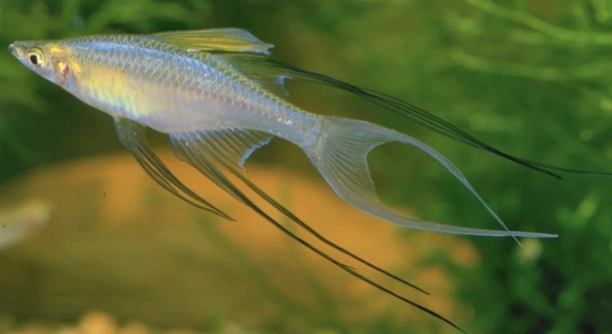
Have you ever admired the colorful display of threadfin rainbowfish but wished you could enhance their beauty with the right tank companions?
The best way to highlight threadfin rainbowfish displays is by pairing them with quiet, non-aggressive species. These fish enhance visual harmony without overshadowing the delicate fins and colors of the rainbowfish, creating a balanced, peaceful aquatic environment.
Adding the right companions ensures your aquarium becomes more than just a display, offering both beauty and calmness with every glance.
Ember Tetras
Ember tetras are one of the most peaceful choices to pair with threadfin rainbowfish. Their tiny size, bright orange glow, and calm temperament allow them to blend effortlessly into a shared aquarium. Unlike larger or more active species, ember tetras do not draw excessive attention to themselves. Instead, their subtle movements and delicate colors create a beautiful contrast to the rainbowfish’s shimmering fins. These fish also thrive in groups, adding gentle motion without overwhelming the environment. Their easygoing nature ensures they will not stress threadfins, making them ideal for maintaining a calm and balanced display in your aquarium.
Ember tetras also prefer planted tanks, which align well with the preferred setup for threadfins. Both species appreciate similar water conditions, making them a natural match in any carefully maintained aquarium.
When combined with threadfin rainbowfish, ember tetras enhance the aesthetic appeal of the tank without demanding the spotlight. Their schooling behavior adds fluid movement, while their quiet demeanor ensures rainbowfish remain the centerpiece. With their compatible temperament and shared requirements, they create harmony in the aquarium. Watching ember tetras school calmly beside threadfins brings a sense of relaxation, where every color and movement contributes to a peaceful aquatic scene worth appreciating daily.
Pygmy Corydoras
Pygmy corydoras are bottom dwellers, which means they do not compete with threadfin rainbowfish for space or attention. Their gentle behavior helps maintain balance in the aquarium.
These small catfish bring life to the lower parts of the tank while remaining unobtrusive to rainbowfish displays. Their silvery bodies, spotted with subtle patterns, add a soft shimmer that complements the vibrant fins above. Because they are peaceful scavengers, pygmy corydoras help keep the substrate cleaner by consuming leftover food. This quiet role makes them practical as well as visually appealing. Threadfins remain undisturbed since pygmy corydoras rarely interact with mid or upper-water swimmers. A group of these catfish can create a playful yet understated presence on the bottom, while rainbowfish shine freely in the middle. Their compatibility comes from shared water requirements and non-aggressive natures. Together, they create an aquarium with multiple layers of beauty and activity, all in harmony.
Harlequin Rasboras
Harlequin rasboras are calm schooling fish that move gracefully in groups. Their shimmering orange-pink bodies with dark triangular markings provide subtle contrast, enhancing threadfin rainbowfish without overpowering them. Their peaceful behavior makes them reliable companions in a shared aquarium.
Keeping harlequin rasboras in groups of at least six helps bring out their natural behavior. Their synchronized swimming patterns add gentle rhythm to the tank, balancing perfectly with the flowing fins of threadfins. They prefer soft, slightly acidic water, which aligns well with rainbowfish requirements. By remaining non-aggressive, they allow threadfins to remain the focus of the display. Their vibrant yet not overwhelming coloration complements rainbowfish hues, creating an appealing mix of movement and light. With proper care, harlequin rasboras become an understated but important presence in maintaining a calm, visually striking tank environment.
Harlequin rasboras are also adaptable to planted tanks, where their shimmering colors reflect beautifully among greenery. Their compatibility ensures both species can thrive together, free from stress. Watching their calm schooling against the elegant displays of threadfin rainbowfish creates a balanced aquarium scene. This pairing not only preserves the focus on rainbowfish but also enriches the display with additional life and grace.
Celestial Pearl Danios
Celestial pearl danios are known for their spotted, galaxy-like appearance that adds beauty without creating distraction. Their tiny size and calm schooling nature allow them to move subtly, letting threadfin rainbowfish remain the true centerpiece of the aquarium display.
Their bodies shimmer with pearly spots and reddish fins, creating a gentle contrast that suits planted aquariums. They are best kept in small groups, where their movements bring quiet activity to the middle and lower sections of the tank. Celestial pearl danios thrive in similar water conditions to threadfins, making them compatible tank mates. They do not compete for attention or cause stress, allowing rainbowfish displays to shine. Their modest behavior and striking yet delicate patterns provide elegance that complements the flowing fins of threadfins, creating an aquarium that feels balanced, peaceful, and visually appealing for both fish and viewer alike.
Neon Tetras
Neon tetras bring a touch of color without overwhelming threadfin rainbowfish. Their glowing blue and red stripes add brightness, while their calm schooling nature allows threadfins to remain the centerpiece of the aquarium display.
These tetras thrive in planted tanks, where their colors shimmer beautifully. Their peaceful behavior ensures no stress for threadfins, making them an ideal match.
Otocinclus Catfish
Otocinclus catfish are excellent additions because they help maintain tank cleanliness without disturbing other fish. Their algae-eating habits keep surfaces clear, while their small size and calm behavior ensure they stay unobtrusive around delicate threadfin rainbowfish. They thrive in groups, working quietly to support both beauty and balance in the aquarium.
Chili Rasboras
Chili rasboras are tiny, red-hued fish that complement threadfins without taking away attention. Their gentle swimming patterns and subtle presence create harmony, letting threadfin rainbowfish continue to display their full beauty without distraction or stress.
FAQ
What tank size is best for threadfin rainbowfish and their companions?
A minimum 30-gallon tank is recommended for a small group of threadfin rainbowfish and compatible companions. Larger tanks offer more swimming space, reduce territorial behavior, and make it easier to maintain stable water conditions for all species. Schools of smaller companions, like ember tetras or celestial pearl danios, benefit from extra space to move freely, creating a natural and calm environment that enhances the display of the rainbowfish.
How many tank mates should I keep with threadfin rainbowfish?
For optimal harmony, keep six to eight threadfin rainbowfish together. Tank mates should also be kept in small groups of at least five or six, depending on species. This encourages natural schooling behavior, reduces stress, and prevents any single fish from becoming dominant. Combining peaceful, small-sized companions like harlequin rasboras or pygmy corydoras ensures balance while letting the rainbowfish remain the visual focus of the aquarium.
Do these companion species require special care?
Most quiet companions, including ember tetras, chili rasboras, and otocinclus catfish, are relatively easy to care for. They need clean water, regular feeding, and stable temperatures around 74–78°F (23–26°C). They prefer slightly acidic to neutral pH and moderate water hardness, which aligns with threadfin rainbowfish needs. A planted aquarium provides hiding spots and resting areas, supporting both comfort and natural behavior. Proper care ensures long-term health and enhances the overall aesthetic harmony of the tank.
Will these species compete with threadfin rainbowfish for food?
No, most quiet species occupy different zones of the tank. Threadfin rainbowfish swim mid-level, while pygmy corydoras and otocinclus stay near the bottom, consuming leftovers or algae. Ember tetras and rasboras swim in mid to upper levels but feed calmly without aggressively challenging the rainbowfish. Feeding multiple areas in the tank ensures all fish receive adequate nutrition, preventing stress or aggression.
Can I mix more than three companion species?
Yes, mixing three to four peaceful species can enhance visual appeal without creating stress. Ensure all species have compatible water requirements and temperaments. Avoid adding overly active or aggressive fish, as they can disturb the calm balance. Keep population density reasonable to maintain water quality and reduce territorial disputes, ensuring that the rainbowfish display remains the centerpiece.
How do I encourage schooling behavior in companions?
Keep species in small groups, as schooling behavior is natural and reduces stress. Providing open swimming space, gentle water flow, and hiding spots encourages fish to move together. Consistent feeding and proper lighting also support natural rhythms. Observing these patterns adds visual interest without distracting from the graceful movement of threadfin rainbowfish.
Are planted tanks necessary for these combinations?
Planted tanks are highly recommended. They provide hiding spots for smaller companions and reduce stress for shy species. Plants also improve water quality and mimic natural habitats, enhancing both the health and appearance of rainbowfish and their tank mates. Plants like Java moss, Anubias, and small stem plants complement movement and color, creating a balanced and lively display.
How do I maintain water quality for mixed species?
Regular water changes of 20–25% weekly, efficient filtration, and monitoring pH and temperature are essential. Avoid overcrowding, feed moderately, and remove uneaten food promptly. By keeping conditions stable, all species remain healthy, quiet, and visually vibrant. Healthy water ensures peaceful coexistence and maintains the vivid appearance of threadfin rainbowfish displays.
What should I do if one species shows stress?
Observe the behavior and check water parameters first. Stress signs include hiding, loss of color, or erratic swimming. Adjust tank conditions, provide more hiding spots, or reduce the number of companions if needed. Ensuring compatibility and adequate space keeps all fish calm and enhances the overall display, preserving harmony in the aquarium.
Can these companions breed in the same tank?
Some species, like rasboras and tetras, may breed in a community tank under proper conditions. Breeding usually does not interfere with rainbowfish if the tank is spacious and well-planted. Separating fry or providing dense plants can help protect young fish. Controlled breeding can add natural charm without disturbing the overall balance and beauty of the display.
This FAQ section covers the most common concerns about pairing quiet species with threadfin rainbowfish, ensuring a harmonious, visually appealing, and peaceful aquarium setup for both fish and caretaker enjoyment.
Threadfin rainbowfish are striking and graceful fish, and choosing the right companions can enhance their display significantly. Quiet species, such as ember tetras, pygmy corydoras, and harlequin rasboras, provide subtle color and movement without overwhelming the rainbowfish. When paired carefully, these companions contribute to a balanced and calm aquarium environment. Their gentle behavior allows threadfins to remain the visual centerpiece while adding layers of life and activity throughout the tank. Selecting species that share similar water requirements ensures compatibility and long-term health for all fish. With proper care, the combination of rainbowfish and peaceful companions creates an aquarium that is both visually appealing and easy to maintain.
Maintaining harmony in a mixed-species tank depends on thoughtful planning and regular upkeep. Space, water quality, and feeding routines are crucial factors. Each species has its own swimming patterns, and understanding these helps prevent conflict. Bottom-dwellers, like otocinclus catfish or pygmy corydoras, clean the substrate and reduce leftover food without bothering mid-level swimmers like rainbowfish. Mid- and upper-level schooling fish, such as harlequin rasboras or neon tetras, add motion and color without causing stress. Providing plants, hiding spots, and open swimming areas ensures that all fish have space to thrive. Regular water changes, proper filtration, and monitoring temperature and pH levels maintain a stable environment. Following these practices reduces stress and helps all species display their natural colors and behaviors effectively.
Creating an aquarium with threadfin rainbowfish and quiet companions is rewarding because it combines beauty with tranquility. The subtle interactions between species add depth to the tank, making it more dynamic and enjoyable to observe. Watching peaceful schooling fish glide around the colorful threadfins creates a harmonious scene that reflects careful planning and attention to detail. Every choice, from tank size to the number of companions, contributes to the overall aesthetic and health of the aquarium. Over time, these quiet species integrate seamlessly, enhancing the rainbowfish display without competing for attention. A well-planned, mixed-species tank demonstrates that simplicity and balance often produce the most striking results. Careful selection and maintenance allow these fish to thrive together, creating a long-lasting, visually pleasing, and peaceful aquatic environment that is satisfying to both the fish and the keeper.

Hello,
If you enjoy the content that we create, please consider saying a "Thank You!" by leaving a tip.
Every little bit helps us continue crafting quality advice that supports the health, happiness, and well-being of pets around the world, for pets of all shapes, sizes, and species.
We really appreciate the kindness and support that you show us!