
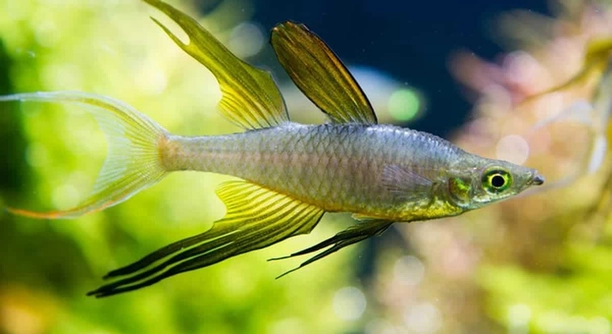
Have you ever noticed the shimmering colors of a Threadfin Rainbowfish and wondered how delicate their care might be? These small, lively fish bring beauty and motion to any home aquarium, making them popular among enthusiasts. Their vibrant scales and active swimming patterns make them stand out, yet their environment needs careful attention to thrive fully.
Threadfin Rainbowfish cannot comfortably live in an unheated room for extended periods. They require stable, warm water temperatures, generally between 24–28°C, to maintain proper metabolism, immunity, and overall health, making a heated aquarium essential for their survival.
Understanding their temperature needs can prevent health problems and ensure a thriving, colorful display in your tank. Proper care enhances both the fish’s lifespan and your enjoyment as an aquarist.
Ideal Temperature for Threadfin Rainbowfish
Threadfin Rainbowfish thrive in warm, stable waters. Their ideal temperature range is 24–28°C. Sudden drops in temperature can stress them, affecting appetite, color, and immune function. In an unheated room, temperatures often fluctuate too much, especially during colder months, which can lead to sickness or even death. Maintaining a consistent warm environment helps these fish stay active and healthy. Using a reliable heater with a thermostat ensures that the water does not fall below the recommended range. Regularly checking the water temperature is also important, as even small variations can impact their wellbeing. Besides temperature, keeping water clean and properly filtered complements their thermal needs. A tank with sufficient space and hiding spots allows them to feel secure while swimming freely. Observing their behavior daily can indicate whether the environment is suitable, such as noticing changes in color or activity levels. Proper care creates a balanced and supportive habitat for Threadfin Rainbowfish.
Heated aquariums provide the stability these fish need to thrive and display their vibrant colors consistently.
In addition to temperature, maintaining stable water chemistry is essential. Threadfin Rainbowfish prefer slightly alkaline water with moderate hardness. Regular water changes and monitoring pH and ammonia levels prevent stress. Providing a balanced diet with high-quality flakes, frozen, or live foods supports growth and coloration. Proper lighting mimics their natural environment, enhancing both activity and color. Grouping them in small schools reduces stress and encourages natural behavior. Avoid overcrowding, as it can lead to aggression and poor water quality. Decorating the tank with plants and open swimming areas gives them comfort while supporting overall health. Observing interactions and behavior helps identify potential problems early, allowing timely adjustments. Combining temperature control, water quality, diet, and tank setup ensures a thriving, colorful, and lively aquarium. The right environment encourages them to be active, healthy, and visually striking.
Signs of Stress in an Unheated Room
Threadfin Rainbowfish often show stress through clamped fins, faded colors, or reduced activity when exposed to cold temperatures. Observing these signs early is crucial for intervention.
Cold water slows metabolism, making fish lethargic and more prone to disease. In unheated rooms, fluctuations in temperature can also cause sudden stress. Immune function drops, increasing susceptibility to infections such as fin rot or fungal growth. Feeding behavior changes may occur, with fish eating less or refusing food entirely. Behavioral changes include hiding more often or erratic swimming patterns, signaling discomfort. Long-term exposure to low temperatures can shorten lifespan significantly, as their bodies struggle to maintain essential functions. Using a thermometer and adjusting heating elements promptly prevents these issues. Regular monitoring allows early detection of stress indicators, enabling timely corrections in water temperature and tank conditions. Providing proper nutrition and stable water conditions supports recovery and reduces future stress risks. Ensuring their environment mimics natural conditions as closely as possible enhances their health and longevity.
Maintaining a Stable Aquarium Environment
A stable aquarium environment is key to Threadfin Rainbowfish health. Temperature fluctuations, poor water quality, or overcrowding can quickly lead to stress, illness, and color fading. Consistent care keeps them active and thriving.
Regular water changes, ideally 25% weekly, prevent the buildup of toxins like ammonia and nitrates. Using a reliable heater with a thermostat maintains the proper temperature range of 24–28°C, while a filter ensures water circulation and clarity. Monitoring pH and hardness levels supports their overall wellbeing. Adding plants and hiding spots creates a comfortable environment, reducing stress and encouraging natural behavior. Proper feeding routines with a varied diet also reinforce health and coloration. Combining these practices creates a consistent, safe habitat for the fish to flourish.
Observing daily behavior helps catch problems early. Notice changes in activity, swimming patterns, or appetite to address issues before they escalate. Maintaining stability is more effective than frequent drastic adjustments.
Choosing the Right Tank Setup
Tank size and layout directly affect Threadfin Rainbowfish comfort and activity. A minimum of 30 gallons is recommended for small schools. Proper setup allows for swimming space and plant coverage.
Using fine substrate and live or artificial plants creates a natural feel, offering hiding places while supporting clean water. Open swimming areas allow active movement, which these fish require. Positioning decorations to avoid sharp edges prevents injuries. A reliable heater, filter, and thermometer maintain a consistent environment. Lighting should simulate daylight cycles, enhancing color and encouraging natural behavior. Avoid overcrowding to reduce aggression and stress. Regular maintenance ensures the tank remains healthy and visually appealing. Providing the right combination of space, décor, and equipment supports both wellbeing and vibrant coloration.
Proper water circulation and aeration are also essential. They help distribute heat evenly and maintain oxygen levels, preventing stagnation. Choosing the right filtration system minimizes toxins and ensures a healthy environment for the fish to thrive consistently.
Feeding Threadfin Rainbowfish
A balanced diet is essential for Threadfin Rainbowfish. High-quality flakes, frozen foods, and occasional live foods provide necessary nutrients. Feeding small amounts multiple times daily prevents overfeeding and keeps water clean.
Variety in their diet supports vibrant colors and active behavior. Avoid giving only one type of food, as it can lead to nutrient deficiencies.
Signs of Illness
Behavioral changes often indicate illness. Loss of appetite, clamped fins, or lethargy are early warning signs. Prompt attention prevents serious health issues.
Regular observation helps detect changes quickly. Maintaining clean water, stable temperature, and proper nutrition reduces the likelihood of disease and ensures long-term fish health.
Tank Mates
Threadfin Rainbowfish are peaceful and do best with other non-aggressive species. Avoid large, territorial, or fin-nipping fish.
Compatibility ensures reduced stress and safer interactions. Selecting suitable tank mates enhances schooling behavior and allows all fish to thrive in a harmonious environment.
FAQ
Can Threadfin Rainbowfish survive without a heater?
Threadfin Rainbowfish cannot reliably survive in an unheated aquarium for long periods. Their bodies are adapted to warm, stable temperatures, typically 24–28°C. Without a heater, fluctuations in room temperature, especially in colder months, can stress them, reduce immunity, and lead to illness. Even if the water seems tolerable for a short time, prolonged exposure to cooler temperatures slows their metabolism, affecting appetite and growth. Sudden cold snaps can trigger shock, which is often fatal. Using a thermostat-controlled heater ensures consistent warmth, preventing these issues and supporting healthy activity, color, and overall wellbeing.
How often should I feed my Threadfin Rainbowfish?
These fish do best with small, frequent feedings rather than one large meal. Feeding two to three times daily in amounts they can consume in a few minutes prevents overfeeding and maintains water quality. Overfeeding increases ammonia and nitrate levels, which can harm the fish and promote algae growth. A varied diet, including high-quality flakes, frozen foods like brine shrimp or bloodworms, and occasional live foods, ensures they get necessary nutrients. Observing feeding behavior helps gauge appetite and adjust portions. Avoid uneaten food remaining in the tank for too long, as it degrades water quality quickly.
What is the ideal tank size for Threadfin Rainbowfish?
A minimum of 30 gallons is recommended for small schools of Threadfin Rainbowfish. These fish are active swimmers and need open space to move freely. Crowded conditions can lead to stress, aggression, and health problems. Proper swimming space allows them to display natural behavior, including schooling, which reduces stress and encourages activity. Adding plants and hiding spots improves comfort and safety, but avoid blocking too much swimming area. Regular monitoring of water quality and temperature in this space ensures the environment remains stable and healthy, which is crucial for their long-term survival.
Can Threadfin Rainbowfish live with other fish?
Yes, but compatibility is important. Peaceful, non-aggressive species make suitable tank mates. Avoid large, territorial, or fin-nipping fish, as they can stress or injure Threadfin Rainbowfish. Schooling behavior benefits from similar-sized companions, reducing anxiety and promoting natural movement. Proper tank setup, including adequate hiding spots and swimming space, supports harmonious interactions. Observing their behavior after introducing new fish ensures early detection of stress or aggression. Gradual introductions and monitoring water quality prevent conflicts and maintain a stable environment for all tank inhabitants.
How do I know if my Threadfin Rainbowfish is stressed?
Stress in these fish can show as clamped fins, faded color, reduced activity, or hiding more often. Sudden changes in behavior, appetite loss, or erratic swimming patterns also indicate discomfort. Stress can result from temperature fluctuations, poor water quality, overcrowding, or incompatible tank mates. Monitoring daily behavior allows early intervention before health deteriorates. Addressing the cause, such as adjusting temperature, improving water quality, or providing proper hiding spots, reduces stress. A stable environment with consistent care is the most effective way to keep Threadfin Rainbowfish healthy and active.
What water conditions are best for Threadfin Rainbowfish?
Threadfin Rainbowfish thrive in slightly alkaline water with moderate hardness. Maintaining stable pH, ammonia, nitrite, and nitrate levels is essential for health. Regular water changes, about 25% weekly, prevent toxins from accumulating. Clean, well-filtered water supports active swimming and vibrant coloration. Consistent temperature control complements water quality, reducing stress and promoting longevity. Adding live plants can help maintain balance and provide hiding spots. Observing fish behavior and water test results allows adjustments as needed to create a stable and supportive environment for Threadfin Rainbowfish.
How long do Threadfin Rainbowfish live?
With proper care, they can live up to five years. Lifespan depends heavily on stable temperature, clean water, proper nutrition, and stress-free conditions. Inconsistent care, cold temperatures, or poor water quality significantly shortens life expectancy. Providing a well-maintained environment, compatible tank mates, and a varied diet supports healthy growth, color, and longevity. Monitoring behavior, appetite, and overall health allows early problem detection, ensuring these fish reach their full lifespan potential. Regular maintenance and observation are key to keeping Threadfin Rainbowfish vibrant and thriving.
Can Threadfin Rainbowfish breed in a home aquarium?
Yes, breeding is possible under proper conditions. They need slightly alkaline water, stable warm temperatures, and a spacious tank with plants for spawning. Pairing a healthy male and female in a school setting encourages natural mating behavior. Eggs are usually scattered among plants or fine-leaved décor, and parents may eat some of the eggs if not separated. Providing high-quality food and optimal water conditions increases success rates. Careful monitoring of temperature, water quality, and behavior during breeding ensures both adult fish and fry remain healthy.
How important is lighting for Threadfin Rainbowfish?
Lighting affects both activity and coloration. Moderate, consistent light mimics natural daylight cycles, encouraging natural swimming patterns and vibrant colors. Too much or too little light can stress fish and encourage algae growth. Positioning lights to provide areas of shade and open swimming space allows them to feel safe while remaining active. Combining proper lighting with temperature control, clean water, and a suitable diet ensures a healthy and visually striking aquarium. Observing behavior under different lighting conditions helps determine the optimal setup for these fish.
Are there common mistakes to avoid with Threadfin Rainbowfish?
Common mistakes include keeping them in unheated rooms, overfeeding, overcrowding, using aggressive tank mates, and neglecting water quality. Ignoring temperature requirements is particularly harmful, as cold stress quickly affects health. Regular maintenance, appropriate feeding, and compatible tank mates prevent most issues. Ensuring proper equipment, monitoring water parameters, and providing adequate space supports their natural behavior and longevity. Avoiding these errors helps maintain vibrant, active, and healthy Threadfin Rainbowfish over time.
How often should I monitor their tank conditions?
Daily observation of temperature, fish behavior, and equipment function is recommended. Weekly water testing for pH, ammonia, nitrites, and nitrates ensures stability. Prompt attention to any deviations prevents stress and disease. Consistent monitoring maintains a healthy, thriving aquarium environment.
Final Thoughts
Threadfin Rainbowfish are beautiful and lively fish that require careful attention to thrive. They are not suited for unheated rooms because stable, warm water is essential for their health. Without proper temperature control, their metabolism slows, their immune system weakens, and their activity and coloration decline. Maintaining a consistent temperature of 24–28°C helps them stay active, healthy, and colorful. A reliable heater with a thermostat is the best way to achieve this, especially in homes where room temperatures fluctuate. Alongside heating, regular monitoring of water quality, including pH, ammonia, nitrite, and nitrate levels, is important to ensure a safe environment. Clean water, combined with adequate filtration and aeration, supports their overall wellbeing and prevents common health issues.
In addition to water conditions, diet and tank setup play major roles in keeping Threadfin Rainbowfish healthy. A varied diet of high-quality flakes, frozen foods, and occasional live foods provides necessary nutrients and supports vibrant coloration. Feeding small amounts multiple times a day prevents overfeeding and helps maintain water quality. Tank size should provide enough open swimming space, with a minimum of 30 gallons recommended for a small school. Plants, decorations, and hiding spots offer comfort and reduce stress, but it is important not to overcrowd the tank. Proper lighting that simulates natural daylight encourages natural behavior and highlights the fish’s colors. Choosing peaceful, compatible tank mates further reduces stress and supports harmonious interactions. Observing behavior daily allows for early detection of stress, illness, or other problems, so adjustments can be made promptly.
Caring for Threadfin Rainbowfish requires consistent attention and a commitment to creating a stable, healthy environment. While they are not extremely difficult to care for, skipping important factors such as heating, proper diet, or clean water can quickly lead to problems. Maintaining a balanced and supportive habitat ensures not only their survival but also their long-term health, activity, and vibrancy. By providing the right tank conditions, feeding routines, and compatible companions, these fish can thrive and display their natural beauty. Careful observation, regular maintenance, and attention to details create an aquarium that supports a healthy and lively community, making it rewarding to watch Threadfin Rainbowfish flourish over time.

Hello,
If you enjoy the content that we create, please consider saying a "Thank You!" by leaving a tip.
Every little bit helps us continue crafting quality advice that supports the health, happiness, and well-being of pets around the world, for pets of all shapes, sizes, and species.
We really appreciate the kindness and support that you show us!