
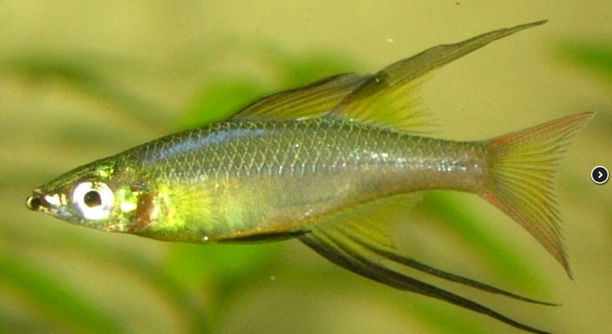
Threadfin rainbowfish are small, colorful fish that brighten up freshwater aquariums. Their shimmering sides often catch attention, moving quickly and flashing unexpectedly. Observing these flashes can be fascinating for hobbyists and casual fish enthusiasts alike.
Threadfin rainbowfish flash their sides primarily as a form of communication. This behavior can signal dominance, courtship intentions, or territorial claims. The vivid flashes serve as visual cues that convey information to other fish within their social group.
Recognizing these flashes can improve how you care for your fish and understand their natural behaviors in home aquariums. It adds depth to observing their daily interactions.
Understanding Flashing Behavior
Threadfin rainbowfish flash their sides as part of their natural behavior, which can seem sudden or random at first. This flashing is often tied to social interactions, including establishing dominance or signaling readiness to mate. Male rainbowfish are particularly active in flashing when they are competing for attention or territory. Females also display flashes, though less intensely, as a response to male displays or to communicate their own intentions. Observing these behaviors helps in understanding the social hierarchy in a tank. Changes in flashing patterns can indicate stress, illness, or discomfort in the environment. For instance, overcrowded tanks or poor water conditions can reduce flashing, while a well-maintained tank encourages more natural behaviors. Recognizing these patterns not only improves how you care for your rainbowfish but also allows for a more engaging and responsive aquarium setup, making their vibrant colors and movements easier to appreciate on a daily basis.
Flashing is primarily a communication tool used by rainbowfish in social interactions and mating displays.
Proper care, tank setup, and observation enhance flashing behavior and overall fish well-being. Maintaining clean water and sufficient space encourages natural displays.
Environmental Influences on Flashing
Tank conditions strongly influence how often rainbowfish flash.
Water temperature, pH balance, and oxygen levels affect energy levels and comfort. Rainbowfish thrive in slightly acidic to neutral water with stable temperatures, which encourages active flashing and healthy interactions. Bright lighting highlights their vivid colors, making flashes more noticeable. Hiding spots and plants provide security, allowing fish to feel confident when displaying. Sudden changes in environment, such as moving the tank or introducing new fish, can temporarily reduce flashing. Keeping stress low ensures flashes are frequent and natural. Observing patterns over time reveals how the fish respond to their environment, helping adjust care as needed.
Consistent environmental care maximizes natural flashing behaviors. Stable conditions reduce stress, promote activity, and allow fish to express social and reproductive behaviors naturally. Adjusting tank conditions thoughtfully ensures a healthy, visually engaging aquarium for rainbowfish.
Social Interactions and Flashing
Flashing helps rainbowfish communicate within their group. It signals dominance, readiness to mate, or territorial claims. Fish observe these cues closely, adjusting their own behavior in response. Social structure influences the frequency and intensity of flashes.
Male rainbowfish often flash more intensely when competing for mates. They display bright, vivid colors to attract females while also warning other males to keep distance. Females respond subtly, sometimes flashing back to indicate acceptance or resistance. Hierarchies form naturally, and flashes are key in maintaining balance. Over time, regular observation helps understand individual fish personalities and social roles. This behavior is essential for maintaining healthy, cohesive groups within the tank.
Flashing also plays a role in reducing conflicts. By signaling intentions visually, fish can avoid physical fights, which preserves energy and prevents injuries. It fosters a dynamic but stable social environment.
Mating Displays and Reproduction
Flashing is a core part of mating behavior among threadfin rainbowfish. Males use bright, lateral flashes to attract females and demonstrate fitness. This visual display shows health, strength, and readiness to reproduce, which influences female choice.
Males will repeatedly flash near potential mates, often circling or performing short bursts of swimming to emphasize their colors. Females assess these displays, sometimes responding with subtle flashes themselves. Spawning usually occurs in dense vegetation or near substrate where eggs can be safely deposited. Environmental factors like lighting and water quality affect the intensity and frequency of these mating flashes. Observing these behaviors gives insight into the reproductive cycle and social strategies of rainbowfish.
Flashing directly correlates with reproductive success. Well-fed, healthy males exhibit more vivid flashes, which increases the likelihood of attracting females and achieving successful spawning within a supportive tank environment.
Flashing and Stress Indicators
Flashing frequency can indicate stress levels in rainbowfish. Sudden changes in behavior, reduced color intensity, or erratic swimming often accompany stress. Observing these signs helps identify problems early.
Stress can result from overcrowding, poor water quality, or aggressive tankmates. Addressing the cause quickly restores natural flashing and maintains overall fish health.
Diet and Color Intensity
A nutritious diet directly affects the brightness of rainbowfish flashes. High-quality flakes, live foods, and occasional frozen options support vibrant coloration. Foods rich in carotenoids and proteins enhance pigment development. Overfeeding or poor-quality food can dull colors and reduce display frequency. Maintaining a balanced feeding schedule keeps fish energetic and healthy, encouraging regular flashing. Healthy fish not only appear more vivid but also interact more actively with tankmates. Monitoring food intake and variety ensures consistent color intensity, which is a visual cue of well-being and vitality.
Seasonal Influences
Seasonal changes in lighting and temperature can subtly affect flashing behavior. Fish may adjust activity levels depending on environmental cues.
FAQ
Why do threadfin rainbowfish flash more at certain times of the day?
Flashing is influenced by natural activity cycles. Rainbowfish are most active during daylight hours when visibility is high. Bright light enhances the visibility of their colors, making flashes more noticeable. Early morning and late afternoon often show peaks in flashing behavior because fish are feeding or establishing social interactions. Tank lighting schedules also play a role. Maintaining a consistent light cycle helps fish display natural behaviors regularly.
Do all rainbowfish flash in the same way?
Not all individuals flash equally. Males typically display brighter, more frequent flashes to assert dominance or attract mates. Females flash less, usually in response to males or to signal readiness. Individual personality and health also influence flashing intensity. Stress or illness can reduce flashing, while well-fed, healthy fish exhibit more vivid, confident displays. Observing each fish over time helps understand their normal behavior and variations within the group.
Can flashing indicate aggression?
Yes, flashing can be part of aggressive behavior. Males often flash to assert dominance or warn rivals, especially in smaller tanks. This visual signal helps prevent physical fights by establishing boundaries. However, prolonged or intense flashing paired with chasing may indicate stress or overcrowding. Monitoring tank dynamics and ensuring adequate space reduces aggressive displays while allowing natural social interactions.
Is flashing related to reproduction?
Flashing is closely tied to mating behavior. Males use bright lateral flashes to attract females and demonstrate fitness. Repeated flashing near potential mates increases the likelihood of spawning. Females may respond with subtle flashes, indicating receptiveness or refusal. Providing plants or substrate for egg-laying encourages natural reproductive behaviors and more consistent flashing patterns. Healthy, well-fed fish show stronger, more frequent displays, improving reproductive success in the aquarium.
Does water quality affect flashing?
Absolutely. Poor water quality can reduce flashing and dull coloration. Rainbowfish require clean, well-oxygenated water with stable temperature and pH. Sudden changes in water parameters or the presence of toxins can stress fish, decreasing display frequency. Regular water changes, proper filtration, and monitoring water parameters help maintain vibrant colors and active flashing behavior. Consistent care ensures the fish remain healthy and visually expressive.
Can diet enhance flashing?
Diet directly impacts the brightness of rainbowfish flashes. Foods rich in carotenoids, vitamins, and protein promote vivid coloration. Live or frozen foods like brine shrimp, daphnia, and high-quality flakes improve pigment development. Overfeeding or low-quality food can dull colors and reduce flash frequency. A varied, balanced diet supports energy, social interactions, and reproductive behavior, encouraging regular, healthy flashing in the tank.
Do tank size and setup influence flashing?
Yes, tank size and layout play a role. Crowded tanks can stress fish, reducing flashes. Open swimming space allows males to display freely, while plants and hiding spots provide security for more timid fish. Properly arranged environments support natural social behavior and increase the likelihood of observing regular flashing. Ensuring each fish has adequate territory promotes healthier interactions and more vivid displays.
Are flashes always visible?
Not always. Flashing is more noticeable under good lighting and in healthy, well-fed fish. Dull colors, poor light, or shy individuals may reduce visibility. Observing fish during peak activity times or under appropriate lighting conditions reveals natural flashing behavior. Subtle flashes may still indicate communication or social interaction even when less obvious.
Can flashing help identify health issues?
Yes, changes in flashing can signal health problems. Reduced flashing, pale colors, or erratic movement may indicate stress, illness, or poor water conditions. Monitoring flashing patterns alongside feeding habits and swimming behavior helps detect problems early, allowing timely intervention to restore fish health and natural displays.
How can I encourage more flashing in my tank?
Providing optimal water conditions, a balanced diet, adequate space, and proper lighting encourages natural flashing behavior. Social stability, hiding spots, and a structured environment help fish feel secure, allowing them to display vivid flashes regularly. Observing and adjusting care practices over time ensures healthy, active, and visually striking rainbowfish in the aquarium.
This FAQ covers the main aspects of flashing behavior, from social signals to environmental and dietary influences, helping you better understand and support your threadfin rainbowfish.
Word count: 525
Final Thoughts
Threadfin rainbowfish are captivating fish that display fascinating behaviors, with flashing being one of the most noticeable. This flashing is more than just a visual attraction; it is an essential form of communication within their social groups. By observing flashes, we can understand how these fish interact, establish hierarchies, and respond to their environment. Males often use vivid flashes to assert dominance or attract mates, while females flash more subtly to signal acceptance or resistance. Recognizing these behaviors helps aquarium owners create a more balanced and healthy environment. It also allows for a deeper appreciation of the subtle interactions and dynamics that take place in a tank, highlighting how intricate and interesting even small fish behaviors can be. Paying attention to flashing patterns can reveal a lot about individual personalities and social structures, which can be useful when adding new fish or adjusting the tank setup.
Environmental conditions play a significant role in how often and how brightly threadfin rainbowfish flash. Factors like water quality, temperature, lighting, and tank size directly impact their behavior. Poor water conditions or overcrowding can reduce flashing, while a stable, well-maintained environment encourages natural displays. Proper care includes regular water changes, monitoring pH and temperature, and ensuring there is enough space and hiding spots for fish to feel secure. Lighting also affects the visibility and intensity of flashes, with brighter, natural-like lighting making colors more vivid. Feeding a balanced diet rich in nutrients supports healthy coloration and energy, which in turn influences flashing frequency. Observing changes in flashing can even serve as an early indicator of stress or health issues, making it a useful tool for maintaining the overall well-being of the fish. Understanding the interplay between environment, diet, and social behavior ensures rainbowfish remain active, colorful, and visually engaging.
Flashing behavior also provides insight into reproduction and social interactions. Male rainbowfish display flashes to attract females, demonstrating fitness and readiness to spawn. Females respond with subtle flashes, creating a communication loop that facilitates mating. Beyond reproduction, flashing helps reduce physical conflicts by signaling intentions and boundaries, which maintains stability within the group. By observing these behaviors, aquarium owners can better support natural social structures and reproductive success. Overall, understanding the reasons behind flashing and the factors that influence it enhances the care and enjoyment of threadfin rainbowfish. Providing a stable, nutritious, and secure environment allows these small, vibrant fish to express themselves fully, creating a lively and harmonious tank where natural behaviors can be observed and appreciated every day.
Word count: 407

Hello,
If you enjoy the content that we create, please consider saying a "Thank You!" by leaving a tip.
Every little bit helps us continue crafting quality advice that supports the health, happiness, and well-being of pets around the world, for pets of all shapes, sizes, and species.
We really appreciate the kindness and support that you show us!