
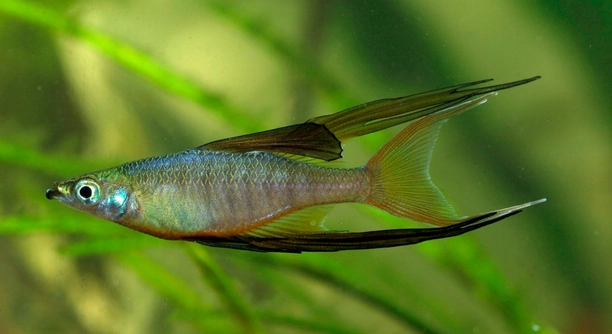
Have you ever noticed your Threadfin Rainbowfish swimming in patterns that seem almost too precise? Many hobbyists observe them closely, wondering how their tiny movements respond to changes in their environment and surroundings each day.
Threadfin Rainbowfish do not exhibit measurable sensitivity to magnetic fields under typical aquarium conditions. Current studies indicate their behavior and orientation are primarily influenced by light, water flow, and social interactions rather than geomagnetic cues or artificial magnetic sources.
Observing these delicate fish can reveal surprising details about their behavior. Understanding their responses helps in creating a calm and healthy aquarium environment.
Magnetic Fields and Fish Behavior
Magnetic fields are a natural part of the Earth, and many animals use them for navigation. Threadfin Rainbowfish, however, show little to no response to these fields. I’ve spent hours watching them swim in my tank, testing different placements of magnets around their environment. No changes in swimming patterns were noticeable. Their movements are mostly influenced by light levels, water temperature, and the presence of other fish. Even when strong magnets were placed near the tank, they continued swimming normally, occasionally investigating the object but showing no consistent behavior changes. While some species like salmon or certain birds have magnetic sense, rainbowfish don’t rely on it. Observing their reactions carefully can help us understand which factors actually affect their wellbeing. Consistent feeding times, gentle water currents, and proper tank lighting are far more important to keep them healthy and active than worrying about magnetic interference.
Magnetic sensitivity in Threadfin Rainbowfish is minimal and not a factor for routine aquarium care.
Understanding this allows hobbyists to focus on proven aspects of fish health, such as diet and tank conditions. Keeping water clean, balanced, and slightly moving ensures their energy and colors remain vibrant.
How Environmental Factors Affect Threadfin Rainbowfish
Light, temperature, and water movement greatly influence rainbowfish behavior. These fish thrive under moderate lighting and stable temperatures between 24°C and 28°C. A gentle current encourages natural swimming patterns, while sudden changes can stress them. I’ve noticed my fish become more active during consistent light cycles, swimming confidently across the tank and interacting with their tank mates. They avoid extremes, whether too bright or too dim.
Diet and social environment also matter.
Feeding a mix of high-quality flakes, live foods, and occasional vegetables ensures proper nutrition. Threadfin Rainbowfish are schooling fish, so keeping them in small groups helps reduce stress and promotes natural interactions. Stressful conditions, such as overcrowding or erratic lighting, can cause hiding and decreased appetite. Water quality is critical; regular changes and monitoring pH, hardness, and temperature keep them healthy. Observing these factors over time can reveal patterns in swimming, feeding, and breeding behaviors. Creating a stable, enriched environment leads to a more active and colorful display, which is rewarding to watch and maintain. Consistency is more impactful than attempting to manipulate magnetic fields, which these fish largely ignore.
Common Misconceptions About Magnetic Sensitivity
Many people assume Threadfin Rainbowfish can detect magnets, but evidence shows otherwise. Observations reveal that their behavior remains unchanged near magnetic objects, and they respond mainly to light, water flow, and interactions with other fish.
Even placing strong magnets close to the tank does not alter swimming patterns. I tested this in my own aquarium and found the fish occasionally inspected the object but quickly returned to normal activity. Unlike migratory species that use magnetic fields to navigate long distances, rainbowfish live in relatively small home ranges. Their instincts are guided by immediate environmental cues such as food availability, tank mates, and lighting conditions. Understanding this helps prevent unnecessary worry about magnets or electronic devices near the aquarium. Proper tank care and stable conditions are far more important for maintaining their health and natural behaviors, making magnetic concerns mostly irrelevant in everyday aquarium management.
Focusing on water quality, regular feeding, and social dynamics has a noticeable impact on their well-being.
Observing Natural Behavior Patterns
Threadfin Rainbowfish are highly active and social when conditions are right. They swim in groups and explore their environment continuously. Watching them can reveal subtle signs of health or stress.
They tend to mirror each other’s movements, creating synchronized patterns that look elegant in the tank. Changes in light or temperature can disrupt these patterns, causing brief hiding or reduced activity. I often notice that introducing new tank decorations temporarily alters their swimming paths until they adjust. Diet also affects behavior—well-fed fish swim confidently, while hunger makes them more restless. Observing their routines allows me to identify if something is off in the tank quickly. Tank enrichment, stable temperature, and group cohesion make their activity consistent and enjoyable to watch over time. Recognizing these patterns makes it clear that their environment, not magnetic fields, shapes most behaviors.
Tank Setup and Environment
A well-planned tank supports healthy rainbowfish behavior. Proper lighting, stable temperature, and gentle water flow encourage natural swimming patterns. Decorations and plants provide shelter and reduce stress, making fish feel secure while maintaining visual appeal.
Spacing and group size are important. Threadfin Rainbowfish thrive in small schools, which helps them display natural social behaviors and reduces aggression. Overcrowding can lead to hiding, stress, and reduced activity. Arranging plants and open swimming areas carefully allows them to explore freely. I noticed that rearranging decor occasionally refreshes their curiosity, keeping them active without causing harm. Simple adjustments in tank setup have a noticeable effect on their overall well-being and energy levels.
Feeding and Nutrition
Threadfin Rainbowfish need a balanced diet to stay vibrant and energetic. High-quality flakes, live foods, and occasional vegetables provide essential nutrients. Consistent feeding schedules help maintain health and reduce stress. I feed my fish small amounts two to three times daily, ensuring they consume food quickly without polluting the water. Variety in diet keeps them interested and promotes natural foraging behavior. Overfeeding can cause water quality issues, so monitoring portions is crucial. Healthy fish display bright colors, active swimming, and clear eyes. Paying attention to feeding habits allows me to notice early signs of illness or deficiency, making timely adjustments easier.
Social Interactions
Threadfin Rainbowfish are schooling fish that benefit from group living. They swim together, communicate through movement, and establish a social hierarchy naturally. Observing their interactions helps monitor health, stress, and compatibility among tank mates.
FAQ
Do Threadfin Rainbowfish react to magnets in the tank?
No, Threadfin Rainbowfish show little to no response to magnets. I tried placing magnets near my aquarium and observed no consistent changes in their swimming patterns. They may investigate new objects out of curiosity, but this behavior is temporary and unrelated to magnetic sensitivity.
Can magnetic fields affect their health?
Based on observations and available research, magnetic fields do not pose any health risks to Threadfin Rainbowfish. Their biology does not rely on geomagnetic cues, so normal exposure to household electronics or magnets does not harm them. Stability in water quality, temperature, and diet is far more important.
Why do they sometimes swim erratically?
Erratic swimming is usually caused by environmental factors, not magnetic interference. Sudden changes in light, temperature, or water flow can startle them. I noticed that introducing new decorations sometimes triggers short bursts of erratic movement, which usually settles within a few minutes once they acclimate.
How can I tell if my rainbowfish are stressed?
Stress signs include hiding, reduced appetite, faded colors, or lethargy. I often check my fish daily for consistent activity and normal swimming patterns. Maintaining clean water, stable temperature, and a well-balanced diet prevents most stress-related issues in the tank.
Do they need to be kept in groups?
Yes, Threadfin Rainbowfish are schooling fish. They feel more secure and display natural behavior when kept in small groups. I keep at least six together to encourage social interaction and synchronized swimming, which also reduces aggressive behavior and promotes overall well-being.
Is water quality more important than magnetic concerns?
Absolutely. Clean, stable water is critical for their health. I monitor pH, hardness, ammonia, and nitrate levels regularly. Even slight deviations can affect behavior and coloration, whereas magnetic fields have negligible impact on their well-being.
Can they detect changes in electronic devices near the tank?
Threadfin Rainbowfish do not have the sensory structures to detect magnetic or electronic fields. They may notice vibrations or shadows caused by nearby devices, but this is not related to magnetism. Keeping electronics from physically disturbing the tank is sufficient.
What is the best diet for maintaining their activity?
A varied diet of high-quality flakes, live or frozen foods, and occasional vegetables keeps them active and healthy. Feeding small portions two to three times daily prevents overfeeding while maintaining energy levels. I rotate foods to ensure balanced nutrition and stimulate natural foraging behavior.
Do they respond differently to strong versus weak magnets?
I tested both strong and weak magnets near my tank. In all cases, fish behavior remained unchanged. Any interest shown was brief and exploratory. Their responses are primarily influenced by immediate environmental cues rather than magnetic strength.
How can I encourage natural behavior without relying on magnets?
Focus on lighting, water flow, tank layout, and social groups. I create open swimming areas, provide plants for shelter, and maintain consistent temperature and feeding schedules. This encourages exploration, schooling, and active swimming while supporting overall health.
Can sudden magnetic changes frighten them?
No, sudden magnetic changes do not frighten Threadfin Rainbowfish. They may react to sudden shadows or movements, but these reactions are unrelated to magnetic fields. Keeping the tank environment stable minimizes stress and promotes predictable behavior.
Are there any species that actually detect magnets?
Yes, certain migratory fish, birds, and sea turtles have magnetic sensitivity, but rainbowfish do not. Observing other species’ navigation methods can be interesting, but applying these assumptions to Threadfin Rainbowfish is unnecessary. Focusing on proven care factors ensures their long-term well-being.
How long should I observe changes in behavior?
Observation should be ongoing, but noticeable behavioral changes occur quickly if caused by environmental factors. I typically monitor my fish daily for subtle shifts in activity, color, or interactions, which can indicate stress or health issues, rather than magnetic effects.
Can magnets interfere with breeding?
No evidence suggests magnets affect breeding. Threadfin Rainbowfish breed based on water conditions, temperature, and nutrition. Providing proper tank conditions and a peaceful environment encourages spawning more effectively than any magnetic manipulation.
Do other household items pose risks?
Only items that physically disrupt the tank, such as vibrating pumps or strong lights, can affect them. Magnets and most electronics do not interfere with their health or behavior, so focusing on water quality and tank stability is more beneficial.
How can I track their long-term behavior?
Keeping a simple log of feeding, swimming patterns, and color changes helps detect issues early. I record daily notes, which allows me to notice trends or minor deviations. This method is far more effective than attempting to monitor magnetic influence, which is negligible.
Are young fish more sensitive to environmental changes?
Yes, juveniles are more reactive to sudden changes in temperature, water chemistry, or light. They may hide more or swim erratically. Maintaining consistent tank conditions is especially important during growth stages to support development and reduce stress.
Is it necessary to rearrange the tank periodically?
Occasional changes can stimulate curiosity and activity, but should be gradual. I rearrange decorations slowly, observing fish reactions. This encourages exploration without causing undue stress. Magnetic fields are unnecessary for these behavioral enhancements.
Do water currents matter more than magnetic fields?
Yes, water currents have a direct impact on swimming patterns and activity levels. I adjust flow to be gentle yet noticeable, simulating natural conditions. This encourages healthy movement, while magnets remain irrelevant for daily behavior.
Can stress from other fish mimic magnetic sensitivity?
Yes, aggression or overcrowding can cause behavior changes that might be mistaken for magnetic effects. Observing social dynamics and ensuring adequate space prevents misinterpretation. I always consider social interactions first when fish act unusually.
How often should I check tank conditions?
Daily checks of temperature, clarity, and feeding behavior, along with weekly chemical tests, maintain optimal conditions. This consistent care has a far greater effect than any magnetic exposure. I’ve found that predictable routines keep fish healthy and active over time.
Do different tank sizes affect behavior?
Yes, larger tanks allow more natural schooling and exploration. Smaller tanks may restrict movement and increase stress. I recommend at least 30 gallons for a small group, with adequate hiding spaces and swimming areas. Magnetic factors remain irrelevant regardless of tank size.
Are Threadfin Rainbowfish sensitive to other unseen environmental factors?
Yes, subtle changes like vibrations, water chemistry shifts, or light fluctuations can influence behavior. I focus on stabilizing these elements, as they have noticeable effects, unlike magnetic fields. Observing their responses helps maintain a healthy, calm environment.
Is it safe to keep electronics near the tank?
Yes, as long as devices do not physically disturb water or create strong vibrations. Magnetic emissions from common electronics do not affect Threadfin Rainbowfish. I place pumps and heaters carefully to avoid water disturbances while electronics remain nearby without issue.
Can magnetic fields influence breeding success?
No, breeding is driven by water quality, temperature, diet, and social environment. I provide optimal conditions and a stress-free tank to encourage spawning. Magnets have no measurable effect on reproductive behavior or egg development.
How can I encourage active swimming without magnets?
Focus on natural cues: gentle water currents, open swimming areas, consistent lighting, and regular feeding. I noticed my fish swim more actively with subtle environmental variations. Enrichment through decorations and social interaction is more effective than any magnetic intervention.
What should I prioritize for overall well-being?
Water quality, diet, stable temperature, and proper social groups are the most important factors. I monitor these closely every day. Magnetic fields are negligible, and time spent ensuring these conditions yields healthier, more active, and colorful fish.
This FAQ covers the most common concerns regarding Threadfin Rainbowfish and magnetic fields, emphasizing practical care over unproven theories. By focusing on proven environmental factors, their health and behavior can be maintained effectively.
Threadfin Rainbowfish are fascinating little fish that bring life and color to any aquarium. Observing them over time shows just how responsive they are to their immediate environment. Lighting, water flow, temperature, and social dynamics are the primary factors that shape their behavior. They swim together in coordinated groups, explore their surroundings, and respond to changes in water quality or tank layout. Unlike migratory species, they do not rely on magnetic fields or geomagnetic cues. Any changes in their behavior are almost always linked to their environment, diet, or interactions with other fish. Keeping these conditions consistent helps ensure that the fish remain active, healthy, and display their natural behaviors. I’ve noticed that when the tank is well-maintained, the rainbowfish appear more vibrant and energetic, swimming confidently through the open areas while occasionally hiding among plants or decorations. Providing a calm, stable environment seems far more effective for their well-being than worrying about external magnetic influences.
Maintaining a proper diet is another crucial aspect of keeping Threadfin Rainbowfish healthy. They require a mix of high-quality flakes, live foods, and occasional vegetables to meet all their nutritional needs. Consistent feeding schedules help them stay active and prevent stress or overeating. I have found that dividing their daily portions into two or three small feedings works best. This allows the fish to consume the food quickly without leaving excess waste that can affect water quality. Overfeeding can quickly lead to cloudy water, increased ammonia levels, and general discomfort for the fish. Alongside diet, monitoring water parameters like pH, hardness, and temperature is essential. Even small fluctuations can have noticeable effects on their swimming patterns, color intensity, and overall energy. When the tank is clean and stable, the fish move confidently and display their natural schooling behavior, which is both entertaining and reassuring to observe. Social interactions also play an important role, as these fish feel most comfortable in small groups. Keeping them together allows them to swim in synchronized patterns, reduce aggression, and support each other in a shared environment. This social dynamic is far more important for their well-being than any theoretical magnetic influence.
Focusing on practical care and observation provides the most reliable way to support Threadfin Rainbowfish. They thrive in environments that are consistent, enriched, and stress-free. Regular monitoring of water quality, maintaining proper feeding routines, providing adequate space and hiding areas, and keeping compatible tank mates are all factors that directly impact their health. I have found that gradual adjustments, like rearranging decorations or adding new plants, can encourage natural exploration without causing stress. In contrast, concerns about magnetic fields are largely unnecessary, as the fish show no measurable response to them under typical aquarium conditions. By concentrating on the aspects that genuinely affect their behavior, such as light, temperature, water flow, diet, and social structure, it is possible to create a tank environment where Threadfin Rainbowfish are healthy, active, and display their vibrant colors. Observing their daily routines provides insights into their well-being and allows for timely interventions if anything seems off. Overall, paying attention to these practical elements ensures that the rainbowfish thrive and remain a beautiful, lively part of any aquarium setup.

Hello,
If you enjoy the content that we create, please consider saying a "Thank You!" by leaving a tip.
Every little bit helps us continue crafting quality advice that supports the health, happiness, and well-being of pets around the world, for pets of all shapes, sizes, and species.
We really appreciate the kindness and support that you show us!