
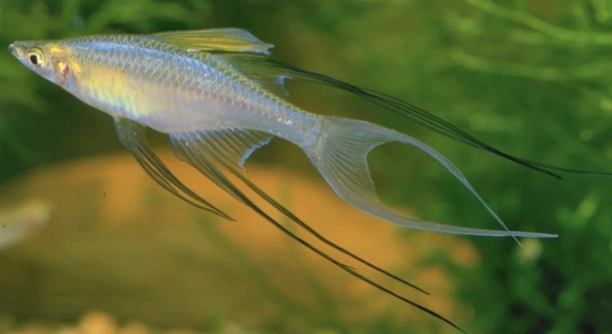
Threadfin Rainbowfish are small, colorful fish often admired for their shimmering scales and lively behavior. Many aquarists want to provide the best environment for them, paying attention to tank shape, size, and decorations to ensure their well-being.
Threadfin Rainbowfish generally thrive better in rectangular or square tanks rather than round ones. Rectangular tanks provide more swimming space, stable water conditions, and improved filtration efficiency, supporting their natural schooling behavior and overall health more effectively than circular designs.
Choosing the right tank shape can make a noticeable difference in your fish’s comfort and activity. Proper planning ensures they remain vibrant, active, and healthy in a suitable environment.
Why Tank Shape Matters for Threadfin Rainbowfish
The shape of a tank directly affects how Threadfin Rainbowfish swim, interact, and feel in their environment. These fish are naturally active and prefer open spaces where they can school freely without restriction. Rectangular or square tanks provide more horizontal swimming area, which supports their natural behavior and reduces stress. Round tanks, while visually interesting, limit swimming patterns and can create confusing currents that disturb the fish. Proper tank shape also helps maintain consistent water conditions, including temperature and oxygen levels, which are crucial for their health. Decorations, plants, and hiding spots should complement the space without overcrowding it. By carefully selecting a tank that suits their swimming style, aquarists can enhance both the fish’s physical health and mental well-being. Proper lighting and gentle filtration further improve their habitat. Observing how fish respond to the space can guide adjustments to create a comfortable and stable environment where they thrive naturally.
Choosing the right shape prevents unnecessary stress and encourages active, vibrant schooling behavior in your fish.
A well-structured tank also makes maintenance easier. Rectangular tanks allow filters, heaters, and other equipment to work efficiently, supporting stable water parameters. Fish waste is distributed more evenly, reducing hotspots of ammonia or debris. Aquascaping becomes simpler because plants and decorations can be arranged along straight edges without crowding. Round tanks may cause uneven water flow, making certain areas stagnant. Proper placement of aquatic plants, rocks, and hiding spots in a rectangular layout encourages exploration while giving fish a sense of security. Over time, a tank designed with their natural behavior in mind fosters longevity, reduces stress-related illness, and allows their full colors to develop. Careful consideration of tank shape, combined with consistent care, provides a balance between aesthetics, function, and the well-being of Threadfin Rainbowfish.
Common Tank Mistakes to Avoid
Overcrowding is a frequent problem that impacts fish health. Keeping too many fish in a small or poorly shaped tank causes stress.
Ignoring water parameters can lead to illness. Threadfin Rainbowfish require clean, stable water with regular checks on temperature, pH, and ammonia levels. Frequent water changes help maintain a safe habitat. Filtration should match tank size to ensure consistent oxygenation. Sudden shifts in conditions can weaken immunity, leading to disease. Decorations should not overcrowd swimming space, and plants should be chosen carefully to avoid aggressive species or rapid overgrowth. Lighting schedules should mimic natural conditions, and feeding should be consistent but moderate. Observing fish behavior daily can alert you to early signs of stress or illness. Proper tank maintenance is essential to prevent health issues. By addressing these factors, you ensure that your fish remain active, colorful, and resilient over time. Small adjustments in setup can create a calm, stable environment that supports long-term well-being, making fish care manageable while enhancing their natural behaviors. Regular monitoring, combined with thoughtful tank design, ensures that Threadfin Rainbowfish can thrive without unnecessary complications, making the aquarium both attractive and healthy.
Ideal Tank Size for Threadfin Rainbowfish
A tank that is too small limits swimming and can stress Threadfin Rainbowfish. A minimum of 30 gallons is recommended for a small school, with larger tanks supporting more natural movement and social interaction.
A larger tank allows these active fish to form proper schooling groups. With at least 30 gallons, there is enough horizontal swimming space for 6–8 fish, helping reduce aggression and stress. Taller tanks are less important than wider ones because Threadfin Rainbowfish are mid-level swimmers. Extra space also makes it easier to maintain stable water parameters and reduces the frequency of cleaning. Proper tank size supports growth, color development, and healthy behavior.
Spacing decorations, plants, and hiding spots evenly in a large tank prevents overcrowding. Fish can explore freely while feeling secure. This balance ensures long-term health, encouraging natural schooling patterns, active swimming, and reduced stress levels in a comfortable environment.
Filtration and Water Flow
Proper filtration ensures clean water and stable conditions for Threadfin Rainbowfish. Gentle water flow is best, as strong currents can overwhelm them.
Using a high-quality filter appropriate for the tank size keeps ammonia and nitrite levels low. Threadfin Rainbowfish prefer slow to moderate flow, so positioning intake and output carefully avoids strong currents. Regular maintenance, including cleaning filter media and partial water changes, maintains water clarity and oxygen levels. An undergravel filter or sponge filter can supplement mechanical and biological filtration without disturbing the fish. Consistent filtration also supports plant growth and keeps detritus from accumulating, creating a healthier environment overall.
A well-planned filtration system balances water movement, oxygenation, and waste removal while minimizing stress. Proper flow ensures fish can swim comfortably and interact naturally without battling currents. Maintaining equipment, monitoring water chemistry, and adjusting flow as needed promotes a stable environment that supports activity, vibrant colors, and healthy growth. Threadfin Rainbowfish thrive when water quality is consistent and stress-free. This approach allows the aquarium to function efficiently while keeping maintenance manageable and predictable.
Tank Decorations and Layout
Plants and decorations should be placed to maximize open swimming space. Avoid overcrowding with rocks or large ornaments that limit movement.
Floating plants provide shade and reduce stress while leaving room below for schooling. Hiding spots near the edges allow fish to feel secure without restricting their main swimming area.
Lighting Considerations
Moderate lighting works best for Threadfin Rainbowfish. Too bright light can stress them, while dim light limits color display. A balanced schedule mimicking natural day and night cycles encourages normal behavior and supports plant growth in the tank. Proper lighting enhances visual appeal and fish well-being.
Feeding Practices
Threadfin Rainbowfish thrive on a varied diet of high-quality flakes, pellets, and occasional live or frozen foods. Feeding small portions multiple times daily prevents overfeeding and keeps water quality stable, supporting healthy growth and vibrant coloration.
Monitoring Fish Behavior
Regularly observing fish helps identify stress or illness early. Changes in swimming, appetite, or coloration indicate issues needing prompt attention, ensuring long-term health.
FAQ
Do Threadfin Rainbowfish need a school to feel comfortable?
Yes, Threadfin Rainbowfish are naturally social and feel safer in groups. Keeping at least six fish allows them to exhibit natural schooling behavior, reduces stress, and prevents aggressive interactions. Small groups can lead to timid behavior or uneven hierarchy, impacting overall health.
Can they live in a round tank?
Round tanks are not ideal. They restrict swimming space and create confusing water currents. Rectangular or square tanks provide more horizontal space for natural schooling, better oxygen circulation, and easier maintenance, ensuring healthier and more active fish.
What is the ideal water temperature for Threadfin Rainbowfish?
These fish thrive in temperatures between 72°F and 82°F. Stable temperature is crucial; fluctuations can stress them and weaken immunity. Using a reliable heater and thermometer ensures a consistent environment, which supports feeding, activity, and overall health.
How often should water be changed?
Regular water changes are important. Replacing 20–25% of the water weekly helps maintain low nitrate levels and keeps water parameters stable. Frequent changes reduce waste accumulation and prevent algae growth, creating a cleaner, safer environment for the fish.
What kind of diet is best?
A varied diet keeps Threadfin Rainbowfish healthy. High-quality flakes or pellets form the base, while live or frozen foods like brine shrimp or daphnia add protein. Feeding small amounts 2–3 times daily prevents overfeeding and water quality issues.
Do they need special lighting?
Moderate lighting works best. Too bright lighting can stress them, while dim light may dull colors. Providing a natural day-night cycle helps regulate behavior and supports live plants, which in turn benefits the fish’s well-being.
Is tank size important for breeding?
Yes, larger tanks improve breeding success. A 30-gallon or larger tank gives enough space for multiple pairs, provides areas for laying eggs, and reduces stress. Dense vegetation or spawning mops create safe spots for eggs and fry.
Can they live with other fish?
Threadfin Rainbowfish are generally peaceful and can coexist with other non-aggressive species. Avoid overly territorial or large fish that may bully them. Suitable tankmates include small tetras, rasboras, or peaceful gouramis.
How do I recognize stress in Threadfin Rainbowfish?
Signs include erratic swimming, loss of color, hiding frequently, or refusing food. Stress can result from poor water quality, overcrowding, improper tank shape, or sudden environmental changes. Early identification allows quick intervention to prevent illness.
What is the best way to maintain water quality?
Using an appropriately sized filter, regular partial water changes, and monitoring parameters like pH, ammonia, and nitrites are key. Avoid overfeeding and overcrowding. Proper maintenance keeps fish active, healthy, and vibrant over time.
Can plants help improve their habitat?
Yes, live plants reduce stress by offering hiding spots and improving water quality through oxygenation. Floating plants can create shaded areas, and rooted plants near tank edges allow fish to explore open swimming areas freely.
Do they require special decorations?
Decorations should not limit swimming space. Rocks, driftwood, or caves can provide shelter but should be arranged to keep the center open for schooling. Overcrowding with ornaments can stress fish and disturb natural behavior.
How do I prevent disease in Threadfin Rainbowfish?
Maintaining stable water conditions, proper filtration, a balanced diet, and avoiding overcrowding helps prevent illness. Quarantining new fish before adding them to the main tank reduces the risk of introducing disease. Observing behavior daily allows early detection of health issues.
Are Threadfin Rainbowfish sensitive to water pH?
They prefer slightly acidic to neutral water, around 6.5–7.5 pH. Sudden shifts can stress them and affect feeding or coloration. Monitoring pH regularly ensures a stable, comfortable environment for long-term health.
What is the typical lifespan of Threadfin Rainbowfish?
With proper care, these fish can live 5–8 years. Stable water conditions, adequate tank size, proper diet, and a stress-free environment contribute to longevity. Observing behavior and maintaining cleanliness help maximize their lifespan naturally.
Do they require supplemental oxygen?
Usually, standard aeration and filtration provide enough oxygen. In densely stocked tanks, additional aeration can help. Ensuring water movement near the surface supports gas exchange and keeps oxygen levels consistent.
How often should I clean the tank?
Partial water changes weekly, along with cleaning decorations and substrate monthly, are sufficient. Avoid deep cleaning that removes beneficial bacteria. Maintaining balance supports both fish health and plant growth.
Can Threadfin Rainbowfish adapt to new tanks quickly?
They adapt best when changes are gradual. Sudden relocation or rapid parameter shifts can stress them. Acclimating slowly, by adjusting water temperature and chemistry over several hours, helps reduce shock and ensures smooth transition.
What are common mistakes to avoid?
Overcrowding, poor water maintenance, sudden temperature shifts, and inadequate tank space are common issues. Following proper care guidelines for tank size, water parameters, and diet ensures healthy, active, and colorful fish.
Is it important to observe fish daily?
Daily observation helps detect early signs of stress, illness, or aggression. Monitoring behavior ensures quick intervention when needed, preventing long-term health issues and maintaining a vibrant, thriving tank environment.
Final Thoughts
Threadfin Rainbowfish are lively, colorful fish that bring activity and beauty to any aquarium. Choosing the right tank shape is crucial for their health and happiness. Rectangular or square tanks are ideal because they provide more horizontal swimming space, which allows these fish to school naturally and move freely. Open areas in the tank help reduce stress and prevent aggressive behavior among the fish. Round tanks, while visually appealing, often limit swimming patterns and can create confusing water currents. Proper spacing between decorations, plants, and hiding spots ensures that fish can explore the tank comfortably while still having areas to retreat for security. This balance between open swimming areas and hiding spaces supports both mental and physical well-being, allowing Threadfin Rainbowfish to thrive in a controlled, safe environment.
Maintaining water quality and temperature stability is another key factor in caring for these fish. Threadfin Rainbowfish prefer clean, well-oxygenated water with a temperature range of 72°F to 82°F. Using a suitable filtration system helps keep ammonia, nitrite, and nitrate levels under control while maintaining a gentle flow that does not stress the fish. Regular partial water changes, careful monitoring of pH, and maintaining consistent temperature contribute to a stable and healthy environment. Feeding them a balanced diet of high-quality flakes, pellets, and occasional live or frozen foods ensures proper growth, vibrant coloration, and overall vitality. Overfeeding or allowing waste to accumulate can negatively affect water quality, so small, frequent feedings are recommended. Daily observation of fish behavior helps identify early signs of stress, illness, or aggression, making it easier to address problems before they escalate. By paying attention to these details, aquarists can maintain a thriving aquarium with active, healthy fish.
The overall success of keeping Threadfin Rainbowfish comes from understanding their natural behavior and meeting their basic needs. Tank size, shape, and layout, along with stable water parameters, proper feeding, and careful observation, all play a role in creating a comfortable environment. Providing sufficient swimming space, proper filtration, and safe hiding spots ensures that the fish can school naturally, reduce stress, and develop full coloration. Consistent care and attention allow aquarists to enjoy the beauty and activity of Threadfin Rainbowfish for years. While every aquarium is unique, focusing on these core principles makes it easier to create a balanced, healthy habitat where the fish can live comfortably and display their natural behavior. Through thoughtful planning and daily care, keeping Threadfin Rainbowfish can be a rewarding experience that combines aesthetic appeal with a thriving, active fish community.

Hello,
If you enjoy the content that we create, please consider saying a "Thank You!" by leaving a tip.
Every little bit helps us continue crafting quality advice that supports the health, happiness, and well-being of pets around the world, for pets of all shapes, sizes, and species.
We really appreciate the kindness and support that you show us!