
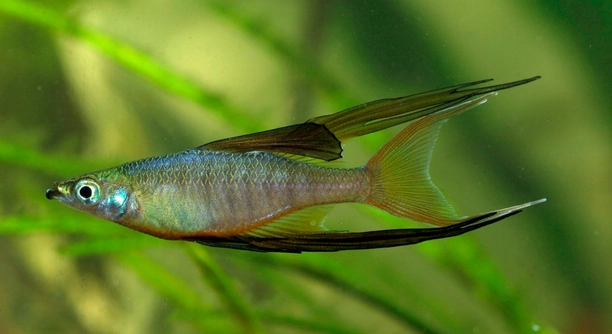
Do you ever notice your threadfin rainbowfish reacting suddenly to things in their tank, leaving you wondering what might be startling them so easily?
Threadfin rainbowfish can be shocked by sudden light changes, loud noises, rapid water temperature shifts, strong currents, overcrowding, aggressive tankmates, and poor water quality. These factors disrupt their environment, affecting their health, stress levels, and overall well-being.
Learning about these possible stressors will help you create a safer, calmer space where your threadfin rainbowfish can thrive without unexpected disturbances.
Sudden Light Changes
Threadfin rainbowfish are highly sensitive to lighting, and sudden changes can easily shock them. When the aquarium light switches on or off without warning, the abrupt shift can create stress. This stress is not just behavioral—it affects their health and can weaken their immune system. If you notice your fish darting quickly, hiding, or even bumping into objects when the light changes, it is often a clear sign they are startled. Consistent lighting is key to keeping them calm, so using timers and maintaining a steady light cycle will help reduce unnecessary stress and improve their comfort.
A simple way to prevent shock from light changes is by gradually adjusting brightness. Using a dimmer or turning on a nearby room light before switching the tank light on or off can help. Small adjustments like this can make your fish feel more secure.
Light consistency matters greatly for rainbowfish care. Their natural environment offers slow transitions from daylight to dusk, so replicating that in your aquarium keeps them relaxed. Maintaining this routine ensures they do not experience constant stress. Over time, your fish will remain healthier and display brighter colors when kept under stable, gentle lighting conditions.
Loud Noises
Threadfin rainbowfish can be startled by vibrations and loud sounds near their tank. These noises travel through the water and can disrupt their sense of security, leading to stress and sudden, frantic movements.
Noise is often overlooked in fish care, but it has a strong influence on how your rainbowfish behave. Placing the aquarium in a busy area with constant traffic, music, or sudden bangs will cause repeated startles. Stress builds over time, and the fish may stop eating or hide more often. Even tapping on the glass, which some people do out of habit, creates sharp vibrations that feel overwhelming to them. Choosing a quiet location for your tank is one of the best ways to reduce this type of stress. Cushioning filters and equipment with pads can also minimize vibration, creating a calmer environment. By reducing unnecessary sound, you will give your rainbowfish a more peaceful home where they can swim comfortably and feel secure.
Rapid Water Temperature Shifts
Threadfin rainbowfish can become stressed when water temperature changes suddenly. Even small fluctuations can shock their system, leading to weakened immunity, erratic swimming, or refusal to eat. Stable temperatures are essential to maintain their overall comfort and long-term health.
A heater with a reliable thermostat is the best way to maintain steady conditions. Sudden drops or spikes often happen during water changes or if the tank is placed near drafts or heating vents. Always check that new water matches the tank temperature before adding it. Gradual adjustments are much safer than quick changes. Careful temperature control will keep your fish steady and reduce unnecessary stress.
Consistency is the key when caring for rainbowfish. If the water remains stable, they are more likely to thrive, display their natural colors, and stay active. Monitoring the tank with a thermometer ensures you detect any shifts quickly and act before your fish become stressed.
Strong Currents
Threadfin rainbowfish prefer gentle water flow, and strong currents can overwhelm them. When the current is too powerful, they use extra energy swimming against it, leaving them fatigued and vulnerable to illness. Adjusting filtration helps create a calmer environment.
Filters with strong output often push water too quickly for threadfin rainbowfish. If you notice them constantly swimming against the flow, struggling to rest, or staying near corners, the current may be too strong. Use spray bars or baffles to reduce intensity, allowing for gentler movement. This setup provides oxygen circulation while keeping the water calm enough for them to feel secure.
A balanced current mimics the calm streams they are naturally accustomed to. Once adjusted, you will notice them swimming more freely, conserving energy, and displaying brighter colors. Strong currents do not only tire them out—they also create unnecessary stress. Gentle, consistent flow supports healthier, more relaxed fish.
Overcrowding
Too many fish in the tank can stress threadfin rainbowfish. Overcrowding limits swimming space, increases aggression, and causes competition for food. This stress weakens their immune system and makes them more prone to illness.
A balanced tank prevents these problems. Allowing enough room ensures healthier behavior, less aggression, and calmer fish overall.
Aggressive Tankmates
Threadfin rainbowfish are peaceful, and aggressive tankmates can frighten them. Constant chasing, fin nipping, or territorial behavior causes high stress and may leave them hiding. A safe tank means choosing calm companions that match their temperament and size.
Poor Water Quality
Poor water quality is one of the biggest stress factors. Ammonia, nitrite, and nitrate levels that are too high quickly harm rainbowfish. Clean water, regular testing, and steady maintenance keep them healthy and help avoid shocking conditions.
FAQ
What signs show that my threadfin rainbowfish is stressed?
Stress in threadfin rainbowfish can appear in several ways. They may hide more than usual, swim erratically, or dart quickly from one area to another. Loss of appetite, faded colors, and heavy breathing are also common signs. Watching their daily behavior closely helps identify early stress indicators.
How can I prevent sudden shocks in my aquarium?
Consistency is key. Keep water temperature steady, maintain regular lighting cycles, and minimize loud noises or vibrations near the tank. Use gentle water flow and avoid overcrowding. Gradually introduce new tankmates and changes in the environment to reduce stress. Regular maintenance ensures a stable and calm habitat.
Can temperature fluctuations harm my rainbowfish?
Yes. Even small, sudden changes can affect their metabolism and immune system. Rainbowfish prefer steady temperatures that mimic their natural habitat. Using a reliable heater and monitoring with a thermometer during water changes prevents harmful shocks and keeps the fish healthy.
Are strong currents dangerous for threadfin rainbowfish?
Strong currents are tiring for rainbowfish and can stress them out. They prefer moderate, gentle flow that allows them to swim comfortably without using excessive energy. Adjusting filter output or adding baffles helps maintain a calm environment while keeping water oxygenated.
How do I know if tankmates are stressing my fish?
Observe interactions closely. Signs include hiding, fleeing, or fin damage. Aggressive or overly active fish can constantly frighten rainbowfish. Choosing compatible, peaceful tankmates and ensuring enough space for all species reduces tension and promotes healthy social behavior.
Is poor water quality a common stress factor?
Absolutely. High levels of ammonia, nitrite, or nitrate are toxic. Uneaten food and waste build-up worsen water conditions. Regular testing, partial water changes, and proper filtration keep the tank clean and stress-free. Maintaining water quality prevents diseases and supports long-term health.
Do sudden light changes affect their behavior?
Yes, abrupt lighting can startle rainbowfish. Sudden on/off cycles make them dart or hide. Using timers, dimmers, or gradual light transitions creates a stable environment, reducing unnecessary stress and helping them adjust naturally.
What is the best way to introduce new tankmates?
Introduce them slowly and carefully. Quarantine new fish first, then monitor interactions in a separate section of the tank if possible. Gradually integrate them to prevent sudden aggression or stress for both the rainbowfish and the newcomers.
How often should I monitor my aquarium?
Daily observation is best. Check for unusual behavior, water clarity, temperature, and any signs of disease. Keeping a routine allows early intervention if conditions start affecting the rainbowfish’s health. Small daily checks prevent larger problems over time.
Can diet impact stress levels?
Yes. Balanced nutrition supports immune function and overall health, making fish more resilient to environmental stress. Feeding high-quality flakes, pellets, and occasional live or frozen foods ensures they remain strong and less sensitive to minor disturbances.
What steps help reduce noise-related stress?
Place the tank away from loud appliances, speakers, or high-traffic areas. Avoid tapping the glass, and cushion pumps or filters to dampen vibrations. A quieter environment keeps rainbowfish calm and encourages natural, relaxed swimming behavior.
Is overcrowding harmful to rainbowfish?
Definitely. Crowded tanks increase competition for food, space, and oxygen, creating tension and stress. Maintaining appropriate stocking levels and providing hiding spots helps rainbowfish feel secure and reduces conflicts among tankmates.
How can I tell if my fish is recovering from stress?
Signs of recovery include normal swimming patterns, regular feeding, vibrant coloration, and reduced hiding behavior. Gradual improvement in behavior indicates they are adjusting to a stable, calm environment and that measures taken to reduce stress are effective.
What is the most important factor for preventing shock?
Maintaining a stable, clean, and calm environment is the most critical factor. Consistent temperature, water quality, gentle flow, compatible tankmates, and minimal sudden disturbances work together to prevent stress and help rainbowfish thrive.
How do I safely perform water changes?
Match the new water temperature and chemistry to the tank. Add changes gradually and avoid large, sudden replacements. Small, frequent water changes help maintain stability while reducing the risk of shocking your rainbowfish.
Can decorations or plants help reduce stress?
Yes. Hiding spots, plants, and structured areas give rainbowfish places to retreat, making them feel secure. Providing visual barriers and a varied environment reduces exposure to aggressive fish or strong currents and encourages natural behavior.
How long does it take for rainbowfish to adjust to changes?
Adjustment time varies depending on the change and individual fish. Minor changes may take a few hours, while new tankmates or environment shifts can take several days. Monitoring behavior and providing stability supports faster adaptation and reduces long-term stress.
Are there any signs that stress is affecting health?
Chronic stress can cause faded colors, reduced appetite, sluggish movement, fin damage, or susceptibility to disease. Early detection allows corrective action to restore a healthy environment and prevent lasting harm to the rainbowfish.
What daily routines help maintain a calm tank?
Check water temperature, clarity, and fish behavior daily. Feed balanced meals, remove uneaten food, and ensure filters are working correctly. Keeping a consistent schedule and minimizing sudden disturbances creates a predictable, stress-free environment for your rainbowfish.
How can I make sudden changes less stressful?
Introduce new elements slowly and gradually adjust lighting, temperature, or water chemistry. Small, incremental changes allow rainbowfish to adapt without shock, helping maintain their health and reduce erratic behavior in response to the new conditions.
Final Thoughts
Caring for threadfin rainbowfish requires attention to both their environment and daily needs. These fish are sensitive to changes in light, temperature, water quality, and the behavior of other tankmates. Even small disturbances can cause stress, which may affect their health over time. Maintaining a calm and stable environment helps ensure that they remain active, healthy, and display their natural colors. Paying attention to their behavior is important because it provides clear signs of their comfort and overall well-being. Observing them regularly allows you to notice any early signs of stress, such as hiding, erratic swimming, or loss of appetite, and take steps to address the issue before it becomes serious.
A well-maintained aquarium is the foundation for healthy rainbowfish. Stable water parameters, gentle water flow, and a proper light cycle are all essential components. Overcrowding and aggressive tankmates can also create unnecessary stress, so it is important to carefully select compatible species and provide enough space for everyone. Regular water testing and partial water changes help maintain clean conditions, preventing harmful chemical buildup that can shock your fish. Adding decorations and plants not only improves the visual appeal of the tank but also gives fish safe spaces to retreat, reducing stress and promoting natural behavior. When these factors are carefully managed, rainbowfish are more likely to thrive, swim freely, and enjoy a longer, healthier life.
Patience and observation are key to successful fishkeeping. Changes should be introduced gradually, whether adding new fish, adjusting lighting, or altering the water environment. Sudden shifts can create stress that affects both their behavior and long-term health. By taking small, careful steps and monitoring their response, you can help your threadfin rainbowfish adapt comfortably to their surroundings. Feeding them a balanced diet, avoiding loud noises near the tank, and minimizing sudden disturbances all contribute to a peaceful environment. In the end, creating a calm, stable, and well-maintained aquarium not only benefits your rainbowfish but also makes caring for them a more rewarding and enjoyable experience. Healthy, stress-free fish are more vibrant, active, and easier to watch, making all the effort worthwhile.

Hello,
If you enjoy the content that we create, please consider saying a "Thank You!" by leaving a tip.
Every little bit helps us continue crafting quality advice that supports the health, happiness, and well-being of pets around the world, for pets of all shapes, sizes, and species.
We really appreciate the kindness and support that you show us!