
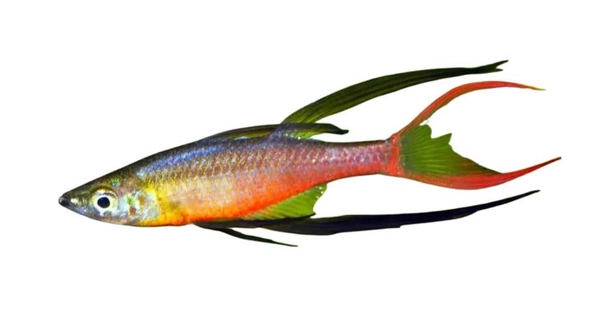
Do you ever find yourself struggling with algae growth in your aquarium, worried it might upset the delicate balance your threadfin rainbowfish need to stay healthy and stress-free?
The best way to minimize algae without disturbing threadfin rainbowfish is by managing light exposure, controlling nutrient levels, and maintaining consistent cleaning routines. These practices prevent excessive algae growth while ensuring the fish remain comfortable in their environment.
From natural light control to gentle aquarium maintenance, each step plays a role in supporting a healthy tank where your rainbowfish thrive.
Control Light Exposure
Algae thrives when aquariums receive too much light, whether natural sunlight or artificial from tank lamps. Threadfin rainbowfish need a stable lighting routine, but excess brightness encourages algae to grow quickly. A consistent schedule can help balance both needs. Ideally, aquarium lights should run between eight to ten hours daily, simulating a natural day-and-night cycle. Placing the tank away from direct windows also reduces unwanted light that feeds algae. For additional control, timers are useful tools to prevent accidental overexposure. Adjustments should be gradual to avoid stressing your rainbowfish, as sudden changes in light can unsettle them. Maintaining this steady approach helps create a calm environment where fish remain active and algae stay minimal.
Threadfin rainbowfish thrive in stability, and by carefully managing lighting, you set the stage for healthier water conditions. Balanced light directly supports their comfort while discouraging algae from overwhelming the aquarium.
Simple changes in your lighting routine, such as reducing hours or moving the tank slightly, can improve your aquarium’s overall balance. Keeping this aspect under control ensures algae does not take over while allowing your rainbowfish to flourish peacefully.
Balance Nutrient Levels
Uneaten food and fish waste contribute heavily to algae growth in aquariums. If nutrients accumulate, algae has the perfect environment to expand. Keeping feeding practices consistent and careful helps prevent this buildup and supports a healthier balance for threadfin rainbowfish.
A practical method to balance nutrient levels is feeding your rainbowfish smaller amounts they can finish within a few minutes. Overfeeding leaves particles behind, which break down into nutrients that algae quickly use. Regular water changes are also essential, with partial replacements every week or two to remove excess waste. Testing water quality gives you insight into nitrate and phosphate levels, helping you make timely adjustments. Adding live plants can further improve nutrient balance since plants compete with algae for resources. They also provide natural cover, which threadfin rainbowfish enjoy. By combining careful feeding, steady water changes, and live plants, you create an environment where algae struggles to spread and your fish remain comfortable.
Maintain Consistent Cleaning
Cleaning your tank regularly helps stop algae from spreading too quickly. Wiping the glass, rinsing decorations, and gently vacuuming the substrate keeps buildup under control while maintaining a safe space for threadfin rainbowfish to stay healthy.
When cleaning, avoid removing too much at once, as drastic changes can stress your rainbowfish. Focus on small, steady tasks like brushing algae off the glass and siphoning small sections of gravel during water changes. This approach maintains balance and prevents the aquarium from becoming unstable. Decorations should be rinsed with tank water instead of tap water to preserve beneficial bacteria. Consistency is more effective than aggressive scrubbing, which can disturb your fish and their habitat. Keeping this routine in place makes your aquarium easier to manage.
Cleaning does not have to be complicated or time-consuming. Short, consistent care sessions help reduce algae, keep water clear, and support the natural rhythm threadfin rainbowfish prefer.
Add Algae-Eating Helpers
Certain algae-eating species can help control growth naturally, provided they are compatible with threadfin rainbowfish. Snails and some shrimp varieties are effective, working quietly in the background to graze on surfaces without bothering the fish. They make tank maintenance less demanding.
Choose algae-eating helpers carefully to ensure they match your aquarium’s size and environment. Nerite snails, for example, are efficient without reproducing excessively in freshwater tanks. Amano shrimp are another safe option, as they remain peaceful and focus on cleaning. Avoid species that may compete with or stress your rainbowfish, since balance is key. Introducing just a few algae eaters can provide noticeable improvement without overwhelming the tank. Their presence also adds variety and interest while reducing algae naturally. A careful combination of routine maintenance and algae-eating helpers keeps the environment steady, letting your threadfin rainbowfish remain active and stress-free.
Use Live Plants
Live plants compete with algae for nutrients, helping keep growth under control. They also create a natural environment for threadfin rainbowfish, offering shade, hiding spots, and extra comfort that supports their peaceful behavior and overall health.
Selecting fast-growing plants, like hornwort or water wisteria, can be especially effective. These species absorb nutrients quickly, leaving less available for algae. Regular trimming keeps plants healthy and prevents overcrowding, ensuring your rainbowfish still have space to swim freely without disruption.
Monitor Water Parameters
Keeping water parameters stable is essential for reducing algae and supporting threadfin rainbowfish health. Testing nitrate, phosphate, and pH levels regularly provides clear guidance on when adjustments are needed. Consistency helps prevent sudden changes that can cause stress. Use test kits weekly and act on any noticeable imbalances.
Avoid Overcrowding
Too many fish in one tank increases waste, which feeds algae growth. Maintaining a manageable number of rainbowfish ensures better water quality, lowers stress, and helps your aquarium remain balanced and healthier for every living creature inside.
FAQ
How often should I clean my aquarium to prevent algae?
Regular cleaning is important, but it doesn’t have to be intense. Wipe the glass and rinse decorations weekly, and perform partial water changes every one to two weeks. This prevents nutrient buildup without shocking your threadfin rainbowfish, keeping the tank balanced.
Can I use chemicals to remove algae safely?
Most chemical treatments can harm threadfin rainbowfish or upset tank balance. Natural methods like controlling light, adding live plants, and introducing algae-eating helpers are safer. Chemicals should only be used as a last resort and carefully dosed according to instructions.
Which algae-eating species are safe with threadfin rainbowfish?
Nerite snails, Amano shrimp, and certain small catfish are good options. They clean surfaces without stressing your fish or competing for space, and they generally stay compatible with the peaceful behavior of rainbowfish.
Will overfeeding increase algae growth?
Yes. Uneaten food decomposes and releases nutrients that feed algae. Feeding small portions your fish can finish in a few minutes prevents waste accumulation and reduces algae growth naturally.
Do live plants completely prevent algae?
Live plants reduce algae by absorbing nutrients but won’t eliminate it entirely. Fast-growing species are most effective. Trimming and maintaining plant health is necessary to keep them competing efficiently with algae.
How does light affect algae growth?
Too much light accelerates algae growth. Threadfin rainbowfish need consistent, moderate lighting. Limit lights to eight to ten hours daily and avoid placing the tank in direct sunlight to maintain a calm, algae-controlled environment.
Is overstocking the tank a problem?
Overcrowding increases waste and nutrients, giving algae more to grow on. Maintain a reasonable number of rainbowfish to ensure clean water, healthy fish, and reduced algae growth.
Can I rely only on algae-eating helpers?
Algae-eating species help but don’t solve all problems. Regular cleaning, water changes, and nutrient control are still necessary. Helpers work best as part of a combined approach.
How do I know if water parameters are off?
Test nitrate, phosphate, and pH levels weekly. Sudden changes or consistently high readings indicate an imbalance, which can promote algae growth and stress rainbowfish. Adjust water changes, feeding, or plant coverage accordingly.
Are there ways to prevent algae from starting?
Control lighting, avoid overfeeding, maintain water quality, and add live plants from the beginning. These steps reduce algae opportunities and create a healthier, more stable environment for your threadfin rainbowfish.
How often should I trim live plants?
Trimming every two to three weeks prevents overgrowth, removes decaying parts, and maintains nutrient absorption efficiency. Healthy plants help outcompete algae while keeping swimming space open for your rainbowfish.
What signs indicate algae is harming my rainbowfish?
Look for stress behaviors like hiding, reduced activity, or loss of appetite. Excess algae can reduce oxygen levels or block light. Addressing growth early keeps fish comfortable and the tank environment healthy.
Can changing water temperature help with algae?
Temperature adjustments have limited effects. Maintaining stable temperatures preferred by threadfin rainbowfish is more important. Sudden changes can stress fish and may worsen algae issues instead of helping.
Is a strong filtration system necessary?
Yes. A filter removes debris, excess nutrients, and small particles that feed algae. Ensure it is appropriate for your tank size and cleaned regularly to maintain optimal water quality.
How long does it take to see algae reduction?
Results vary depending on methods used. With consistent cleaning, controlled light, nutrient management, and helpers, visible reduction can appear within two to four weeks. Patience and steady routines are key.
Are floating plants useful against algae?
Floating plants provide shade, absorb nutrients, and reduce light for algae growth. They also offer shelter for rainbowfish, contributing to a calmer tank and healthier fish behavior.
Can I mix different algae-eating species safely?
Yes, but monitor interactions. Combining snails and shrimp usually works well, as they occupy different areas and do not compete aggressively. Ensure the tank remains spacious enough for all inhabitants.
Do I need to adjust cleaning frequency seasonally?
Light changes across seasons can affect algae growth. Slightly increasing cleaning or trimming during longer daylight periods can help maintain control. Otherwise, the same routine is generally sufficient year-round.
What is the most common mistake that encourages algae?
Overfeeding and inconsistent maintenance are the main factors. Even small lapses in cleaning or letting light run too long can encourage algae to multiply quickly. Staying consistent prevents most problems before they start.
Can I prevent algae with filters alone?
Filters help reduce waste but cannot fully prevent algae. They work best when combined with controlled lighting, balanced feeding, live plants, and regular water changes for a stable environment.
Are there signs that my algae-eating helpers are effective?
Yes. Surfaces will gradually appear cleaner, and algae patches shrink. Helpers grazing actively without disturbing rainbowfish indicate a healthy balance in the tank ecosystem.
Does tap water contribute to algae growth?
Tap water can contain nutrients like phosphates that feed algae. Using dechlorinated water for changes helps reduce unwanted nutrients while maintaining safe conditions for your fish.
Can I manually remove algae without stressing the fish?
Yes. Use gentle scrapers or brushes on the glass and decorations carefully. Avoid stirring up too much debris at once, which can stress threadfin rainbowfish. Small, regular removals are safest.
How do I combine all methods effectively?
Use a routine that includes light control, moderate feeding, regular cleaning, live plants, algae-eating helpers, and water monitoring. Each method supports the others, creating a balanced environment with minimal algae and happy rainbowfish.
Is it normal for some algae to remain?
Yes, complete elimination is unrealistic. Small amounts are natural and don’t harm rainbowfish. Focus on controlling growth rather than removing every trace, keeping the tank healthy and visually pleasant.
Can I prevent algae during vacations?
Timers for lights, measured feeding, and added algae-eating helpers help maintain balance while away. Avoid long absences without maintenance, as algae can grow quickly in unattended tanks.
How do I know when to remove decorations for cleaning?
Remove decorations only if heavily coated or obstructing cleaning. Rinse in tank water to preserve beneficial bacteria. Frequent removal isn’t necessary if regular maintenance is performed.
Are there specific foods that reduce algae growth?
Feeding small amounts of balanced flakes or pellets prevents excess waste. Avoid overfeeding, as leftover food promotes algae. Some algae wafers for helpers can complement this without increasing tank nutrients excessively.
Can lighting color affect algae?
Algae reacts to the intensity and duration of light more than color. Moderate brightness with consistent timing is more effective than focusing on bulb color alone.
Do I need to quarantine new plants or fish to prevent algae?
Yes. New plants or fish may introduce spores or nutrients that boost algae. Rinse plants thoroughly and inspect new fish to reduce the risk of sudden algae outbreaks.
What’s the easiest long-term strategy?
Combine consistent cleaning, careful feeding, light control, live plants, and compatible algae-eaters. Regular monitoring ensures balance. These habits keep algae manageable while supporting the well-being of threadfin rainbowfish in the aquarium.
Can algae ever be completely eliminated?
Completely removing algae is unrealistic. Small amounts are normal and usually harmless. Managing growth is the goal, ensuring a healthy tank for threadfin rainbowfish without constant stress.
Does tank size affect algae control?
Yes. Larger tanks dilute nutrients more effectively, slowing algae growth. However, maintenance routines, feeding, and plant coverage remain crucial regardless of tank size.
How important is water flow in controlling algae?
Moderate water flow helps prevent stagnant areas where algae thrives. Proper circulation supports nutrient distribution and oxygenation, benefiting both plants and threadfin rainbowfish.
Is it better to have more plants or more algae-eaters?
Plants offer long-term nutrient control, while algae-eaters help with surface cleaning. A combination usually works best, creating a balanced ecosystem with minimal algae and healthy fish.
How do I keep my aquarium visually appealing while controlling algae?
Regular cleaning, trimming plants, and choosing visually compatible algae-eaters maintain aesthetics. A steady routine keeps the tank clear, healthy, and enjoyable without disturbing threadfin rainbowfish.
Can I automate algae management?
Timers for lights, automated feeders, and consistent filtration help maintain balance. Automation supports human effort but doesn’t replace cleaning, monitoring, or plant care entirely.
Is substrate type important for algae control?
Yes. Fine gravel or sand traps less waste than large decorative stones. Proper substrate reduces nutrient hotspots, limiting algae growth while giving rainbowfish space to swim comfortably.
Do temperature fluctuations encourage algae?
Rapid changes can stress rainbowfish but don’t directly increase algae. Stable temperatures are essential for fish health, indirectly helping maintain balanced algae growth.
Can I introduce new plants to combat existing algae?
Yes. Fast-growing plants compete with algae for nutrients. Adding them gradually while maintaining cleaning and feeding routines helps reduce algae over time.
How do I balance aesthetics and algae control?
Choose plants and decorations that complement the tank while reducing algae-friendly surfaces. Maintain a routine that balances visual appeal with functional cleaning, benefiting both fish and aquarium appearance.
Is it normal for algae to return after removal?
Yes. Algae naturally grows in freshwater tanks. Focus on control rather than complete elimination, keeping growth manageable and the tank safe for threadfin rainbowfish.
How can I track algae growth effectively?
Take photos or note affected areas during cleaning. Monitoring over time shows trends and helps adjust feeding, light, or cleaning schedules for better control.
Can overuse of algae-eaters harm plants?
Some species may nibble on delicate plants. Choose algae-eaters that are plant-safe and monitor behavior to prevent damage while still controlling algae effectively.
Is partial water replacement enough for algae control?
Partial water changes remove excess nutrients, helping prevent algae. Combine with cleaning, feeding control, and live plants for comprehensive management.
Do plants need fertilizer when controlling algae?
Yes, but use sparingly. Properly dosed fertilizers support plant growth without providing excess nutrients that encourage algae, maintaining balance in the aquarium ecosystem.
Can algae control affect rainbowfish behavior?
Effective algae management improves water quality and reduces stress, helping rainbowfish remain active, healthy, and more likely to display natural swimming patterns.
How long should I monitor changes after adjusting routines?
Observe for at least two to four weeks. Algae growth responds gradually to light, feeding, and cleaning changes. Track fish behavior and tank clarity to assess success.
Does water hardness influence algae?
Algae tolerates a wide range of water hardness, but keeping consistent parameters supports rainbowfish health. Sudden changes can stress fish, indirectly affecting tank balance.
Are there seasonal tips for algae management?
Adjust light exposure slightly during longer or shorter daylight periods. Maintain consistent feeding and cleaning routines year-round to prevent seasonal spikes in algae growth.
Is it better to remove algae manually or rely on helpers?
Helpers assist but won’t reach all areas. Manual removal of visible algae combined with helpers ensures thorough control while keeping rainbowfish safe and water balanced.
How do I prevent algae after adding new fish?
Reduce feeding initially, maintain regular cleaning, and monitor water parameters. New fish add waste, which can spike nutrient levels, encouraging algae growth. Gradual adjustments help maintain stability.
What role does aeration play in algae control?
Aeration improves oxygen levels and water circulation, reducing stagnant zones that promote algae. It also supports healthy fish and plant growth, creating a more balanced aquarium ecosystem.
Can I control algae without affecting rainbowfish health?
Yes. Using consistent cleaning, moderate feeding, live plants, controlled lighting, and algae-eaters minimizes algae while keeping the tank safe and stress-free for threadfin rainbowfish.
How do I balance multiple control methods?
Combine light control, nutrient management, algae-eaters, cleaning, and plant maintenance. Monitor water and fish regularly to ensure each method complements the others, creating a stable, algae-managed environment.
Is over-cleaning harmful?
Yes. Aggressive or frequent deep cleaning can stress rainbowfish and disrupt beneficial bacteria. Focus on gentle, consistent maintenance for the best long-term results.
How do I keep algae under control long-term?
Stick to routines, balance nutrients, maintain light schedules, trim plants, use compatible algae-eaters, and monitor water quality. Consistency ensures manageable algae and healthy rainbowfish.
Can algae affect fish breeding?
Excess algae can reduce water quality, stressing fish and potentially interfering with breeding behavior. Maintaining a clean, balanced tank encourages natural activity and supports reproductive health.
Do I need special equipment to control algae?
No specialized tools are required beyond timers, filters, test kits, and basic cleaning equipment. Consistent routines and mindful aquarium management are more important than expensive gadgets.
How do I know if algae is under control?
Visible surfaces remain mostly clean, water clarity is good, and rainbowfish appear active and healthy. Occasional small patches are normal, but consistent growth indicates routine success.
What is the easiest way to track algae growth?
Mark problem areas during cleaning or take photos. Comparing changes over time helps adjust light, feeding, and cleaning schedules efficiently.
Does tank size influence the frequency of cleaning?
Larger tanks may require slightly less frequent cleaning due to dilution, but monitoring nutrient levels and algae patches is still essential for long-term control.
Can decorations hide algae problems?
Yes. Check under rocks, behind plants, and inside ornaments regularly to prevent unnoticed buildup that could affect water quality and fish health.
Are there algae types more harmful than others?
Most freshwater algae are harmless to threadfin rainbowfish. Hair and filamentous algae can be unsightly and harder to manage but do not directly harm fish if controlled.
Is it necessary to remove all algae at once?
No. Gradual removal during regular cleaning prevents stress on fish and maintains beneficial bacteria. Focus on control rather than complete elimination.
How do I prevent algae when starting a new aquarium?
Plan tank placement, light exposure, feeding, and plant selection from the beginning. Regular monitoring and maintenance prevent algae from establishing early, keeping rainbowfish safe and comfortable.
Can algae-eaters survive without algae?
Yes, provide supplemental food like algae wafers or blanched vegetables. They clean surfaces but need additional nutrition if algae is limited.
Does water flow affect algae type?
Yes. Stagnant areas encourage filamentous algae, while well-circulated zones reduce localized growth. Adjust filters and aeration to maintain consistent flow.
Is algae a sign of unhealthy fish?
Not necessarily. Algae growth usually reflects water conditions rather than fish health. Proper management keeps both algae and rainbowfish in balance.
Can I mix freshwater and saltwater algae-eaters?
No. Saltwater species cannot survive in freshwater tanks. Stick to compatible freshwater species to safely control algae without harming rainbowfish.
How do I encourage rainbowfish to stay active while managing algae?
Provide hiding spots, open swimming areas, and consistent water quality. Balanced algae control improves clarity and oxygen, allowing fish to swim and behave naturally.
What is the most effective combined method for algae control?
Control light, feed moderately, maintain water quality, add live plants, introduce algae-eaters, and perform regular cleaning. Together, these strategies create a stable, low-algae environment for threadfin rainbowfish.
Can algae return after vacation or absence?
Yes. Using timers, careful feeding, and algae-eaters helps prevent spikes, but check the tank promptly upon return to maintain control and protect fish.
Does substrate type matter for algae growth?
Fine gravel or sand limits nutrient buildup better than coarse stones. Proper substrate supports plant growth and reduces algae hotspots, benefiting rainbowfish comfort.
How do I handle stubborn algae patches?
Gently scrub affected areas, combine with algae-eaters, and adjust light or nutrients if persistent. Avoid aggressive scraping that could disturb rainbowfish or beneficial bacteria.
Is frequent testing necessary?
Yes. Weekly checks of nitrates, phosphates, and pH help detect early nutrient imbalances, allowing timely adjustments before algae becomes a problem.
Can I prevent algae in small tanks more easily?
Smaller tanks require careful monitoring since changes happen quickly. Consistent maintenance, controlled feeding, and plants are essential for manageable algae levels.
Does tank shape affect algae growth?
Yes. Shallow tanks with wide surfaces may grow algae faster due to increased light exposure. Adjust cleaning and plant coverage to compensate.
How do I avoid overstocking while managing algae?
Keep fish numbers appropriate for tank size, monitor growth and behavior, and provide sufficient filtration. Balanced stocking helps control nutrients and algae naturally.
What are signs algae-eaters are stressed?
Reduced activity, hiding excessively, or ignoring algae indicate stress. Ensure water conditions, food, and tank space meet their needs while maintaining control.
Can I combine floating and rooted plants effectively?
Yes. Floating plants reduce light, while rooted plants absorb nutrients. Together, they outcompete algae and provide cover for rainbowfish.
Do aquarium decorations affect algae growth?
Yes. Rough or porous surfaces encourage algae attachment. Smooth decorations are easier to clean and help keep algae under control without disturbing fish.
Is it safe to scrape algae near fish eggs?
Avoid disturbing eggs. Focus on nearby surfaces gently. Stressing fish during breeding can lead to egg abandonment or damage.
Can algae affect water clarity?
Yes. Excess growth clouds water, reduces light penetration, and can stress rainbowfish. Regular control improves clarity and overall tank health.
Do temperature extremes trigger algae blooms?
Not directly. Stable temperatures benefit fish and plants, indirectly helping control algae. Sudden shifts may stress fish, creating conditions favorable for algae proliferation.
Are there visual cues for nutrient imbalance?
Yellowing plants, sudden algae spikes, or murky water indicate excess nutrients. Addressing these early helps maintain tank balance and rainbowfish comfort.
How do I maintain a long-term algae control plan?
Stick to consistent routines: monitor water, clean regularly, manage light, feed moderately, add plants, and maintain algae-eaters. Balance and patience are key for lasting success.
Is it possible to reduce algae without affecting rainbowfish behavior?
Yes. Gentle cleaning, controlled feeding, proper light schedules, and compatible algae-eaters reduce algae while keeping rainbowfish calm, active, and healthy.
How often should I adjust feeding when using algae-eaters?
Monitor both fish and algae-eaters. Feed small portions that rainbowfish finish quickly, supplementing algae-eaters with minimal extra food as needed to maintain balance.
Can algae be beneficial in small amounts?
Yes. It can provide minor grazing opportunities for algae-eaters and contribute to the tank ecosystem without harming rainbowfish when kept under control.
**Does light
Final Thoughts
Maintaining a healthy aquarium with threadfin rainbowfish requires consistent care and attention, but it doesn’t have to be complicated. Algae control is a central part of keeping your tank balanced, yet it can be managed effectively with simple strategies. By focusing on light control, careful feeding, regular cleaning, and the addition of live plants, you can create an environment where algae is present but not overwhelming. These practices allow your rainbowfish to remain active and stress-free while the tank stays clear and visually appealing. Small adjustments, like moving the tank away from direct sunlight or trimming fast-growing plants, can make a noticeable difference without requiring extensive effort. Consistency is key, and even a few minutes of regular maintenance each week can prevent algae from becoming a bigger problem.
Algae-eating helpers also play a valuable role in supporting the natural balance of your aquarium. Species like Nerite snails or Amano shrimp quietly clean surfaces and reduce algae growth, complementing your routine care. They are low-maintenance additions that help maintain a stable ecosystem, and when combined with proper water quality and controlled nutrient levels, they can significantly reduce the need for manual intervention. However, relying solely on helpers is not enough. Regular monitoring of water parameters, including nitrates, phosphates, and pH, ensures that nutrient levels remain balanced. Proper filtration and steady water flow also prevent stagnant areas where algae could thrive. Keeping a close eye on both water quality and fish behavior allows you to catch small issues early, preventing them from growing into larger problems that may affect your rainbowfish.
Ultimately, managing algae is about creating a balanced, stable environment rather than aiming for complete elimination. Small amounts of algae are natural in freshwater aquariums and do not harm threadfin rainbowfish. The goal is to prevent excessive growth that could impact water quality or stress the fish. By combining light management, nutrient control, live plants, algae-eating species, and consistent cleaning routines, you can maintain a tank that is both healthy and visually appealing. Over time, these practices become routine and less labor-intensive, making it easier to enjoy your aquarium. Your rainbowfish will thrive in a calm and steady environment, and algae will remain manageable, giving you a cleaner, more enjoyable tank without compromising the wellbeing of your fish.

Hello,
If you enjoy the content that we create, please consider saying a "Thank You!" by leaving a tip.
Every little bit helps us continue crafting quality advice that supports the health, happiness, and well-being of pets around the world, for pets of all shapes, sizes, and species.
We really appreciate the kindness and support that you show us!