
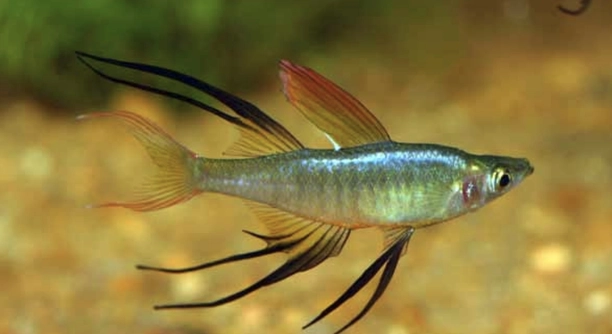
Do you ever find yourself concerned that your threadfin rainbowfish are not growing as quickly as you expected them to in your aquarium?
Several conditions can delay growth in threadfin rainbowfish, including inadequate diet, poor water quality, overcrowding, stress, disease, improper temperature, and insufficient tank size. Each of these factors plays a significant role in limiting healthy development and long-term wellbeing.
By learning about these conditions, you can take steps to support better growth and provide a healthier environment for your threadfin rainbowfish.
Inadequate Diet
A poor diet is one of the main reasons threadfin rainbowfish experience delayed growth. These delicate fish require a balanced diet rich in high-quality proteins, vitamins, and essential nutrients. Relying only on flake food or feeding them the same meal repeatedly can prevent them from receiving the proper nutrition needed for growth. Their slender bodies depend heavily on a varied diet that includes live or frozen foods like brine shrimp and daphnia, alongside specialized micro-pellets designed for small fish. Without this diversity, their bodies cannot develop properly, leading to weak immune systems and slower growth rates over time. Offering carefully chosen food not only enhances their growth but also improves their colors and vitality. Feeding small amounts several times a day is far more effective than giving one large meal. This approach mimics their natural feeding patterns and ensures the fish get enough nutrients to thrive in a home aquarium.
Threadfin rainbowfish thrive on variety, and consistent exposure to high-quality foods ensures their bodies grow steadily and maintain vibrant coloration.
When selecting food, it’s important to consider the size of their mouths. They are very small, so larger pellets can easily be ignored or spit out. This often results in wasted food and limited nutrition. Choosing micro-pellets that sink slowly is best, as it allows them enough time to eat comfortably. Supplementing their meals with live or frozen foods two to three times a week gives them the extra protein they need to support growth. Observing your fish while feeding is also helpful because it ensures every individual gets a chance to eat. Sometimes dominant fish will try to consume most of the food, leaving others behind. Careful monitoring avoids this problem and guarantees equal distribution. Over time, maintaining a nutrient-rich and balanced feeding routine will reflect in both the size and overall health of your threadfin rainbowfish.
Poor Water Quality
Poor water quality is another major factor in stunted growth, often overlooked by many aquarists caring for threadfin rainbowfish.
Maintaining clean water is essential because threadfin rainbowfish are highly sensitive to unstable conditions. Ammonia and nitrite spikes, often caused by overfeeding or inadequate filtration, can stress the fish and slow down their growth significantly. Consistently elevated nitrate levels also weaken their immune system, leaving them more susceptible to disease. To prevent these issues, regular water changes of around 25–30 percent each week should be performed, keeping toxin levels under control. A strong but gentle filter is important, as it ensures proper circulation without creating excessive current that might overwhelm such delicate swimmers. Testing water parameters weekly helps you stay ahead of any changes that may occur. Stable pH, appropriate hardness, and maintaining a temperature between 75–82°F contribute to a healthy environment. Clean water not only encourages steady growth but also supports active behavior and natural schooling patterns. Over time, your threadfin rainbowfish will show noticeable improvements when their habitat remains consistently balanced.
Overcrowding
Overcrowding often prevents threadfin rainbowfish from reaching their full size. Limited space causes stress, restricts movement, and reduces access to food. A crowded tank also increases waste, leading to declining water quality and further slowing down their healthy development.
When too many fish share a small tank, weaker individuals often miss out on meals, and stronger fish dominate resources. Threadfin rainbowfish are peaceful but can become stressed when unable to swim freely. Stress alone can affect their growth rate. A minimum tank size of 20 gallons is recommended, but more space is always better. Providing plenty of swimming room allows them to display natural schooling behavior and keeps aggression minimal. Plants and hiding areas also help reduce tension by giving weaker fish safe zones. Controlling the population ensures each fish receives proper nutrition and space, encouraging steady and healthy growth.
Monitoring stocking levels is an easy way to prevent overcrowding. Threadfin rainbowfish thrive in groups of at least six, but this must be balanced with tank size. For larger schools, a wider aquarium is far more effective than a tall one, as these fish enjoy horizontal swimming space. Avoid mixing them with species that grow larger or outcompete them for food, as this can leave them malnourished. Ensuring each fish has enough room to move and feed without stress is one of the simplest steps toward better growth. A balanced population creates a calmer, healthier environment, making your threadfin rainbowfish more likely to thrive.
Stress
Stress is one of the biggest obstacles to growth in threadfin rainbowfish. It can be triggered by sudden changes in water conditions, aggressive tankmates, loud noises, or improper handling. Continuous stress weakens their immune system and prevents proper nutrient absorption, leading to delayed development and poor health.
Reducing stress requires a stable and calm environment. Keep the tank in a quiet location and maintain consistent lighting with a regular day-night cycle. Avoid sudden shifts in temperature or pH, as threadfin rainbowfish are very sensitive to fluctuations. Choose peaceful tankmates of similar size to prevent bullying or competition for food. Dense planting and gentle water flow create a natural and secure environment, helping the fish feel safe. Limiting stress ensures they have the energy to focus on growth and overall wellbeing, allowing them to display vibrant colors and active swimming behavior in your aquarium.
Disease
Disease can quickly slow growth in threadfin rainbowfish. Common issues like parasites, bacterial infections, and fungal outbreaks weaken the fish, forcing their bodies to use energy for healing instead of growing properly. Early detection and treatment are essential.
Quarantining new fish before adding them to the tank helps reduce the risk of spreading illness. Maintaining clean water, offering a nutrient-rich diet, and monitoring for symptoms such as weight loss, clamped fins, or lethargy all play important roles in preventing disease-related growth delays.
Improper Temperature
Improper temperature makes it difficult for threadfin rainbowfish to grow steadily. When water is too cold, their metabolism slows down, leading to reduced appetite and poor development. If it is too warm, oxygen levels drop, causing stress and health issues. Keeping water between 75–82°F is ideal.
Insufficient Tank Size
A tank that is too small limits movement and restricts growth in threadfin rainbowfish. Without enough swimming space, they often become stressed and inactive, which directly slows their development. A properly sized aquarium encourages natural behavior and supports long-term growth and overall wellbeing.
FAQ
Why are my threadfin rainbowfish not growing as expected?
Threadfin rainbowfish may experience delayed growth due to several conditions including poor water quality, limited diet, overcrowding, stress, disease, or unsuitable tank size. When any of these factors are not properly managed, their development slows significantly. Providing consistent care and addressing these conditions usually restores steady growth.
How long does it take for threadfin rainbowfish to reach full size?
On average, threadfin rainbowfish reach their adult size of about two inches within six to eight months. However, growth rates depend heavily on the conditions in the aquarium. Proper nutrition, clean water, and enough space are key factors that support reaching their full potential.
What foods help threadfin rainbowfish grow faster?
A varied diet is best for supporting growth. High-quality micro-pellets, live foods like brine shrimp and daphnia, and frozen options such as bloodworms provide essential protein and nutrients. Feeding small amounts several times a day ensures better digestion and consistent nutrient intake, helping them grow at a healthy pace.
Can stress completely stop their growth?
Yes, long-term stress can significantly reduce or even stop growth in threadfin rainbowfish. Stress weakens their immune system, reduces appetite, and forces the body to use energy for survival rather than development. A calm environment with stable water conditions and peaceful tankmates prevents this issue and supports normal growth.
Is water temperature really that important for growth?
Absolutely. Threadfin rainbowfish are sensitive to temperature changes, and incorrect conditions can slow down their metabolism. Cooler water reduces appetite and growth, while warmer water lowers oxygen levels and creates stress. Keeping the aquarium between 75–82°F is ideal for steady development and overall health.
How often should I feed threadfin rainbowfish for proper growth?
Feeding them two to three times daily in small portions is recommended. Large meals can go uneaten, polluting the water. Small, frequent feedings mimic their natural eating habits, giving them steady access to nutrients while maintaining clean water conditions, which encourages stronger growth and vibrant coloration.
Can overcrowding permanently stunt their growth?
If overcrowding is left unaddressed for a long time, it can cause permanent stunting. Limited swimming space, competition for food, and increased waste place heavy stress on threadfin rainbowfish. Correcting the issue early by providing enough space ensures they can grow normally without long-term developmental problems.
How do I know if my tank is too small?
A tank under 20 gallons is often too small for a healthy group of threadfin rainbowfish. They need space to swim freely in schools, which helps reduce stress. If fish appear cramped, show signs of stress, or struggle to grow, upgrading the tank size will help.
What signs indicate my fish are not growing properly?
Common signs include consistently small size compared to others of the same age, thin bodies, faded coloration, lack of appetite, and lethargic behavior. These symptoms often point to underlying issues such as diet problems, stress, or poor water quality that should be addressed quickly.
Do diseases always affect growth in threadfin rainbowfish?
Not always, but many illnesses redirect energy from growth to recovery. Parasites, bacterial infections, and fungal outbreaks are common threats. Even if a disease doesn’t directly halt growth, the weakened immune system and reduced appetite associated with illness slow development noticeably. Quick treatment helps recovery.
Can threadfin rainbowfish recover growth after delays?
In many cases, yes. If issues such as poor diet, stress, or water problems are corrected early, threadfin rainbowfish can catch up in size. However, long-term neglect can result in permanent stunting. Consistent, careful care gives them the best chance at recovering normal growth.
How important is tank maintenance for growth?
Tank maintenance is crucial. Regular water changes, filter cleaning, and monitoring of parameters such as ammonia, nitrite, nitrate, and pH all prevent stress and disease. A clean, balanced environment allows the fish to use energy for development rather than survival, ensuring steady and healthy growth.
Should I separate sick threadfin rainbowfish from the group?
Yes, isolation is often the safest choice. Sick fish can spread illness to others, and being separated allows for focused treatment without disrupting the main tank. Quarantine tanks are especially useful for protecting overall health and preventing group stress, which helps maintain normal growth.
Can I keep threadfin rainbowfish with other species without slowing growth?
Yes, but only with compatible tankmates. Peaceful, similarly sized fish are best, as aggressive or larger species may outcompete them for food or cause stress. Good choices include other small rainbowfish, rasboras, and peaceful tetras. Compatibility ensures a calmer tank environment that supports proper growth.
Do threadfin rainbowfish need live plants to grow well?
While not strictly required, live plants provide many benefits. They offer shelter, reduce stress, improve water quality, and create a natural environment that helps threadfin rainbowfish feel secure. Less stress means more energy is directed toward growth, making plants a useful addition to their habitat.
What role does oxygen play in their growth?
Oxygen is essential for metabolism and overall health. Poor aeration or high temperatures can reduce oxygen levels, leaving fish stressed and less able to grow. Using a reliable filter and ensuring gentle surface agitation keeps oxygen levels stable, which supports both health and development.
How can I encourage even growth among all my fish?
Uneven growth often occurs when dominant fish outcompete weaker ones for food. Feeding in multiple spots, monitoring mealtimes, and ensuring all fish get their share helps. Providing adequate space and hiding areas also prevents bullying, ensuring each fish grows steadily without being overshadowed by others.
What is the maximum size threadfin rainbowfish can reach?
Threadfin rainbowfish usually grow to about two inches in length. Under excellent care, they may reach slightly beyond this size, though it is rare. Ensuring proper conditions from the beginning helps them consistently achieve their maximum potential size without unnecessary delays or stunting.
Final Thoughts
Caring for threadfin rainbowfish requires patience, attention, and consistency. These delicate fish thrive in well-maintained aquariums where diet, space, water quality, and temperature are properly balanced. When any of these conditions are overlooked, their growth slows, and their overall health declines. Recognizing the importance of these factors ensures that your fish are not only surviving but also living in an environment where they can flourish. Growth delays are often preventable, which makes proper care the most effective way to avoid long-term problems. By creating the right balance, you give your threadfin rainbowfish the best chance to reach their full potential.
Each factor that influences growth is connected, making it important to view care as a complete process rather than separate tasks. For example, feeding high-quality food improves nutrition, but if the water quality is poor, the benefits of a good diet will not show. Similarly, having the correct temperature range helps metabolism, but without enough swimming space, their growth will still be limited. This interconnectedness is what makes regular observation and routine care so important. Adjusting small details, such as offering a more varied diet or performing water changes on schedule, creates big improvements over time. The goal is to establish consistency, as sudden shifts in conditions are often what lead to stress and poor development.
Threadfin rainbowfish are admired for their unique beauty, graceful swimming, and peaceful nature. Watching them grow and display their vibrant colors can be one of the most rewarding aspects of fishkeeping. Supporting their growth is not only about size but also about ensuring they live with energy, health, and comfort in their environment. A thriving group of threadfin rainbowfish reflects the care and effort you put into maintaining their habitat. Their development becomes a natural result of the stability and attention you provide. In the end, growth is more than a measurement—it is proof that your fish are healthy and well cared for. Taking the time to create a supportive environment helps you enjoy their beauty while knowing you have provided the best conditions for their wellbeing.
Word count: 423

Hello,
If you enjoy the content that we create, please consider saying a "Thank You!" by leaving a tip.
Every little bit helps us continue crafting quality advice that supports the health, happiness, and well-being of pets around the world, for pets of all shapes, sizes, and species.
We really appreciate the kindness and support that you show us!