
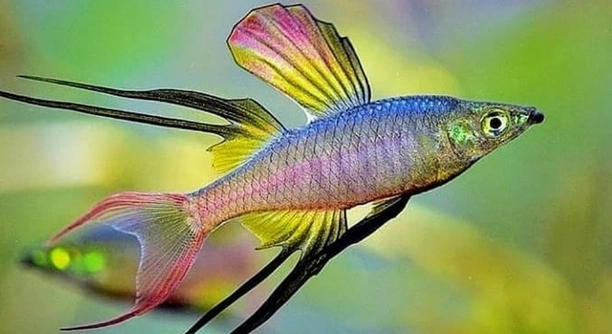
Do you love keeping tropical fish but find yourself unsure how to create a comfortable home for a Threadfin Rainbowfish? Setting up a tank that suits their needs can feel overwhelming at first.
The key to building a Threadfin Rainbowfish-friendly tank involves providing stable water conditions, appropriate tank size, and a balanced environment. Proper substrate, plants, and hiding spaces support their natural behavior and promote overall health and longevity.
Knowing the right steps early will make maintaining a thriving rainbowfish tank simpler and more rewarding for both you and your fish.
Choosing the Right Tank Size
Threadfin Rainbowfish are active swimmers that need space to thrive. A minimum 30-gallon tank is recommended for a small group, though larger tanks are better for maintaining stable water conditions. Crowding can stress the fish, making them more prone to illness and reducing their vibrant coloration. The tank should be longer than it is tall, giving them room to move horizontally. Avoid tanks that are too narrow, as this restricts swimming and natural schooling behavior. Proper tank size also allows for better oxygen circulation and easier maintenance of water quality. When planning a community setup, consider other species’ space needs and temperament to prevent conflicts. In addition to size, tank shape and placement in your home are important, as Threadfin Rainbowfish prefer calm surroundings and moderate light. A thoughtfully chosen tank helps your fish feel secure while encouraging active, healthy behavior.
Maintaining a larger tank is easier for keeping water parameters stable. More space reduces stress and supports healthy growth.
A well-sized tank allows you to create a balanced environment with plants, hiding spots, and open swimming areas. It also provides flexibility for decorations, filtration systems, and potential tank mates. By prioritizing space, you minimize stress, which in turn supports better immune function and reduces the risk of disease. Threadfin Rainbowfish exhibit brighter colors and more natural behavior when they have adequate room to move freely, making their display more enjoyable. Furthermore, larger tanks are more forgiving if minor mistakes occur during water changes or feeding. Planning for growth and social dynamics from the start ensures a long-lasting, thriving setup.
Water Conditions and Filtration
Consistent water quality is essential for Threadfin Rainbowfish. They prefer slightly acidic to neutral water with stable temperature and low nitrate levels.
A reliable filtration system helps maintain water clarity and removes waste efficiently. Regular monitoring ensures the environment remains suitable for healthy fish.
Filtration should include mechanical, chemical, and biological components to handle debris, toxins, and beneficial bacteria. Overfeeding can quickly degrade water quality, so feed small amounts that are consumed within minutes. Regular water testing for pH, ammonia, nitrite, and nitrate levels is necessary to prevent fluctuations that stress fish. Temperature should remain between 74°F and 80°F, with minor daily changes tolerated but rapid swings avoided. Adding live plants can help absorb nitrates while providing hiding spots and reducing algae growth. Gentle water flow is ideal, as strong currents can tire fish and disrupt natural schooling. Proper setup of filters and consistent maintenance routines ensures a stable habitat, promoting vibrant coloration, active swimming, and overall long-term health.
Selecting Suitable Tank Plants
Live plants provide shelter and improve water quality by absorbing excess nutrients. Threadfin Rainbowfish feel safer with densely planted areas and open swimming zones.
Choosing hardy plants like Java Fern, Anubias, and Vallisneria works well. These species tolerate moderate light and do not require special substrates. Floating plants offer additional cover, reducing stress and mimicking natural habitats. Plant placement should balance hiding spots with swimming space. Avoid overcrowding, as it can restrict movement and complicate cleaning. Regular pruning keeps plants healthy and prevents decay, which can affect water quality. Integrating a variety of plant heights and textures encourages natural behavior and creates a visually appealing tank.
Plants also help reduce algae growth by competing for nutrients. This contributes to a cleaner tank while enhancing aesthetics. Threadfin Rainbowfish will explore the planted areas, making their environment dynamic.
Well-maintained plants stabilize water parameters and provide oxygen. They also enhance breeding conditions if keeping males and females together, encouraging natural displays and activity. Regular care ensures longevity and reduces maintenance issues while benefiting fish health.
Feeding and Nutrition
Threadfin Rainbowfish thrive on a varied diet of flakes, pellets, and live or frozen foods. Providing balanced nutrition supports growth and coloration.
Small, frequent feedings prevent overfeeding and maintain water quality. Include high-protein options like brine shrimp or daphnia to meet their dietary needs.
Feeding multiple food types ensures a complete diet, which promotes vibrant coloration and active behavior. Avoid overfeeding, as uneaten food can quickly pollute the tank and stress the fish. Live foods encourage natural hunting instincts, while high-quality flakes or pellets provide essential vitamins and minerals. Rotating food types also prevents selective feeding and ensures all fish receive adequate nutrition. Observing feeding behavior helps detect early signs of illness or stress, allowing timely intervention. Consistent feeding routines support overall health, energy levels, and longevity, making your tank more lively and balanced.
Choosing Compatible Tank Mates
Threadfin Rainbowfish are peaceful and do best with other non-aggressive species. Avoid larger, territorial fish that may harass them.
Ideal tank mates include small tetras, rasboras, and peaceful livebearers. Similar-sized schooling fish maintain a harmonious environment.
Lighting and Temperature Control
Consistent lighting and stable temperatures are essential for health. Use a moderate light schedule, around 8–10 hours per day, to simulate natural conditions. Avoid direct sunlight, which can cause algae growth and temperature fluctuations.
Temperature should remain between 74°F and 80°F. Use a reliable heater and thermometer for accuracy. Sudden changes can stress fish and suppress immune function. Consistent lighting also supports plant growth and natural coloration, while gentle light helps the fish establish a day-night rhythm. Regularly check equipment to ensure proper operation, preventing long-term health issues or behavioral changes in your fish.
Regular Maintenance
Routine water changes keep the tank clean and water parameters stable. Replace 20–30% of water weekly.
FAQ
How many Threadfin Rainbowfish should I keep together?
Threadfin Rainbowfish are schooling fish and feel most comfortable in groups. A minimum of six individuals is recommended to encourage natural schooling behavior. Smaller groups may become stressed or display shy behavior. Larger groups create a more dynamic and visually appealing tank environment, allowing fish to interact naturally and reduce aggression.
What water parameters are ideal for Threadfin Rainbowfish?
They prefer slightly acidic to neutral water, with a pH between 6.5 and 7.5. Temperature should remain stable between 74°F and 80°F. Ammonia and nitrite levels must always be at zero, and nitrates kept low through regular water changes. Stability is more important than hitting exact numbers.
What should I feed my Threadfin Rainbowfish?
A varied diet is best. High-quality flakes or pellets provide essential nutrients, while live or frozen foods like brine shrimp, daphnia, and bloodworms add protein. Feeding small amounts 2–3 times daily prevents overfeeding and helps maintain water quality. Rotating food types ensures balanced nutrition and vibrant coloration.
Can Threadfin Rainbowfish live with other fish?
Yes, they are peaceful and thrive with similarly sized, non-aggressive species. Avoid large or territorial fish that may bully them. Small tetras, rasboras, and peaceful livebearers are excellent tank mates. Maintaining harmony reduces stress and allows the fish to display natural behavior.
How do I encourage breeding in Threadfin Rainbowfish?
Provide plenty of plants or spawning mops for egg-laying. Maintain stable water conditions and feed high-protein foods to condition males and females. Removing eggs or providing a separate breeding tank can increase fry survival rates. Temperature near the higher end of their range may also stimulate spawning.
What common health issues should I watch for?
Stress from poor water quality or overcrowding can lead to illness. Watch for signs like clamped fins, faded colors, or unusual swimming patterns. Parasites and bacterial infections are common but preventable with clean water and a balanced diet. Early intervention improves recovery chances.
How often should I change the water?
Regular water changes are crucial. Replace 20–30% of the tank water weekly. Frequent small changes are better than infrequent large ones, as they maintain stable parameters and reduce stress. Always treat new water to remove chlorine or chloramine before adding it to the tank.
Do Threadfin Rainbowfish need special lighting?
Moderate lighting for 8–10 hours a day works best. It supports plant growth and natural fish behavior without causing excessive algae. Avoid strong direct sunlight, which can overheat the tank and create water quality problems. Consistent light helps establish a healthy day-night cycle.
Can I keep Threadfin Rainbowfish in a planted tank?
Yes, they thrive in planted tanks. Plants provide hiding spots, reduce stress, and help absorb excess nutrients. Hardy species like Java Fern, Anubias, and Vallisneria are ideal. Floating plants offer additional cover while creating a more natural environment. Balance open swimming areas with dense planting.
How long do Threadfin Rainbowfish live?
With proper care, they can live up to 5–7 years. Stable water conditions, balanced nutrition, and low-stress tank environments support longevity. Regular monitoring and preventive care help ensure the fish reach their full lifespan while maintaining vibrant colors and active behavior.
What is the best substrate for their tank?
Fine gravel or sand is preferred. Substrates that are too rough can damage fins, while bare tanks reduce natural behavior. A light-colored substrate enhances their coloration and makes observing their activity easier. Avoid substrates that alter pH drastically.
How do I handle sudden changes in behavior?
Changes such as hiding, lethargy, or loss of color often indicate stress, illness, or poor water quality. Test water parameters, check for disease, and observe interactions with tank mates. Correcting environmental issues quickly helps prevent long-term problems.
Are Threadfin Rainbowfish suitable for beginners?
Yes, they are hardy if proper care is provided. Stable water parameters, a suitable tank size, regular maintenance, and a varied diet make them manageable for first-time aquarium keepers. Observing behavior and maintaining routine care ensures their health and activity.
Can they tolerate a community tank?
They do well in community setups with peaceful fish. Ensure other species are non-aggressive and similar in size. Avoid fin-nipping or territorial fish, as this can cause stress and injury. A balanced community promotes harmony and reduces stress-related health issues.
How do I prevent algae growth in the tank?
Moderate lighting, proper feeding, and regular water changes help control algae. Plants compete for nutrients, reducing algae growth naturally. Avoid overfeeding and maintain a consistent cleaning routine for decorations, substrate, and glass surfaces.
What equipment is essential for their tank?
A reliable heater, thermometer, and filtration system are necessary. Optional items include a water test kit, air pump, and plant fertilizers. Proper equipment ensures stable water parameters, supports healthy plants, and maintains a clean, balanced environment for the fish.
How do I acclimate new fish to the tank?
Float the bag in the tank for 15–20 minutes, then gradually mix tank water into the bag. Slowly release the fish after acclimation to reduce stress. Avoid sudden temperature or pH changes, as these can shock the fish and lead to illness.
Are Threadfin Rainbowfish sensitive to water hardness?
They tolerate soft to moderately hard water. Extreme hardness or sudden changes should be avoided. Consistent water conditions are more important than exact hardness values. Maintaining stable parameters promotes health, coloration, and natural behavior in the aquarium environment.
Can I breed them in a community tank?
Breeding is possible but challenging due to egg predation by other fish. Providing dense plants or separate breeding tanks improves survival rates. Removing adults after spawning or providing protected areas increases the likelihood of fry reaching maturity.
How do I reduce stress in the tank?
Maintain stable water parameters, provide hiding spaces, and avoid aggressive tank mates. Consistent feeding routines, moderate lighting, and a calm environment support overall well-being. Stress reduction enhances coloration, activity, and immune function, improving longevity and fish health.
This FAQ covers the most common questions about caring for Threadfin Rainbowfish, helping you maintain a healthy, thriving tank.
Final Thoughts
Caring for Threadfin Rainbowfish requires a careful approach to tank setup, water quality, feeding, and companionship. These fish thrive in stable, well-maintained environments with plenty of swimming space, plants for shelter, and peaceful tank mates. A tank that meets these basic needs helps them display natural behaviors and maintain vibrant coloration. Even small oversights, such as overcrowding or irregular water changes, can lead to stress and health issues. Paying attention to water parameters like temperature, pH, and nitrate levels is essential. Consistent monitoring ensures that any minor problems are caught early before they affect the fish’s overall health.
Feeding is another important aspect of care. A varied diet of high-quality flakes, pellets, and live or frozen foods provides the necessary nutrients to support growth, coloration, and energy. Overfeeding or neglecting dietary variety can quickly affect water quality and fish health. By offering balanced nutrition and observing feeding behavior, you can identify potential issues early and adjust the routine accordingly. Additionally, including plants in the tank not only provides hiding spaces but also supports water quality by absorbing excess nutrients. Proper plant maintenance, such as pruning and selecting suitable species, contributes to a healthier environment and encourages natural behavior.
Maintaining a Threadfin Rainbowfish tank can be very rewarding with consistent care and attention. Regular water changes, proper filtration, and temperature management create a stable environment that promotes longevity and reduces disease risk. Selecting compatible tank mates and providing adequate hiding spots keeps stress levels low, allowing the fish to thrive socially. Over time, watching a healthy school of Threadfin Rainbowfish swim actively and display their natural colors can be a satisfying experience. By understanding their basic needs and committing to routine maintenance, it is possible to create a thriving, visually appealing aquatic setup. This approach ensures that the fish remain healthy, active, and a joy to observe for years to come.

Hello,
If you enjoy the content that we create, please consider saying a "Thank You!" by leaving a tip.
Every little bit helps us continue crafting quality advice that supports the health, happiness, and well-being of pets around the world, for pets of all shapes, sizes, and species.
We really appreciate the kindness and support that you show us!