
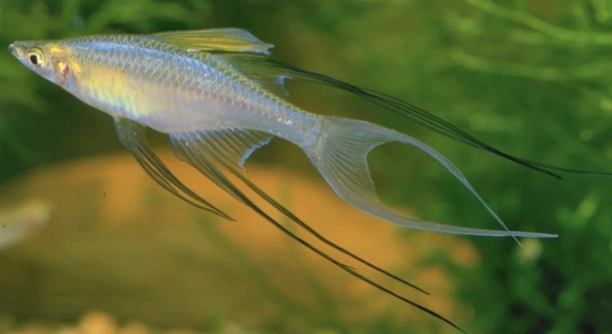
Do you enjoy keeping vibrant freshwater fish and want to ensure their well-being? Threadfin Rainbowfish are colorful additions to home aquariums, and understanding their natural behaviors can help you provide a suitable environment for spawning.
Threadfin Rainbowfish exhibit specific behavioral and physical changes before spawning. Males display intensified coloration, particularly along the fins and body, while engaging in increased chasing of females. Females may develop a slightly rounded belly, indicating egg development.
Observing these subtle signals can make all the difference in successful breeding. Proper recognition ensures your fish remain healthy while increasing spawning success.
Recognizing Pre-Spawning Behavior
Before Threadfin Rainbowfish spawn, their behavior changes noticeably. Males often swim closer to females, displaying brighter colors and flaring fins to attract attention. They may chase females around the tank or hover near plants, signaling readiness to mate. Females usually become less active but appear fuller in the belly as eggs develop. Feeding habits also shift slightly; fish may eat more frequently or become more selective, focusing on high-protein foods like brine shrimp or daphnia. Observing these behaviors daily can help determine the right time to prepare a spawning area. Providing fine-leaved plants or spawning mops allows females to lay eggs safely, reducing stress for both genders. Lighting and water conditions can influence activity levels, so maintaining stable temperature, pH, and gentle filtration supports natural behavior. Even small adjustments can encourage spawning and improve overall fish health. Patience and careful observation are key to understanding these subtle cues.
Tracking behavior consistently helps predict spawning more accurately, giving your fish optimal conditions.
Careful observation of swimming patterns, color changes, and feeding habits is essential. Maintaining consistent water quality ensures fish remain healthy and ready to reproduce naturally.
Preparing the Tank for Spawning
A separate breeding tank prevents eggs from being eaten and reduces stress for adults. Fine-leaved plants or spawning mops provide surfaces for eggs.
Water temperature should be stable, ideally between 78–82°F, with slightly soft water to encourage egg development. Lighting should mimic natural daylight, with around 10–12 hours of light daily. Gentle filtration prevents strong currents that can dislodge eggs while maintaining oxygen levels. Avoid overcrowding; a small group of healthy males and females improves breeding success. Feeding high-quality protein-rich foods boosts egg production and overall energy. Remove any aggressive fish to prevent harassment, which may inhibit spawning. Observing fish behavior in this controlled environment helps determine the best time to remove eggs for incubation if desired. Monitoring water parameters daily ensures consistent conditions, preventing stress that can delay or stop spawning.
With careful preparation and attention to detail, Threadfin Rainbowfish can spawn successfully, supporting healthy growth of the next generation. Consistent care maximizes their chances of reproduction while keeping the tank environment stable and safe.
Spawning Triggers
Temperature changes, increased feeding, and longer daylight hours can stimulate spawning in Threadfin Rainbowfish. Consistent water quality and stable conditions are equally important. Stress from sudden changes or aggressive tank mates can prevent breeding.
A diet rich in live or frozen protein sources, such as brine shrimp, daphnia, or bloodworms, significantly boosts reproductive readiness. Males show brighter coloration and more persistent courtship behavior when adequately nourished. Gradually raising the temperature by a few degrees over several days mimics natural seasonal shifts, further encouraging spawning. Maintaining a calm environment with minimal disturbances ensures that females feel safe to lay eggs. Observing subtle behavioral cues, like hovering near plants or increased chasing, helps identify the optimal time to introduce spawning surfaces. Adequate preparation improves egg viability and reduces stress-related issues, creating favorable conditions for successful breeding.
Lighting schedules also play a crucial role. Extending daylight hours gradually encourages natural reproductive cycles, signaling to Threadfin Rainbowfish that conditions are ideal for spawning. Maintaining stable water parameters, including pH and hardness, prevents unnecessary stress, supporting consistent egg development. Monitoring fish closely allows for timely intervention if aggression or illness threatens the spawning process. Providing hiding spots and delicate spawning surfaces further increases the likelihood of a successful breeding outcome.
Caring for Eggs and Fry
Remove eggs promptly to protect them from adult fish, who may eat them. Keep water clean and well-oxygenated.
Eggs usually hatch in about seven days, depending on temperature. During this time, monitor water quality closely, maintaining stable temperature, pH, and gentle filtration. Avoid sudden water changes that can disturb eggs. After hatching, fry are tiny and sensitive. Start feeding them infusoria or specialized liquid fry food for the first week. Gradually introduce newly hatched brine shrimp as they grow, ensuring proper nutrition for healthy development. Removing uneaten food and keeping the tank clean prevents fungal growth and maintains oxygen levels. Adequate lighting, warmth, and minimal stress are essential during this delicate stage. Observing growth patterns and behavior helps identify any issues early, improving survival rates.
Fry growth can be rapid if conditions are stable. Monitoring feeding, water quality, and temperature ensures strong, healthy juveniles. Consistent care during these early days establishes a solid foundation for their long-term development.
Identifying Male and Female Differences
Males are more colorful and display longer fins, especially during breeding periods. Females are generally smaller, with a rounder belly when carrying eggs. Observing these physical differences helps prepare for spawning.
During courtship, males chase females more actively and flare their fins. Females respond by hovering near plants or hiding slightly. Recognizing these patterns ensures you can provide proper conditions and separate breeding pairs if necessary.
Timing the Spawning
Threadfin Rainbowfish typically spawn in the morning hours when water conditions are stable. Gradual temperature increases and consistent feeding schedules encourage reproductive behavior. Observing subtle cues daily helps identify the optimal spawning window for egg laying and fertilization.
Maintaining Water Quality
Clean, stable water is crucial for both adults and fry. Regular testing and gentle filtration prevent stress and support healthy development.
FAQ
How often do Threadfin Rainbowfish spawn?
Threadfin Rainbowfish can spawn multiple times throughout the year if conditions are optimal. With stable water parameters, proper diet, and suitable tank setup, males and females may breed every few weeks. Regular observation of courtship behavior helps determine when a new spawning cycle is approaching.
What is the ideal water temperature for spawning?
A stable temperature between 78–82°F is best for inducing spawning. Gradual increases of a few degrees can simulate seasonal changes, encouraging reproductive behavior. Sudden fluctuations can stress the fish and reduce egg viability. Maintaining consistent heating ensures successful fertilization and egg development.
Do I need a separate breeding tank?
Using a separate breeding tank prevents adults from eating the eggs and reduces stress for both males and females. Fine-leaved plants or spawning mops give females a safe place to lay eggs, improving survival rates of the fry.
How long do the eggs take to hatch?
Under ideal conditions, eggs usually hatch within seven days. Water temperature and quality affect hatching time. During this period, gentle filtration and minimal disturbance are essential to protect developing embryos.
What should I feed the fry?
Newly hatched fry require very small food like infusoria or specialized liquid fry food. After a week, gradually introduce freshly hatched brine shrimp. Frequent, small feedings ensure proper growth without fouling the water. Maintaining cleanliness is essential to prevent fungal growth.
Can I leave the eggs with adult fish?
Leaving eggs with adults is risky. Adults often eat their own eggs, reducing survival rates. Removing eggs to a dedicated incubation tank significantly increases the number of fry that survive and grow healthily.
How do I know if the fish are ready to spawn?
Males display brighter colors, flare fins, and chase females. Females develop a rounder belly and may hover near plants. Observing these behaviors consistently indicates they are prepared for breeding. Subtle changes in activity levels and feeding habits can also signal readiness.
What water conditions support healthy spawning?
Stable pH, moderate hardness, and clean water are essential. Gentle filtration prevents strong currents that can dislodge eggs. Regular monitoring and small, controlled water changes help maintain optimal conditions, reducing stress for both adults and developing fry.
Is lighting important for breeding?
Yes. Extending daylight hours gradually encourages natural reproductive cycles. Around 10–12 hours of light daily mimics natural conditions and signals the fish that it is the right time to spawn. Avoid sudden changes in lighting to prevent stress.
How long should I keep fry in the breeding tank?
Keep fry in a controlled environment until they are strong enough to handle general tank conditions. Usually, after a few weeks, they are large enough to be transferred. Gradual acclimation to the main tank ensures minimal stress and better survival.
Can Threadfin Rainbowfish spawn without plants?
They can spawn without plants, but survival rates are lower. Plants or spawning mops provide secure surfaces for eggs, reducing predation by adults and supporting healthier fry development. Mimicking natural spawning environments improves outcomes significantly.
How do I prevent fungal infections on eggs?
Maintain clean water, remove uneaten food, and provide gentle aeration. Fungal infections often develop in stagnant or dirty water. Using antifungal treatments designed for eggs can help, but prevention through proper care is most effective.
What signs indicate a successful spawning?
A high number of eggs attached to plants or mops, consistent courtship behavior, and active, healthy fry indicate successful spawning. Tracking these signs ensures timely care and proper tank management.
How often should I feed adult fish during spawning?
Feeding adults two to three times daily with high-protein foods supports energy levels and reproductive readiness. Overfeeding should be avoided to maintain water quality. Adequate nutrition directly impacts egg quantity and quality.
Can I encourage multiple spawnings in a short period?
Yes, with stable conditions, high-quality diet, and careful monitoring. After a successful spawn, remove eggs promptly and maintain optimal water parameters to encourage the next reproductive cycle without stressing the fish.
What is the survival rate of fry in a home aquarium?
Survival rates vary depending on water quality, nutrition, and protection from adults. Using a separate breeding tank, clean water, and proper feeding can result in a high percentage of fry reaching juvenile stage, often above 70–80% in controlled conditions.
How do I handle aggressive males during spawning?
Aggressive males can stress females and damage eggs. Providing hiding spots, separating overly aggressive individuals, or limiting the number of males per female helps maintain calm conditions and increases spawning success.
What equipment is necessary for successful breeding?
Essential equipment includes a small breeding tank, gentle filtration, heater for stable temperature, fine-leaved plants or spawning mops, and water testing kits. Optional items like fry nets or small siphons help in egg and fry care, ensuring a controlled environment.
How do I transition fry to the main tank?
Gradually acclimate fry by slowly adjusting water temperature and chemistry. Introduce them to the main tank in stages to minimize stress. Feeding them small, nutritious foods during this period supports healthy growth and strengthens their immune systems.
Can I reuse spawning mops for multiple cycles?
Yes, if cleaned gently between uses. Removing debris and eggs while avoiding harsh chemicals ensures mops remain safe and effective for future spawning events. Reusing mops saves time and provides familiar surfaces that encourage females to lay eggs.
This FAQ covers common concerns and provides practical guidance for managing Threadfin Rainbowfish breeding, ensuring healthier adults and higher fry survival rates.
Final Thoughts
Breeding Threadfin Rainbowfish can be both rewarding and educational. Observing the subtle behaviors of males and females as they prepare to spawn teaches patience and careful attention to detail. Recognizing signs like color changes, chasing behavior, and rounded bellies allows you to provide the right conditions at the right time. Ensuring water stability, appropriate temperature, and a consistent feeding schedule are critical steps for creating a supportive environment for successful spawning. Even minor adjustments, such as adding fine-leaved plants or spawning mops, can make a significant difference in egg survival. Understanding these aspects improves both the health of the adult fish and the viability of the eggs. Over time, this attention to detail becomes part of the daily care routine, making the process manageable and enjoyable. Watching the development of fry from eggs to active juveniles adds a sense of accomplishment and strengthens the bond with your aquarium inhabitants.
Successful breeding also depends on proper preparation and maintenance. Removing eggs promptly to a separate tank prevents predation and increases survival rates. During the incubation period, maintaining clean water and gentle filtration is essential, as fry are sensitive to fluctuations and stress. Feeding newly hatched fry with suitable foods such as infusoria or liquid fry food ensures they receive proper nutrition from the start. Gradually introducing larger foods like brine shrimp as they grow supports healthy development. Regular monitoring of water parameters, feeding habits, and fry growth prevents common issues such as fungal infections or stunted development. A consistent approach helps maintain a stable, safe environment that supports both adults and fry. With attention and care, breeding Threadfin Rainbowfish can be a smooth and rewarding experience, leading to strong, healthy juveniles ready to thrive in a well-maintained aquarium.
Patience is key when working with Threadfin Rainbowfish. Each stage, from recognizing pre-spawning behavior to raising fry, requires observation and timely intervention. Avoiding sudden changes in temperature, lighting, or tank conditions minimizes stress, which can negatively impact reproduction. While the process may seem complex at first, consistent routines and careful monitoring simplify management over time. Creating a supportive environment encourages natural behaviors, leading to repeated successful spawns. Observing the full life cycle, from courtship to fry development, provides insight into fish behavior and improves overall aquarium management skills. By paying attention to small details, you can ensure that both adults and fry remain healthy, fostering a thriving aquarium community. Breeding these fish successfully is not only about achieving more fry but also about understanding their needs, providing appropriate care, and enjoying the process of seeing healthy, vibrant fish grow and develop over time.

Hello,
If you enjoy the content that we create, please consider saying a "Thank You!" by leaving a tip.
Every little bit helps us continue crafting quality advice that supports the health, happiness, and well-being of pets around the world, for pets of all shapes, sizes, and species.
We really appreciate the kindness and support that you show us!