
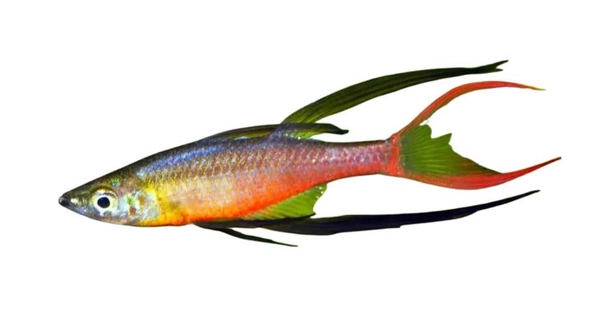
Do you enjoy keeping aquariums but find yourself wondering how to keep your Threadfin Rainbowfish healthy and vibrant over time? Caring for these colorful fish requires attention to both water quality and daily upkeep routines.
Maintaining Threadfin Rainbowfish health involves consistent monitoring of water parameters, cleaning the tank environment, providing a balanced diet, and ensuring proper filtration. Regular attention to these factors minimizes stress, prevents disease, and promotes optimal growth and activity levels in the species.
Understanding these maintenance practices can transform your aquarium into a thriving, lively habitat. Proper care ensures your Threadfin Rainbowfish remain healthy and active for years to come.
Regular Water Changes
Maintaining clean water is essential for Threadfin Rainbowfish health. I always make it a routine to replace about 20-25% of the tank water weekly. This removes accumulated waste and prevents harmful chemical buildup that could stress the fish. It’s important to treat tap water with a dechlorinator before adding it back into the tank, as chlorine and chloramine can damage gill tissue and upset the beneficial bacterial balance. Monitoring water temperature during changes is also key. Sudden drops or spikes can shock your fish and weaken their immune system. Over time, consistent water changes help reduce algae growth, maintain clarity, and create a more stable environment. Observing your fish during these changes also gives insight into their overall behavior and health. It’s a simple step that has a significant impact on preventing disease and ensuring vibrant, active fish that display their natural colors fully.
Consistent water changes protect against stress, toxins, and disease, keeping your Rainbowfish active and healthy in their habitat.
By staying on schedule with water changes, you also maintain the chemical balance that supports plant life and beneficial bacteria. Clean water prevents nitrite and ammonia spikes, which are highly toxic to fish. Regular observation during water replacement can help spot early signs of illness or unusual behavior. Even small adjustments, like changing water temperature gradually, make a noticeable difference. Over time, your fish will appear more energetic, and their colors will become richer. This habit not only ensures their long-term well-being but also enhances the aesthetic appeal of the tank, creating a pleasing and balanced aquatic environment.
Balanced Diet and Feeding
Providing a varied diet keeps Threadfin Rainbowfish healthy and active. Feeding high-quality flakes, frozen foods, and occasional live food ensures they receive necessary nutrients.
A balanced feeding schedule prevents overfeeding and reduces water pollution, which is crucial for maintaining a healthy tank ecosystem.
In my experience, offering small, frequent meals instead of one large portion helps Rainbowfish digest food properly and prevents leftover waste from fouling the water. I rotate between protein-rich frozen foods, such as bloodworms or brine shrimp, and vegetable-based flakes to cover all nutritional needs. Avoiding overfeeding also reduces the risk of obesity and digestive issues, while promoting natural activity as they search and consume their meals. Observing how your fish respond to different foods can indicate their health status, appetite, and social behavior. Feeding becomes a form of monitoring and care. Over time, providing a consistent, balanced diet contributes to vibrant colors, improved immunity, and longer lifespan.
Proper Filtration
Filtration is critical for keeping water clean and safe for Threadfin Rainbowfish. A reliable filter removes debris, excess food, and waste, maintaining oxygen levels and water clarity while supporting beneficial bacteria growth in the tank.
I prefer using a filter rated for slightly more than the tank’s volume to ensure efficient circulation. Mechanical filtration removes particles, chemical filtration eliminates toxins, and biological filtration nurtures beneficial bacteria that break down harmful ammonia and nitrites. Regular maintenance of the filter is necessary to prevent clogging and maintain water flow. Checking the filter weekly allows me to notice any performance issues early. A properly functioning filter reduces stress and creates a stable environment, which directly affects the fish’s health, activity, and coloration. Investing in a quality filtration system pays off by reducing water problems and minimizing the frequency of full tank cleanings.
Consistent filter maintenance prevents buildup of harmful substances, supporting long-term Rainbowfish health and creating a visually clear, thriving tank environment.
Regular inspection of filter media is essential. I rinse mechanical sponges in tank water to preserve beneficial bacteria, while replacing carbon and chemical media according to the manufacturer’s instructions. A clogged or inefficient filter can quickly lead to ammonia spikes and cloudy water, which stresses fish and encourages disease. I monitor water parameters weekly to ensure the filter is performing well. Combining this with consistent partial water changes keeps the tank balanced. Observing the fish’s behavior and color intensity confirms whether the filtration system is effective. Proper filtration simplifies overall tank management and keeps Rainbowfish lively and healthy over time.
Temperature and Environment Control
Maintaining stable water temperature is essential for Threadfin Rainbowfish. Fluctuations can stress the fish, weaken immunity, and reduce activity levels.
I use a reliable heater with a thermostat to keep the water between 24–28°C. Monitoring with a separate thermometer ensures accuracy. Adding plants, hiding spots, and gentle water flow mimics their natural habitat, reducing stress and promoting natural behavior. Avoiding direct sunlight or drafts prevents sudden temperature changes. Proper environmental setup encourages healthy swimming patterns and strengthens social interaction among the fish. Combining temperature control with clean water and balanced feeding creates a stable, thriving tank. Over time, this consistency results in more vibrant coloration, improved immune response, and longer lifespan for your Threadfin Rainbowfish.
Regular Tank Cleaning
Cleaning the tank prevents buildup of algae, waste, and uneaten food that can harm Threadfin Rainbowfish. I use a siphon to remove debris from the substrate without disturbing the fish too much.
Glass and decorations also benefit from gentle scrubbing to maintain a visually clear and healthy environment for the fish.
Monitoring Water Parameters
Testing water regularly is vital for fish health. I check pH, ammonia, nitrite, and nitrate levels weekly to ensure a stable environment. Sudden shifts can stress fish and increase susceptibility to disease. Using reliable test kits allows me to detect issues early. Maintaining consistent water quality helps Rainbowfish thrive, swim actively, and display natural colors. Adjustments, such as partial water changes or adding buffers, are made promptly based on test results. Monitoring parameters gives me confidence that the tank remains balanced, supporting the long-term health and vitality of all aquatic life in the aquarium.
Observing Fish Behavior
Watching Rainbowfish daily helps detect early signs of illness. Changes in swimming patterns, color, or appetite often indicate underlying issues.
FAQ
How often should I change the water in my Threadfin Rainbowfish tank?
I change about 20–25% of the tank water weekly. This removes waste and prevents toxins from building up. Using treated water at the same temperature helps avoid shocking the fish. Consistent water changes reduce stress and promote healthy growth and vibrant coloration.
What type of food is best for Threadfin Rainbowfish?
A varied diet works best. I feed high-quality flakes, frozen foods like bloodworms or brine shrimp, and occasional live food. Rotating protein and plant-based options ensures proper nutrition, supports immune function, and encourages natural feeding behavior. Small, frequent meals prevent leftover food from fouling the water.
How do I maintain the filter effectively?
I check the filter weekly and rinse mechanical media in tank water to preserve beneficial bacteria. Carbon or chemical media are replaced according to manufacturer instructions. Proper filtration keeps water clear, reduces toxins, and stabilizes chemical parameters, supporting fish health.
What is the ideal water temperature?
Threadfin Rainbowfish thrive between 24–28°C. I use a heater with a thermostat and monitor with a thermometer. Sudden temperature changes can stress fish and increase disease risk. Maintaining stable temperatures encourages activity, proper metabolism, and vibrant coloration.
How can I prevent algae growth?
Regular partial water changes, proper lighting, and avoiding overfeeding help control algae. I also clean decorations and glass gently. Live plants compete with algae for nutrients, further reducing its presence. A balanced environment keeps the tank clean and healthy.
How often should I test water parameters?
I test weekly for pH, ammonia, nitrite, and nitrate. Early detection of spikes allows quick adjustments. Stable parameters reduce stress, prevent illness, and promote active swimming and natural coloration in Threadfin Rainbowfish.
What signs indicate my Rainbowfish might be sick?
Changes in color, swimming patterns, or appetite often indicate illness. I watch for clamped fins, lethargy, or unusual spots. Promptly isolating affected fish and addressing water quality or dietary issues helps prevent disease spread.
Is tank size important for Threadfin Rainbowfish?
Yes, they need space to swim freely. I use at least a 30-gallon tank for a small school. Overcrowding increases stress, reduces water quality, and may trigger aggression or illness. Adequate space supports social behavior and overall health.
Can I keep Threadfin Rainbowfish with other species?
They are generally peaceful and do well with other non-aggressive fish. I avoid fin-nippers or very small species that may be stressed. Observing interactions ensures a calm, stable community that promotes healthy behavior and reduces stress-related illness.
How do I maintain plants and decorations safely?
I clean decorations gently without harsh chemicals and prune live plants regularly. Substrate vacuuming removes detritus without disturbing plants. Healthy plants improve water quality, provide hiding spots, and reduce stress, creating a natural environment that benefits the Rainbowfish.
What is the best way to introduce new fish?
I quarantine new fish for 2–3 weeks before adding them to the main tank. Gradually acclimating them to temperature and water parameters reduces stress and prevents introducing disease. Careful integration protects the health of both new and existing fish.
How can I encourage natural behavior in Threadfin Rainbowfish?
Providing hiding spots, open swimming areas, and a balanced diet promotes exploration and activity. I add plants and decorations that mimic natural habitats. Observing social interactions and responding to their needs supports mental stimulation and reduces stress, keeping fish active and healthy.
What should I do if my water parameters fluctuate?
Immediate partial water changes help stabilize conditions. I also check the filter, feeding routines, and temperature. Gradual adjustments prevent shocking the fish. Maintaining consistent monitoring reduces recurring fluctuations and ensures long-term Rainbowfish health.
Are there specific signs of stress in Threadfin Rainbowfish?
Yes, rapid gill movement, hiding excessively, clamped fins, or loss of color often indicate stress. Addressing water quality, tank environment, and social conditions helps restore normal behavior and prevent illness.
Can I breed Threadfin Rainbowfish at home?
Breeding is possible in a well-maintained, slightly larger tank with stable water parameters. I provide plants for egg laying and separate adults from fry after hatching. Feeding small, nutritious foods to the fry ensures proper growth and survival.
How do I manage aggression in a school?
I maintain an appropriate group size of at least six to distribute social hierarchy. Adequate space, hiding spots, and balanced feeding reduce conflict. Observing fish interactions helps identify overly aggressive individuals and allows timely interventions to prevent injuries.
What is the lifespan of Threadfin Rainbowfish with proper care?
With consistent maintenance, a balanced diet, and a stable environment, Threadfin Rainbowfish can live 5–8 years. Providing clean water, proper temperature, and regular monitoring ensures a long, healthy life in captivity.
How can I keep colors vibrant?
A balanced diet, clean water, and stress-free environment enhance natural coloration. I include high-quality protein and plant-based foods, stable water parameters, and consistent temperature. Active swimming and proper social interaction also support their bright, iridescent hues.
What should I do during illness outbreaks?
Quarantine affected fish immediately and treat according to the specific disease. Adjust water parameters, improve filtration, and maintain cleanliness. Early intervention prevents spread and ensures recovery while protecting the overall health of the tank.
How do I prevent overfeeding?
I feed small portions 2–3 times daily, removing uneaten food within a few minutes. Overfeeding pollutes water, stresses fish, and can cause digestive issues. Controlled feeding supports optimal growth, activity, and water quality.
What equipment is essential for a healthy tank?
I rely on a reliable heater, thermometer, quality filter, and test kits for water parameters. Substrate cleaning tools and proper lighting support plant growth and maintain a balanced environment, ensuring long-term health for Threadfin Rainbowfish.
How often should decorations and substrate be cleaned?
I clean the substrate and decorations during partial water changes, removing accumulated waste without disrupting beneficial bacteria. This routine maintains water clarity, prevents algae buildup, and provides a safe, healthy environment for swimming and exploration.
Are there specific tank mates to avoid?
I avoid aggressive or fin-nipping fish, as they stress Threadfin Rainbowfish. Very small species may be bullied or stressed in a shared tank. Choosing compatible, peaceful species ensures stable social interactions and reduces health risks.
How do I handle sudden illness or death?
I remove the affected fish immediately and check water parameters. Quarantine new additions and assess feeding, filtration, and environmental conditions to prevent recurrence. Prompt action protects the health of remaining fish and maintains tank stability.
What is the best method for acclimating new Rainbowfish?
I float the bag in the tank for 15–20 minutes to match temperature, then gradually add tank water in intervals. This reduces stress and helps the fish adjust safely to the new environment.
How can I maintain consistent tank lighting?
I use a timer for 8–10 hours daily to simulate a natural day-night cycle. Consistent lighting supports plant growth, regulates fish behavior, and reduces algae overgrowth. Avoiding sudden changes minimizes stress and keeps fish active.
How do I know if my fish are eating properly?
Active feeding, bright coloration, and normal swimming indicate proper intake. Uneaten food, weight loss, or lethargy may suggest dietary or health issues. Monitoring behavior helps maintain nutritional balance and overall well-being.
Can Threadfin Rainbowfish live alone?
They are schooling fish and thrive in groups of six or more. Alone, they may become stressed, less active, and lose coloration. Proper social grouping supports natural behavior, reduces stress, and promotes health.
How do I maintain a long-term healthy tank?
Regular water changes, proper filtration, balanced diet, stable temperature, and observation of behavior are essential. Maintaining plants, cleaning decorations, and monitoring water parameters ensures a thriving environment and long-lived, healthy Threadfin Rainbowfish.
Final Thoughts
Caring for Threadfin Rainbowfish requires a consistent and thoughtful approach. These fish thrive when their environment is stable, clean, and well-maintained. Regular water changes, proper filtration, and consistent monitoring of water parameters are essential to prevent stress and disease. Paying attention to the chemical balance of the water, including ammonia, nitrite, nitrate, and pH levels, creates a foundation for their health. Gradual adjustments in water temperature and careful acclimation of new fish further reduce stress, allowing the Rainbowfish to adapt comfortably to their habitat. Providing adequate space and avoiding overcrowding supports natural swimming behavior and social interactions, which are vital for their overall well-being. A stable and carefully managed tank environment is the first step toward ensuring long-term vitality.
Feeding also plays a central role in maintaining the health and appearance of Threadfin Rainbowfish. A varied diet that includes high-quality flakes, frozen foods, and occasional live food ensures they receive all necessary nutrients. Offering small, frequent meals prevents uneaten food from accumulating, which can harm water quality. Rotating between protein-rich and plant-based options supports proper growth and strengthens the immune system, keeping the fish active and resilient. Observing feeding behavior can reveal early signs of stress or illness, allowing prompt intervention. The combination of a balanced diet, regular maintenance, and clean water produces visible benefits, including brighter coloration, energetic swimming, and natural social behavior. Over time, these small but consistent practices make a noticeable difference in the health and happiness of the fish.
Beyond the technical aspects of tank maintenance and feeding, observing the daily behavior of Threadfin Rainbowfish is equally important. Monitoring their interactions, swimming patterns, and overall appearance allows for early detection of potential health issues. Simple adjustments, such as adding plants or decorations to create hiding spots, help reduce stress and encourage natural behaviors. Maintaining a harmonious environment supports both individual fish and the school as a whole. When all elements—water quality, filtration, diet, temperature, and social setup—are managed consistently, Threadfin Rainbowfish can thrive for many years. With patience, attention, and routine care, it is possible to maintain a vibrant, active aquarium where the fish display their full natural beauty and remain healthy throughout their lifespan.

Hello,
If you enjoy the content that we create, please consider saying a "Thank You!" by leaving a tip.
Every little bit helps us continue crafting quality advice that supports the health, happiness, and well-being of pets around the world, for pets of all shapes, sizes, and species.
We really appreciate the kindness and support that you show us!