
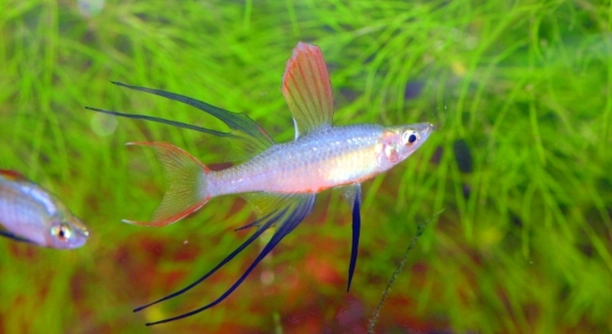
Do your threadfin rainbowfish males seem restless, darting at each other or flaring their fins more often than usual in the aquarium?
Aggression among threadfin rainbowfish males is commonly managed by maintaining proper tank size, adding dense plants, and ensuring balanced male-to-female ratios. These measures reduce territorial disputes, provide visual barriers, and help establish a more peaceful social environment.
Understanding these methods will guide you in creating a calmer tank where your rainbowfish can thrive without unnecessary stress or conflict.
Creating the Right Tank Environment
Threadfin rainbowfish males thrive when their environment is spacious and thoughtfully arranged. A crowded tank often leads to aggression, as males compete for space and dominance. A 20-gallon tank is generally recommended for a small group, with additional space required for larger schools. Plants, driftwood, and rocks should be placed strategically to create hiding spots and visual breaks, helping fish establish territories without constant clashes. Floating plants are especially helpful since they diffuse light and calm active swimmers. Clean water and steady filtration are essential, as stress from poor conditions can worsen aggression. Balanced lighting and stable temperatures also play an important role in reducing tension, making the aquarium feel natural and secure for the fish. With these adjustments, rainbowfish males are less likely to engage in frequent fin-nipping or displays, allowing their graceful movements to stand out.
Adding tall plants and driftwood helps separate territories, reducing male confrontations and giving females space to avoid unwanted attention.
A well-structured tank not only manages aggression but also highlights the rainbowfish’s beauty. Their long fins flow gracefully among plants, creating a peaceful setting. By shaping the environment carefully, you help them display natural behaviors without constant conflict.
Balancing Male-to-Female Ratios
The number of males and females in the tank significantly affects harmony. Keeping too many males without enough females increases competition and stress. A balanced ratio ensures smoother interactions and helps males direct energy toward courtship instead of aggression.
A good guideline is to keep one male with two or three females. This setup spreads attention evenly and prevents a single female from becoming overharassed. When several males are present, the females act as a buffer, giving males less reason to fight continuously. In larger tanks, keeping small harems of rainbowfish reduces stress further, as each male has enough space to establish a territory and display naturally. Introducing all fish at the same time is also beneficial, as it prevents one male from claiming dominance before others arrive. By thoughtfully planning the group dynamic, you encourage vibrant displays of color, calm swimming patterns, and healthier relationships within the school.
Feeding and Stress Reduction
Feeding rainbowfish a balanced diet reduces stress and aggression. A mix of high-quality flakes, frozen foods, and live options keeps them healthy and occupied. Frequent small meals help prevent competitive feeding behaviors that often trigger unnecessary disputes among males.
Providing variety in their diet encourages natural feeding behaviors and lowers aggression levels. Live foods such as brine shrimp or daphnia stimulate activity without creating conflict, while vegetable-based flakes support overall health. Feeding at multiple spots in the tank ensures weaker males are not excluded from meals, preventing unnecessary stress. A consistent feeding schedule keeps energy balanced, reducing tension.
When males receive proper nutrition, they display brighter colors and show less aggression toward one another. Stress from poor feeding habits weakens their immune systems, leading to irritability. Balanced feeding creates a more stable and calm environment, helping rainbowfish focus on natural displays instead of constant dominance challenges.
Monitoring Behavior Closely
Observation is essential when managing rainbowfish aggression. Watching for repeated chasing, fin-nipping, or excessive hiding reveals early signs of conflict. Addressing these behaviors quickly through environmental changes or adjustments in group ratios prevents long-term stress and physical injuries among the fish.
Noticing changes in posture and swimming patterns is just as important as spotting direct aggression. A male that isolates himself or constantly displays flared fins is likely under pressure. Adjusting the tank setup, adding plants, or slightly changing the group balance can ease tension. Maintaining consistent monitoring allows you to act promptly, ensuring harmony. With time, the fish establish a balanced hierarchy, reducing stress and allowing their natural beauty to shine.
Using Tank Dividers When Necessary
Tank dividers are useful when aggression becomes persistent. They allow males to remain in the same tank without direct contact. This setup helps reduce stress while keeping them visible to one another for natural interaction.
Dividers also give weaker males time to recover from stress or fin damage. They create safe sections, making it easier to manage aggression without removing fish completely. This temporary method can restore balance before reintroducing males together.
Introducing New Fish Carefully
Adding new rainbowfish requires patience and planning. Introducing them all at once reduces territorial behavior, while rearranging decorations helps prevent older residents from feeling possessive. A quarantine period ensures new fish are healthy before mixing with the existing group. Careful introductions lower risks of aggression and illness.
Keeping Water Conditions Stable
Stable water parameters reduce unnecessary stress that often fuels aggression. Regular monitoring of temperature, pH, and ammonia levels ensures the aquarium stays balanced. Clean, healthy water makes rainbowfish calmer and more tolerant of one another.
FAQ
Why do male threadfin rainbowfish show aggression?
Male threadfin rainbowfish show aggression mainly due to competition for territory, space, and mates. In smaller tanks or poorly arranged environments, their natural need to establish dominance becomes more intense. This behavior includes chasing, flaring fins, and occasional fin-nipping. It is not unusual, but when left unmanaged, it can cause stress for both males and females. By providing more space, visual barriers with plants, and balancing the male-to-female ratio, this aggression can be redirected into natural displays instead of constant conflict. Proper tank management ensures their behavior remains within a healthy, controlled level.
How many males should be kept together?
The number of males depends on tank size and the number of females. In smaller tanks, one male with two or three females works best to avoid conflict. In larger tanks, multiple males can coexist if visual barriers are provided and females are present in greater numbers. This balance reduces direct competition and spreads interactions across the group. Keeping too many males without enough space or females often leads to frequent chasing and stress. A carefully planned ratio ensures males still display their colors and behavior naturally, but without becoming overly aggressive toward one another.
Can female threadfin rainbowfish become aggressive too?
Females are generally calmer than males, but they may occasionally display mild aggression. This behavior is usually limited to small chases or establishing their place in the group. Compared to males, it is much less intense and rarely harmful. Females typically serve as a balancing factor in the tank, reducing male-to-male conflict by redirecting attention. Still, if conditions are stressful—such as poor water quality, overcrowding, or lack of hiding places—females may also act out. Ensuring a healthy environment and balanced group dynamics minimizes any aggression shown by females and supports overall harmony in the tank.
Do tank size and layout really make a difference?
Yes, tank size and layout strongly influence aggression levels among males. A spacious tank allows males to claim their own sections without clashing constantly. Adding plants, rocks, and driftwood creates barriers that break lines of sight, lowering territorial disputes. A bare, small tank forces males into constant contact, which increases stress and chasing. Even floating plants make a big difference by softening light and calming behavior. A tank that mirrors a natural habitat not only reduces aggression but also encourages healthier activity and brighter coloration in your rainbowfish. Design choices directly shape how peacefully your fish live together.
What should I do if aggression continues despite changes?
If aggression remains despite providing space, plants, and balanced groups, consider temporary separation. Tank dividers or separate holding tanks allow aggressive males to calm down. Sometimes removing the most dominant male restores peace. Checking water quality is also important, as stress from poor conditions worsens aggression. Reintroducing males after rearranging decorations can also reduce territorial claims. In stubborn cases, long-term separation may be the best option to protect the health of all fish. The goal is not to eliminate natural displays but to prevent harm and stress that come from excessive aggression.
Is aggression always harmful?
Not all aggression is harmful. Displays such as fin flaring, short bursts of chasing, and colorful courtship rituals are natural behaviors that show healthy activity. Problems only arise when these behaviors become excessive, causing fin damage, stress, or injuries. Controlled aggression is part of their social structure, helping establish hierarchy and courtship. As long as tank conditions are healthy and the group is balanced, these displays should not cause issues. Recognizing the difference between natural interaction and harmful fighting is important. Normal activity strengthens their social bonds, while excessive aggression signals the need for intervention.
Can feeding practices reduce aggression?
Yes, feeding practices directly influence aggression. Offering food in several spots prevents stronger males from monopolizing meals. Small, frequent feedings keep energy levels steady, while a varied diet supports overall health. When males are well-fed, they are less irritable and less likely to harass tankmates. Live or frozen foods like brine shrimp stimulate natural activity without escalating conflict. Poor feeding schedules or limited food increases stress and triggers competition. By managing feeding carefully, you help maintain balance in the group, ensuring both dominant and weaker males stay healthy without constant fighting over resources.
Should new fish be introduced carefully to avoid aggression?
Introducing new rainbowfish must be done thoughtfully to prevent sudden aggression. Adding them all at once helps avoid territorial disputes, while rearranging plants and decorations resets boundaries. Quarantining new fish beforehand ensures they are healthy before joining the main tank. Gradual introduction, combined with a balanced ratio of males to females, reduces tension. Rushed introductions often lead to established males attacking newcomers, causing unnecessary stress. Taking time to prepare the environment makes the transition smoother and safer. A calm introduction not only reduces aggression but also protects the health of the entire school.
How can I tell if aggression is getting dangerous?
Dangerous aggression is easy to spot when males show torn fins, missing scales, or constant hiding. Continuous chasing that prevents a fish from eating or resting is also a sign of trouble. If aggression becomes this severe, immediate action is needed to prevent lasting harm. Using tank dividers, adjusting group ratios, or temporarily removing aggressive males helps restore order. It is important to monitor closely, since untreated aggression can quickly weaken fish, leaving them vulnerable to disease. Acting early ensures aggression remains manageable and does not escalate into harmful conflict.
Will aggression ever completely stop?
Aggression will not completely stop, as it is part of natural rainbowfish behavior. Displays of dominance, fin flaring, and chasing are normal ways males interact. However, with the right conditions, these behaviors remain controlled and non-harmful. Aggression becomes a problem only when tank size, layout, or group balance is ignored. By managing the environment carefully, aggression shifts from harmful fighting into natural displays. Expect some level of activity between males, but view it as part of their lively behavior rather than something to eliminate. Proper care ensures aggression remains a healthy expression rather than a source of stress.
Final Thoughts
Handling aggression among threadfin rainbowfish males requires patience, observation, and consistency. Their lively behavior is part of what makes them appealing, but without the right care, it can quickly turn stressful. Aggression is not something to completely erase, since it reflects natural instincts. Instead, the goal is to guide it into healthier expressions by shaping the environment, maintaining balance within the group, and providing stability. When males have enough space, plants for shelter, and females to redirect attention, their behavior becomes less harmful. By keeping their needs in mind, you can enjoy their beauty without constant conflict disrupting the tank.
Aggression often signals that something in the aquarium setup is unbalanced. A tank that is too small, an uneven male-to-female ratio, or poor water conditions can easily push males into constant clashes. These issues are within your control, and addressing them brings visible improvements. Even simple changes, like adjusting decorations or feeding more thoughtfully, create calmer conditions. Watching your fish respond to these adjustments reminds you that their environment directly shapes their behavior. Threadfin rainbowfish are delicate yet active fish, and when they feel secure, they reward you with graceful swimming patterns and vibrant displays of color that make the effort worthwhile.
Maintaining harmony among threadfin rainbowfish is about more than reducing aggression; it is about creating a balanced ecosystem. Each choice you make—tank size, layout, feeding routine, and group planning—contributes to their long-term well-being. The time spent observing them closely and making adjustments ensures they thrive in a setting that feels natural and safe. Aggression may never disappear, but it can be transformed into healthy interactions that strengthen their social bonds. By providing care that reflects their needs, you create an aquarium where rainbowfish can flourish, display their natural beauty, and live healthier lives. In the end, the calm you build in their habitat reflects the attention you give to their care, leaving you with a peaceful, vibrant aquarium to enjoy every day.

Hello,
If you enjoy the content that we create, please consider saying a "Thank You!" by leaving a tip.
Every little bit helps us continue crafting quality advice that supports the health, happiness, and well-being of pets around the world, for pets of all shapes, sizes, and species.
We really appreciate the kindness and support that you show us!