
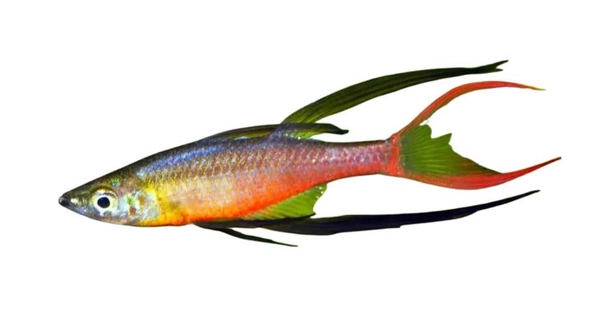
Do you ever find yourself admiring the bright colors of Threadfin Rainbowfish but wondering how best to feed them in your aquarium? These lively fish can be fascinating to watch as they swim in groups. Their shimmering scales often catch the light beautifully.
Threadfin Rainbowfish cannot thrive on surface feeding alone. They require a varied diet that reaches different water levels, including sinking pellets, live foods, and flakes, to meet their nutritional needs and maintain overall health and vitality in captivity.
Learning the proper feeding techniques ensures your Threadfin Rainbowfish remain active and healthy. Exploring their dietary habits can make your aquarium a more vibrant and balanced environment for these fish.
Understanding the Feeding Habits of Threadfin Rainbowfish
Threadfin Rainbowfish are active swimmers that occupy multiple levels of the aquarium. They naturally feed on insects, larvae, and small crustaceans, which they find throughout the water column. Relying solely on surface feeding limits their access to essential nutrients, as much of their diet comes from mid-water and bottom sources. Providing a mix of floating flakes, sinking pellets, and live or frozen foods ensures they receive a balanced diet. Observing their behavior during feeding can help you determine whether all fish are getting enough food. Uneaten food should be removed promptly to prevent water quality issues. A varied diet also encourages natural hunting instincts, keeping them mentally stimulated. Feeding small portions multiple times a day is more effective than one large feeding. Over time, you’ll notice healthier coloration, increased activity, and more consistent growth when their diet meets their nutritional needs across all water levels.
A mixed feeding approach helps prevent nutritional gaps and supports overall fish health.
Surface feeding alone may appear convenient, but it does not meet all dietary requirements. Fish that only get flakes from the top may show slower growth, duller colors, and reduced activity. To replicate natural conditions, it’s important to distribute food at different depths. For example, adding sinking pellets or gel-based foods encourages them to swim and explore the mid and lower areas of the tank. Live or frozen foods, like brine shrimp or daphnia, are excellent additions to provide protein and stimulate natural behaviors. Observing how your Threadfin Rainbowfish react to various food types can guide adjustments in feeding routines. Regular rotation of foods also prevents boredom and ensures essential nutrients are consumed. Balancing feeding schedules with tank maintenance is key to keeping both water quality and fish health in check, making your aquarium more sustainable and enjoyable.
Tips for Effective Surface and Mid-Water Feeding
Surface feeding is easy but insufficient on its own. Supplementing with sinking foods ensures all fish receive proper nutrition.
Rotating food types and offering them at different depths strengthens fish health and encourages natural behaviors. Sinking pellets, frozen foods, and occasional live treats provide protein and vitamins essential for growth. Observing feeding responses allows adjustments to prevent overfeeding or nutrient gaps. Over time, a consistent multi-level feeding routine improves coloration, activity, and overall vitality. Properly balanced diets also reduce stress and susceptibility to disease. Feeding small portions several times daily is more effective than large, infrequent meals, and keeping uneaten food removed maintains water quality. This approach creates a healthier, more vibrant tank environment where Threadfin Rainbowfish can thrive.
Choosing the Right Food for Threadfin Rainbowfish
Floating flakes are convenient but should not be the only option. Sinking pellets, frozen foods, and live brine shrimp help cover nutritional needs and encourage active swimming at different water levels.
Providing a mix of foods ensures Threadfin Rainbowfish get proteins, vitamins, and minerals they need. Sinking pellets reach mid-water and bottom feeders, preventing weaker fish from missing meals. Frozen foods like bloodworms or daphnia add variety, while live foods stimulate natural hunting instincts. Rotating foods regularly keeps them engaged and prevents nutrient deficiencies. Overfeeding should be avoided, as leftover food can harm water quality and lead to stress or illness. A balanced feeding routine creates healthier, more colorful fish that thrive in the aquarium environment and display natural behaviors consistently.
Live foods are particularly beneficial for young or picky fish. They improve growth rates, encourage exercise, and make fish more vibrant. Combining live, frozen, and pellet foods mimics natural feeding patterns. Observing how fish respond to each type allows adjustments to portion sizes and feeding frequency. Consistent variety also prevents monotony and supports long-term health.
Feeding Frequency and Timing
Feeding multiple small meals daily is more effective than one large meal. This method supports digestion and reduces uneaten leftovers.
Splitting feedings into two or three sessions ensures that all fish have access to food and prevents overeating. Morning and evening feedings often work best, as Threadfin Rainbowfish are most active during these periods. Adjust portions so that food is consumed within a few minutes, and remove any leftovers to maintain water quality. Monitoring fish behavior during feedings can highlight any weaker individuals or changes in appetite. Consistency in timing helps maintain healthy metabolic rhythms, promotes steady growth, and reduces stress. Over time, your fish become accustomed to the feeding schedule, creating a more predictable and balanced aquarium environment.
Common Mistakes in Feeding
Overfeeding is a frequent issue that can harm water quality. Uneaten food decomposes quickly, causing ammonia spikes and stress for the fish.
Feeding only surface flakes limits nutritional intake. Fish may miss important proteins and vitamins found in sinking or live foods, leading to slower growth and duller coloration.
Observing Your Fish During Feeding
Watching how Threadfin Rainbowfish respond to different foods helps identify preferences and ensures all individuals are eating. Adjusting feeding methods can prevent weaker fish from being left out. Sinking pellets or live foods may encourage shy fish to feed more actively.
Adjusting Food Amounts
Start with small portions and increase gradually based on how quickly the fish consume the food. This avoids waste and maintains water quality.
FAQ
Can Threadfin Rainbowfish survive on surface food alone?
No, surface food alone is not enough for Threadfin Rainbowfish. They naturally feed throughout the water column, so relying solely on floating flakes limits their nutrient intake. Including sinking pellets, frozen foods, and occasional live foods ensures they receive proteins, vitamins, and minerals essential for growth and overall health.
How often should I feed my Threadfin Rainbowfish?
Feeding small portions two to three times per day works best. Multiple feedings allow all fish to access food without overeating. Observing how quickly they consume each portion helps prevent leftovers from polluting the tank, which can cause stress or illness. Consistent timing keeps their metabolism steady.
What types of sinking foods are best for them?
High-quality sinking pellets are ideal, as they reach fish at mid and lower levels. Gel-based foods and frozen options, like bloodworms or brine shrimp, provide additional protein and mimic natural hunting behavior. A variety helps maintain interest and nutritional balance.
Are live foods necessary for their diet?
Live foods are not mandatory but are highly beneficial. They improve activity, stimulate natural hunting instincts, and often encourage shy or smaller fish to feed. Including live foods occasionally enhances growth rates and coloration, contributing to healthier and more vibrant fish.
Can overfeeding cause health issues?
Yes, overfeeding can lead to obesity, slower swimming, digestive problems, and poor water quality. Uneaten food decomposes, increasing ammonia levels and stressing the fish. Feeding small, controlled portions and removing leftovers prevents these problems and maintains a clean, balanced aquarium environment.
How do I know if my fish are getting enough food?
Healthy Threadfin Rainbowfish should appear active, have bright coloration, and show normal swimming behavior. Fish that avoid feeding, become lethargic, or appear dull may need adjustments in portion size, food type, or feeding method. Observing them during feedings ensures all individuals receive adequate nutrition.
Is it okay to feed only flakes and ignore sinking foods?
No, flakes alone are insufficient. They mostly float and do not reach mid-water or bottom feeders, which can leave weaker or smaller fish undernourished. Mixing flakes with sinking pellets and other foods ensures balanced nutrition for the entire group.
How should I introduce new foods to my aquarium?
Introduce new foods gradually, mixing small amounts with familiar items. Observe how the fish respond and adjust the portion accordingly. Gradual introduction reduces stress, helps picky fish accept new foods, and allows you to monitor any reactions or changes in feeding behavior.
Can feeding at the surface cause water problems?
Yes, leftover floating food can decompose quickly, raising ammonia levels and harming water quality. Feeding only surface flakes increases the risk of waste accumulation. Removing uneaten food promptly and diversifying feeding methods helps maintain a healthy tank environment.
Do young Threadfin Rainbowfish need different feeding strategies?
Young fish benefit from smaller, more frequent feedings with finely crushed pellets, micro-pellets, or live foods like baby brine shrimp. This ensures proper growth and nutrition. As they grow, gradually introduce larger pellets and a variety of foods to meet their increasing dietary needs.
What are signs of poor nutrition in Threadfin Rainbowfish?
Signs include faded colors, reduced activity, slow growth, or visible weight loss. Fish may also show abnormal swimming patterns or reduced appetite. Adjusting diet to include varied, nutrient-rich foods and feeding at multiple water levels usually resolves these issues over time.
How long can I go without feeding them?
Threadfin Rainbowfish should not go more than a day without food under normal conditions. Occasional short breaks may not harm adult fish, but prolonged fasting can weaken their immune system, reduce coloration, and slow growth. Consistent daily feeding is recommended for optimal health.
Are frozen foods as effective as live foods?
Frozen foods are effective alternatives to live foods. They provide similar nutrients without the risk of introducing parasites or diseases. Combining frozen foods with pellets and occasional live treats creates a balanced, varied diet that promotes health, activity, and coloration.
Should I change feeding routines during breeding?
Yes, breeding Threadfin Rainbowfish may require increased protein-rich foods to support energy and egg production. Live foods or high-quality frozen options can boost fertility and encourage natural spawning behaviors, ensuring healthier fry and more successful breeding outcomes.
Can I feed my fish plant-based foods?
Threadfin Rainbowfish primarily need protein, but including small amounts of plant-based foods, like spirulina flakes or algae wafers, can provide fiber and additional nutrients. Variety supports overall health and prevents boredom, while ensuring that their main protein needs are still met.
Is there a risk of feeding too many different foods?
Introducing too many new foods at once can stress fish or lead to digestive issues. Gradual rotation and careful observation allow them to adapt. Balanced variety enhances nutrition without overwhelming their digestive system or causing waste accumulation in the tank.
How do I prevent dominant fish from eating all the food?
Distribute food across the tank at different levels and locations. Using sinking pellets, floating flakes, and live foods encourages weaker or shy fish to access meals. Observing feeding behavior helps identify if certain individuals are being excluded and adjustments can be made accordingly.
Can I feed them human food occasionally?
Human food is generally not recommended. It often lacks essential nutrients and may contain additives harmful to fish. Stick to commercial fish foods, live, or frozen options designed for aquarium species to ensure safety and proper nutrition.
How can I tell if my feeding schedule is effective?
Healthy, active fish with bright coloration and consistent growth indicate an effective feeding schedule. Minimal leftover food and stable water quality are also good signs. Adjust timing, portion sizes, or food types if fish show signs of stress, reduced activity, or uneven feeding.
What is the best balance between surface and sinking foods?
A balanced mix provides nutrients at all levels. Roughly half floating flakes and half sinking pellets or frozen/live foods usually work well. Observing behavior and ensuring all fish access the food allows adjustments, promoting healthy growth and maintaining an active, colorful aquarium.
This FAQ provides practical guidance for feeding Threadfin Rainbowfish effectively, ensuring their health, activity, and vibrant coloration while maintaining a balanced tank environment.
Final Thoughts
Threadfin Rainbowfish are lively and colorful fish that bring energy to any aquarium. Their beauty is matched by their active behavior, which requires careful attention to their diet. Feeding them from the surface alone is tempting because it is easy and convenient, but it does not meet all their nutritional needs. These fish naturally explore all water levels to find food, and limiting them to floating flakes means they miss important nutrients. A well-balanced diet should include floating flakes for surface feeding, sinking pellets for mid-water and bottom feeding, and occasional live or frozen foods to provide protein and stimulate natural hunting behavior. This variety ensures that all fish in the tank, including weaker or shyer individuals, get the nutrition they need. Consistently offering food at different depths also encourages movement and activity, helping your Threadfin Rainbowfish maintain their vibrant colors and healthy growth.
Feeding routines play an important role in the overall health of these fish. Splitting their daily intake into multiple small feedings is more effective than offering one large meal. This approach prevents overeating, reduces the amount of uneaten food, and keeps water quality stable. Observing fish during feeding allows you to adjust portion sizes and ensure that all individuals are receiving adequate nutrition. Overfeeding can lead to water pollution, stress, and health problems, while underfeeding can slow growth and dull coloration. Including a variety of foods also prevents boredom and encourages natural behaviors, such as chasing live prey or exploring the tank for sinking pellets. Maintaining a consistent schedule helps the fish feel secure, reduces stress, and supports their natural metabolism, which is essential for long-term health.
It is important to understand that feeding Threadfin Rainbowfish properly is more than just giving them food—it is about creating a balanced and stimulating environment. Paying attention to the type of food, the depth at which it is offered, and the frequency of feedings ensures that your fish grow strong, remain active, and display their full coloration. Providing a mix of floating, sinking, and live or frozen foods replicates their natural diet, while small, frequent meals help maintain water quality and overall tank health. By following these practices, you can enjoy watching healthy, energetic fish that thrive in their aquarium. Thoughtful feeding contributes to a more harmonious tank, prevents nutritional deficiencies, and supports the long-term well-being of your Threadfin Rainbowfish. Creating this balance may take some observation and adjustment at first, but the results are rewarding for both the fish and the aquarium keeper.

Hello,
If you enjoy the content that we create, please consider saying a "Thank You!" by leaving a tip.
Every little bit helps us continue crafting quality advice that supports the health, happiness, and well-being of pets around the world, for pets of all shapes, sizes, and species.
We really appreciate the kindness and support that you show us!