
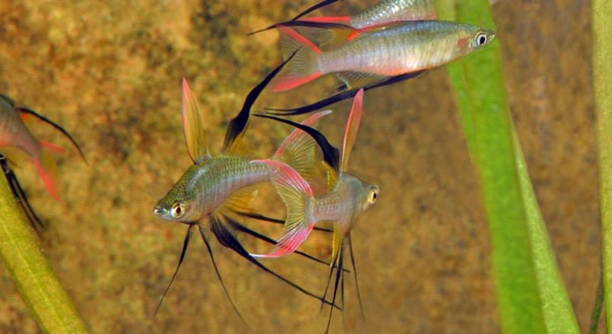
Have you ever noticed your Threadfin Rainbowfish swimming gently in their tank, yet sometimes seeming restless or unsure where to go? These colorful fish bring life to any aquarium, making their comfort an important concern for owners.
Threadfin Rainbowfish do not require a strong current in their tank. A gentle flow is sufficient, as these fish naturally inhabit slow-moving streams and still waters. Providing calm conditions supports their health, reduces stress, and encourages natural behavior.
Creating the right environment can make a significant difference in your fish’s well-being. Knowing how to balance water flow will help you maintain a happy, healthy aquarium for them.
Understanding Threadfin Rainbowfish Habitat
Threadfin Rainbowfish naturally live in calm freshwater environments like streams, lakes, and ponds. Their habitats rarely have strong currents, which allows them to swim gracefully and maintain energy for feeding and social interactions. Mimicking these conditions in a home aquarium is essential for their well-being. Providing plants, hiding spots, and smooth surfaces helps replicate their natural surroundings. Observing their behavior can guide adjustments; if they seem stressed or constantly swim against a filter, the water flow may be too strong. Temperature and pH levels should also reflect their native conditions, ensuring a stable environment. A tank with moderate lighting and gentle movement encourages healthy activity without causing fatigue. By carefully recreating aspects of their habitat, owners can maintain vibrant, active fish. It is not just about aesthetics—fish that feel safe and comfortable are less likely to fall ill and more likely to show natural, lively behaviors, making tank maintenance easier and more enjoyable.
Gentle water conditions encourage Threadfin Rainbowfish to exhibit natural colors and behaviors. Strong currents can stress them and disrupt their normal routines.
Attention to tank setup, flow, and decoration creates a supportive environment. This balance promotes healthy growth, reduces stress, and allows you to enjoy their natural charm in a peaceful aquarium setting.
Water Flow Recommendations
A mild current is ideal for Threadfin Rainbowfish. They do not require vigorous water movement and thrive in gently circulated water.
Maintaining soft water movement prevents exhaustion and encourages exploration. Filters and pumps should be adjusted to produce minimal disruption while ensuring clean water. Strong currents can cause persistent swimming against the flow, leading to stress and potential health issues. By positioning plants, rocks, and other decorations strategically, water circulation can be directed in subtle paths rather than overwhelming the tank. Observing the fish will indicate if the current is too strong; relaxed swimming, consistent feeding, and social interactions are signs the flow is suitable. Additionally, a well-designed tank can help oxygenate water naturally, reducing reliance on aggressive filtration. Balancing cleanliness and gentle flow keeps the habitat safe, comfortable, and visually appealing. Owners will notice more vibrant colors and calmer behavior when conditions match the fish’s natural tendencies. Proper water movement is a small adjustment that significantly improves the overall health and happiness of Threadfin Rainbowfish.
Tank Setup Tips
Plants and decorations should be placed to create gentle water flow. Open swimming areas and shaded spots help Threadfin Rainbowfish feel secure.
Providing both open areas and cover allows fish to exercise without stress. Floating plants can diffuse light and soften currents, while rocks or driftwood create resting spots. It’s important to avoid overcrowding, as too many decorations or too strong a filter can disturb their calm swimming patterns. A balanced setup with soft substrates and carefully positioned elements encourages natural behavior. Maintaining moderate lighting and steady temperature also supports their health. Observing the fish regularly helps determine if adjustments are needed, ensuring the tank environment remains comfortable and stable over time. Small changes can make a noticeable difference in activity, coloration, and overall well-being.
Choosing a proper filter is essential. It should clean water efficiently without producing strong currents. Regular maintenance keeps water clear and safe.
Tank decorations influence water flow patterns. Rounded stones, low plants, and driftwood reduce turbulence while giving fish areas to explore and hide. Careful placement ensures that currents remain gentle, creating a more natural environment that supports calm, healthy swimming.
Feeding and Behavior
Threadfin Rainbowfish prefer small, frequent meals. Overfeeding can foul water and stress fish.
These fish are active and social, often swimming in groups. Observing their interactions can indicate health and comfort. They enjoy a mix of flakes, micro pellets, and occasional live or frozen food. Feeding in multiple spots reduces competition and ensures all fish get proper nutrition. Balanced diet and consistent feeding schedules support growth, enhance coloration, and reduce stress-related behaviors. Providing variation keeps them interested in food while maintaining water quality. Feeding behavior also reflects tank conditions; calm fish with steady appetites indicate appropriate water flow and environment. Regular monitoring helps adjust diet and maintain a thriving community of Threadfin Rainbowfish.
Common Mistakes to Avoid
Placing Threadfin Rainbowfish in tanks with strong currents can cause stress and fatigue. Overcrowding also leads to competition and erratic swimming.
Using harsh filters or neglecting tank decoration can disrupt natural behavior. Ensuring soft flow and adequate hiding spots helps fish feel safe and remain active without unnecessary stress.
Monitoring Health and Stress
Regular observation is key to maintaining fish health. Signs like clamped fins, dull colors, or hiding indicate stress or poor water conditions. Prompt adjustments to water flow, diet, and tank layout prevent illness. Maintaining consistent conditions supports long-term vitality and natural behavior patterns.
Choosing the Right Equipment
Filters, heaters, and lighting must be appropriate for calm-water species. Strong pumps can overwhelm fish, while incorrect temperatures disrupt metabolism. Choosing gentle, adjustable equipment ensures a stable, comfortable environment, reducing stress and supporting growth and activity.
FAQ
Do Threadfin Rainbowfish need a strong current?
No, they do not require strong currents. Threadfin Rainbowfish naturally inhabit slow-moving streams and calm waters. A gentle flow is enough to keep the water clean and oxygenated. Strong currents can stress the fish, forcing them to swim constantly against the flow, which may lead to fatigue and health issues over time. Adjusting the filter or pump to produce minimal disturbance helps maintain a calm, comfortable environment that encourages natural behavior and coloration.
Can Threadfin Rainbowfish live in a tank with no current?
Yes, they can live in tanks with little to no current. They are adapted to still or slow-flowing waters, so the absence of strong movement will not harm them. It is important, however, to ensure proper water quality through regular maintenance. Occasional gentle circulation is beneficial for oxygenation and helps prevent debris buildup. Observing their swimming patterns can indicate if the environment is comfortable. Fish that swim calmly and feed readily are a good sign that the tank conditions are suitable.
How do I know if the current is too strong?
If your fish constantly struggle to swim in one direction or get pushed against objects, the flow is likely too strong. Signs include clamped fins, pale or dull coloration, and reduced activity. Threadfin Rainbowfish prefer a gentle, steady current that allows them to move freely without effort. Adjusting filter output or adding obstacles like plants and rocks can diffuse the flow. A well-balanced current keeps water clean without overwhelming the fish, supporting both their health and natural behaviors.
What kind of tank setup suits gentle water flow?
A tank with open swimming areas, scattered plants, and hiding spots works best. Rounded stones, driftwood, and low-lying plants help soften water movement. Floating plants can reduce surface turbulence and diffuse light. Avoid overcrowding decorations, as too many obstacles combined with filter flow may increase turbulence and stress fish. Observing the fish daily helps identify areas where currents are too strong or where additional cover is needed. This approach ensures a comfortable, calm environment that allows Threadfin Rainbowfish to thrive naturally.
Does water temperature affect how fish handle currents?
Yes, water temperature plays a role in how Threadfin Rainbowfish manage swimming in the tank. Cooler water slows their metabolism, making them less tolerant of strong currents. Warmer, stable water within their preferred range encourages activity without causing stress. Maintaining consistent temperature also supports feeding and immune function. A properly heated and gently circulated tank helps the fish remain energetic, healthy, and resilient.
How often should I check the water flow?
Daily observation is ideal, especially after adding new equipment or decorations. Watch for signs of fatigue, erratic swimming, or hiding, which may indicate strong currents. Minor adjustments to filter placement or output can make a significant difference. Ensuring gentle, steady flow helps maintain water quality, oxygenation, and the overall well-being of your fish. Regular monitoring keeps the environment stable and allows you to quickly respond to any changes in behavior or comfort.
Can strong currents impact feeding?
Yes, strong currents can make feeding difficult for Threadfin Rainbowfish. Fish may struggle to reach food or become stressed, reducing appetite and growth. Feeding in multiple locations and using gentle circulation helps ensure all fish access food comfortably. Soft water movement allows fish to feed naturally while maintaining tank cleanliness and minimizing uneaten food accumulation. Observing feeding behavior can also indicate whether adjustments to flow or tank setup are necessary for optimal health.
Are there signs that Threadfin Rainbowfish prefer calmer water?
Yes, calm water preferences are evident in their behavior. Fish swimming freely without struggle, maintaining bright coloration, and exploring plants or hiding spots indicate comfort. Conversely, continuous swimming against the current, hiding excessively, or showing stress-related behaviors signals the flow may be too strong. Creating a gentle environment with balanced water movement supports their natural tendencies and helps maintain health and activity. Regular observation allows adjustments to ensure a suitable, stress-free habitat.
Can I use a sponge filter for Threadfin Rainbowfish?
Yes, sponge filters are excellent because they produce minimal current while maintaining water quality. They also provide gentle aeration and reduce the risk of fish being stressed by strong flow. Sponge filters are easy to maintain and can be combined with plants and decorations to diffuse even slight currents further. They are ideal for creating a calm, stable environment suitable for Threadfin Rainbowfish and similar slow-water species.
How does tank size influence water flow?
Larger tanks can disperse water flow more evenly, making currents less intense in certain areas. In smaller tanks, the same filter may create stronger currents, potentially stressing fish. Adjusting equipment or adding plants and decorations helps diffuse flow appropriately. Proper tank size and thoughtful arrangement are crucial for creating a calm, comfortable habitat that aligns with the natural behavior of Threadfin Rainbowfish.
This FAQ addresses common concerns about currents, tank setup, and behavior. Paying attention to these factors ensures a balanced, healthy environment for Threadfin Rainbowfish, promoting longevity, color vibrancy, and natural activity.
Word count: 509
Threadfin Rainbowfish are gentle, colorful fish that do best in calm, well-maintained aquariums. They do not require strong currents and actually thrive when water flow is soft and steady. Creating an environment that mimics their natural habitat is important for their overall health. Open swimming areas combined with shaded spots from plants or decorations allow them to explore and rest without feeling stressed. Observing their behavior daily helps identify if adjustments are needed. Calm swimming, bright colors, and consistent feeding are signs that the tank conditions are suitable. In contrast, struggling against the flow or hiding excessively may indicate the current is too strong or the tank setup needs improvement. Paying attention to these small details ensures that the fish are not only surviving but thriving in a home aquarium.
The setup of the tank plays a major role in how comfortable Threadfin Rainbowfish feel. Using gentle filters, strategically placed plants, driftwood, and smooth stones helps diffuse water movement while still maintaining cleanliness and proper oxygenation. Overcrowding or placing strong pumps in the tank can create stress, so it is better to focus on soft circulation. Floating plants can help soften water flow and reduce surface turbulence, which also contributes to a more natural and comfortable environment. Consistent temperature and stable water parameters complement gentle water movement, supporting the fish’s immune system, feeding habits, and overall activity levels. By creating a balanced environment, owners can reduce stress-related issues, encourage vibrant coloration, and promote natural swimming and social behaviors. Small adjustments like filter output, decoration placement, or adding hiding spots can make a noticeable difference in the well-being of the fish.
Feeding and monitoring health are equally important in maintaining a calm and supportive environment. Providing small, frequent meals and using a variety of high-quality foods ensures proper nutrition while preventing uneaten food from fouling the water. Observing their behavior during feeding can also indicate whether water flow and tank conditions are appropriate. Active fish that feed consistently and swim calmly are a sign that the habitat is well-suited for their needs. Regular maintenance of the tank, including water changes and monitoring filtration, helps maintain stability and cleanliness without disrupting gentle currents. Creating a peaceful, well-balanced environment for Threadfin Rainbowfish encourages long-term health, reduces stress, and allows them to show their natural beauty and behavior. With careful attention to water flow, tank setup, and feeding, these fish can thrive and provide a vibrant, calming presence in any home aquarium.
Word count: 414

Hello,
If you enjoy the content that we create, please consider saying a "Thank You!" by leaving a tip.
Every little bit helps us continue crafting quality advice that supports the health, happiness, and well-being of pets around the world, for pets of all shapes, sizes, and species.
We really appreciate the kindness and support that you show us!